
Air Quality
Browse top rated air quality products, including air purifiers, humidifiers, dehumidifiers, and filters for a healthier home. Our curated selection helps you tackle allergens, odors, and moisture issues in any room.
We review filtration performance, coverage area, and noise level to help you make the right choice. Compare options and breathe easier at home.

Best Compact Air Purifiers for Small Rooms: Buying Guide 2026

Best Commercial Dehumidifier (2026): Types, Sizing and Buying Guide

Best Commercial Air Purifiers: 2026 Business Guide

Best Cold Climate Mini Splits: Ratings, Sizing and Winter Planning for 2026
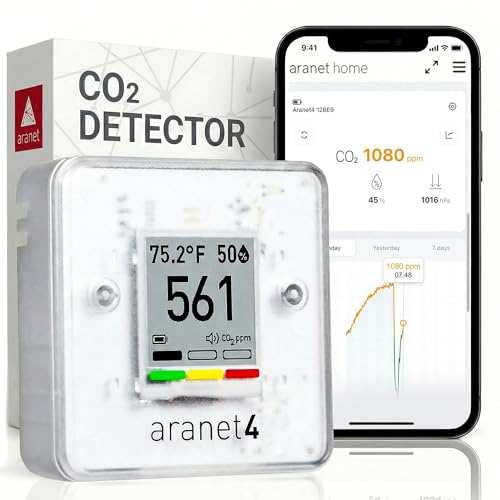
Best CO2 Monitors: A Buying Guide for Fresher Indoor Air in 2026
Best CO2 Air Quality Monitor 2026: Types Compared and Buying Guide
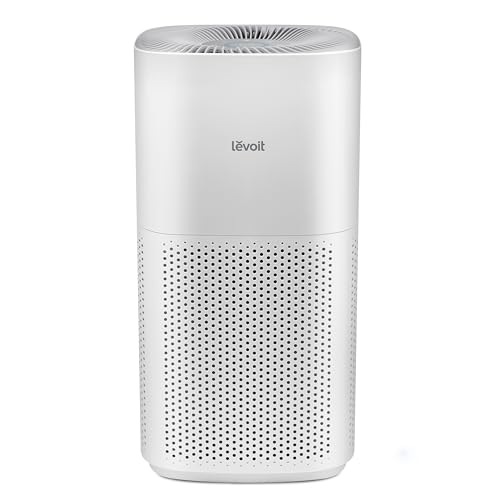
Best Clean Air Purifiers: A Home Air Guide for 2026

Best Cheap Air Purifier: How to Choose for Your Room in 2026

Best Charcoal Air Purifiers: How to Choose One for Odors and Smoke in 2026

Best Carepod Humidifiers of 2026: Which Model Should You Buy?
Best Carbon Filter Air Purifiers 2026: Guide
Best Carbon Dioxide Monitors: Types Compared and How to Choose for 2026
Best Carbon Air Purifiers in 2026: Buying Guide
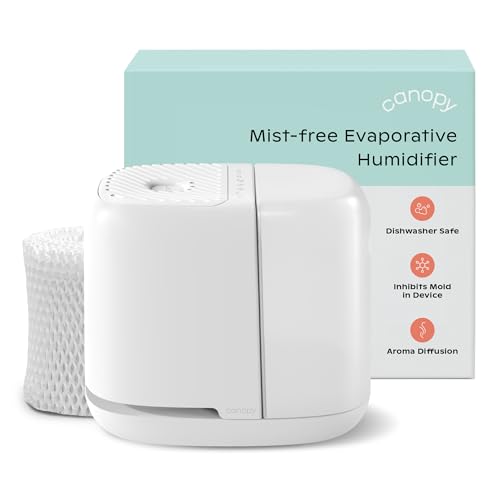
Best Canopy Humidifiers of 2026: Which Model Should You Buy?
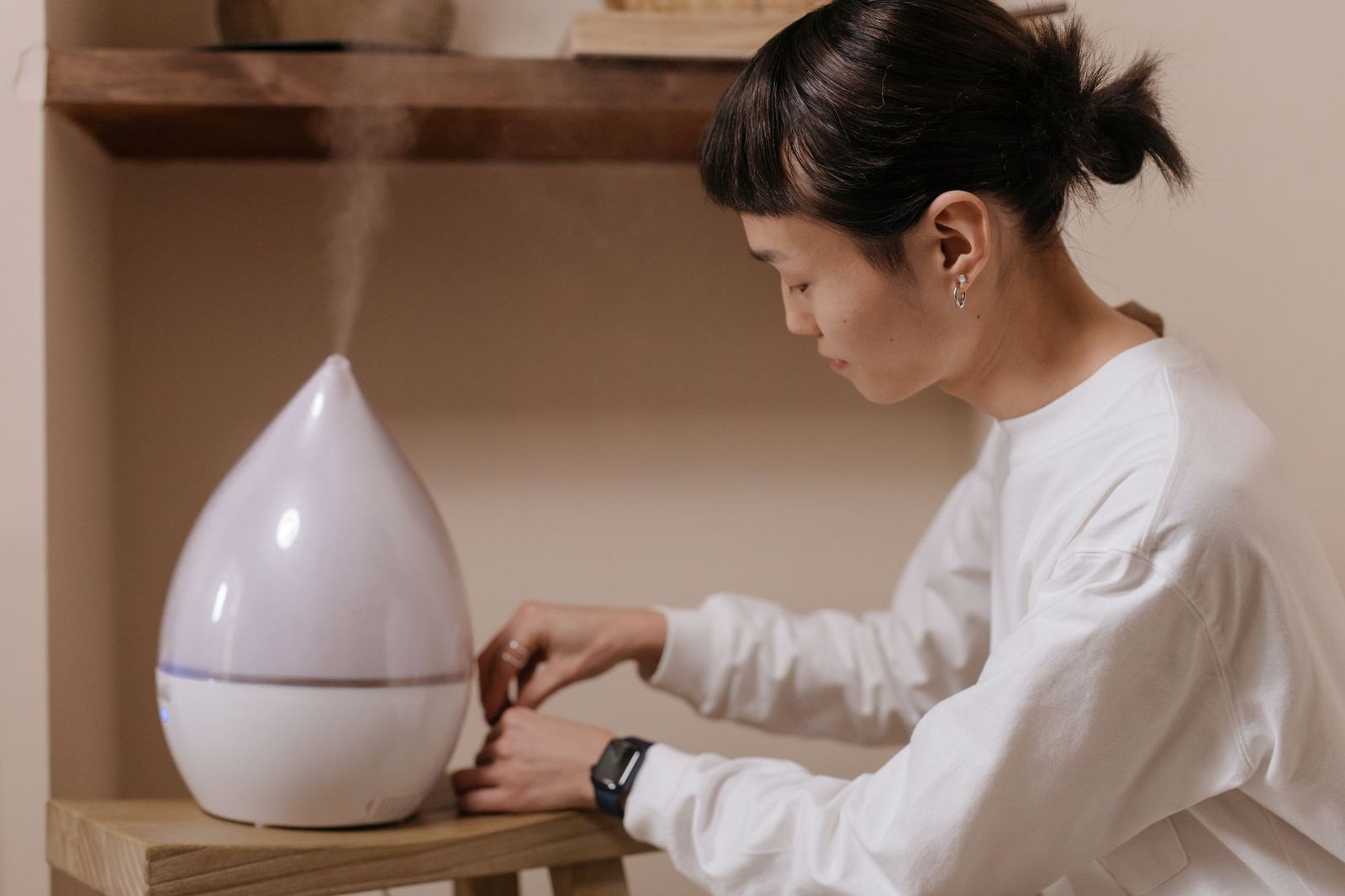
Best Boneco Humidifier (2026): Ultrasonic, Evaporative and Air Washer

Best Alen Air Purifier in 2026: Buying Guide for Every Room Size

Best Air Quality Monitor for Wildfire Smoke in 2026: Buying Guide

Best Air Quality Monitor for Mold in 2026: Buying Guide for Damp Rooms
Best Air Purifier With Air Quality Sensor in 2026: Buying Guide for Auto Mode

Best Air Purifier Under $500 in 2026: Buying Guide for Large Rooms and Allergies
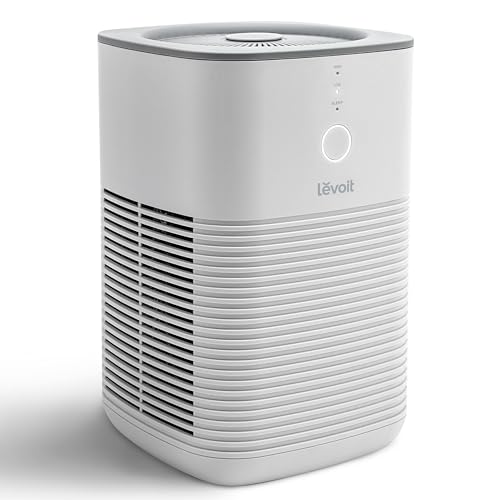
Best Air Purifier Under $50 in 2026: Buying Guide for Small Rooms
Best Air Purifier Under $300 in 2026: Buying Guide for Bedrooms and Living Rooms

Best 35 Pint Dehumidifiers (2026): Capacity, Drainage and Noise

Best 30 Pint Dehumidifiers (2026): Drainage, Noise and Coverage

Awair Element Review (2026): Is It Worth the Money?

Austin Air HealthMate Review (2026): Is It Worth the Money?
Aranet4 vs Airthings: Which Is Better in 2026?
Aranet4 Review (2026): Is It Worth the Money?

Aranet4 Alternative: Cheaper and Comparable Options (2026)

Aprilaire E070 Review (2026): Is It Worth the Money?
Start by Identifying the Problem
Air quality gear works best when it targets a specific issue. Allergy sufferers need fine particle filtration, smoke and wildfire seasons call for strong airflow plus carbon filters, damp basements need moisture control, and dry winter air benefits from added humidity. Pinpointing the problem keeps you from buying a device that does not address what you actually feel.
Air Purifiers: Specs That Matter
A true HEPA filter captures very small particles such as pollen, dust, and pet dander. Beyond the filter, look at these numbers:
- CADR (Clean Air Delivery Rate): higher values mean the unit cleans more air per minute. Match it to your room size.
- Room coverage: manufacturers often list the largest room possible. Sizing up gives better results at quieter fan speeds.
- Activated carbon: helps with odors and some gases; a thicker carbon layer works better for smoke.
- Noise level: important for bedrooms. Check the decibel rating on low settings.
- Filter cost: replacement filters can run from $30 to $100 or more per year, so factor them in.
If pets or seasonal allergies are your main concern, start with our guide to air purifiers for allergies. For wildfire seasons or indoor smoke, see the air purifier for smoke guide.
Humidity Control
Indoor humidity between about 30 and 50 percent is comfortable for most homes and discourages mold and dust mites. Dehumidifiers suit basements and humid climates, while humidifiers help with dry skin and static in winter. Clean humidifier tanks often, since standing water can grow bacteria.
Heating and Cooling Comfort
This category also covers portable cooling and supplemental heat. Window air conditioners are generally more efficient than portable units, while evaporative coolers only work well in dry climates. For heat, electric fireplaces add ambiance without venting, and our electric fireplace guide covers sizing and installation types.
Common Mistakes
- Undersizing a purifier for an open floor plan.
- Skipping filter replacements, which reduces performance.
- Choosing ionizers without checking whether they produce ozone.
- Running a dehumidifier without a drain plan for large spaces.
Placement also affects results. Keep purifiers a foot or more from walls and furniture so air can flow freely, and run them continuously on a lower setting rather than in short bursts at full power. Closing doors in the room being treated helps the unit keep up.
Air Quality FAQ
What size air purifier do I need?
Check the CADR and recommended room size, then choose a unit rated for a slightly larger space than yours. This lets it clean effectively on lower, quieter fan settings.
Do air purifiers help with allergies?
Purifiers with true HEPA filters can reduce airborne allergens like pollen, dust, and pet dander. They work best alongside regular cleaning and keeping windows closed on high pollen days.
How often should I replace air purifier filters?
Many HEPA filters last about 6 to 12 months, while prefilters and carbon filters may need attention more often. Follow the manufacturer's schedule and replace sooner in smoky or dusty conditions.
What humidity level is best indoors?
Most homes are comfortable between roughly 30 and 50 percent relative humidity. Higher levels can encourage mold and dust mites, while lower levels may cause dry skin and static.
Are ozone generating air purifiers safe?
Ozone can irritate the lungs, and health agencies advise against using ozone generators in occupied spaces. Choose HEPA based purifiers or models certified as low or zero ozone.