
Home Improvement
Upgrade your living space with the best home improvement tools and solutions. From renovation essentials to everyday fixes, explore products designed to enhance comfort, functionality, and value.
We highlight reliable, high-quality options to help you tackle projects with confidence. Discover top-rated products for improving every part of your home.


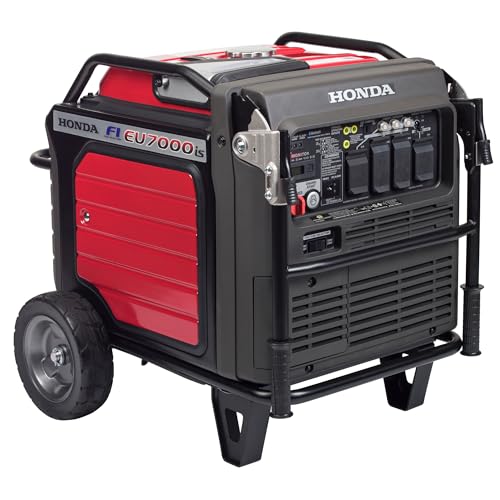
Best Inverter Generators
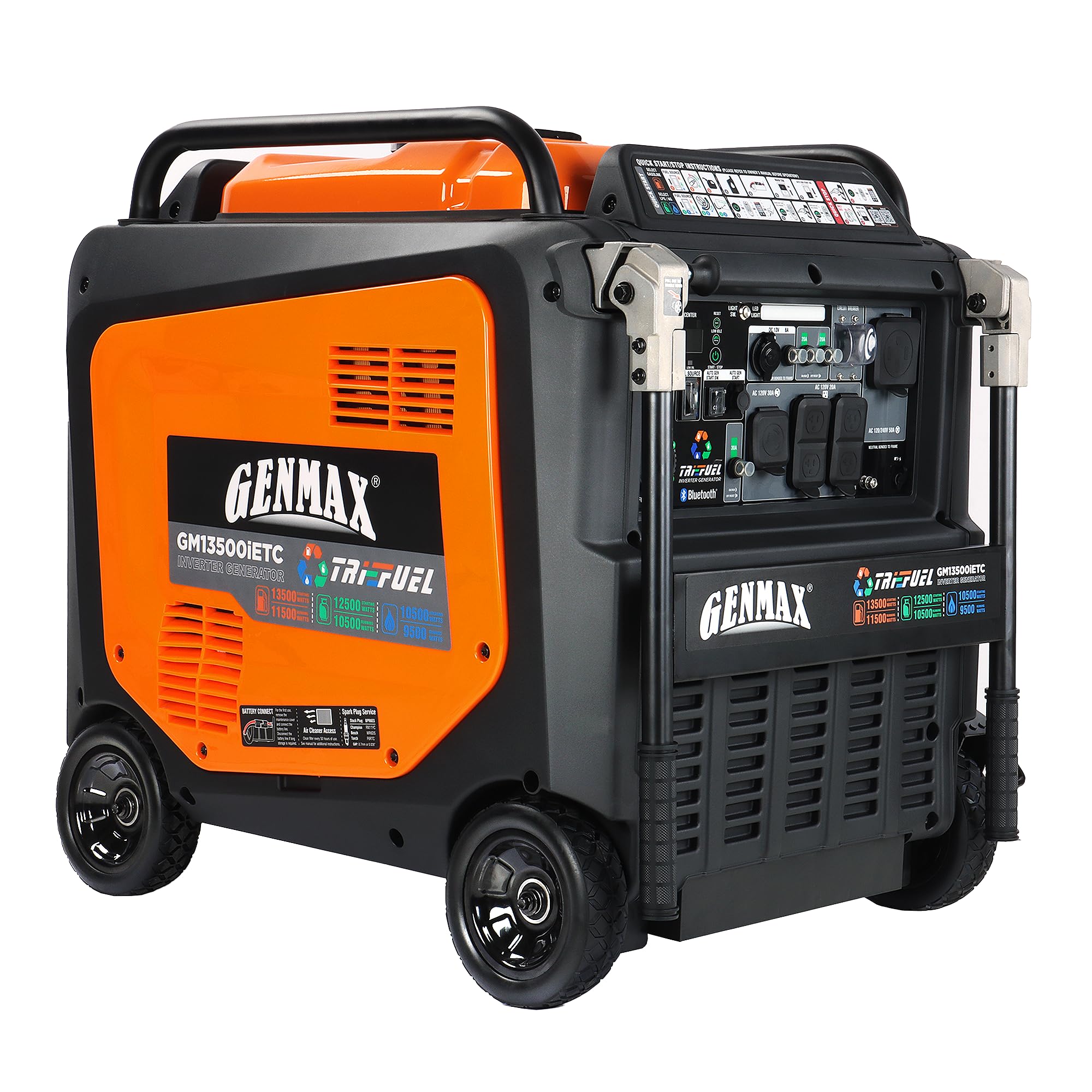
Best Generators for Camping
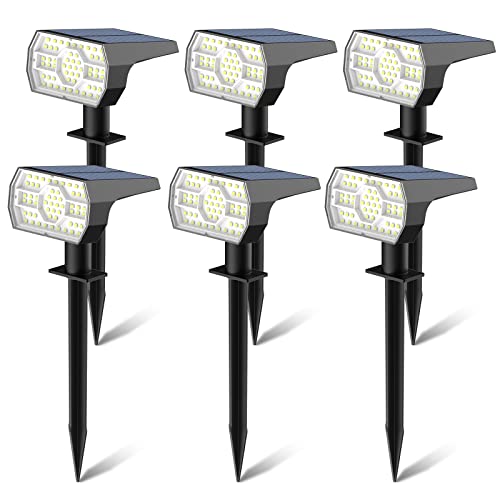
Best Solar Pathway Lights: A Complete Buying Guide

Best Solar Ground Lights: A Complete Buying Guide
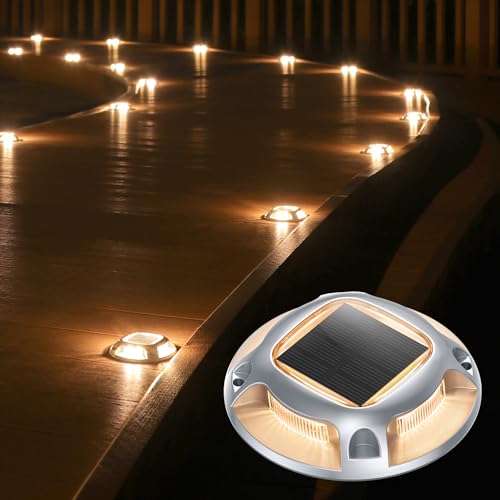
Best Solar Driveway Lights: A Complete Buying Guide

Best Smoke and Carbon Monoxide Detector: Buying Guide
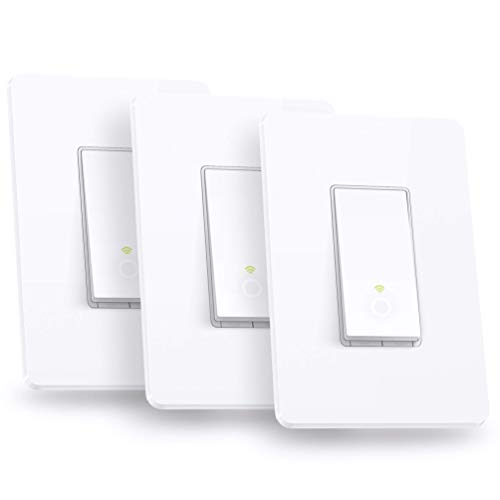
Best Smart Switches: A Complete Buying Guide
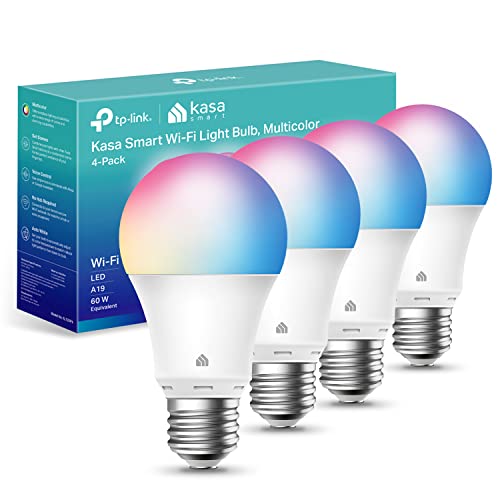
Best Smart Light Bulbs: A Complete Buying Guide

Best Smart Home Hubs: A Complete Buying Guide
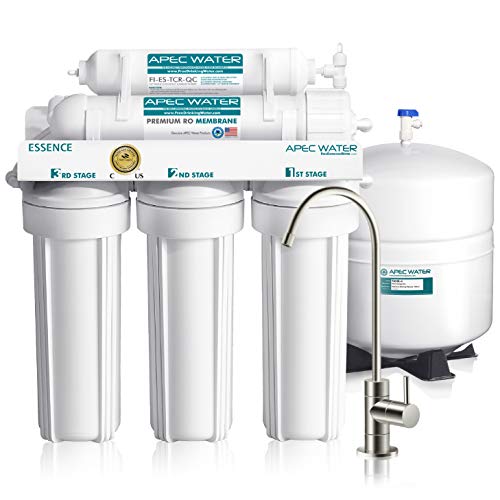
Best Reverse Osmosis Filter Systems: A Complete Buying Guide

Best Reverse Osmosis Drinking Water System: A Complete Buying Guide
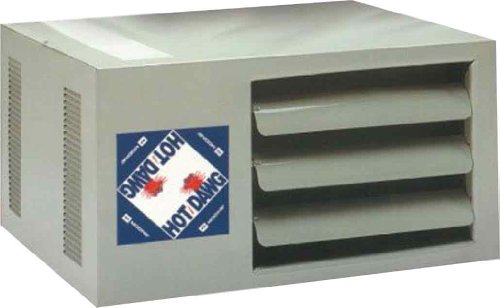
Best Propane Garage Heater: A Complete Buying Guide
Prioritize Projects by Impact
Not every upgrade pays off equally. Safety items and efficiency fixes should come first, followed by comfort and convenience, then cosmetic changes. A working smoke alarm, a well sealed door, or a smarter thermostat can matter more day to day than a new paint color.
Safety and Security First
Every home needs working smoke alarms and carbon monoxide detectors on each level and near sleeping areas. Test them monthly and replace units according to the manufacturer's lifespan. Our guide to the smoke and carbon monoxide detector explains combo units, interconnected alarms, and battery types. Smart locks and keyless deadbolts add convenience, but choose models with a physical backup option.
Smart and Efficient Upgrades
- Thermostats: programmable and smart models reduce heating and cooling when you are away. Check compatibility with your HVAC wiring.
- Lighting: LED bulbs and smart switches cut energy use and add scheduling. Smart switches typically need a neutral wire.
- Weatherproofing: door seals and attic insulation are low cost ways to reduce drafts.
- Water: reverse osmosis systems improve drinking water taste and reduce many contaminants.
Tools for DIY Work
A basic kit covers most small jobs: a cordless drill, screwdriver set, tape measure, level, hammer, and utility knife. Buy cordless power tools within one battery platform so batteries can be shared. Browse power tools for drills and saws, and hand tools for the essentials every toolbox needs.
Bathroom and Kitchen Fixtures
Faucets, exhaust fans, and vanities are popular weekend projects. Look for solid brass or stainless bodies, ceramic disc valves, and standard fittings that match your existing plumbing. Our bathroom section covers fixtures, lighting, and ventilation.
Common Mistakes
- Skipping permits on electrical or structural work where they are required.
- Buying tools from several battery brands and ending up with chargers everywhere.
- Choosing smart devices without checking your home's wiring or hub compatibility.
- Underestimating materials. Buying about 10 percent extra flooring or tile covers cuts and mistakes.
When a job involves gas lines or major electrical panels, hiring a licensed professional is the safer choice.
Planning ahead saves money as well. Group projects that need the same tools, rent rarely used equipment like floor sanders, and check return policies before buying fixtures you may not install right away.
Home Improvement FAQ
What home improvements add the most value?
Safety and efficiency upgrades like insulation, weather sealing, and smart thermostats often pay back through lower bills. Kitchen and bathroom updates also tend to appeal to buyers.
Do smart switches need a neutral wire?
Most smart switches require a neutral wire to stay powered. Some models are designed for homes without one, so check your wall box and product requirements before buying.
How often should smoke detectors be replaced?
Many manufacturers recommend replacing smoke alarms about every 10 years and carbon monoxide alarms every 5 to 7 years. Check the date on the unit and test monthly.
What tools should a beginner DIYer buy first?
Start with a cordless drill, screwdriver set, tape measure, level, hammer, and utility knife. Add specialized tools as specific projects require them.
Is a reverse osmosis system worth it?
An RO system can reduce many dissolved contaminants and improve taste. It wastes some water and needs filter changes, so consider your water quality report before buying.