
Bathroom
Upgrade your bathroom with the best products for comfort, style, and functionality. From fixtures and accessories to storage solutions, discover everything you need to create a modern and efficient space.
We focus on quality, design, and practicality to help you make smart choices. Compare top-rated products and transform your bathroom with ease.
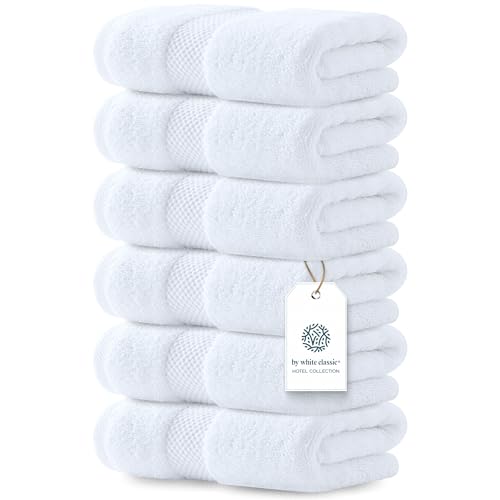
Best Holiday Hand Towels: What to Buy and What to Skip

Best Touchless Bathroom Sink Faucets: Types Compared and How to Choose
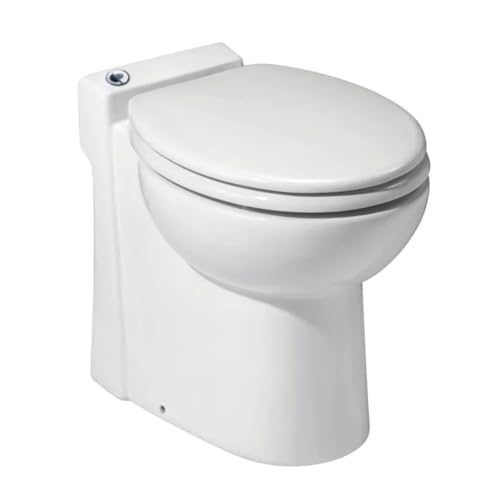
Best Water Saving Toilets for Home: A GPF Buying Guide

Best Towel Warmers: A Complete Buying Guide
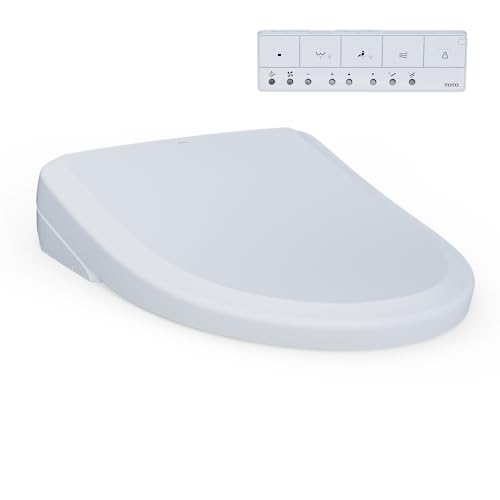
Best Toto Bidet Toilet Seat: A Buying Guide

Best Smart Showerheads: A Buying Guide for Your Home
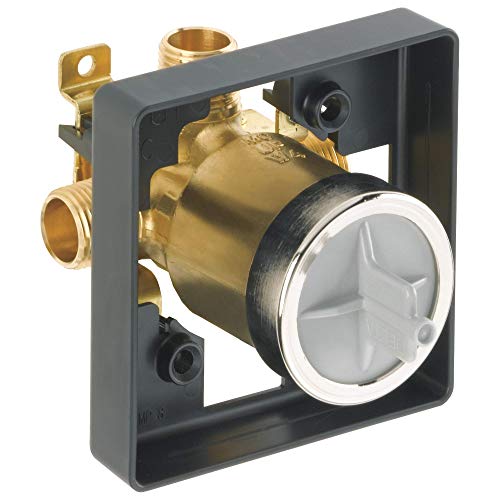
Best Shower Valve: A Complete Buying Guide

Best Semi-Frameless Shower Doors: A Complete Buying Guide

Best Roman Tub Faucet With Handshower: A Complete Buying Guide
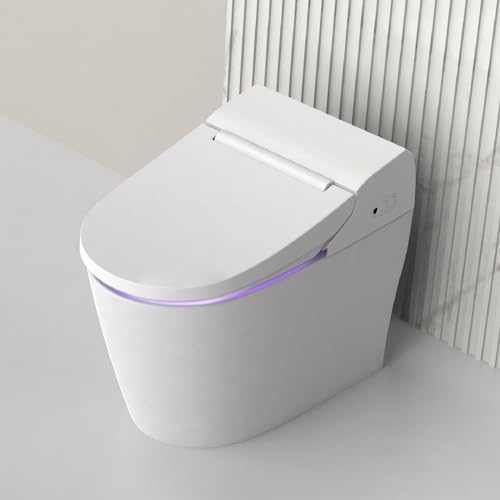
Best Rated Bidet Toilet Seat: Complete Buying Guide
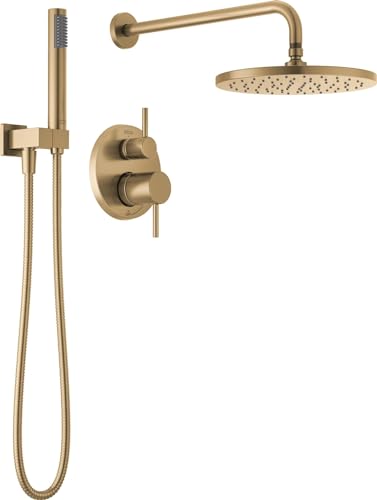
Best Rainfall Shower Head: A Complete Buying Guide

Best One Handle Bathroom Faucet: A Complete Buying Guide
Plan Around Water, Space, and Daily Routine
A bathroom upgrade works best when you start with the problem you want to solve. Weak water pressure, a cramped vanity, a toilet that runs, or a mirror with poor lighting each point to a different product. Note the rough in measurements before you shop: toilet rough in (most commonly 12 inches from the wall), faucet hole spacing, and shower valve type. These numbers decide what will fit without extra plumbing work.
Key Product Types and What to Check
Faucets and Showerheads
Match a sink faucet to your existing holes: single hole, 4 inch centerset, or 8 inch widespread. Ceramic disc cartridges generally outlast rubber washer designs. For showers, the U.S. federal limit is 2.5 gallons per minute, and many WaterSense labeled heads use 2.0 or less. If you like a spa feel, our guide to the rainfall shower head covers coverage, pressure, and mounting options.
Toilets and Bidet Seats
Modern toilets use 1.6 gallons per flush or less, and WaterSense models use 1.28 or lower. Look at bowl shape (elongated for comfort, round for small rooms), seat height, and flushing system. A bidet seat is an easy upgrade for many existing toilets, but heated models need a nearby GFCI outlet. Our water saving toilets guide explains GPF ratings in more detail.
Mirrors, Storage, and Comfort Extras
LED mirrors add even task lighting for shaving and makeup; check that any electrical product is rated for damp locations. Towel warmers come in plug in and hardwired versions, and hardwired units should be installed by a qualified electrician.
Common Mistakes When Buying Bathroom Products
- Ordering a faucet that does not match the sink's hole configuration.
- Forgetting finish consistency. Mixing brushed nickel, chrome, and matte black can look accidental unless planned.
- Choosing a shower door without measuring for out of plumb walls.
- Skipping ventilation. A good exhaust fan protects every other upgrade from moisture damage.
- Assuming every toilet seat fits: measure bolt spacing and bowl length first.
Smaller upgrades like showerheads or towel bars often cost under $100, while a quality faucet usually runs from about $100 to $400. Bigger pieces such as freestanding tubs or smart toilets cost much more, so price installation too. For tools and supplies for the job, browse the wider home improvement section.
Bathroom FAQ
What does WaterSense mean on a toilet or showerhead?
WaterSense is an EPA label for fixtures that use less water while meeting performance standards. For toilets that means 1.28 gallons per flush or less, and for showerheads 2.0 gallons per minute or less.
How do I know which bathroom faucet will fit my sink?
Count the holes in your sink or countertop and measure the distance between the outer ones. Single hole, 4 inch centerset, and 8 inch widespread are the most common setups, and many single hole faucets include a deck plate to cover extra holes.
Do bidet toilet seats fit any toilet?
Most bidet seats fit standard round or elongated bowls, but you should measure bowl length and bolt spacing first. Electric models also need a grounded GFCI outlet within reach of the power cord.
Are LED bathroom mirrors safe to use in a humid room?
They are when the mirror is rated for damp or wet locations and installed correctly. Hardwired units should go on a properly protected circuit, and hiring a licensed electrician is the safest route.
What is the standard toilet rough in size?
The most common rough in is 12 inches, measured from the finished wall to the center of the floor bolts. Some older homes have 10 or 14 inch rough ins, so measure before buying.