
Grills & Smokers
Find the best grills and smokers for every backyard cook, from gas and charcoal grills to pellet smokers and portable options. Our curated selection helps you choose equipment built for flavor and consistent results.
We review heat control, build quality, and ease of use to help you make the right choice. Compare options and take your outdoor cooking to the next level.
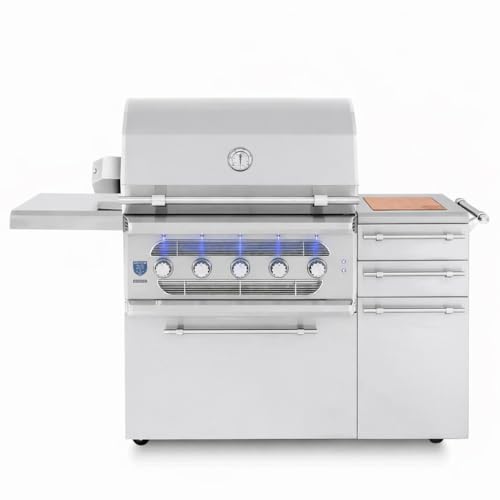
The Best Freestanding Gas Grills for 2026

Best Small Electric Smoker: A Complete Buying Guide
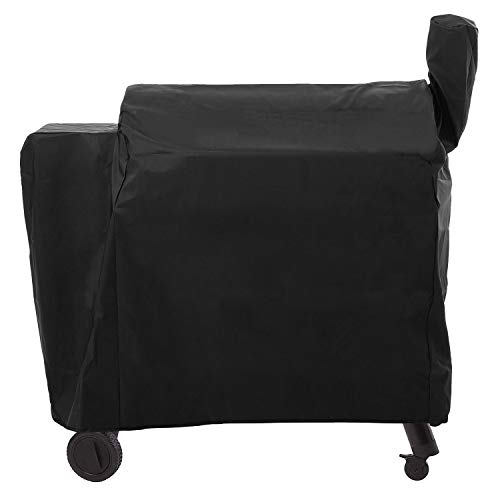
Best Pellet Grill Cover: A Complete Buying Guide
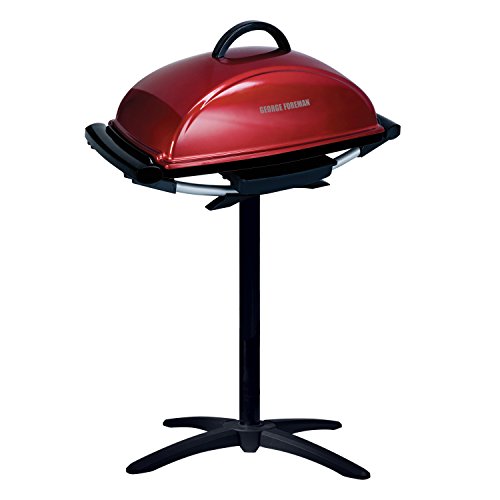
Best George Foreman Grill: A Complete Buying Guide
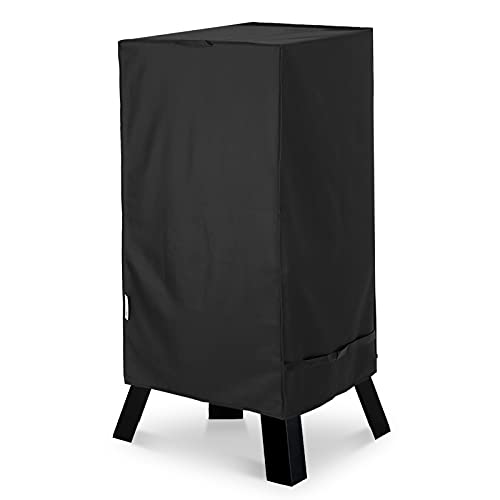
Best Gas Smoker Cover: A Complete Buying Guide

Best Camping Grills for Cooking Outdoors

Best Campfire Grill: A Complete Buying Guide
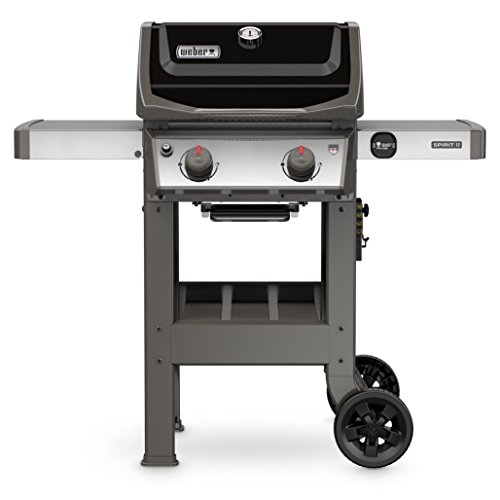
Best BBQ Grills Under $500: A Complete Buying Guide

Best BBQ Grill Under $1000: A Complete Buying Guide
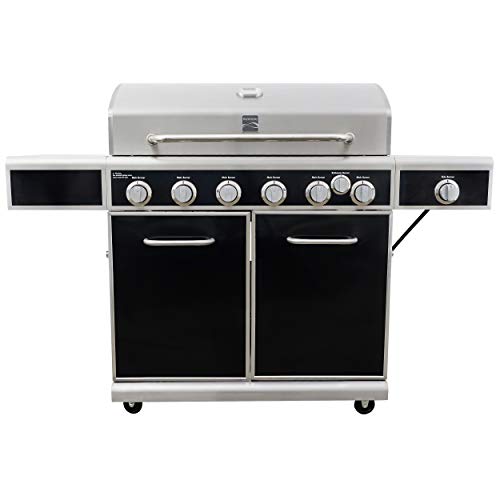
Best 6 Burner Gas Grill: A Buying Guide for Hosting at Scale
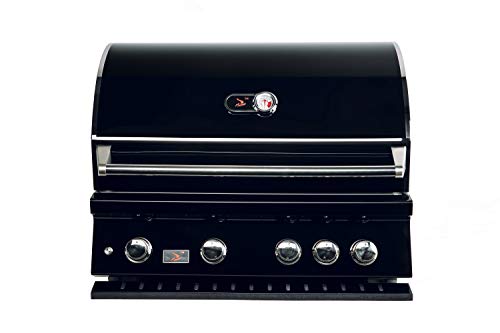
Best 4 Burner Gas Grills: What to Know Before You Buy
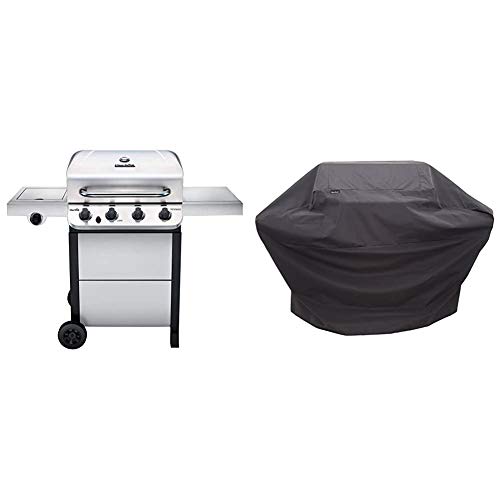
Best 3 Burner Gas Grills: A Complete Buying Guide
Choosing a Fuel Type
Fuel shapes everything about outdoor cooking: flavor, convenience, cleanup, and cost. Pick the fuel that fits how often you cook and how much hands-off time you want, then narrow down size and features.
- Gas grills light instantly and offer easy temperature control, ideal for weeknight burgers and chicken.
- Charcoal grills reach higher searing temperatures and add a smoky taste, but take longer to heat and clean.
- Pellet grills use a thermostat and auger to feed wood pellets, making low and slow smoking nearly automatic.
- Electric grills and smokers suit balconies and places where open flames are restricted.
- Portable grills fit camping, tailgating, and small patios.
Sizing a Gas Grill
Burner count is a quick guide to cooking area. Two burners suit couples and small spaces, three to four burners handle most families, and six burners make sense for frequent hosts. Compare our guides to 3 burner gas grills and 4 burner gas grills to see which fits your gatherings. Total BTUs matter less than even heat distribution and a lid that seals well.
Features Worth Paying For
- Heavy grates (cast iron or thick stainless) that hold heat for better sear marks.
- A built-in thermometer, plus a separate probe thermometer for accurate meat temps.
- Side burners or a sear station if you cook sides outdoors.
- Grease management that is easy to reach and empty.
- Sturdy wheels and a stable frame.
Most reliable full size gas grills cost from around $300 to $1,000, while pellet grills often start near $400. Our list of BBQ grills under $500 is helpful if you want solid value without extras you will not use.
Smoking Basics
Smoking relies on steady low heat, usually around 225 to 275°F, for several hours. Pellet and electric smokers hold temperature on their own, while charcoal smokers need more attention but reward you with deep flavor. Always cook meat to safe internal temperatures and check with a probe.
Protect Your Investment
A fitted cover protects against rain, UV, and pests. Clean grates after each cook and empty grease trays regularly to prevent flare ups. Our pellet grill cover guide explains materials that hold up outdoors.
Safety is simple but important: keep grills well away from siding, railings, and overhanging branches, and never use one inside a garage or enclosed porch.
Grills & Smokers FAQ
Is a pellet grill better than a gas grill?
Pellet grills excel at smoking and add wood flavor with little effort, while gas grills heat faster and are simpler for quick weeknight meals. Many people choose based on whether they smoke often.
How many burners do I need on a gas grill?
Two burners suit one or two people, three to four burners cover most families, and five or six burners work best for frequent entertaining or large cuts.
Can I use a grill on an apartment balcony?
Many buildings and local fire codes restrict charcoal and propane grills on balconies. Electric grills are often allowed, but check your lease and local rules first.
How often should I clean my grill?
Brush the grates after each use and empty the grease tray regularly. A deeper clean of burners and the firebox every few months helps prevent flare ups and uneven heating.
What temperature is best for smoking meat?
Most smoking happens between about 225 and 275°F. Use a probe thermometer to confirm the meat reaches a safe internal temperature before serving.