Best Commercial Air Purifiers: 2026 Business Guide
Disclosure: We may earn a commission when you buy through links on this page, at no extra cost to you. As an Amazon Associate I earn from qualifying purchases. Learn more

Choose the best commercial air purifiers by room size, filtration and noise, with sizing and filter cost tips for offices, clinics and gyms.
Offices, clinics, gyms, and restaurants need cleaner air across larger spaces than any home purifier can handle. The best commercial air purifiers match room size, occupancy, and pollutant type while running quietly through business hours. This guide explains sizing, filtration, and running costs so you can specify the right units.
Commercial purifiers differ from home units in airflow, filter size, and duty cycle, since they run all day in busy spaces. Undersized units look cheap but fail to clean the air, while oversized units waste energy and floor space. The comparison table below outlines the main types, and the sections that follow explain how to size and maintain them.




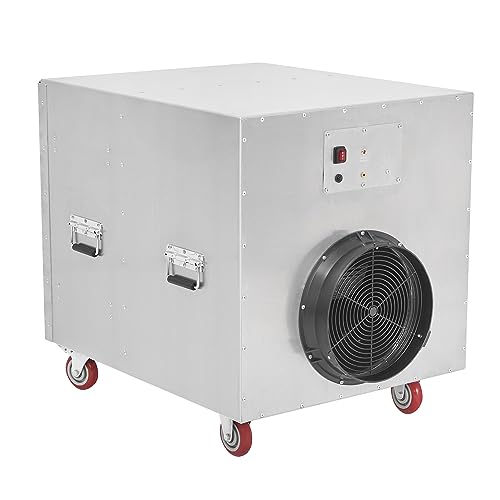
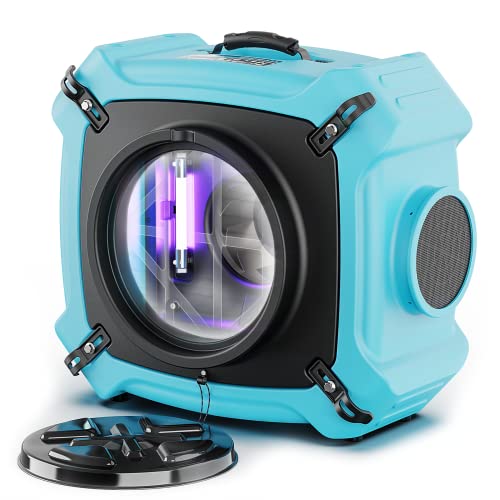
Who Should Buy the Best Commercial Air Purifiers
Offices and clinics
Offices and clinics need quiet, high airflow units with true HEPA filtration for dust, allergens, and airborne particles. Wall mounted or large floor units suit open plans and waiting rooms. Check noise at working fan speeds, since a loud unit gets switched off and helps nobody.
Gyms, salons, and restaurants
High occupancy spaces need rugged units with washable pre filters and high dust holding capacity. Odor control matters in salons and restaurants, where carbon filters help with smells. Choose units with locked settings or simple controls so visitors cannot switch them off accidentally.
Key Features to Compare
Clean air delivery rate and room size
Clean air delivery rate, or CADR, tells you how much clean air a unit delivers for smoke, dust, and pollen. Size units for four to five air changes per hour in busy commercial spaces, using the maker room size guide for your ceiling height. One large unit rarely covers two rooms, so plan per room rather than per building.
Filtration stages
True HEPA filters capture fine particles, while activated carbon adsorbs odors and gases. Pre filters catch hair and large dust, extending HEPA life. Avoid ionizers that produce ozone, and confirm filter replacement intervals and costs before buying, since commercial filters run dearer than home ones.
Noise, energy, and controls
Check noise in decibels at the fan speed you will actually use, not just on low. Energy use matters for all day operation, so look for efficient motors and scheduling features. Remote monitoring, filter alerts, and tamper resistant controls help facility teams manage many units.
Price Tiers and What They Deliver
Units around $300 to $700 usually cover single large rooms with solid HEPA filtration. Units around $700 to $1,500 add higher airflow, quieter operation, and better monitoring for busy spaces. Units above $1,500 bring industrial airflow, ducted options, or multi room coverage for large facilities.
Living With Your Choice Day to Day
Replace pre filters often in dusty spaces, track HEPA life per unit, and keep intakes clear of furniture and curtains. Train cleaning staff to wipe exteriors and report unusual noises or odors promptly. Never block a purifier with boxes or curtains, and have electrical faults checked rather than running a damaged unit.
Related Guides Worth Reading
For nearby options, compare best air cleaners and purifiers, best home air purifiers, best air cleaners and best air purifiers hepa.
A Final Check Before You Order
Measure each room separately, including ceiling height, doorways, and partitions that block airflow, since one large open plan rating rarely covers divided spaces. Count occupants at peak times, since crowded rooms need more air changes than empty ones. Note pollutant sources such as printers, cooking, or nearby traffic, since they affect filter choice. Room by room sizing prevents the common error of one undersized unit serving several rooms badly.
Try a unit in your busiest room for a week, checking noise at working fan speeds, dust levels, and staff reactions. Marketing noise ratings often quote the lowest setting, while real use needs medium or high speeds. Ask staff whether the unit distracts work or gets switched off, since a silenced purifier cleans nothing. Feedback from real users beats showroom impressions.
Price filters over a full year for your dust load, including pre filters, HEPA filters, and carbon filters at realistic intervals. Dusty or odor heavy spaces consume filters faster than maker estimates, so budget generously. Compare filter availability and delivery times, since a unit awaiting filters leaves a room unprotected. Yearly filter math often changes which unit makes the most financial sense.
Plan maintenance ownership clearly, naming who checks filters, wipes exteriors, and logs changes for each unit. A simple log and scheduled reminders keep many units consistent, and a small sign beside each purifier asking visitors not to switch it off prevents well meaning tampering.
Mistakes Worth Avoiding
Do not size purifiers by floor area alone, since ceiling height and occupancy change air volume dramatically. A high ceiling room needs far more airflow than a low ceiling room of the same footprint. Use room volume and target air changes per hour, rounding up for crowded spaces. Volume based sizing prevents the disappointment of a unit that looks adequate on paper but underperforms in practice.
Do not block purifier intakes with furniture, curtains, or storage boxes, since blocked airflow cuts cleaning performance sharply. Keep clear space around intakes and outlets, and check placements after room rearrangements. Staff sometimes push units into corners for tidiness, unknowingly strangling them. Clear airflow is free performance that placement alone can destroy.
Do not ignore filter change alerts, since clogged filters cut airflow, raise energy use, and strain motors. A purifier with a saturated filter cleans less air while consuming more power, which wastes money twice. Log changes and keep spare filters on site, so replacements happen promptly. Filter discipline separates effective air cleaning from expensive decoration.
Frequently Asked Questions
How do I size a commercial air purifier?
Start with room volume, including ceiling height, and target four to five air changes per hour for busy spaces. Use the maker CADR rating and room size guide, then round up when occupancy is high or ceilings are tall. Size per room, since hallways and doors block airflow. When in doubt, two medium units often beat one large unit for even coverage.
HEPA or carbon filters for commercial use?
HEPA filters capture fine particles such as dust, pollen, and airborne microbes. Carbon filters adsorb odors and gases but do not replace HEPA for particles. Most commercial spaces need both stages, with pre filters protecting the expensive HEPA stage. Replace carbon more often in odor heavy spaces, since saturated carbon stops working.
How often do commercial filters need changing?
Pre filters may need monthly cleaning or replacement in dusty, high traffic spaces. HEPA filters often last six to twelve months commercially, depending on hours and particle load. Carbon filters may last three to six months where odors are strong. Track changes per unit and follow maker guidance, since clogged filters cut airflow and waste energy.
Are commercial purifiers noisy?
Noise varies widely, from quiet background hum to intrusive fan roar at high speed. Check decibel ratings at medium and high speeds, since marketing often quotes only the lowest setting. Larger units running at medium speed often sound quieter than small units straining at maximum. Try one unit in your space before committing to many.
Do air purifiers replace ventilation?
Purifiers clean recirculated air but do not bring in fresh outdoor air or remove carbon dioxide. Good ventilation remains essential for healthy indoor air, especially in crowded rooms. Use purifiers alongside ventilation, not instead of it. In spaces with poor ventilation, seek professional advice on improving airflow; open windows when weather allows, and let purifiers clean the air that ventilation alone cannot refresh.
Final Thoughts
Size per room for four to five air changes per hour, price filters over a year, and check noise at working speeds. The product table above can narrow the types, but a trial in your busiest room tells the truth. Clean air only helps when units run, so quiet and easy maintenance matter most.
Measure twice, compare the running costs honestly, and your best commercial air purifiers choice should serve you well for a long time.