
Best 35 Pint Dehumidifiers (2026): Capacity, Drainage and Noise
Disclosure: We may earn a commission when you buy through links on this page, at no extra cost to you. As an Amazon Associate I earn from qualifying purchases. Learn more

Choose the best 35 pint dehumidifier with advice on drainage, energy use, controls and placement.
A damp room rarely fixes itself. Windows fog, laundry dries slowly, and a musty smell settles into stored clothing and books. If those signs show up in a basement, apartment, or large bedroom, the best 35 pint dehumidifier for your space can pull enough moisture each day to restore a comfortable humidity level without the bulk of a larger unit.
This guide compares types, drainage options, energy use, and noise so you can match a model to your room. Use the comparison table below to check coverage, tank size, and key features before you read the detailed buying advice.
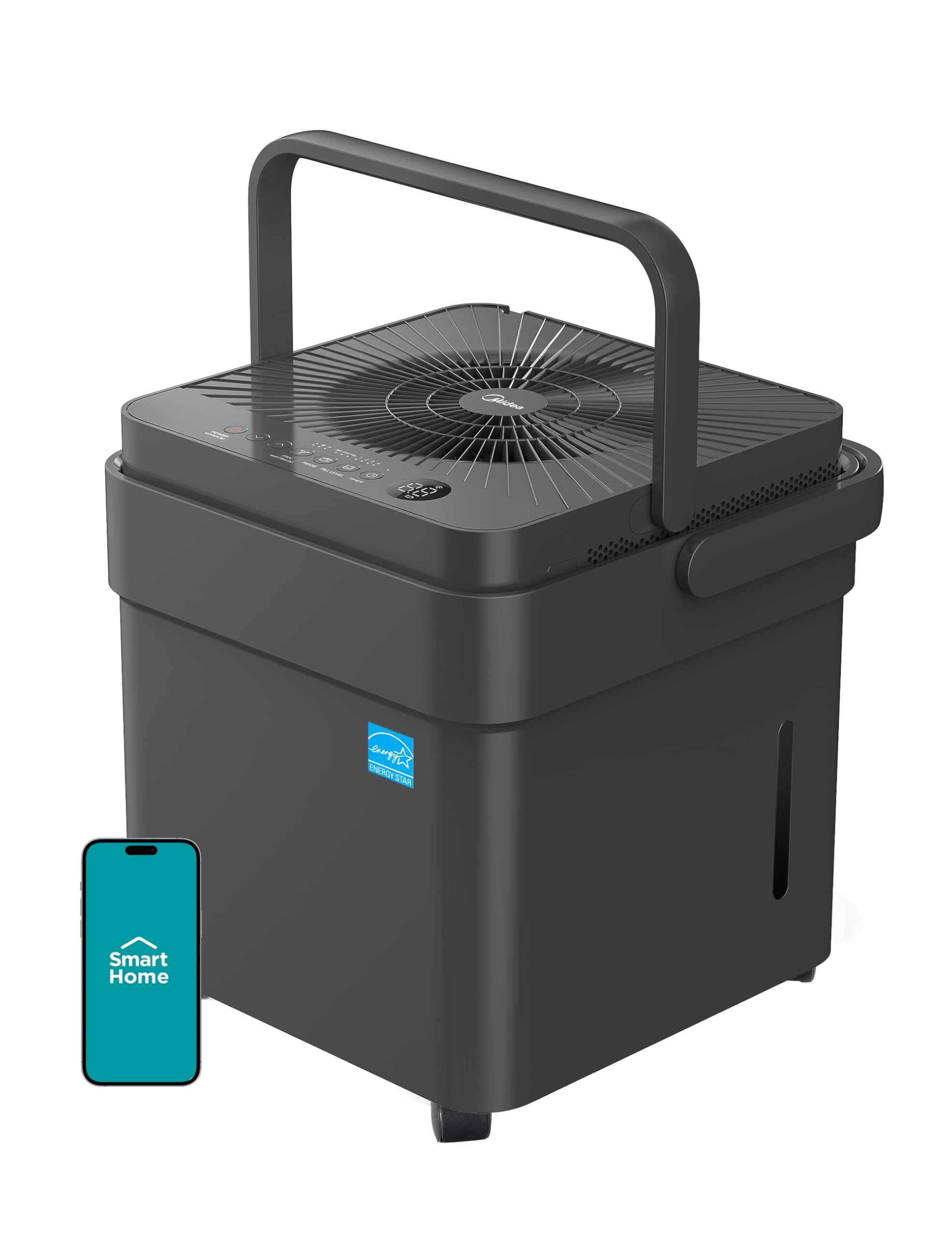
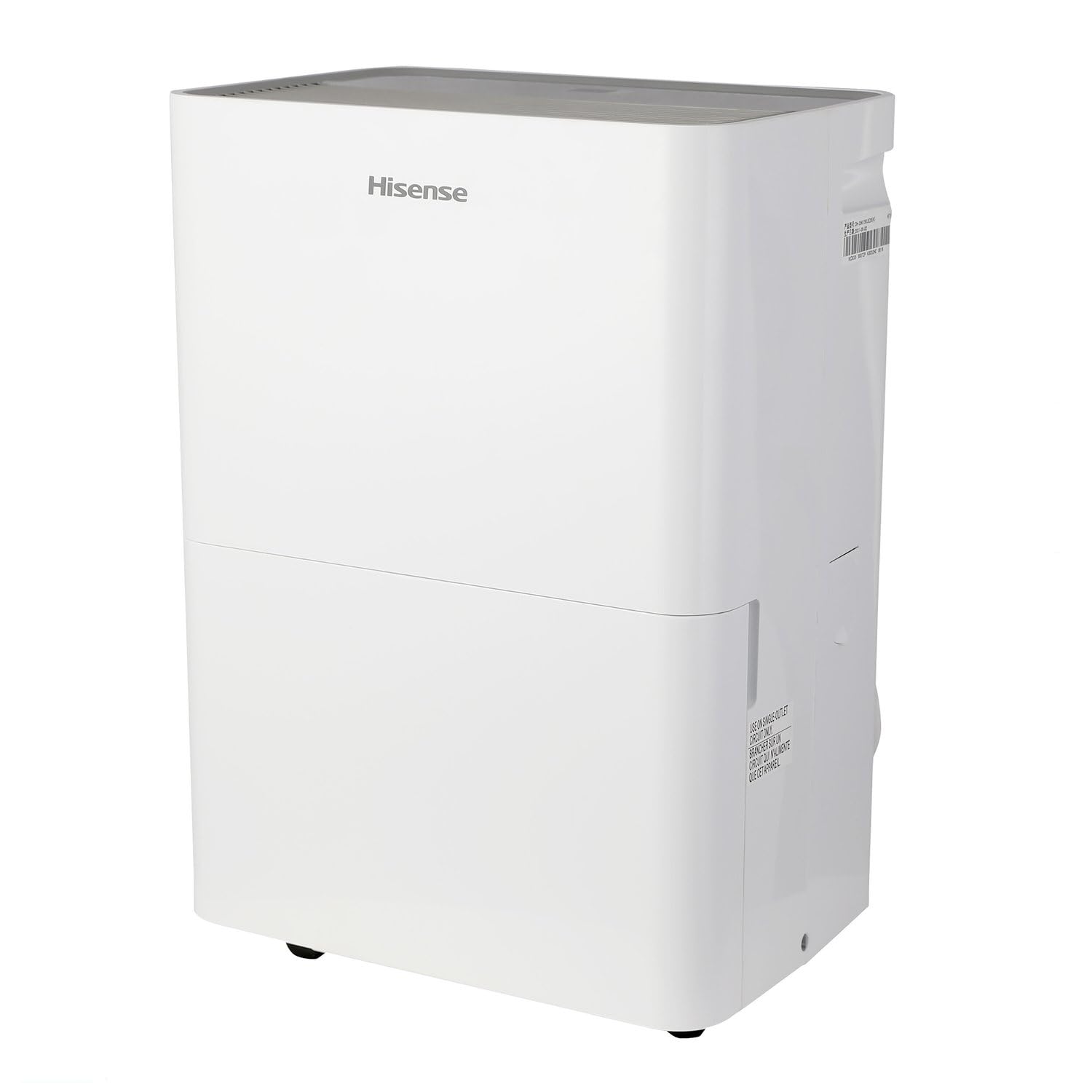

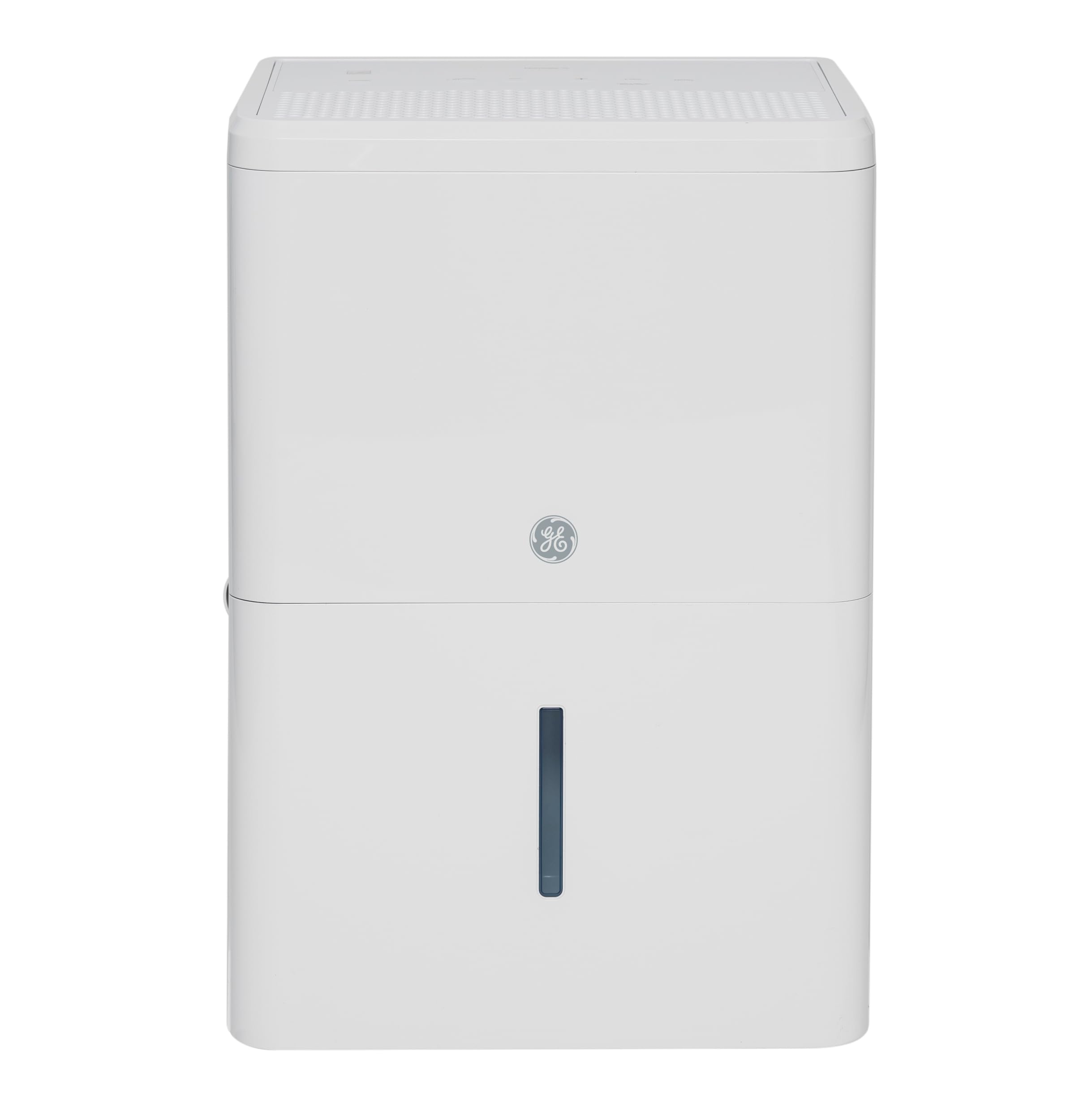
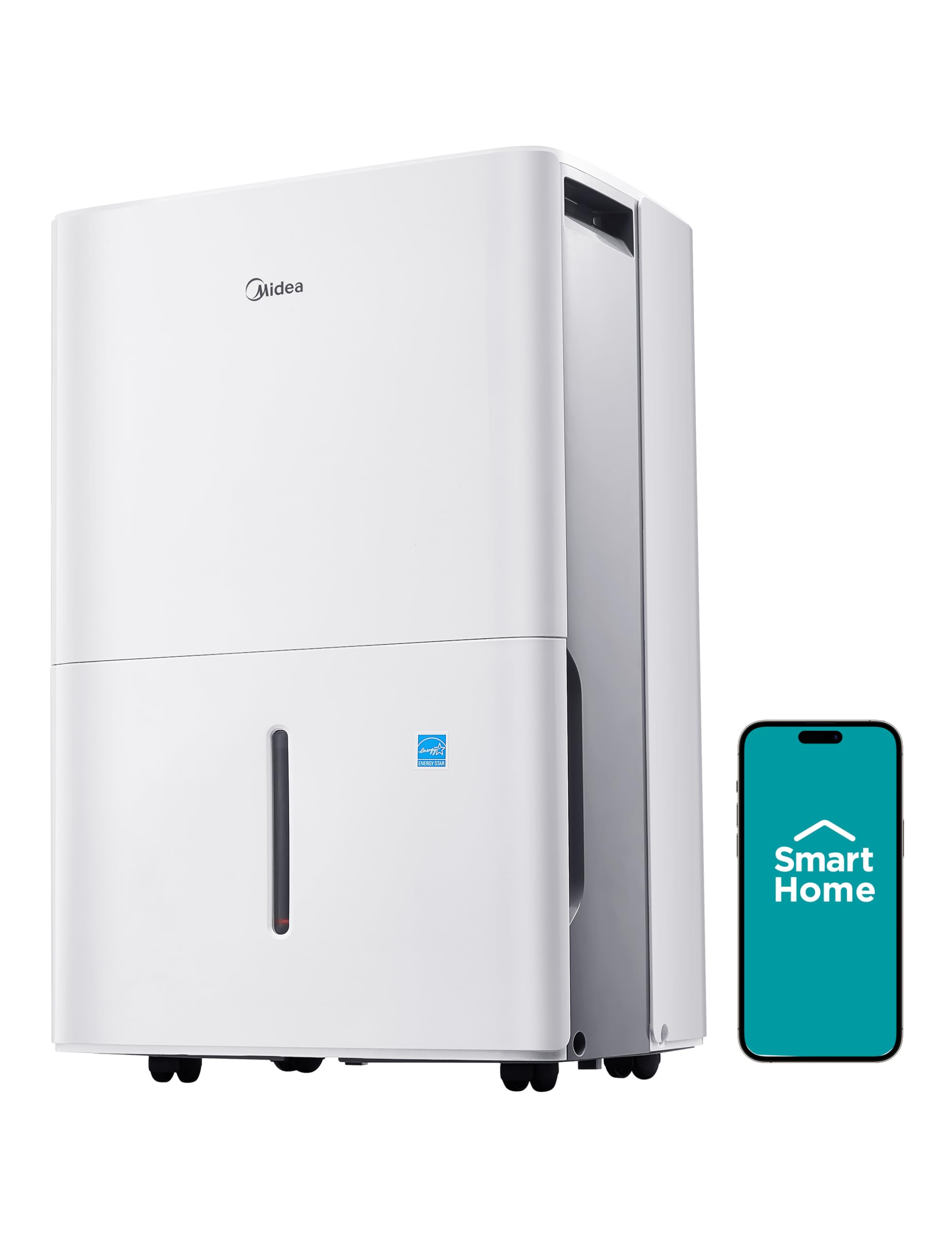

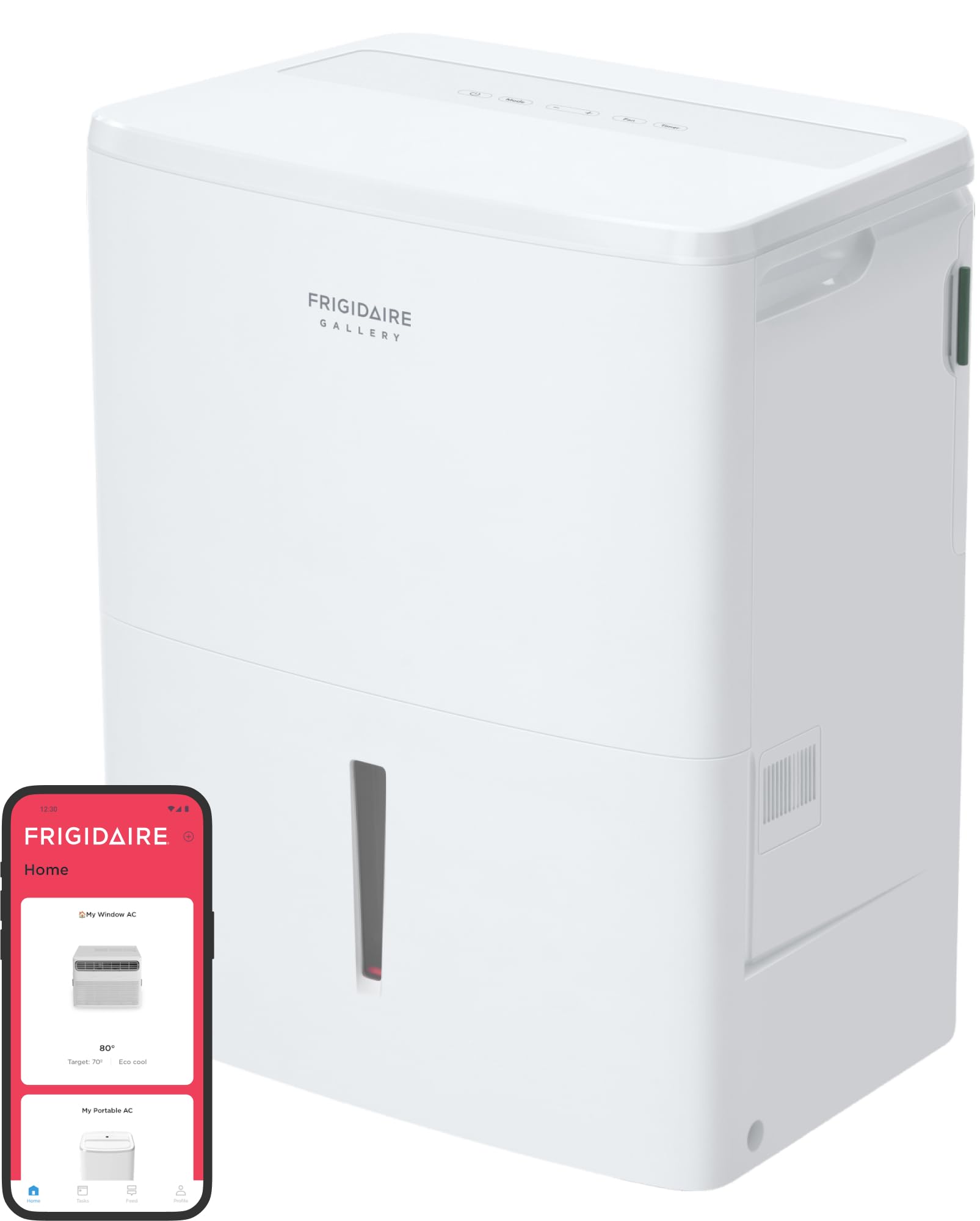
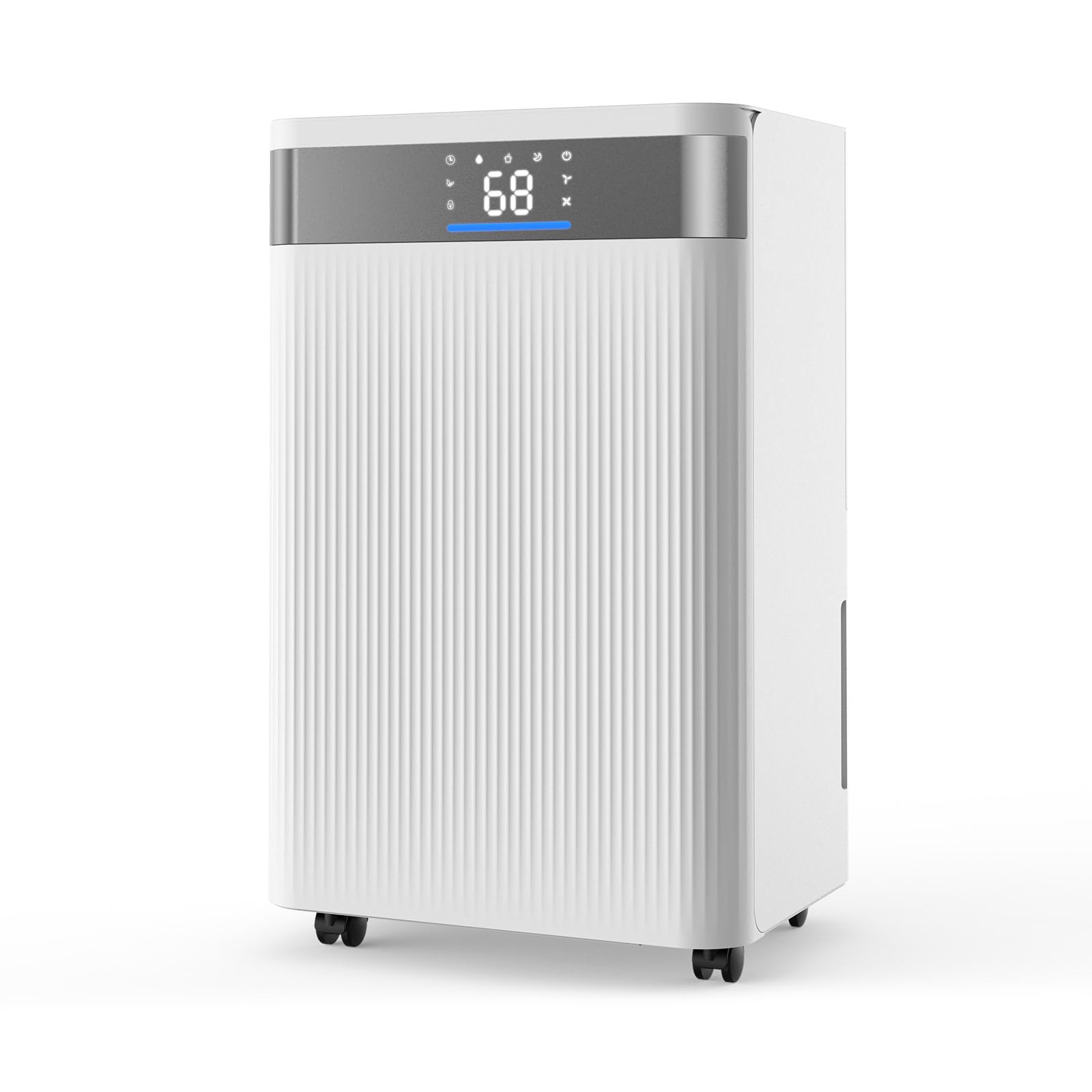
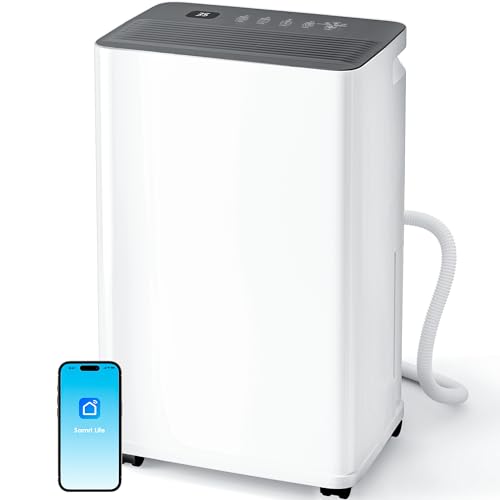
Who Should Buy a 35 Pint Dehumidifier?
Basement owners dealing with moderate dampness
You are a strong match if your basement feels clammy in summer, cardboard boxes soften over time, or a hygrometer often reads above 50 percent. A 35 pint model suits a moderately damp basement with no standing water. Place it near the dampest wall, keep inside doors open for air movement, and plan drainage first, since the tank can fill quickly during humid weeks.
Apartment and condo residents with one problem area
You may not need to dry an entire home. Many renters run a unit in a laundry corner, a large bedroom, or an open living area where cooking and showers raise humidity. This size gives real capacity without taking the floor space of a 50 pint model. Casters and a top handle matter here, since you will likely move the unit between rooms as seasons change.
Homeowners who want a step up from a small unit
A compact bathroom model can help after a shower, yet it often cannot keep up with a whole floor. If your small unit runs all day and humidity barely moves, stepping up to 35 pints adds removal capacity and a larger tank. That means fewer emptying trips, steadier control during humid spells, and a proper humidistat, which small units sometimes lack or control poorly.
Types of 35 Pint Dehumidifiers to Compare
Standard compressor models
Most 35 pint units use a compressor and a fan to draw air across cold coils, where moisture condenses and drips into a tank or drain. They work best in warm rooms and give the strongest removal rate for the price. They do produce some heat and fan noise, and the coils can frost in a cold basement, so check the stated operating range before you buy.
Models with a built in pump
A built in pump pushes collected water upward to a sink or out a window, which helps when no floor drain sits nearby. This type suits finished basements and laundry rooms where lifting a heavy tank would be awkward. Pump models cost more and add one more part to maintain, so choose one only when gravity drainage will not work for your layout.
Smart models with WiFi controls
Smart models connect to an app through WiFi so you can check humidity, change the target setting, and get a full tank alert from another room. That remote view helps if the unit runs in a basement or a vacation home. You still need a drainage plan, since an app cannot empty a tank.
Key Features to Compare
Coverage and room conditions
Coverage claims assume a certain level of dampness, so the same unit covers less area in a very wet room than in a mildly damp one. A 35 pint model is often rated for spaces up to about 2,500 to 3,000 square feet under moderate conditions, yet a wet basement may need that capacity for a much smaller footprint. Frequent seepage and unsealed floors raise the load, and fixing the water source matters more than buying capacity alone.
Drainage options and tank size
Every model offers a removable tank, and most add a hose connection for continuous drainage. Tank size in this class holds far less than a full day of removal in humid weather, so the unit shuts off when the tank fills unless you use a hose. Measure the route to your drain before you buy. A short, downward sloping hose run is the simplest setup.
Energy use and running cost
Look for the Energy Star label and compare the energy factor, which shows how many liters of water a unit removes for each kilowatt hour of electricity. A more efficient model can run many hours a day through summer, so small efficiency gaps add up on your bill. Size also affects cost, since an undersized unit runs almost nonstop. Matching capacity to your room is the most reliable way to control energy use over a full season.
Noise level for living spaces
Manufacturers list noise in decibels, and 35 pint models vary widely with fan speed. The quieter end is easy to live with in a basement or laundry room, but it can distract in a bedroom or a home office. A lower fan setting quiets the unit, though it may slow drying slightly. If the unit will sit near where you sleep or work, weigh the lowest noise rating heavily.
Humidistat, timers, and automatic controls
An adjustable humidistat lets you set a target relative humidity, and the unit cycles to hold it. Aim for about 30 to 50 percent indoors, adjusting within that range for comfort and season. Useful controls include a delay timer, automatic restart after a power outage, and a full tank shutoff. Automatic defrost also matters in cooler rooms, since frost on the coils blocks airflow and cuts removal until it melts.
Filters, tanks, and routine upkeep
A washable air filter traps dust before it reaches the coils, and keeping it clean protects both airflow and efficiency. Choose a model with a filter you can reach without tools and a tank with a handle and a splash guard, since you may carry it to a sink often. Smooth tank surfaces rinse clean more easily, which reduces the slimy film that can build up in standing water.
Is a 35 Pint Dehumidifier the Right Size for You?
The pint rating states how much moisture a unit can remove in one day under standard rating conditions. It does not describe tank size, which confuses many buyers. A 35 pint unit sits in the middle of the home range. A 30 pint model suits smaller or mildly damp spaces, while a 50 pint model handles larger, wetter basements and dries air faster after a leak. Match those facts to your room, and the best 35 pint dehumidifier becomes easy to spot.
Think about how the room behaves, not just its measurements. A below grade room with bare concrete, a sump pit, or laundry equipment adds moisture that an above grade room of the same size does not. Open floor plans let one unit serve more area, while closed doors divide the load. A closed and very wet room may need its own larger unit.
Placement shapes results as much as capacity does. Leave space around the intake and exhaust, usually at least 8 to 12 inches, and keep the unit away from furniture that blocks airflow. Set it on a level floor so the tank sensor reads correctly. If humidity stays high after several days of steady running, check for a water source first.
Common Mistakes to Avoid
- Buying by square footage alone, since a very wet small basement can need more capacity than a mildly damp large room.
- Confusing the pint rating with tank size, which leads to surprise when a small tank fills and the unit shuts off.
- Placing the unit in a corner with blocked airflow, so it dries the air near itself and leaves the rest of the room damp.
- Setting the target humidity far too low, which wastes electricity and can make indoor air feel uncomfortably dry.
- Running a standard model in a cold room without checking its operating range, so frost builds on the coils and removal drops.
- Ignoring a leak or seepage problem, since no home dehumidifier can keep up with water that keeps entering the space.
How to Make Your Dehumidifier Last Longer
Rinse or vacuum the air filter about every two weeks during heavy use, and let it dry fully before you reinstall it. Dust packed coils force the fan and compressor to work harder, so a clean filter is the simplest protection you can give the unit. Check the manual for the interval your model needs. Never run the unit without its filter in place.
Wash the tank with mild soap and water whenever you see film or smell stale water, and dry it before long storage. Inspect the drain hose for kinks, clogs, and algae growth, and flush it if flow slows. Wipe dust from the intake and exhaust grilles with a soft cloth. At the end of the season, drain all water, clean the filter and tank, and store the unit upright in a dry place.
Revisit the room itself each season. Clear stored items away from walls so air can circulate, and confirm that gutters and grading still move rain away from the foundation. For broader guidance, see our guide to the best dehumidifier options for different rooms and budgets.
FAQ
What size dehumidifier do I need for a basement?
Start with both area and dampness. A moderately damp basement of about 1,000 to 1,500 square feet often fits a 35 pint model, while a wetter or larger space may need 50 pints. To understand target levels before you size a unit, read our explanation of what humidity should a basement be for a clear range. If your basement has seepage after rain, address that water first.
Can a 35 pint dehumidifier work in a bedroom?
Yes, if you accept some fan sound and have floor space for a midsize unit. Many people run the unit during the day and lower the fan or switch it off at night, letting the drier air carry through sleep hours. For rooms where quiet matters most, compare the options in our guide to the best dehumidifier for bedroom use before you decide. A smaller bedroom with only mild dampness may not need 35 pints.
Should you choose a dehumidifier or an air conditioner for humidity?
The two appliances solve different problems. An air conditioner cools air and removes some moisture as a side effect, while a dehumidifier targets moisture without cooling the room much. In a cool basement that feels damp, added cooling can make the space feel worse. Our comparison of dehumidifier vs air conditioner explains when each one makes sense. Many homes use both, each in the room where it fits best.
How long should a 35 pint dehumidifier run each day?
There is no fixed schedule, since run time depends on how fast moisture enters the room. In a humid week the unit may run most of the day, while in dry weather it may cycle for only a few hours. Let the humidistat control it rather than a clock, and check the reading at the same time each day for the first week. A steady reading near your target means the setup is working.
What is the best placement for a dehumidifier in a finished basement?
Place it near the dampest zone but not flush against a wall, and keep it close enough to a drain that a hose run stays short. Finished basements add a catch, since carpet and drywall can hide slow moisture problems behind furniture. Pull large pieces a few inches from outside walls so air reaches those surfaces. If one corner stays damp, move the unit there for a few days and compare readings.
Final Thoughts
A 35 pint unit earns its place when a small model falls short and a large model feels like too much for the room. Match capacity to dampness, choose drainage you will actually maintain, and weigh noise and energy use for the space where the unit will live. Readers focused on below grade rooms can also compare the picks in our guide to the best dehumidifier for basement use for wetter conditions.
Before you order, measure your drainage route, note your typical humidity readings, and review the product table above one more time. When those basics line up, the best 35 pint dehumidifier for your home should hold a steady, comfortable humidity level with little day to day attention from you.


