Best Cold Climate Mini Splits: Ratings, Sizing and Winter Planning for 2026
Disclosure: We may earn a commission when you buy through links on this page, at no extra cost to you. As an Amazon Associate I earn from qualifying purchases. Learn more

Check low temperature ratings, sizing, defrost design and backup heat to pick the best cold climate mini split for a northern winter.
A standard mini split can lose much of its heating strength on the coldest nights, right when you need it most. Choosing the best cold climate mini split means looking past the headline cooling rating and checking how much heat the system still delivers when outdoor air turns bitter. This guide walks you through the types, ratings, and features that matter in a northern winter.
You will learn how sizing changes when heating is the main job, why defrost and drainage deserve attention, and when a backup heat source still makes sense. Use the product table to line up capacities and ratings, and see our overview of the best mini split options if your climate is milder and heating demands are lighter.




Three Types to Compare at a Glance
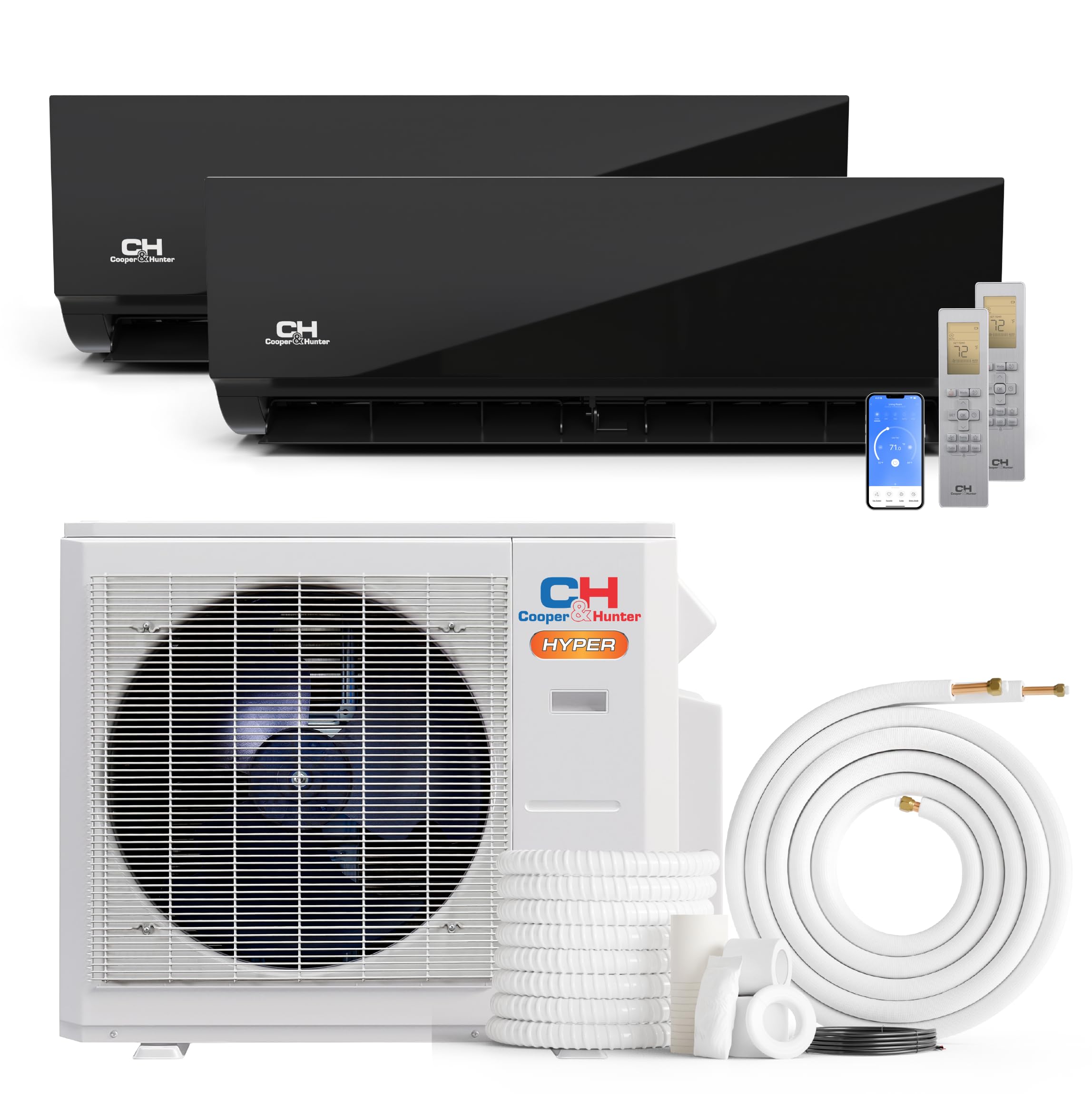
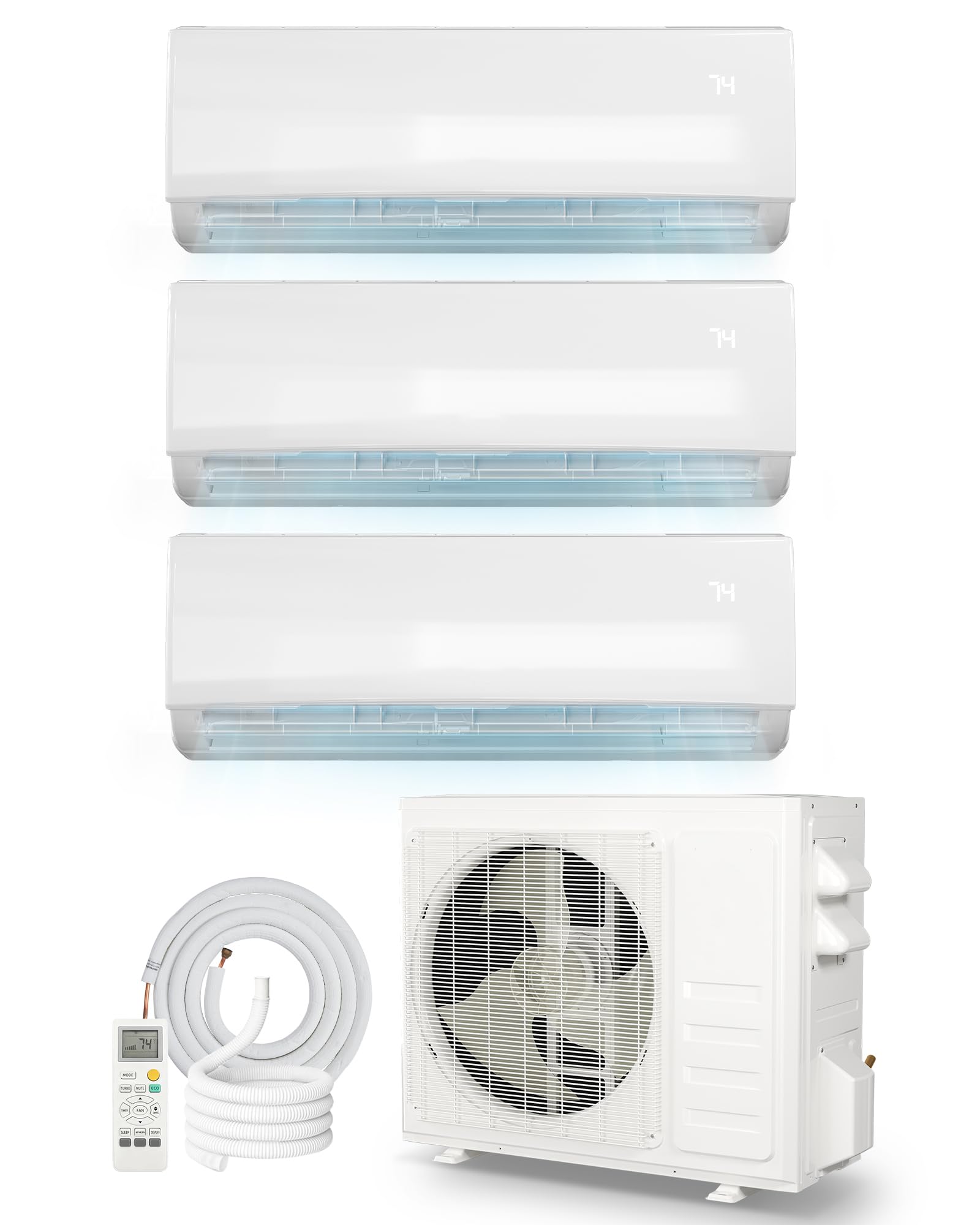
Cold climate systems fall into three broad types, and the right one depends on how many rooms you heat and how the work will be installed. None of these types is better in every home, so match the format to your layout first and then compare low temperature ratings within that type.
- Single zone systems pair one outdoor unit with one indoor unit. They suit a bedroom, an addition, or an open living area, and they give that room its own temperature control without affecting the rest of the house.
- Multi zone systems connect several indoor units to one outdoor unit. They fit whole home projects where rooms need separate settings, though total capacity must be shared sensibly across zones.
- Do it yourself systems ship with factory charged line sets that simplify installation for confident homeowners. Our guide to the best diy mini split explains where this route works well and where a licensed installer is the safer choice.
How to Evaluate Cold Climate Models
Start with the heating data on the spec sheet, not the marketing label. Look for the lowest outdoor temperature at which the unit still heats, the heating capacity listed at that temperature, the efficiency ratings for heating and cooling, and the sound rating at low fan speed. Then check the defrost description, the warranty terms, and whether local installers service the brand, since support near your home matters on the coldest week of the year.
How to Choose the Right Mini Split
Size and Form Factor
Common sizes run from 9000 BTU to 36000 BTU, with 12000 BTU and 18000 BTU units covering many single rooms and 24000 BTU units suiting larger open areas. In a cold climate, size for the heating load rather than the summer load, because an undersized system will lean on costly backup heat. If you are unsure where your room falls, our sizing guide on what size mini split do i need walks through the room measurements that drive the calculation.
Type and Heating Design
Every cold climate model is a heat pump with an inverter compressor that adjusts speed instead of switching fully on and off, which keeps temperatures steadier and avoids wasteful restarts. Some designs add stronger compressor technology that sustains heat output deeper into winter, a category covered in our guide to the best heat pump mini split. Check the electrical requirement as well, since smaller units may run on 115 volt service while larger ones need 230 volt service, and choose between wall mount, floor mount, and ceiling cassette indoor units based on wall space and airflow paths.
Features Worth Paying For
A base pan heater is worth the money in snowy regions, since it melts defrost water in the outdoor unit before that water can freeze and block drainage. WiFi control helps you warm a room before you get home and watch for error alerts while traveling. Factory charged line sets shorten installation on compatible models, and a generous parts warranty protects the compressor, which is the most expensive component to replace. Decorative remotes and extra airflow modes add little, so spend on the cold weather hardware first.
Room Size and Coverage Ratings
Coverage figures assume average ceiling height, decent insulation, and a moderate climate, so treat the printed square foot range as a starting point only. A drafty room with tall ceilings, large north facing windows, or an exposed corner position can need notably more capacity than the same area in a sheltered, well insulated house. In northern homes, ask the installer to run a proper heating load calculation that accounts for your local winter design temperature, rather than relying on a generic chart.
Running Cost and Energy Use
Heating efficiency ratings tell you how much heat the system moves for each unit of electricity it uses, and higher ratings mean lower bills across a long winter. Costs still rise as outdoor temperatures fall, because the compressor works harder and backup heat may join in on the coldest nights. Sealing drafts and adding insulation often cut running costs more cheaply than buying a larger unit, and a programmable schedule that eases temperatures back while you sleep or work trims use further without sacrificing comfort.
Noise Levels for Bedrooms
For a bedroom or a nursery, compare the sound rating at the lowest fan speed, since that is the setting the unit will hold overnight. A quiet mode that slows the fan and softens airflow matters more than the rating at full power, which you will rarely use at night. Place the outdoor unit away from bedroom windows and off a shared wall where possible, and mount it on a solid base, because vibration through a light deck or siding can travel indoors even when the unit itself measures quiet.
Filters and Maintenance
Most indoor units use washable mesh filters that slide out for rinsing, and keeping them clean protects airflow and heating output through the season. The outdoor coil also needs clearance from leaves, lint, and drifting snow so air can move freely. Beyond these basics, our step by step guide on how to clean a mini split covers the deeper cleaning of the indoor coil and blower that many owners schedule once a year.
How Much Should You Spend?
Equipment under $700 usually means a small single zone unit with a modest low temperature rating, which can suit a mild shoulder season role but rarely a full northern winter. About $700 to $1500 buys stronger cold climate single zone systems with better heating ratings and longer warranties. About $1500 to $3000 covers multi zone setups and premium cold climate designs. Budget separately for installation, electrical work, and a wall bracket or ground pad, since those costs can rival the equipment price on complex jobs.
Cold Climate Models Compared With Standard Mini Splits
A standard mini split is built for cooling first, and its heating output fades quickly once outdoor air drops well below freezing. A cold climate model uses a stronger compressor cycle and smarter defrost control to keep delivering useful heat far deeper into winter, which is the entire reason for the category. If you are weighing this against a whole home ducted system, our comparison of mini split vs central air lays out the cost and comfort tradeoffs of each route.
- Advantage: usable heat at outdoor temperatures where standard models shut down or lean heavily on backup heat.
- Advantage: room by room control, so you heat the spaces you use and ease back the rest.
- Advantage: no duct losses, which matters in older homes where ducts run through cold attics or crawl spaces.
- Drawback: higher purchase price than a standard model of the same size, plus a more demanding installation.
- Drawback: output still declines on the very coldest nights, so most northern homes keep some form of backup heat.
Planning for Defrost, Snow, and Backup Heat
In heating mode the outdoor coil collects frost, and the system periodically reverses briefly to melt it. During that defrost pause, indoor air may feel cooler for a few minutes, which is normal behavior rather than a fault. What matters is where the melt water goes. The outdoor unit needs a clear drainage path that will not refreeze across a walkway, and in heavy snow country it should sit on a raised stand so drifts and ice buildup stay below the coil.
Backup heat deserves a decision before installation day. Many homeowners keep an existing furnace, boiler, or electric baseboard as a secondary source for the few nights when temperatures plunge past the mini split comfort range. Others choose a cold climate unit with built in electric auxiliary heat. Either plan works, but choosing in advance lets the installer wire controls correctly and set the changeover temperature so the two systems cooperate instead of competing.
Outdoor placement shapes winter performance as much as the model itself. A spot sheltered from prevailing wind reduces frost buildup, while open clearance on all sides keeps airflow strong and gives the service technician room to work. Avoid placing the unit under a roof edge where sliding snow or dripping melt water can fall onto it, and keep shrubs trimmed back so autumn leaves do not pack against the coil before winter arrives.
FAQ
What is the best cold climate mini split?
The best choice is the model whose heating capacity at your local winter low temperature still covers your room load, not the model with the biggest headline BTU figure. Check the capacity listed at the coldest rating point, confirm a base pan heater is included, and favor brands with installer support in your area. A slightly smaller unit with strong low temperature output often heats better than a larger standard design.
Are cold climate mini splits worth it?
They are worth it when winter heating is a primary job and your alternative is electric resistance heat or an aging fuel system running at high cost. The premium over a standard model buys heating capacity you will actually use for months each year. In a home where the mini split only cools in summer and a good furnace handles winter, the extra cold weather hardware adds cost without a matching benefit.
How long does a mini split last?
A well installed system commonly serves for about 15 to 20 years, and outdoor units in harsh winter regions sit at the lower end when snow, ice, and road salt exposure go unmanaged. Lifespan depends heavily on installation quality, correct refrigerant charge, and keeping coils and drains clear. Registering the warranty on time matters too, since unregistered equipment sometimes carries a shorter coverage period than the advertised term.
Is a mini split worth it in a cold climate?
It can be, especially for additions, finished basements, and homes without ducts, where extending an existing system would cost far more. The strongest case combines a cold climate model with decent insulation, so the heat pump carries most of the season and backup heat covers only the extremes. Request a load calculation and an honest estimate of winter operating cost before deciding, so the comparison rests on your home rather than national averages.
How do you clean a mini split in winter?
Pause the system, brush loose snow from the outdoor unit by hand, and clear the area beneath it so defrost water can drain away. Never chip ice from the coil with a tool, since the thin fins bend and the tubing can crack. Indoors, rinse the filters as usual and let them dry fully before refitting. If ice keeps building on the outdoor unit between defrost cycles, call a technician, because that pattern can signal a refrigerant or sensor problem.
What is the most reliable mini split brand?
No single brand wins for every home, and reliability data across brands is thinner than marketing suggests. In practice, a respected brand installed by a careful local contractor tends to outlast a premium brand installed poorly. Ask how quickly the installer can get parts in midwinter, how long the parts and compressor warranties run, and whether the company services what it sells. Those answers predict your winter experience better than a badge on the unit.
Final Thoughts
Pick by heating capacity at real winter temperatures, plan drainage and backup heat before installation, and let insulation and a proper load calculation guide the size. The best cold climate mini split for your home is the one that still heats steadily on your coldest nights without leaning on costly backup power. Compare the finalists in the product table above, confirm the low temperature ratings on each spec sheet, and get the installation quote in writing before you order.