Best Air Quality Monitor for Mold in 2026: Buying Guide for Damp Rooms
Disclosure: We may earn a commission when you buy through links on this page, at no extra cost to you. As an Amazon Associate I earn from qualifying purchases. Learn more

The best air quality monitor for mold tracks humidity and temperature and alerts you to lingering damp. Compare sensors and logging.
A musty smell, peeling paint, or a damp corner often raises the same worry, and the hard truth helps you shop well: no home monitor detects mold spores directly. The best air quality monitor for mold instead tracks the conditions that let mold grow, mainly indoor humidity and temperature over time. The product table lists current options, and the types below show which setup fits your rooms.
What separates a useful pick from a gadget you stop checking is simple. You need humidity readings you can trust, a record of how long damp air lingers, and an alert that reaches you while you can still open a window or run a fan.
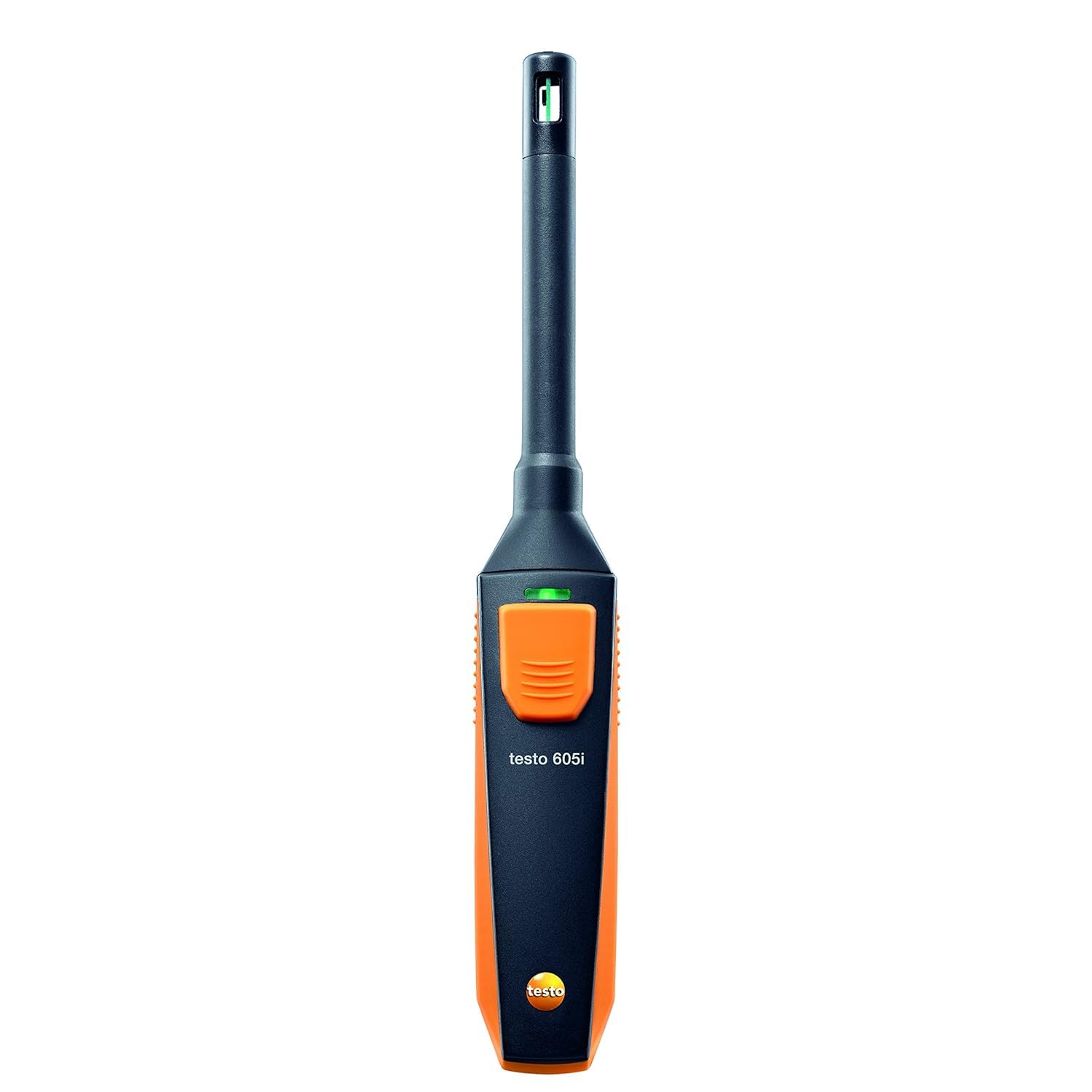
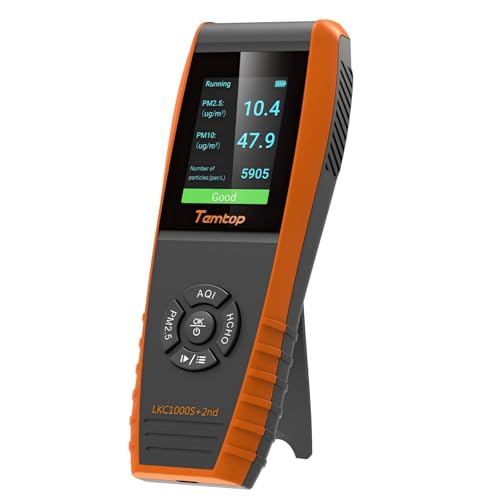
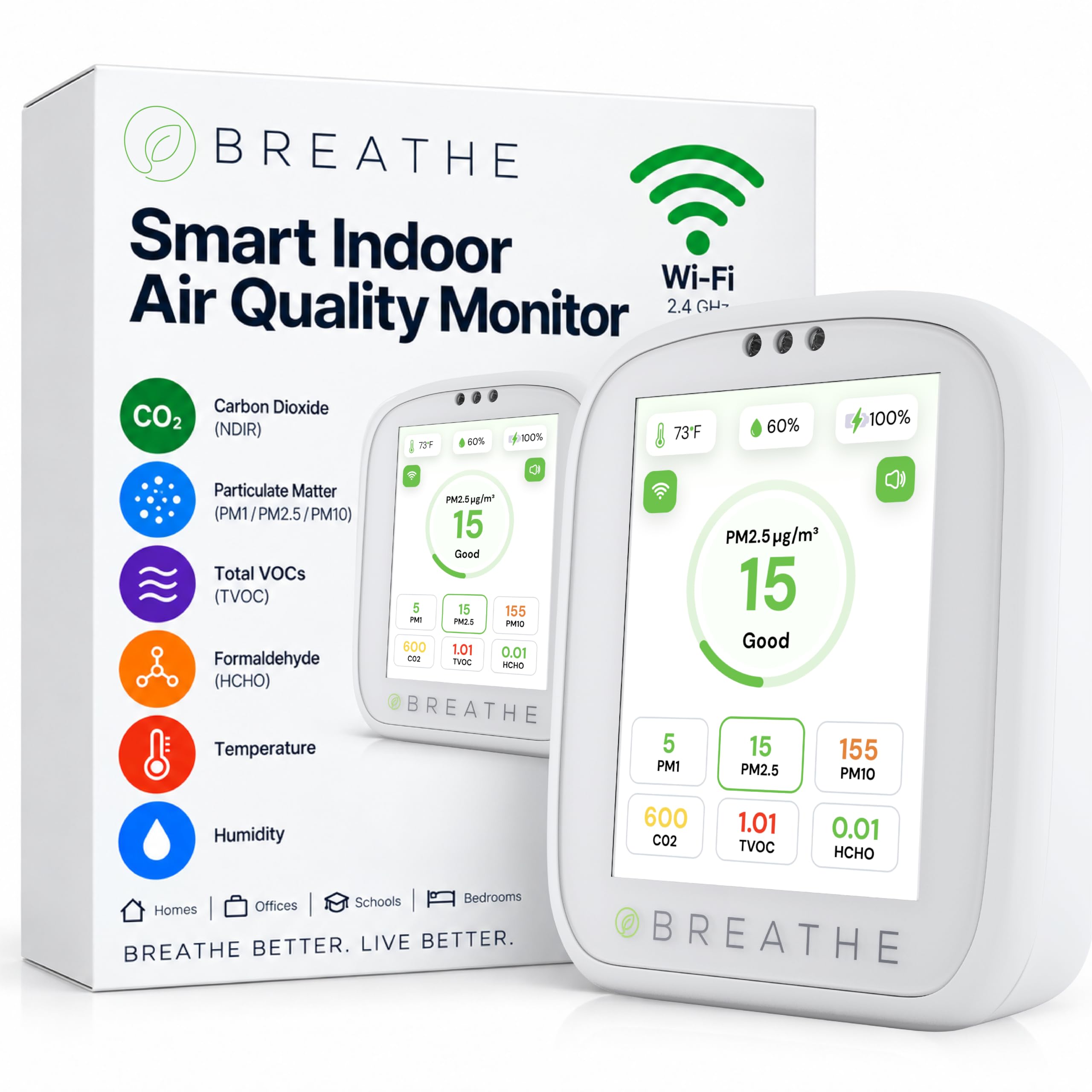
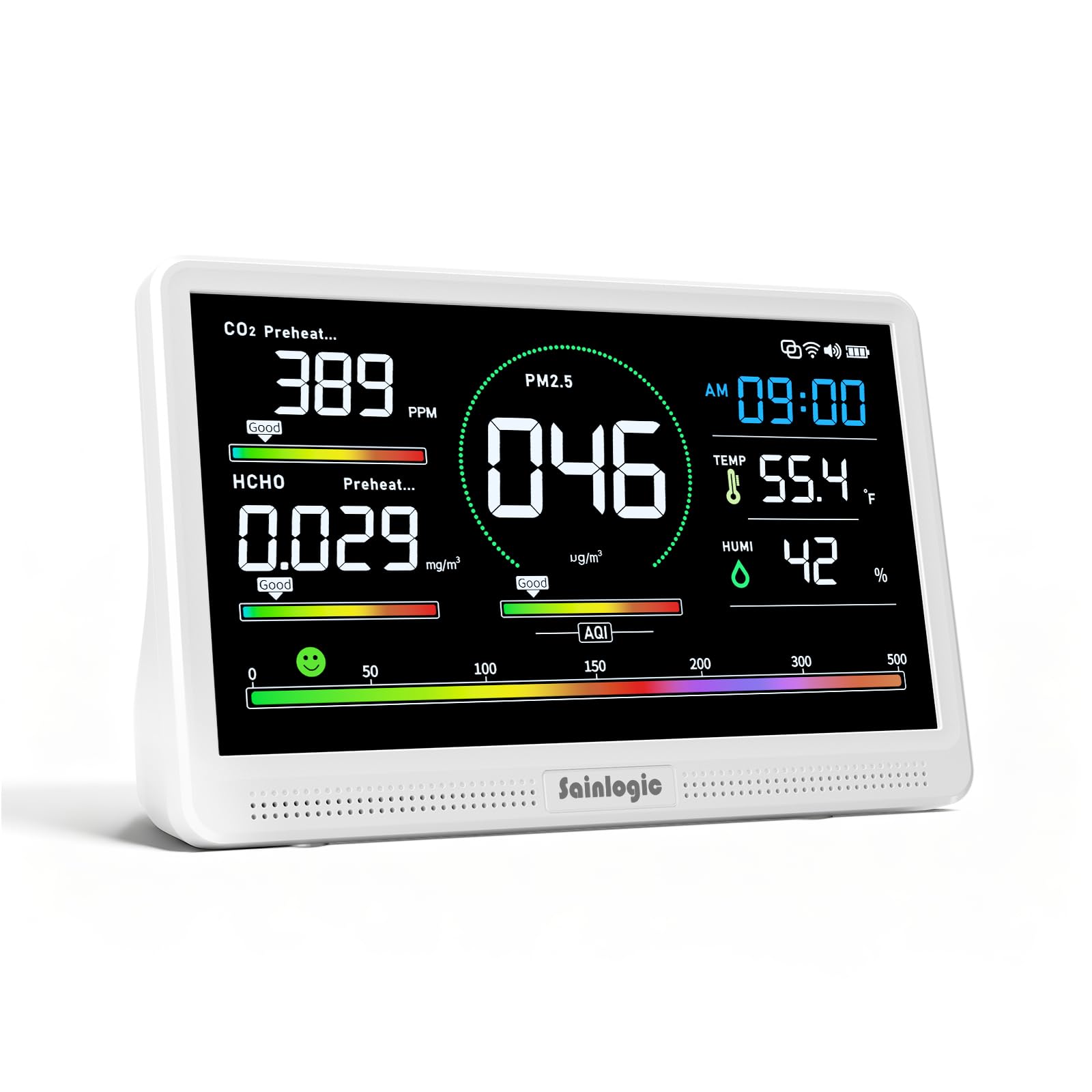

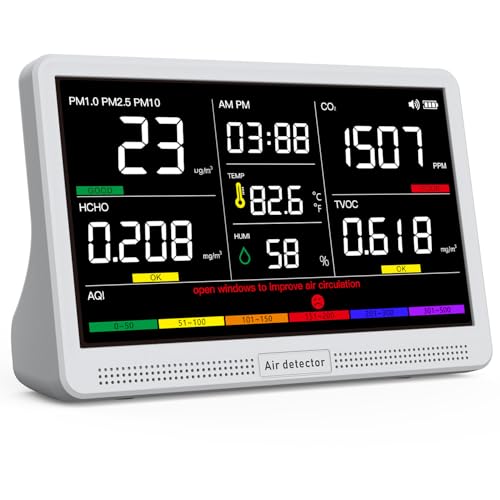
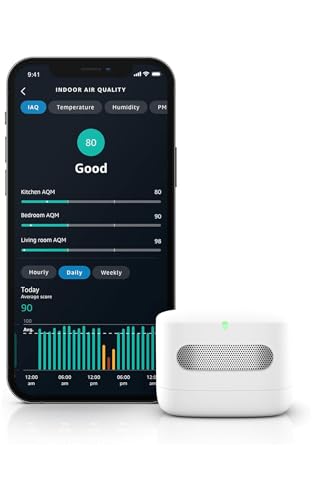

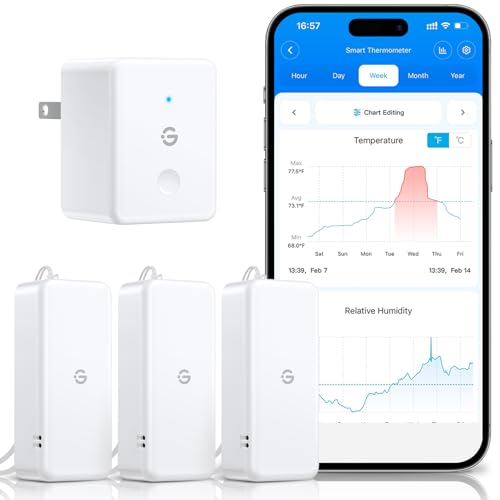

Monitor Types Compared at a Glance
Three broad types cover most homes, and each one answers a different question about a damp room.
- Humidity and temperature monitors track the two readings that matter most for mold risk. They suit one problem room and cost the least, but they tell you nothing about dust or ventilation.
- Multi sensor monitors add particle, chemical gas, or radon sensing. They give a fuller picture of a basement or bedroom, at a higher price.
- Portable CO2 monitors focus on ventilation, because stale air often holds moisture longer. A compact unit moves easily between rooms, and our guide to the best portable air quality monitor explains that format in more depth.
For sensing beyond one damp room, start with our broader guide to the best air quality monitor, then return here for the mold specific checks.
Who Should Buy Which Monitor for Mold Risk?
Homeowners With a Damp Basement
A basement that feels cool and clammy in summer is the classic mold setting, because warm outdoor air meets cold walls and moisture condenses on them. You want logging, an alert you can set, and a display anyone can read without an app. If your basement has a history of water entry, pair the monitor with a plan for the leak itself, because sensing alone never dries a foundation wall.
Renters With a Musty Bathroom or Laundry Room
Renters cannot always add vents or change windows, so a small battery powered monitor makes sense. Place it where steam lingers after showers, and watch whether humidity falls back within an hour or so. A clear record helps you show a landlord that damp air persists even when you run the fan. Whole home options sit in our guide to the best air quality monitor for home.
Households Managing Allergy or Asthma Symptoms
If someone at home has asthma or a known mold allergy, a monitor can help you link symptom flare days to damp periods, but it cannot diagnose a cause. Choose a model that also tracks particles, keep a symptom note beside the readings, and share both with your clinician. Seek medical care promptly for wheezing, chest tightness, or shortness of breath, and talk with your clinician about personal triggers.
Key Features to Compare
Judge every candidate against the five factors below, in this order, because the first two decide whether the monitor can do its main job at all.
Humidity and Temperature Accuracy
Mold risk rises when indoor humidity stays at or above about 60 percent for long stretches, so a small sensor error matters near that line. Look for a stated humidity accuracy of a few percentage points and a sensor that samples often, not one that updates rarely. Temperature matters too, because cold surfaces in a warm room collect condensation even when the room average looks safe. A monitor that shows both readings together helps you spot that cool corner problem early.
History Logging and Alerts
A single glance at a screen tells you almost nothing, because mold grows from damp air that lingers for days, not from one steamy shower. You need a stored history you can view by day and week, plus an alert that triggers when humidity stays above your chosen level for a set period. Instant spike alerts alone cause false alarms after every bath. A good log also shows whether a repair, a fan, or a dehumidifier actually changed the pattern.
Particle and Chemical Gas Sensing as Supporting Clues
Particle sensing, often labeled PM2.5, counts tiny airborne particles and can rise during cleaning or cooking. Chemical gas sensing, often labeled VOC, reacts to fumes from paints, cleaners, and new furnishings. Neither reading proves mold is present, and treating a VOC rise as a mold alarm leads to needless worry. Treat these sensors as supporting clues, useful for general air quality, while humidity remains your primary mold signal.
CO2 Sensing and Ventilation
Carbon dioxide builds up in closed, occupied rooms, so a rising CO2 reading is a practical sign that fresh air is not moving through. Poor ventilation lets shower steam and cooking moisture linger, which is why this reading earns a place in a mold focused setup. If CO2 stays high in a bedroom overnight, a window habit or a vent fix may matter as much as any dehumidifier. Homes that feel stuffy most days benefit most from this sensor.
Placement and Room Coverage
One monitor only reports on the air around it, so a dry living room reading says nothing about a wet basement. Decide which single room worries you most and start there, adding a second unit later if the first one proves useful. Mount or set the monitor at about breathing height, away from a shower outlet, a stove, or a humidifier plume, because direct steam skews the record. Coverage, not extra sensors, is the upgrade most damp homes actually need.
How to Choose the Right Monitor for a Mold Prone Room
Ecosystem Compatibility
App control and voice assistants add convenience when alerts can trigger other devices, such as a smart plug that starts a dehumidifier. Check whether a monitor works with Alexa, Google Home, Apple HomeKit, or Matter before you buy, and favor a display that still works if your WiFi drops. Our guide to the best smart air quality monitor covers connected features in more depth. A plain model with a good screen still beats a smart model you never open.
Wired Versus Battery Power
A plug in monitor samples around the clock and never needs a battery swap, which suits a fixed problem room with a nearby outlet. Battery models free you to check several rooms in rotation, but a dead battery leaves a silent gap in your history. Many homes start with one plug in unit in the worst room and use a battery unit for spot checks elsewhere.
Subscriptions and Local Storage
Some monitors keep full history in a free app, while others reserve long records for a paid plan. Before buying, confirm how much history you can see and export without paying, and whether readings stay on the device or only in a company cloud. Local storage keeps your data at home and keeps the monitor useful if a service shuts down.
How Much Should You Spend?
Simple humidity and temperature monitors often cost under $50 and cover the core mold job for one room. Models at about $50 to $100 usually add better logging and clearer apps. Units at about $100 to $200 tend to add particle or CO2 sensing, and options at about $200 to $300 add the widest sensor sets and premium displays. Spend first on accuracy and alerts, and only then on extra sensors you will genuinely act on.
What Matters Most When Mold Is the Concern
The habit that lowers mold risk is keeping indoor humidity in the 30 to 50 percent range most of the time, and a monitor earns its cost by showing whether your home does that. It is a measuring tool, not a cleanup tool. Visible growth or damp that returns after flooding calls for cleanup and often a professional assessment. Fix the water source first, because no reading stops growth on a wet wall.
Common Mistakes to Avoid
- Buying a monitor that promises to detect mold spores, because no consumer sensor does this and the claim signals unreliable marketing.
- Placing the unit beside a shower or humidifier, so steam spikes dominate the record and hide the true room pattern.
- Judging a room by one afternoon of readings, because mold risk builds over days of sustained damp air.
- Ignoring a humidity alert once the smell fades, since growth inside a wall cavity continues out of sight.
- Paying for extra sensors before securing accurate humidity readings, which reverses the order that mold prevention needs.
How to Keep Your Monitor Reading True
Keep the sensor vents free of dust by wiping the case with a dry cloth, and keep the unit out of direct sun, which warms the housing and skews temperature readings. Check the app record monthly for flat lines or gaps, which often mean a sensor fault or a missed battery change. If two monitors in one room disagree widely, trust neither until you compare both against a third simple gauge.
FAQ
What is the best air quality monitor for mold?
There is no single winner, because the right choice depends on your room and your budget. For most homes it is an accurate humidity and temperature monitor with week long logging and a settable humidity alert, placed in the dampest room. Add particle or CO2 sensing only if you will act on those readings. A modest unit you check weekly serves you better than a costly unit whose app you ignore after the first month.
What should I look for in an air quality monitor for mold?
Beyond the core humidity checks, look at the alert settings in the app before you buy, because some models only warn at a fixed level you cannot change. A clear screen graph, a sensor replacement or calibration note from the maker, and an export option for your records all add lasting value. Also check the stated operating humidity range, since a steamy bathroom can sit outside the range of a delicate unit.
How long does an air quality monitor last?
The housing and screen can serve for many years, but sensor accuracy is the real limit. Humidity sensors drift slowly, and gas sensors in some models have a stated service life after which readings lose reliability. Battery models also depend on cell quality and sampling rate. Plan on reassessing accuracy after a few years of daily use, and treat any reading that never changes, even after a steamy shower, as a sign the unit needs attention.
Is an air quality monitor worth it?
It is worth it when you have a specific damp problem to verify, such as a basement that smells musty each summer or a bathroom fan you suspect is failing. The record tells you whether a fix worked, which guesswork cannot. It is poor value as a general worry purchase for a dry home with no history of leaks or condensation, where a simple inexpensive humidity gauge answers the only question that matters.
How do you clean an air quality monitor?
Switch the unit off or unplug it first, then wipe the case with a soft, dry or slightly damp cloth. Never spray cleaner directly onto the unit and never let liquid enter the sensor openings, because residue inside the vents distorts later readings. Use a soft brush or a gentle puff of air to clear dust from the intake slots. Let the unit dry fully and settle for an hour before trusting its readings again.
What is the most reliable air quality monitor brand?
Reliability depends more on the individual model than on the name on the box, so compare the stated humidity accuracy, the sampling rate, and the length of the warranty instead. Makers that publish full sensor specifications and clear calibration guidance give you a way to judge a unit before and after purchase. A brand with responsive support and a history you can export protects you if an app changes. Judge each model on those points rather than on reputation alone.
Final Thoughts
Start with the dampest room, choose accurate humidity sensing with logging and a settable alert, and add other sensors only when you know how you will use them. Used that way, the best air quality monitor for mold turns a vague worry into a record you can act on. Check the product table above before you order.