
Computer & Accessories
Shop the best computer accessories to boost productivity and comfort at your desk, from keyboards and mice to webcams, hubs, and cable organizers. Our curated picks cover everyday essentials and upgrades for both home and office setups.
We review build quality, compatibility, and everyday performance to help you make the right choice. Compare options and complete your workstation with accessories that just work.

Best Laptop Bag for Women: Every Type Explained Side by Side

Best bluetooth desktop speakers 2026: A Practical Buying Guide

Best Blue Switch Keyboards 2026: A Practical Buying Guide

Best Brother Home Printers: Which One Fits the Way You Use It?

Best Bookshelf Speakers for Desktop: Gaming, Creating and Everyday Listening for 2026

Best Budget Keyboard Made Simple: A Clear Buying Guide
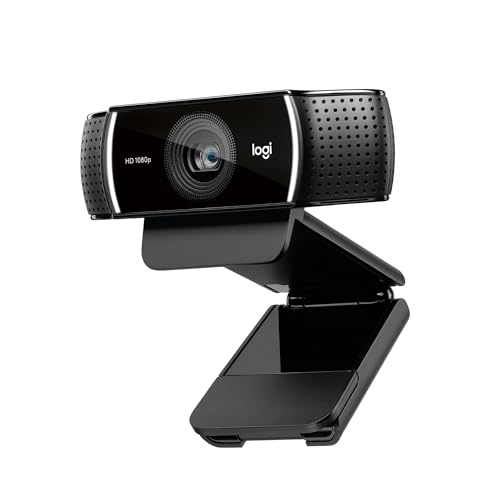
Best Cameras for Microsoft Teams in 2026: Matching the Right Model to Your Routine

Best Cameras for Macbook Pro at Every Price: What Your Money Really Gets You for 2026
Best Cameras for Desktop Computers: Every Type Explained Side by Side for 2026

Best Cameras for Computers: Which One Fits the Way You Use It? 2026

Best Cameras for Computer Vision for 2026: Matching the Right Model to Your Routine

Best Camera Laptop Backpacks by Budget for 2026
Start With Your Setup, Then Fill the Gaps
The most useful accessory is the one that fixes a daily annoyance. Look at your desk and note what slows you down: a cramped laptop keyboard, a camera that makes you look grainy on calls, too few ports, or tangled cables. Solving those first gives you more value than buying a full matching set. Also confirm your computer's ports and operating system, because a USB C only laptop or a Mac may need different adapters and software than a Windows desktop.
Key Accessories and What to Look For
- Mice: pick a shape that fits your grip. Ergonomic vertical mice can ease wrist strain, and quiet click models suit shared spaces. Our guide to silent computer mice covers both wired and wireless choices.
- Keyboards: mechanical switches feel crisp and last long, while low profile scissor keys are quieter and closer to a laptop feel.
- Webcams and audio: 1080p is a solid baseline for video calls, and good lighting often matters more than resolution. A dedicated headset improves voice clarity; browse our headsets category for options.
- Docks and hubs: check total power delivery wattage and whether the dock supports the number of external displays you need.
- Printers: portable models help on the road, while all in one inkjets suit home offices with scanning needs.
Compatibility and Connection Tips
Wireless gear connects through Bluetooth or a USB receiver. Receivers often give a steadier link and lower latency, while Bluetooth frees up ports and pairs with tablets. Multi device keyboards and mice can switch between a laptop, tablet, and phone with one button.
For displays, match cable types to your ports: HDMI, DisplayPort, or USB C with DisplayPort Alt Mode. Not every USB C port carries video, so check your laptop specs. If you are upgrading screens too, our monitors section explains sizes, resolutions, and refresh rates.
Common Mistakes
- Buying a cheap hub that cannot power a laptop and external drives at the same time.
- Choosing a large ergonomic mouse without checking hand size guidance.
- Ignoring software support. Some accessories need an app for custom buttons or firmware updates.
- Leaving cables loose. A few clips, sleeves, or a tray under the desk make cleaning and moving gear easier.
Most everyday accessories cost under $100, while premium docks, keyboards, and webcams usually range from around $100 to $300.
Computer & Accessories FAQ
Is a wireless mouse as good as a wired one?
For office work, modern wireless mice are just as responsive as wired ones for most people. Gamers who want the lowest latency often prefer a USB receiver connection over Bluetooth, and some still choose wired.
What should I look for in a USB C dock?
Check the power delivery wattage so it can charge your laptop, the number and type of display outputs, and the ports you need such as USB A, Ethernet, and SD card. Also confirm your laptop supports video over USB C.
Do I need a webcam if my laptop already has one?
Built in laptop cameras are often lower quality and sit at an awkward angle. An external 1080p webcam mounted at eye level, paired with soft front lighting, usually looks noticeably better on calls.
Are mechanical keyboards worth it for office work?
Many people like the consistent feel and durability of mechanical keyboards for long typing sessions. Tactile or linear switches are quieter than clicky ones, which matters in shared offices or on calls.
How can I reduce wrist strain at my computer?
Keep your wrists straight, place the keyboard and mouse at elbow height, and consider an ergonomic or vertical mouse. Taking short breaks and avoiding resting your wrists on hard edges also helps.