Best Air Purifier With Air Quality Sensor in 2026: Buying Guide for Auto Mode
Disclosure: We may earn a commission when you buy through links on this page, at no extra cost to you. As an Amazon Associate I earn from qualifying purchases. Learn more

The best air purifier with air quality sensor adjusts fan speed to the air. Compare sensor types, CADR and filters.
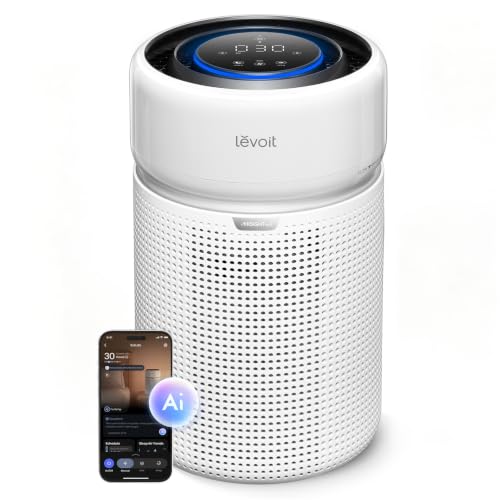
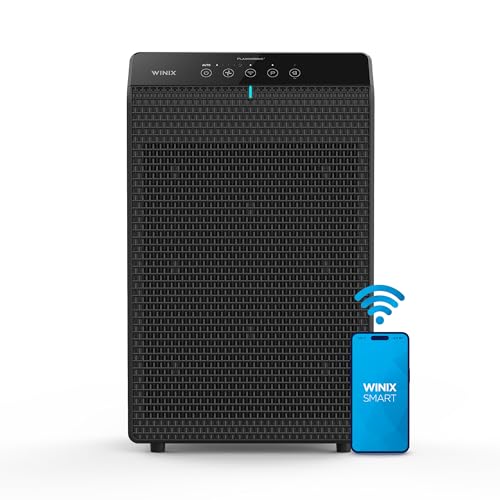
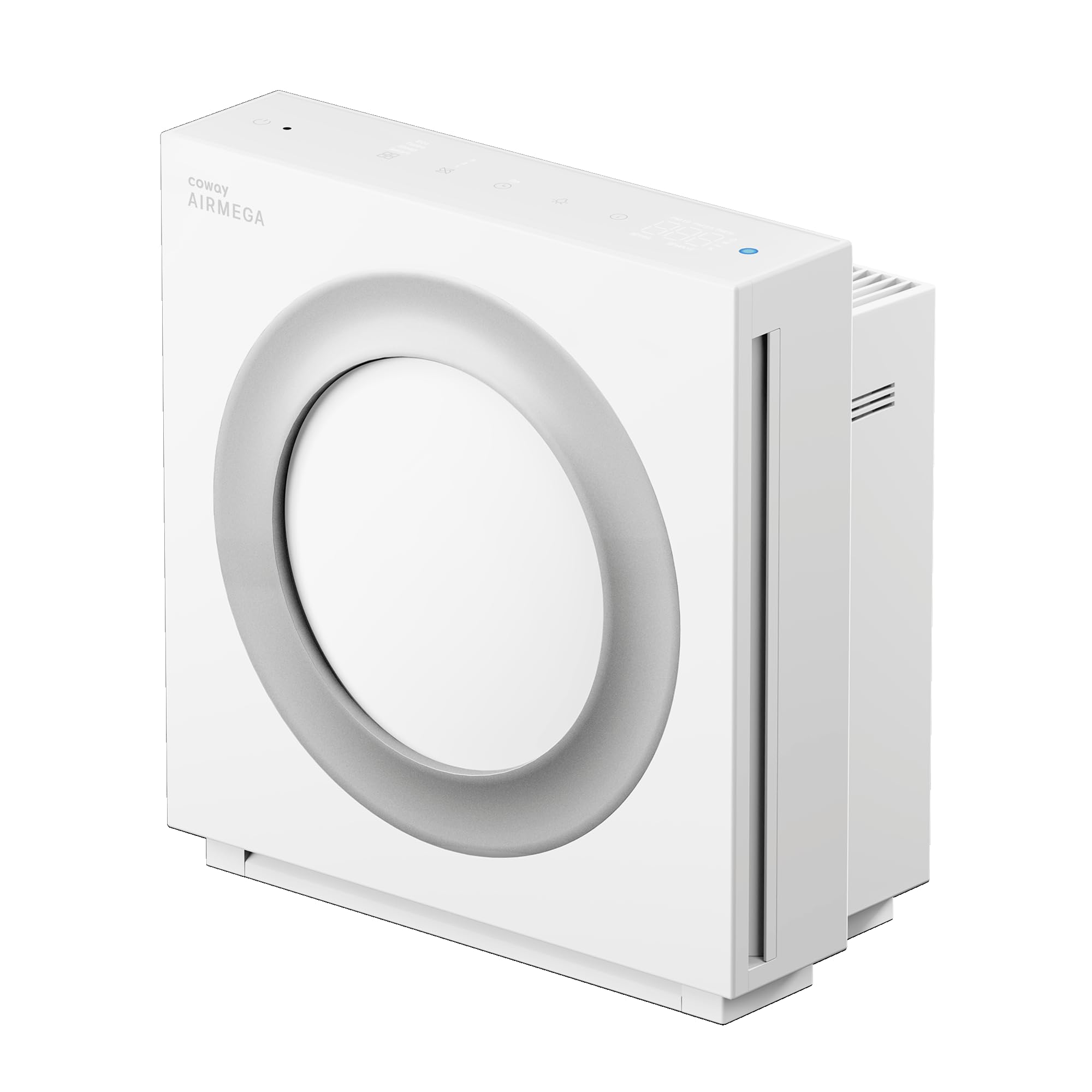
You cannot see most indoor particles, so it is easy to run a purifier too little on a bad day or too hard on a clean one. A built in sensor solves that problem by watching the air and raising fan speed only when levels climb. If you want the best air purifier with air quality sensor for your home, the product table lists current options and this guide shows how the main types differ.
This guide explains what sensors actually measure, where they read poorly, and which filter and coverage details matter more than a colorful display. If you want a broader starting point first, see our guide to the best air purifier for models without this focus.





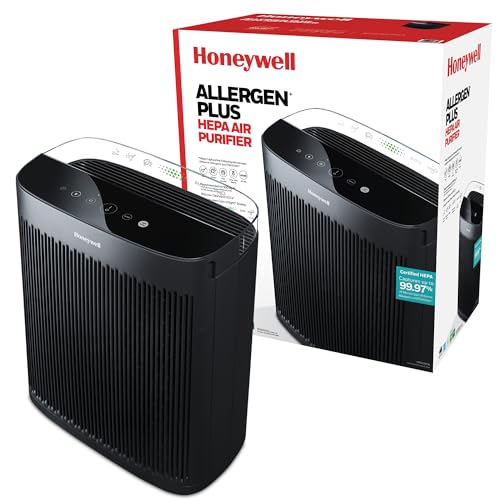
Who Should Buy an Air Purifier With a Sensor?
A sensor adds the most value when your air changes often during the day, or when no one in the home wants to watch fan settings.
Households That React to Pollen and Dust
Cooking fumes, open windows, and cleaning can push particle counts up in minutes, then settle again just as fast. An auto setting lets the fan answer that spike and drop back before the room gets loud. Look for a numeric readout or a simple color scale that everyone can read at a glance. If symptoms drive your search, compare our guide to the best air purifier for allergies alongside the sensor notes here.
Pet Owners With Changing Odor and Dander Loads
Pets shed more at some hours than others, and litter boxes or wet coats can change odor levels between cleanings. A sensor that also responds to gases helps the purifier work harder right after those moments instead of running at one fixed speed all day. Choose a model with a washable prefilter that catches hair before it loads the main filter. For hair focused advice, see our guide to the best air purifier for pets.
Light Sleepers and Home Workers Who Need Quiet Control
People who sleep lightly or take calls at home often turn a purifier down and forget to turn it back up. A sensor handles that balance for you, holding a low and quiet speed while air stays clean and stepping up only during a spike. A display that dims or switches off at night matters as much as the sensor itself. Check the noise rating at the lowest speed, not only at turbo.
Types of Sensor Purifiers Compared
Tower Models for Living Rooms and Open Plans
Tower units pair a tall filter stack with sensors placed on the front or side of the body. They suit larger rooms because air can enter from several sides and leave from the top with fewer dead spots. Check that furniture will not block the sensor inlet, since a tower pushed into a corner reads the corner rather than the room.
Compact Models for Bedrooms and Desks
Compact units use smaller filters and shorter air paths, so their sensors react fast in a small closed room. They are easy to move and fit where a tower would crowd the floor. The limit is reach, since a compact unit in a large open space will report clean air near itself while dust remains across the room. Buy by the stated room size and leave a margin.
Smart Models With App History and Detailed Readouts
Smart models log sensor readings over time and show them in an app, which helps you spot patterns such as spikes after cooking or during busy traffic hours nearby. Some track both particles and gases and chart each one apart. The downside is cost, setup time, and reliance on WiFi for the extra data.
How to Evaluate Sensor Quality and Coverage
Start with what the sensor measures, then check how the maker lets you see the result and act on it. A useful display shows a number, a color, or both, and auto mode should change speed in clear steps. Coverage claims should rest on CADR and a stated room size, not on sensor range alone. If you are unsure whether filtration helps, our explainer on do air purifiers work covers the evidence.
Look for AHAM or Energy Star information where available, since those programs measure airflow and energy use in a standard way. Neither program rates the sensor itself, so treat sensor claims with care and favor models that explain sensor placement and limits in the manual.
Key Features to Compare
What the Sensor Measures, Particles, Gases, or Both
Most home sensors track fine particles, often shown as PM2.5, using light scattering inside a small chamber. Some units add a gas sensor that reacts to volatile organic compounds from cooking, paint, and cleaning sprays, though it rarely names the exact gas present. Neither type replaces a carbon monoxide alarm, and neither can confirm that air is safe. Choose particle sensing for dust and smoke concerns, and add gas sensing if odors and fumes drive your purchase.
Sensor Placement and Auto Mode Response
Where the sensor sits shapes every reading the unit takes. An inlet blocked by a wall, curtain, or stack of books samples stale air, so the fan may stay low while the far side of the room is dusty. Good auto logic smooths brief spikes from a door opening, yet still responds within minutes to smoke or heavy dust. Look for a manual override at each speed for gatherings or smoke days.
Coverage, CADR, and Room Size
CADR rates how much filtered air a unit delivers for dust, pollen, and smoke, and higher numbers clean a larger space faster. Match that rating to your room with a margin, because makers often quote the largest room at the highest and loudest speed. A unit sized exactly to the room must run hard to keep up, while a larger unit can hold the same result on a quieter setting. Measure the room before you shop and note ceiling height.
The Filter Stack Behind the Sensor
A sensor only tells the fan when to work, so the filter stack decides what that work removes. A true HEPA filter captures fine particles, while activated carbon handles odors and many gases, and the two work as partners. Thin carbon sheets fade fast in pet or smoke homes, so the weight and depth of carbon matter more than a long feature list.
Noise, Light, and Night Use
Makers quote noise at each speed in decibels, and the gap between low and turbo is often large. For a bedroom, the low speed figure matters most, along with a display you can dim and a sensor light that will not glow across the room. Some units offer a night mode that lowers both fan and light together.
Display, Controls, and App Data
A clear display helps you trust auto mode, since you can see why the fan just sped up. Numeric particle counts suit people who like detail, while a three color scale suits shared rooms where a quick glance is enough. App charts add history and filter alerts, but basic controls on the unit should still cover speed, mode, and light without a phone.
How to Choose the Right Size and Budget
Measure length and width, multiply for square feet, then compare that figure with the room size rating rather than the marketing headline. Closed rooms clean faster than open plans, so an open space may need a larger unit. Leave space around the intake and the sensor, away from doors that swing and stoves that spike readings on purpose.
Expect to pay about $80 to $180 for a compact sensor model for one bedroom, about $180 to $350 for a strong living room unit, and about $350 to $600 for large or smart models with detailed gas sensing. Spending more mainly buys coverage, quieter high output, and better displays, not cleaner air in a small room.
Do You Really Need a Sensor Model?
If your air stays fairly steady and you are home to change speeds, a good manual unit can clean just as well for less money. A sensor earns its cost when conditions swing, when the room is a bedroom that must stay quiet, or when several people share the space and no one owns the settings. It also helps in damp homes tackling spores alongside other steps, and our guide to the best air purifier for mold explains why fixing moisture comes first.
A sensor does not measure pollen type, bacteria, or how you personally react, so do not judge success by the readout alone. Note how you sleep and how often you dust after a few weeks of use. If the display and your experience disagree, check placement or a dirty sensor lens first.
Common Mistakes to Avoid
- Placing the unit flush against a wall, which blocks the sensor and leaves it reading stale air.
- Buying by the largest room claim, which forces the fan to run at its loudest speed all day.
- Assuming a particle sensor detects odors and gases, which leads to disappointment in kitchens and pet rooms.
- Leaving the filter wrapping on after unboxing, which blocks airflow while the display still looks normal.
- Judging air quality by the color light alone, without checking placement, filter state, or room size.
Care and Maintenance
Vacuum or wash the prefilter on the schedule in the manual, since hair and lint on that layer starve the main filter and can skew airflow past the sensor. Wipe the sensor lens gently with a dry swab if the maker allows it.
Replace the main filter when airflow drops or odors return soon after cleaning, even if the alert light has not yet changed. If readings stay odd after cleaning and a filter change, move the unit for a day to check placement before you assume the sensor has failed.
FAQ
What is the best air purifier with air quality sensor?
The best choice is the model whose coverage, filter depth, and sensor type fit your room and your main pollutant, not the one with the longest feature list. Before you order, confirm that replacement filters for that model are in stock and fairly priced, since a unit you cannot refilter loses its value fast.
Is an air purifier with air quality sensor worth it?
Yes, for homes where air quality swings during the day or where no one wants to manage fan speeds by hand. Auto mode can also lower energy use across a week, since the fan spends more hours at low speed than a unit left on medium all day.
Do air purifiers work?
Yes, a sealed unit with a true HEPA filter lowers particle levels in a closed room, and the drop grows as the air passes through the filter again and again. Purifiers do not remove the source of a problem, so venting a stove, fixing a leak, and vacuuming with the door closed still matter. Treat the purifier as one layer of a plan, not the whole plan.
How long does an air purifier take to clean a room?
Most rooms show a clear drop in the sensor reading within about 30 to 60 minutes on a higher speed, with slower gains after that first pass. A useful check is the air changes per hour figure for your room size, since it shows how often the full volume passes through the filter.
How often should you change an air purifier filter?
Follow the range in your manual, then adjust for load, since a home with two shedding dogs may need a change months sooner than a quiet apartment. When you install a new filter, write the month on its edge in pencil, which removes guesswork later.
Final Thoughts
Start with room size and filter depth, then let sensor type decide between close matches. A clear display and a fan you can live with at night matter more than extra app charts. When you compare the best air purifier with air quality sensor for your space, use the product table above to check those basics side by side before you order.