
Floor Care
Shop the best floor care products, from vacuums and steam mops to robot vacuums and cleaning solutions for every surface. Our curated selection helps you keep hardwood, carpet, and tile looking their best.
We review suction power, ease of use, and durability to help you make the right choice. Compare options and find the right tools for a cleaner home.

Best Cordless Vacuums for 2026

Best Robot Vacuums for Pet Hair in 2026
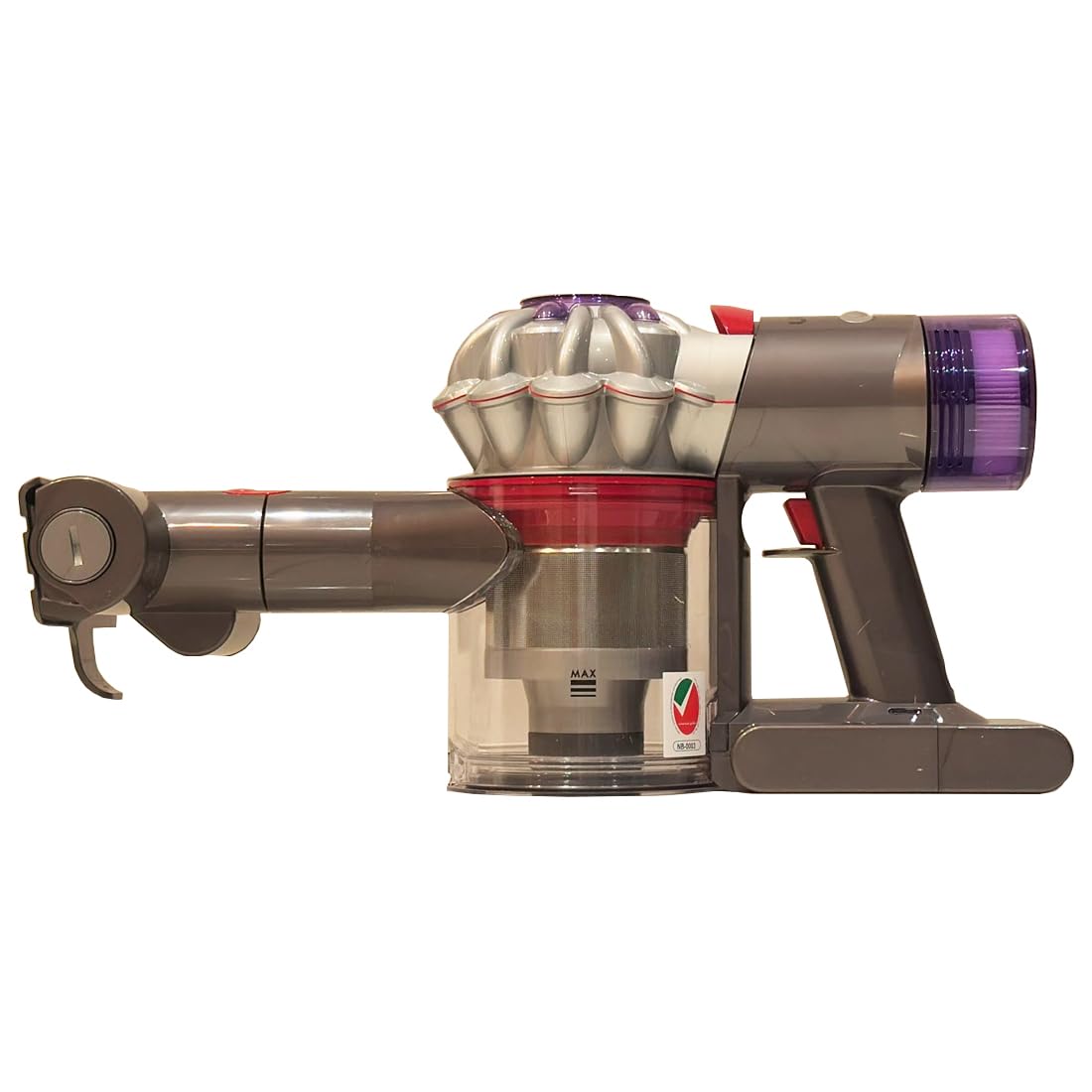
Best Handheld Vacuums for Quick Cleanups
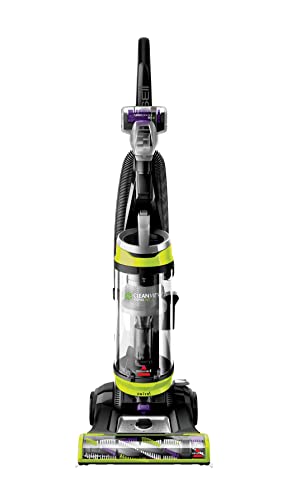
Best Upright Vacuum Cleaner: A Complete Buying Guide

Best Steam Mops: A Complete Buying Guide
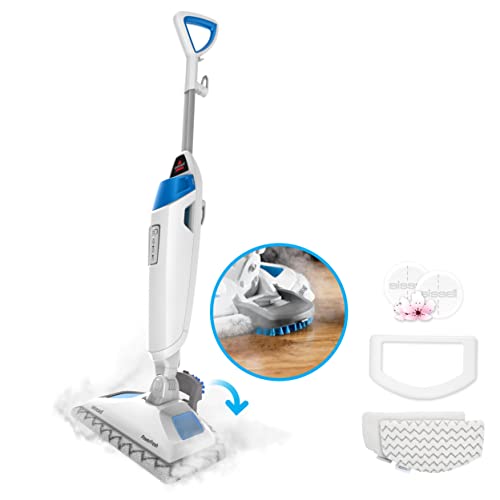
Best Steam Mop for Hardwood Floors: Is It Actually Safe?
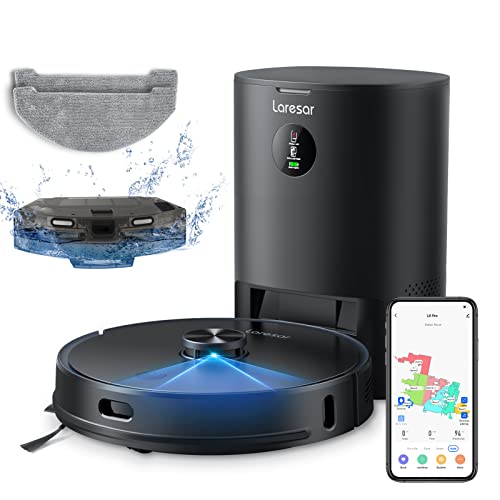
Best Self-Emptying Robot Vacuum: A Complete Buying Guide
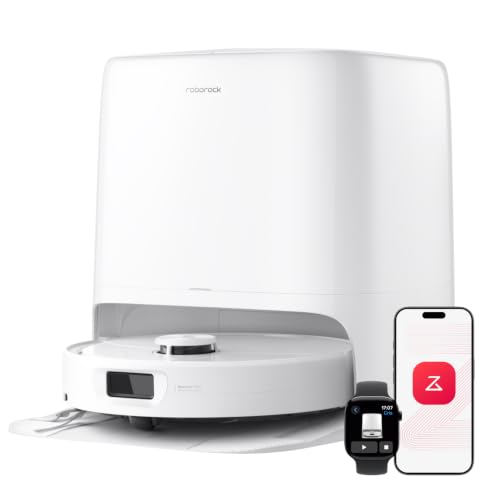
Best Robot Vacuum Under $400: Complete Buying Guide

Best Robot Vacuum Under $300: Complete Buying Guide
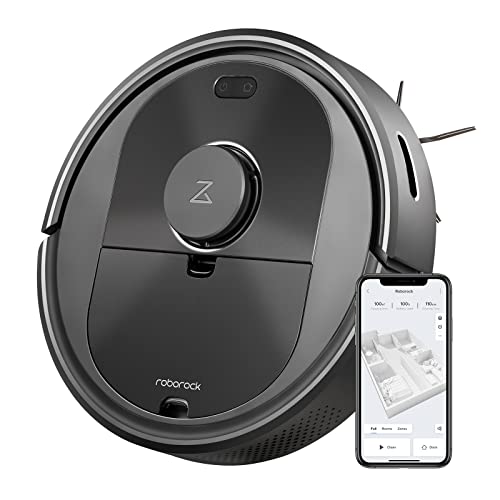
Best Robot Vacuum Under $200: Complete Buying Guide
Best Robot Vacuum Cleaner With Alexa: A Complete Buying Guide

Best Robot Vacuum and Mop: A Complete Buying Guide
Match the Machine to Your Floors and Home
The right floor care tool depends on three things: what surfaces you have, how big the home is, and who lives there. A small apartment with hard floors and no pets can run on a lightweight cordless stick. A larger house with wall to wall carpet and a shedding dog benefits from a corded upright or a strong canister with a motorized brush. Many households end up with two tools: one main cleaner and one quick option for daily messes.
Main Types and Who They Suit
- Upright vacuums: strong carpet cleaning and large bins, best for homes with lots of rugs. Heavier on stairs. See our upright vacuum guide.
- Cordless stick vacuums: grab and go convenience for hard floors and light carpet. Runtime on the highest setting is often much shorter than the advertised maximum.
- Robot vacuums: daily maintenance cleaning with little effort. Self emptying docks and lidar navigation add cost but cut down on babysitting. Our robot vacuum and mop guide covers hybrid models.
- Handheld vacuums: cars, stairs, upholstery, and crumbs.
- Steam mops and spot cleaners: sanitizing sealed tile and vinyl, or lifting stains from carpet and upholstery.
Specs That Actually Matter
Suction is reported in different units (air watts, pascals, amps), so comparisons across brands are rarely apples to apples. Pay more attention to brush roll design, filtration, bin size, and weight. A sealed system with a HEPA filter matters if anyone has allergies. Tangle resistant brush rolls save time in homes with long hair or pets.
For cordless models, check whether batteries are swappable, since batteries wear out before motors do. For robots, look at obstacle avoidance, app mapping, and how easy the brushes are to clean.
Common Mistakes to Avoid
- Using a steam mop on unsealed hardwood or laminate that the manufacturer does not approve for steam. Read our article on whether a steam mop for hardwood floors is safe before you buy.
- Buying a robot for a home full of cords, socks, and pet accidents without strong obstacle avoidance.
- Ignoring ongoing costs like bags, filters, mop pads, and replacement batteries.
As a rough guide, good handhelds start under $100, capable robot vacuums run from about $200 to $600, and premium cordless sticks or self emptying robots can go well above that.
Floor Care FAQ
Is a cordless vacuum strong enough to be my only vacuum?
For smaller homes with mostly hard floors and low pile rugs, a good cordless stick can handle daily cleaning. Large homes with thick carpet usually benefit from a corded upright or canister for deep cleaning.
Can I use a steam mop on hardwood floors?
Only on sealed hardwood and only if the flooring manufacturer allows it. Steam and heat can damage unsealed wood or seep into seams, so use the lowest setting, keep the mop moving, and check the floor warranty first.
Do robot vacuums replace a regular vacuum?
Robot vacuums are great for keeping floors tidy between deeper cleans, but most still miss corners, stairs, and heavy debris. Many households pair a robot with a stick or upright for weekly deep cleaning.
Does a HEPA filter make a difference for allergies?
A HEPA filter captures very fine particles, but the vacuum also needs a sealed body so air does not leak around the filter. Look for models described as fully sealed if allergies are a concern.
How often should I replace vacuum filters and brushes?
Check the manual, but many washable filters should be rinsed monthly and replaced every six to twelve months. Brush rolls and robot side brushes wear faster in homes with pets and should be cleaned often.