Best Carbon Filter Air Purifiers 2026: Guide
Disclosure: We may earn a commission when you buy through links on this page, at no extra cost to you. As an Amazon Associate I earn from qualifying purchases. Learn more

Learn how to choose carbon filter air purifiers by carbon weight, room size, filter life, noise, and odour versus particle removal for your home.
Choosing among best carbon filter air purifiers starts with what you want to remove, because carbon excels at odours and gases while particle filters handle dust and pollen. The comparison table below helps you compare carbon weight, room size, filter life, and noise, so you buy a purifier that matches your actual air problem.
Think about your main concern: cooking smells, pet odours, smoke, chemicals from new furniture, or general dust, since each points to a different filter balance. A purifier heavy on carbon but weak on particles will disappoint an allergy household, just as a particle specialist will disappoint a smoky kitchen.



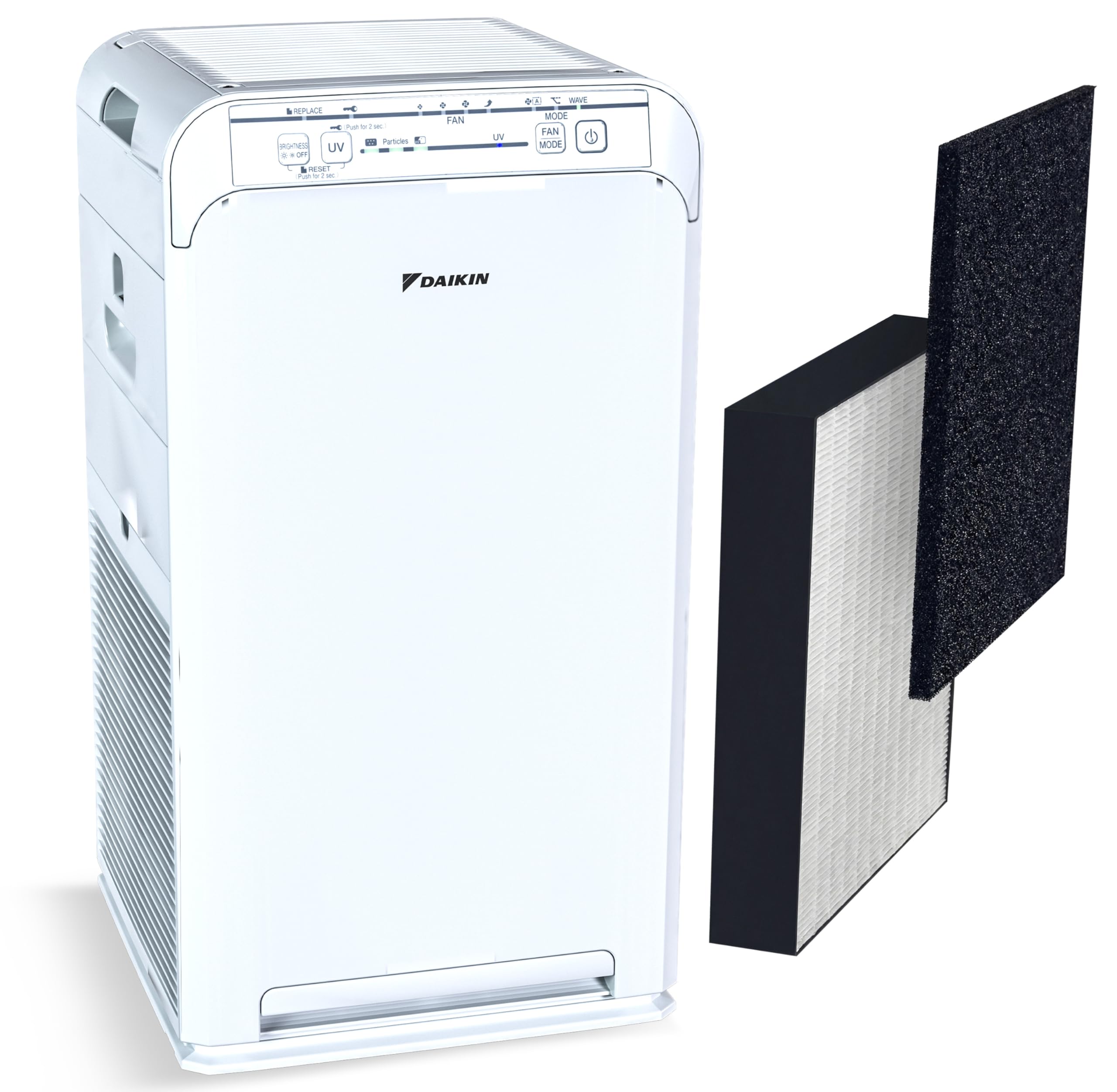
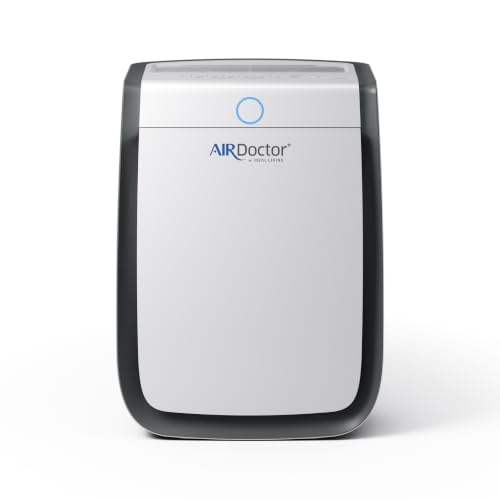


How Carbon Filtration Works
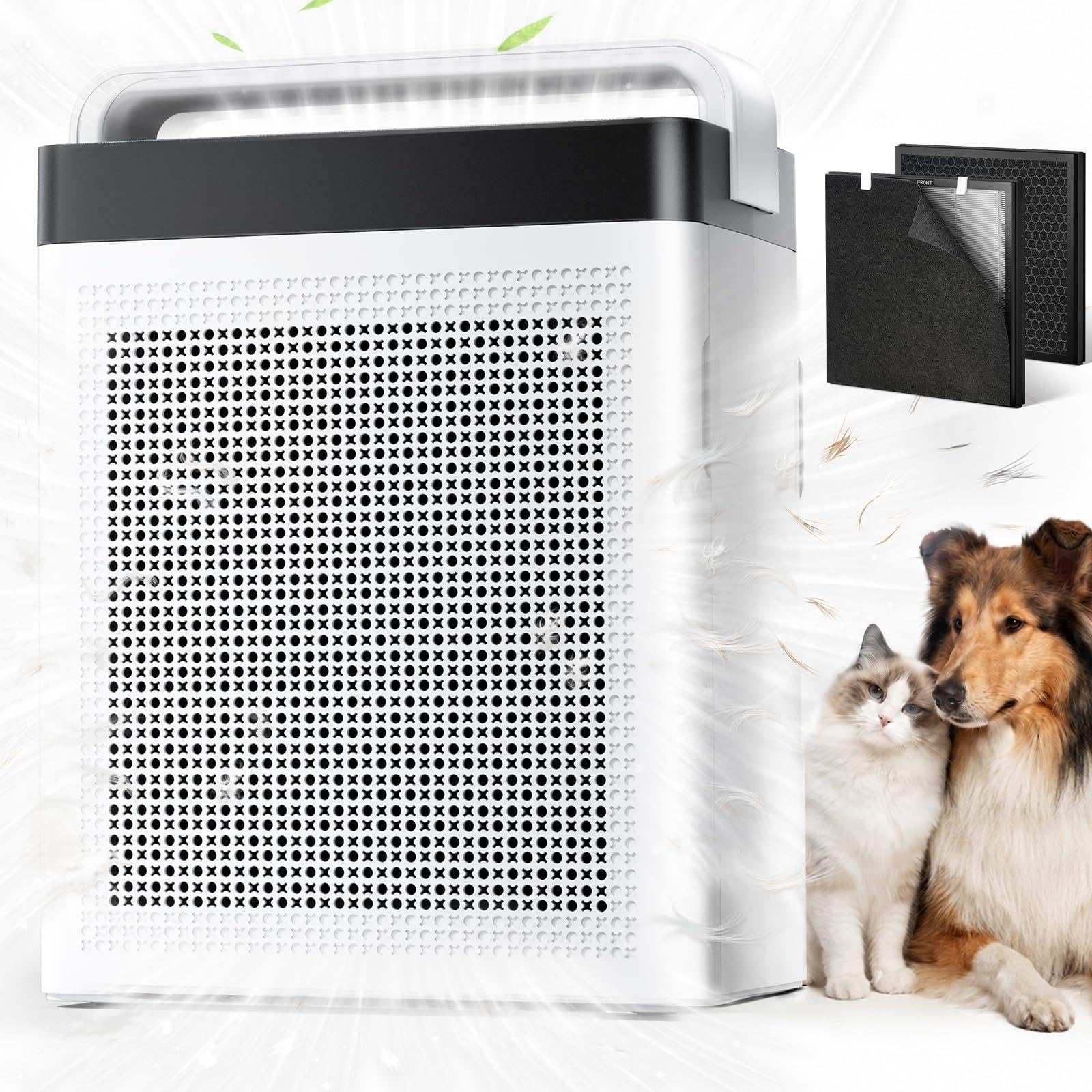
Activated carbon adsorbs odour molecules and gases onto a vast internal surface, which is why carbon weight and contact time matter more than marketing claims. Thin carbon sheets help lightly with odours, while thick carbon beds with substantial weight handle stronger smells and last longer before saturation. Once carbon saturates, it stops adsorbing effectively, so filter replacement schedules are not optional extras but core performance factors.
Carbon does not remove particles such as dust, pollen, and pet dander on its own, which is why most good purifiers pair carbon with a particle filter. Understand this division before buying, because a carbon only purifier will leave dust problems untouched. For combined concerns, choose a purifier with both a meaningful carbon stage and a capable particle stage.
Room Size, Airflow, and CADR
Room size matching decides whether a purifier actually cleans your air several times per hour, which is the standard for noticeable improvement. Check clean air delivery rate and recommended room size for your room, not only for a small test room, since oversized claims mislead. A purifier too small for a large open plan space will run constantly yet change air quality little, while an oversized unit wastes energy and noise in a small bedroom.
Airflow also affects noise, since high speeds clean faster but sound louder, so check noise at the speed you will actually use overnight. Placement matters too, with purifiers needing clearance from walls and furniture for proper intake and output. Measure your room, note ceiling height for large spaces, and choose a unit rated for at least your room size.
Filter Life, Replacement Costs, and Maintenance
Filter life varies by carbon weight, usage hours, and odour load, with kitchens and smoking households saturating carbon far faster than quiet bedrooms. Replacement costs over two years often exceed the purchase price, so add filters, pre filters, and energy use before comparing models. Check whether filters are sold locally and whether the unit warns when filters near end of life, since guessing leads to either waste or ineffective running.
Maintenance includes vacuuming pre filters, wiping grilles, and replacing filters on schedule, all of which keep airflow and effectiveness up. Do not wash carbon filters unless the maker specifically allows it, since washing damages adsorption capacity. Keep a note of replacement dates, because a purifier with a spent filter looks busy while cleaning little.
Odours, Smoke, Chemicals, and Allergies
Odour sources differ, with cooking, pets, smoke, and new furniture chemicals each requiring different carbon capacity and ventilation support. Carbon helps with many volatile compounds, but it cannot fix a persistent source such as ongoing smoking indoors or a gas leak, which need source removal and professional attention. Ventilation remains essential, since a purifier complements fresh air rather than replacing it.
Allergy households need particle filtration alongside carbon, since pollen, dust mites, and pet dander are particles, not gases. If allergies dominate, prioritise a high grade particle filter and sealed construction that prevents bypass, with carbon as a secondary benefit for odours. For chemical sensitivity, discuss purifier choices with your clinician, since individual triggers vary and no purifier suits every sensitivity.
Noise, Energy, and Bedroom Use
Noise decides whether a purifier runs all night or gets switched off, defeating its purpose, so check decibel figures at low and medium speeds. Bedroom use favours quiet operation, a dim or off display, and a sleep mode that maintains airflow without disturbance. Energy use is usually modest, but continuous running adds up, so check wattage at your typical speed.
Also consider child and pet safety, with stable placement, cord management, and filters secured against curious hands. A purifier that tips easily or has accessible small parts needs careful placement in family rooms. Quiet, stable, and efficient operation matters more than extra smart features you rarely open.
Mistakes to Avoid When Buying
A common mistake is buying a purifier with a token carbon sheet for a strong odour problem, then concluding carbon does not work, when the real issue was insufficient carbon weight. Another mistake is undersizing for the room, which leaves air quality unchanged despite constant running. Finally, do not ignore filter costs and replacement schedules, since a cheap purifier with costly, short lived filters soon becomes expensive.
Also avoid expecting a purifier to solve mould, gas leaks, or persistent smoking sources alone, since those need source fixes and professional advice. Ventilate, fix leaks, and clean sources first, then use a purifier as support. A realistic purifier, correctly sized and maintained, improves comfort noticeably without promising miracles.
Related Guides for Your Shortlist
For general air cleaning choices, the guide to best air cleaners and purifiers compares particle and gas filtration.
For particle focused filtration, the guide to best hepa filter air purifiers explains high grade particle capture.
For whole home planning, the guide to best home air purifiers covers room by room sizing.
For lower filter waste, the guide to best air purifiers with washable filters explains which stages can be washed.
For filter free alternatives, the guide to best air purifiers without filters covers ioniser and other designs.
A Final Check Before You Order
Before buying, identify your main air concern and measure your room, then compare carbon weight, particle filtration, and replacement costs for that specific problem. This targeted approach prevents buying a token carbon purifier for a strong odour problem or a particle specialist for a chemical concern, both of which disappoint despite good intentions. Note your room size honestly, including open plan connections that enlarge the effective space.
Also plan filter maintenance from day one, including replacement dates, local availability, and a budget for two years of filters, since a purifier with a spent filter merely circulates air. Set reminders for replacement and pre filter cleaning, and track odour return as an early saturation sign. Maintenance discipline decides whether a purifier keeps working or merely looks busy.
Finally, combine purification with ventilation and source control, fixing leaks, removing persistent odour sources, and airing rooms regularly. A purifier supports healthy indoor air but cannot replace fresh air or fix a mould or gas problem alone, so treat it as part of a broader home care routine. Realistic expectations lead to genuine satisfaction.
Frequently Asked Questions
Does carbon remove dust and pollen?
Carbon alone does not remove dust and pollen, because those are particles, while carbon adsorbs odours and gases. Most good purifiers pair carbon with a particle filter for combined concerns. If dust and pollen dominate, prioritise particle filtration and sealed construction, with carbon as a secondary benefit for smells. Vacuum rooms regularly alongside purification, since settled dust resettles quickly and a purifier alone cannot keep up.
How much carbon do I need for odours?
Odour control needs meaningful carbon weight and contact time, with thick carbon beds outperforming thin sheets for strong smells. Light cooking odours suit modest carbon, while smoke and pet odours need heavier beds and more frequent replacement. Check carbon weight where disclosed, and treat vague odour claims with caution. Start with the heaviest carbon bed your budget allows for strong smells, since thin sheets saturate within weeks in smoky rooms.
How often should I replace carbon filters?
Replacement frequency depends on carbon weight, running hours, and odour load, with kitchens and smoking households saturating filters faster than bedrooms. Follow maker schedules, watch for returning odours as a saturation sign, and budget replacement costs over two years. A spent carbon filter looks busy while cleaning little, so timely replacement matters.
Can a purifier help with smoke and chemicals?
Carbon purifiers help with many smoke odours and volatile compounds, but they cannot fix persistent sources such as ongoing indoor smoking or gas leaks, which need source removal and professional help. Ventilation remains essential alongside purification. For chemical sensitivity, discuss choices with your clinician, since triggers vary widely. Open windows briefly each day even with a purifier running, since fresh air dilutes gases that filters capture slowly.
What size purifier do I need for my room?
Choose a purifier rated for at least your room size, using clean air delivery rate and recommended room area for realistic rooms. Undersized units run constantly yet change air little, while oversized units waste energy and noise in small rooms. Measure room area, consider ceiling height, and allow clearance around the unit for proper airflow.
Final Thoughts
When carbon weight, room size, filter costs, and your main air concern are weighed together, best carbon filter air purifiers become a targeted purchase, and the product table above helps you compare honest options. Choose a purifier with enough carbon for your odours and enough particle filtration for your dust.
Maintain filters on schedule, ventilate sensibly, and fix persistent odour sources first. A correctly sized, well maintained purifier improves home air comfort in a way you can actually notice.