
Best Boneco Humidifier (2026): Ultrasonic, Evaporative and Air Washer
Disclosure: We may earn a commission when you buy through links on this page, at no extra cost to you. As an Amazon Associate I earn from qualifying purchases. Learn more
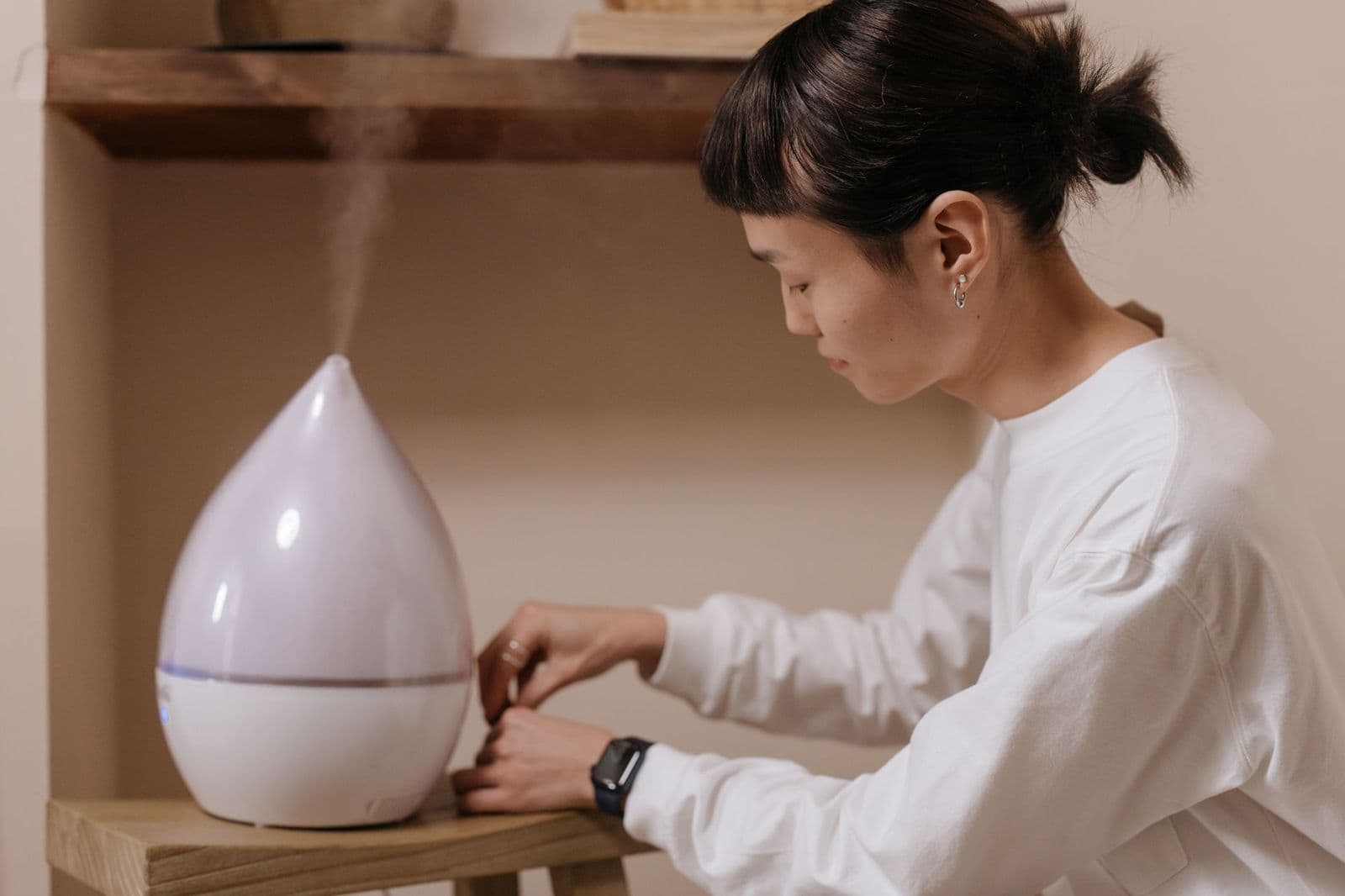
Technology, room size and upkeep advice for choosing the best boneco humidifier, from quiet ultrasonic models to evaporative and air washer types.
Choosing a best boneco humidifier is less about chasing the biggest tank and more about matching the technology to your room, your water, and your tolerance for upkeep. Boneco sells ultrasonic, evaporative, and air washer styles, and each one behaves very differently in daily use. The sections below lay out the main types side by side so you can narrow the field before you shop.
Price alone will not tell you much here, because a quiet ultrasonic unit for a bedroom and a fan driven evaporative model for a living area solve different problems. If you want to see how this brand stacks up against the wider market first, start with our guide to the best humidifier options for American homes, then come back and pick your Boneco type.
The Boneco Lineup at a Glance
Think of the range as three families rather than one long list of similar boxes. Your first decision is which family fits your space, and only then do tank size and extra features matter.
- Ultrasonic models push a fine cool mist into the room with very little sound, and many add a warm mist setting for winter use.
- Evaporative models draw air through a wet wick with a fan, and the output rises or falls naturally with the dryness of the room.
- Air washer models combine humidifying with washing dust and pollen out of the air as it passes through rotating discs or a wet filter.
Most buyers end up happiest when they choose the family first and resist paying for capacity they will never use. A model rated well above your room size often runs on a lower, quieter setting, while an undersized one runs hard all night and still falls short.
What Matters Most When Comparing Boneco Humidifiers
Boneco publishes the same core figures across its range, which makes honest comparison easier than with many brands. Weigh these six points in order and you will usually land on one or two serious candidates.
- Coverage: the room size the maker rates the unit for, best treated as a ceiling rather than a promise.
- Output: how much moisture the unit adds per day, which decides how fast a dry room recovers.
- Noise: fan based designs trade sound for output, while ultrasonic designs trade sound for more cleaning care.
- Energy use: heating water for warm mist costs more to run than producing cool mist.
- Maintenance: wicks, cartridges, and descaling all add ongoing cost and effort.
- Controls: a humidistat and auto mode matter more than decorative extras for most homes.
How to Choose the Right Humidifier
Size and form factor
Small tabletop units suit a desk, a nightstand, or a nursery shelf, and their small tanks mean refilling becomes part of your daily routine. Floor standing console styles hold far more water and serve open living areas, but they claim floor space and need room around the air intake. Compact travel styles exist for hotel rooms and offices away from home. Measure the spot you plan to use, including clearance above the mist outlet, before you fall for a larger footprint that crowds the room.
Type
Ultrasonic units make cool mist with a vibrating plate, run quietly, and respond fast when you raise the setting. Evaporative units rely on a fan and a wick, produce no visible plume, and cannot easily overdo the moisture in a room. Air washers add particle capture to humidifying, which appeals if dust bothers you, though they cost more and need more cleaning. Our full cool mist vs warm mist humidifier comparison explains how mist temperature changes comfort, safety around children, and running cost.
Features worth paying for
An accurate humidistat is the feature most worth your money, because it holds your target level instead of fogging the room until you wake up and switch the unit off. Auto mode builds on that by adjusting output as conditions change. A remote helps on a floor model across the room, and an aroma tray is a pleasant extra if you enjoy scent. A bright night light, by contrast, is easy to skip, and many buyers end up covering the display in a dark bedroom anyway.
Room size and coverage ratings
Measure your room in feet, multiply length by width, and compare that figure with the rating on the box. Ratings assume closed doors and standard ceiling height, so an open plan space or a vaulted ceiling calls for headroom in the figure you choose. If your room sits near the top of a rating, step up to the next size so the unit can hold your target on a medium setting. Shoppers with big open spaces should also read our guide to the best humidifier for large rooms before deciding.
Running cost and energy use
Electricity is the smaller part of the bill for most owners. Cool mist ultrasonic and evaporative fan models sip power, while any setting that heats water draws noticeably more. The bigger costs arrive later, in replacement wicks, treatment cartridges, and the distilled water some owners buy to cut down on mineral dust. Add a year of those consumables to the purchase price when you compare two models, because a cheaper unit with costly parts can pass a pricier one within a single heating season.
Noise levels for bedrooms
Light sleepers should start with ultrasonic designs, which have no fan and usually make only soft water sounds on low settings. Evaporative models move air with a fan, so their low setting is fine for many people but their high setting can intrude on sleep. Check the published sound rating where one is given, and favor units you can run on low through the night while still meeting your room size. For more sleep focused guidance, see our roundup of the best humidifier for bedroom use and what separates quiet models from merely small ones.
Filters, tanks and maintenance
Evaporative wicks need replacing as they stiffen and collect minerals, and ultrasonic models may use a cartridge to soften hard water and limit white dust on furniture. Tank design shapes your weekly routine just as much. A wide opening you can fit a hand or brush inside cleans faster than a narrow neck, and a tank around one gallon often lasts through the night on a medium setting. Our detailed walkthrough on how to clean a humidifier covers descaling steps and drying parts in full.
How much should you spend?
Boneco sits above bargain store pricing, and the money mainly buys quieter operation, sturdier tanks, and parts that stay available for years. Smaller units in the range often land at about $70 to $150, midsize models with auto controls at about $150 to $300, and large console or air washer styles above that band. Spending more makes sense when the unit will run every night all winter. For a spare room used a few weeks a year, the simpler end of the range is the sensible buy.
The Boneco Humidifier Lineup Explained
So where does that leave the question of which best boneco humidifier suits you? Match the family to the job. Ultrasonic models are the default choice for bedrooms and nurseries because they stay quiet and start fast. Evaporative models earn their place in larger living areas where a little fan sound disappears into normal household noise and where self limiting output prevents damp walls. Air washers are the niche pick for homes that want moisture and particle reduction from one appliance.
Against basic store brands, Boneco asks more money up front and gives back design polish, published performance figures, and a parts pipeline for wicks and cartridges. That trade suits owners who keep a humidifier for many seasons. If you expect to replace the unit every year or two, the premium is harder to justify, and a simpler model from the wider market may serve you just as well for less.
FAQs
What is the best Boneco humidifier for most homes?
For most homes it is a midsize ultrasonic model with a humidistat, because it covers a bedroom or small living room quietly and holds a steady level without constant adjustment. Choose the evaporative route instead if your water is very hard, since wick designs leave minerals in the filter rather than sending them into the air as dust. Either way, buy for the largest room you plan to use it in, not the smallest.
Is Boneco a good humidifier brand?
Yes, Boneco is a credible specialist brand that focuses on air treatment rather than selling humidifiers as a sideline. Its strengths are clear published ratings, a choice of three technologies, and replacement parts that remain orderable for older units. The weakness is price, since comparable output from mass market brands often costs less. Judge the brand on whether you value long service life and quiet design enough to pay that premium.
Which Boneco humidifier should I buy for a nursery?
Pick a cool mist ultrasonic model with a lockable control panel and no heating element, then place it out of reach and far enough from the crib that mist does not settle directly on bedding. Run it to keep the room near the middle of the healthy indoor range rather than as high as it will go. Stop and talk with your pediatrician if your baby has breathing trouble, a persistent cough, or congestion that does not ease, since a humidifier is a comfort aid and not a treatment.
How often should a Boneco humidifier be cleaned?
Empty and rinse the tank daily, wash the tank and base every few days during the season, and descale whenever pale mineral crust appears, which can be weekly with hard water. One point owners often miss is end of season storage. Dry every part fully before you put the unit away, because a wick or base stored damp can grow mildew over the summer and greet you with a sour smell at the first cold snap.
What humidity should my house be in winter?
Aim for about 30 to 50 percent indoors, and lean toward the lower half of that range on very cold nights. The reason is condensation. Warm indoor air meeting cold window glass drops its moisture there first, and repeated wet windows can damage paint and frames over a season. Our guide to what humidity should my house be explains how to adjust your target as outdoor temperatures swing through the season.
Can you put essential oils in a Boneco humidifier?
Only in a model that provides a separate aroma tray or pad, and only on that tray. Oil poured into the water tank can coat the misting plate, damage some plastics, and leave a film that makes later cleaning harder. Scent also lingers in wicks, so evaporative owners should expect a treated wick to carry the smell long after the water runs clear. If scent is your main goal, a small diffuser beside the humidifier keeps both jobs cleaner.
Final Thoughts
The right best boneco humidifier is the one whose technology fits your room, whose tank fits your routine, and whose upkeep you will actually keep up with all winter. Compare the families on output and noise, decide your price band, and let the humidistat do the daily work. Get those basics right and dry winter air stops being a nightly problem.


