Best Air Purifier Under $300 in 2026: Buying Guide for Bedrooms and Living Rooms
Disclosure: We may earn a commission when you buy through links on this page, at no extra cost to you. As an Amazon Associate I earn from qualifying purchases. Learn more

The best air purifier under 300 matches CADR, true HEPA filtration and low noise to your room. Compare tower, console and smart types.
Cleaner indoor air should not require a premium price tag, yet the under $300 shelf is crowded with units that look alike and promise very different results. Choosing the best air purifier under 300 dollars comes down to matching coverage, CADR, filtration and noise level to your room. This guide compares the main types at this price, explains what the ratings mean, and shows where your money does the most good.
Use the product table to line up coverage and core specs side by side, then read on for the criteria behind those numbers. If your budget can stretch further, our broader guide to the best air purifier covers larger options, while this page stays focused on what about $300 or less can deliver.



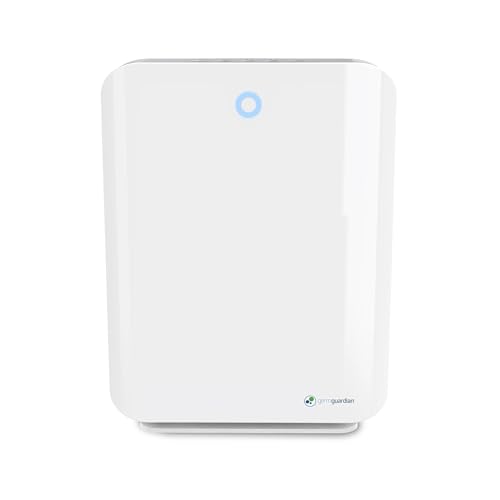


What the Under $300 Range Covers at a Glance
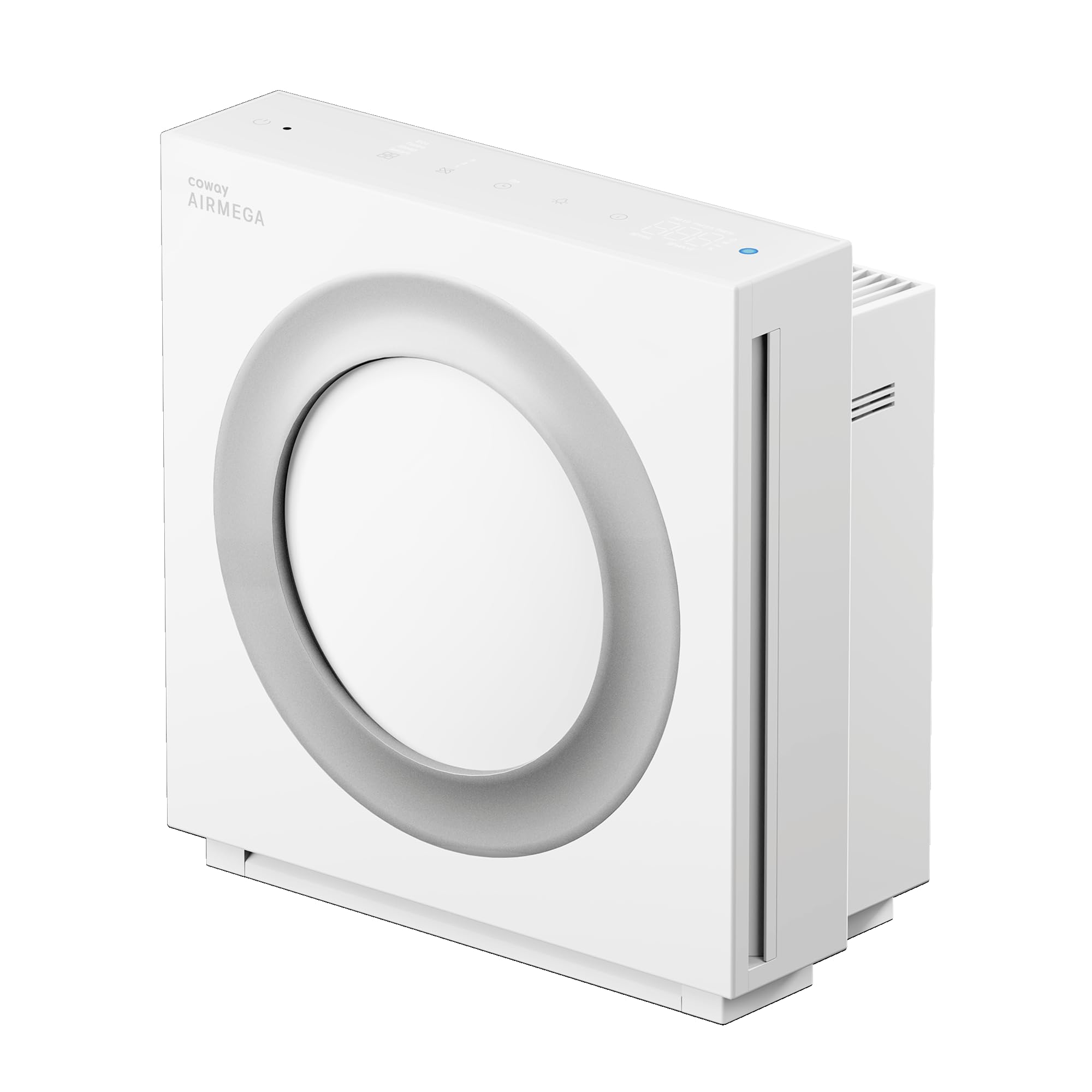
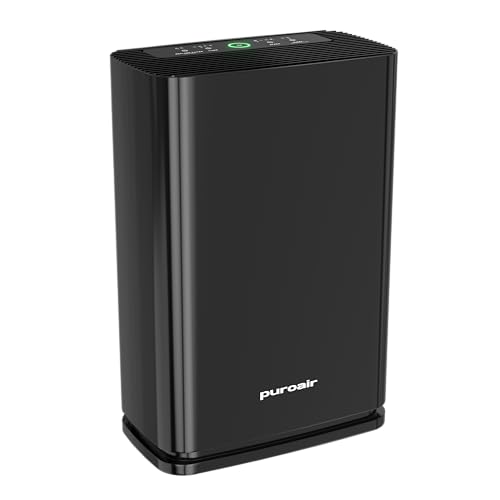
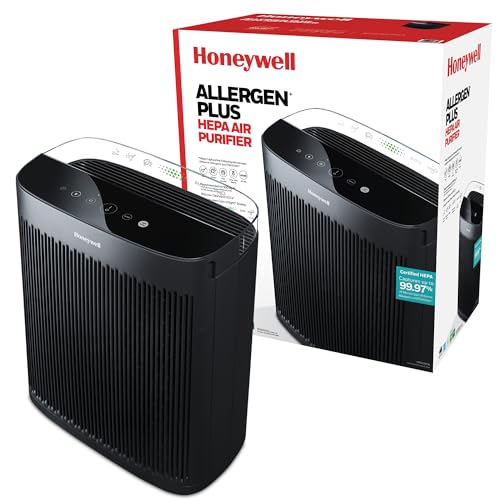
At this price you will mostly see three shapes of machine. Compact tower and desktop units suit bedrooms and home offices up to about 200 to 300 square feet. Larger console style units can handle living rooms of about 400 to 600 square feet on their higher speeds. Smart connected models add sensors and app control at the same coverage, trading a bit of raw airflow for convenience.
None of these is a true whole house solution, and that is fine. Purifiers clean the air in the room where they run, so one correctly sized unit in the bedroom usually beats a bigger machine in a hallway. Honest CADR figures and an affordable filter matter far more than a long feature list.
How to Read the Criteria for This Price Range
Judge this category on six factors: stated coverage and CADR, type and amount of filtration, noise level on low and medium speeds, energy use, cost and availability of replacement filters, and extras such as sensors and timers. The figures to trust come from manufacturer specifications and recognized rating systems such as AHAM CADR and Energy Star.
This matters, because headline coverage claims often assume the highest and loudest fan speed. If you are still asking the basic question behind this purchase, our explainer on whether do air purifiers work walks through what filtration can and cannot remove. The short version is that a well sealed HEPA filter traps fine particles reliably, while gases and odors need carbon, and no purifier replaces ventilation or source control.
Who Should Buy an Air Purifier Under $300?
Allergy sufferers with one main room
If pollen, dust and dander trigger your symptoms mainly in the bedroom, a mid size HEPA unit in this range is usually enough. Prioritize a true HEPA filter, a sealed housing and a quiet low speed you can sleep through, and run it with the door closed. For placement advice specific to allergies, see our guide to the best air purifier for allergies. Talk with your clinician about personal needs, and seek medical care promptly if you develop wheezing, chest tightness or difficulty breathing.
Pet owners fighting hair and odor
Pet homes need two things this budget can provide: a washable prefilter that catches hair before it loads the main filter, and a generous layer of activated carbon for litter and bedding smells. Place the unit near the main pet area but not tight against a wall, and vacuum the prefilter often during shedding season. Our guide to the best air purifier for pets goes deeper on dander and placement around crates and litter boxes.
Apartment renters and home workers
If you rent, you cannot change the building ventilation, but you can clean the air in the rooms you control. A portable unit under $300 moves with you, needs no installation, and helps with cooking smells, traffic dust and wildfire smoke days. The same unit can sit by your desk by day and roll into the bedroom at night, as long as its coverage fits both rooms.
How to Choose the Right Air Purifier
Size and form factor
Start with where the unit will live, because a purifier only works in the room it occupies. Desktop models suit small rooms, but their small filters clog faster and coverage is modest. Tower designs save floor space and suit bedrooms and offices. Larger console units take more room yet hold bigger filters that last longer between changes. Leave several inches of clearance around the intake and outlet, and check the door swing and walkway before you order.
Type and filtration
Filtration type decides what leaves your air. A true HEPA filter captures very fine particles such as pollen, dust mite debris, mold spores and smoke, while looser HEPA type media may let more pass. Activated carbon adsorbs odors and many gases, and thicker carbon beds handle stronger smells for longer. Ionizing and UV features add little for most homes, and some ionizers can produce ozone, so many buyers prefer an ozone free mechanical design. If damp drives your search, our guide to the best air purifier for mold explains why fixing the moisture source comes first.
Features worth paying for
A few extras earn their cost at this price. An air quality sensor with auto mode lets the fan rise when cooking stirs up particles, then settle back to a quiet speed. A filter change indicator removes guesswork, and a timer or sleep mode with dimmed lights suits bedrooms. WiFi control is pleasant but optional, and a washable prefilter saves money in pet homes. Skip built in humidifier combos if you want simple upkeep; our comparison of air purifier vs humidifier explains when each appliance makes sense on its own.
Room size and coverage ratings
Coverage claims only make sense beside CADR, the clean air delivery rate measured in cubic feet per minute for dust, pollen and smoke. A common AHAM guideline is to choose a CADR at least two thirds of your room area in square feet, giving roughly two air changes per hour. Allergy and smoke concerns favor a higher CADR, reaching four or more changes per hour on a tolerable speed. Printed room sizes usually assume top speed, so sizing up one step lets you run quieter at medium and still clean the air well.
Running cost and energy use
The purchase price is only part of what you will spend. Most units here draw about 30 to 60 watts on medium speeds, so daily electricity typically costs a few dollars a month. Replacement filters are the bigger figure, often about $40 to $80 once or twice a year. Energy Star certified models use less power for the same output, which helps if you run the unit around the clock. Add filter cost to the sticker price before deciding which option is truly cheaper.
Noise levels for bedrooms
Noise ratings in decibels decide whether you will actually run the unit at night. Around 25 to 35 decibels on the lowest speed is close to a whisper and suits light sleepers, while medium speeds sit near 45 decibels on many models. Top speed is often 55 decibels or more, fine for a quick clear out after cooking but hard to sleep through. Check whether display lights dim or switch off, because a bright panel can bother you as much as fan noise.
Filters and maintenance
Every purifier in this range depends on filter care. The prefilter catches hair and large dust and should be vacuumed or washed monthly, depending on its material. The HEPA and carbon stages are not washable on most models, and washing can damage the media, so replace them on the maker schedule, commonly every 6 to 12 months. Wipe the sensor lens and air inlet with a dry cloth so readings stay accurate. Store spare filters somewhere dry, since damp storage can ruin fresh media.
What You Get, and Give Up, Under $300
Spending up to about $300 gets you honest mid range performance: true HEPA filtration, CADR figures suited to bedrooms and living rooms, useful sensors and reasonable filter prices. Compared with budget units under $100, you gain coverage, quieter motors and carbon beds thick enough to matter. Compared with premium models above $500, you give up very large room coverage and the quietest high speed operation.
Lower tiers buy less. Under $50 gets a personal desktop unit, under $100 covers a small bedroom with basic filtration, and under $200 adds stronger CADR, better carbon and auto mode. The step to under $300 mainly buys larger rooms, lower noise at useful speeds and longer filter life. If your room is small, a lower tier may serve you just as well, and the savings can fund a year or two of filters.
Common Mistakes to Avoid
- Buying by room size claims alone, which can leave you with too little CADR once you drop to a quiet speed.
- Placing the unit in a corner or behind furniture, which chokes the intake and cuts the air it can clean.
- Expecting a purifier to fix damp, leaks or strong chemical smells at the source, problems that need repairs and ventilation first.
FAQ
What is the best air purifier under $300 for most homes?
For most homes it is a true HEPA console or tower unit with a CADR matched to your largest target room, a real carbon stage and a sleep speed near 30 decibels. The best air purifier under 300 dollars for you is the one whose filter you can afford to replace on schedule, because a neglected filter performs worse than a fresh mid range one. Match the machine to one main room rather than chasing whole house claims.
Can you get a good air purifier for under $300?
Yes. This budget covers the features that matter most: sealed HEPA filtration, CADR figures in the 200 to 350 range for common room sizes, auto mode and moderate filter costs. What you give up versus pricier models is mainly very large coverage and extra quiet operation at high speed. For a bedroom or average living room, a well chosen unit at this price is the sensible tier, not a compromise.
How long does an air purifier take to clean a room?
It depends on CADR and room volume. A unit delivering about two air changes per hour will noticeably cut particle levels within about 30 minutes, since each pass removes a share of what remains rather than everything at once. Smoke or heavy pollen may need an hour or more on a higher speed. If cooking smells linger far longer than an hour with doors closed, your unit is likely undersized.
What size air purifier do I need for my room?
Measure the room in square feet, then pick a CADR at least two thirds of that number as a starting point. A 200 square foot bedroom points to a CADR near 130 or higher, while a 450 square foot living room calls for about 300. Rooms taller than about 8 feet hold more air and need more CADR. When in doubt, choose the larger size and run it slower for the same cleaning with less noise.
How often should you change an air purifier filter?
Most HEPA and carbon filters in this range last about 6 to 12 months, but the honest signal is performance, not the calendar alone. A sour smell when the unit runs often means the carbon stage is spent, even if the indicator light has not changed. Homes near busy roads or with several pets load filters faster than the schedule assumes. Mark the install date on the filter frame so you can judge its real lifespan.
Do air purifiers help with cooking smells and smoke?
They help in different ways. HEPA media traps smoke particles well, which is why purifiers are widely used during wildfire events, while lingering cooking odors are gases that need a thick activated carbon bed to adsorb them. Thin carbon sheets fade within weeks. Venting the kitchen while you cook still removes more odor than any purifier, so treat the machine as backup for what the range hood misses.
Final Thoughts
The under $300 tier is where air purifiers stop being gadgets and start being dependable appliances. Size the CADR to your room, choose true HEPA filtration with enough carbon for your needs, and budget for replacement filters from day one. Before you order, look back at the product table above and compare the best air purifier under 300 options against your room, and you will end up with cleaner air and no wasted spend.