Best Commercial Dehumidifier (2026): Types, Sizing and Buying Guide
Disclosure: We may earn a commission when you buy through links on this page, at no extra cost to you. As an Amazon Associate I earn from qualifying purchases. Learn more

Choose the best commercial dehumidifier by capacity, airflow, drainage and working temperature for basements, warehouses and flood drying.
A damp warehouse, a flooded stockroom, or a basement that never dries out needs far more moisture removal than a small home unit can deliver. Finding the best commercial dehumidifier means matching daily pint capacity, airflow, and drainage to the size and wetness of your space. The comparison table below lays out the main types side by side so you can see how they differ before you buy.
This guide walks through the three types worth considering, the features that separate a strong unit from a weak one, and the running costs to expect. If your space is an ordinary home room rather than a large or very wet area, start with our guide to the best dehumidifier for household use and come back here only if that capacity falls short.


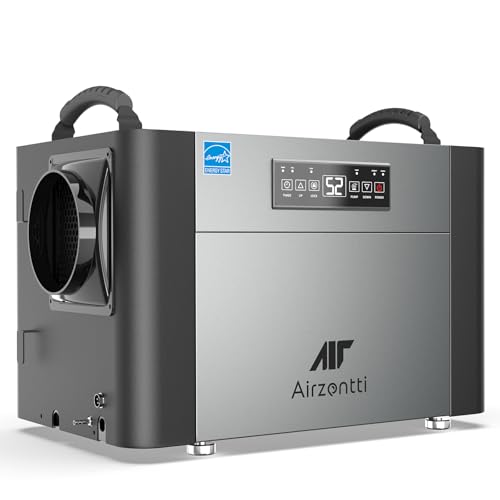


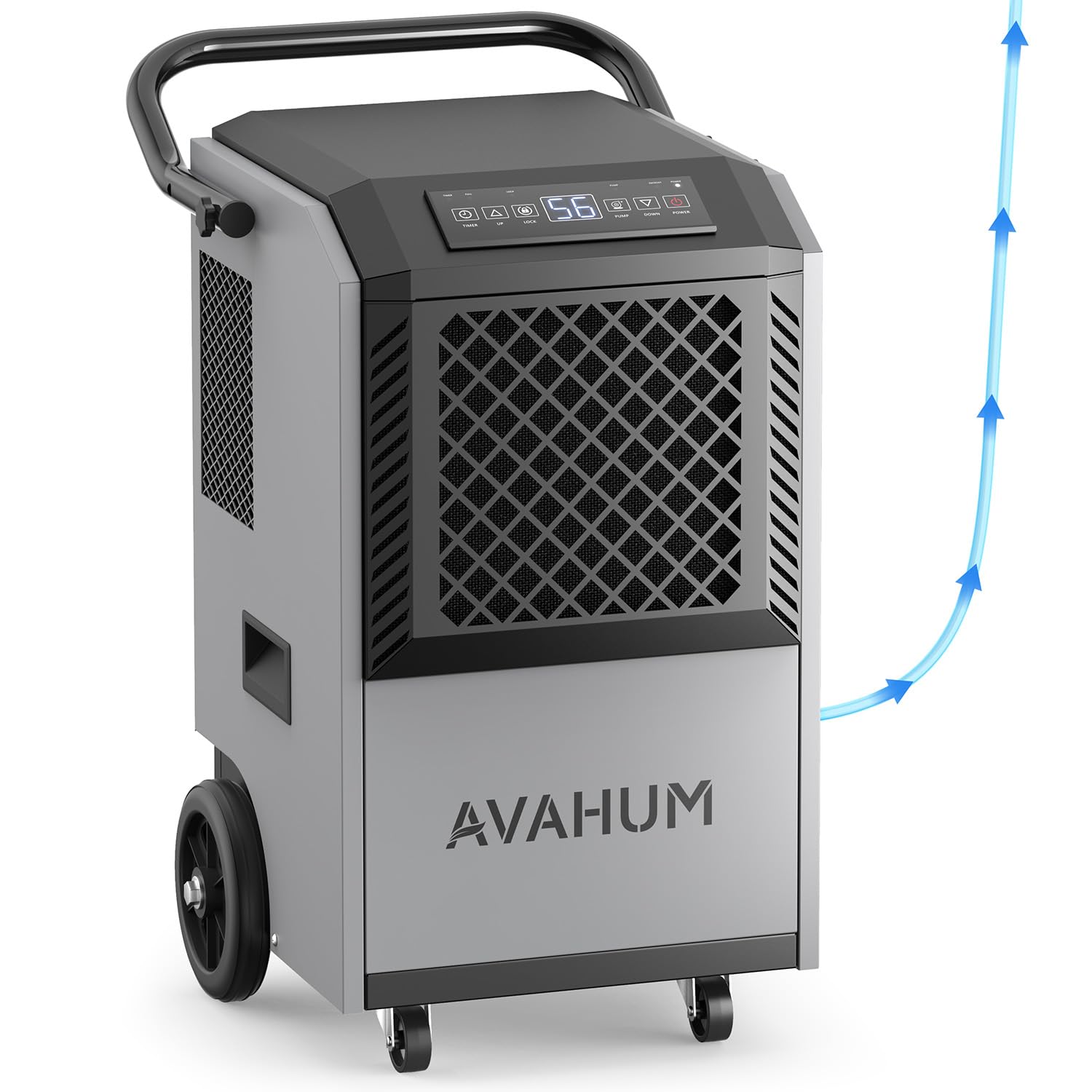
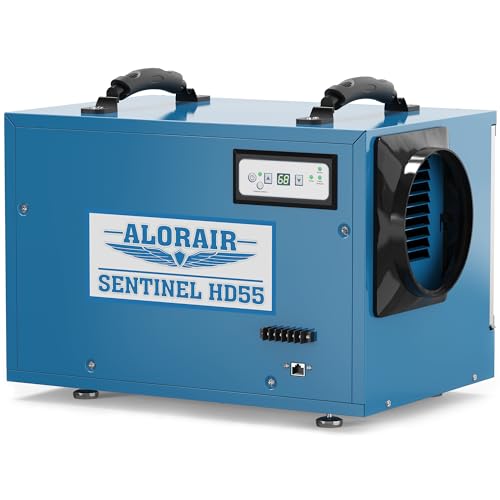
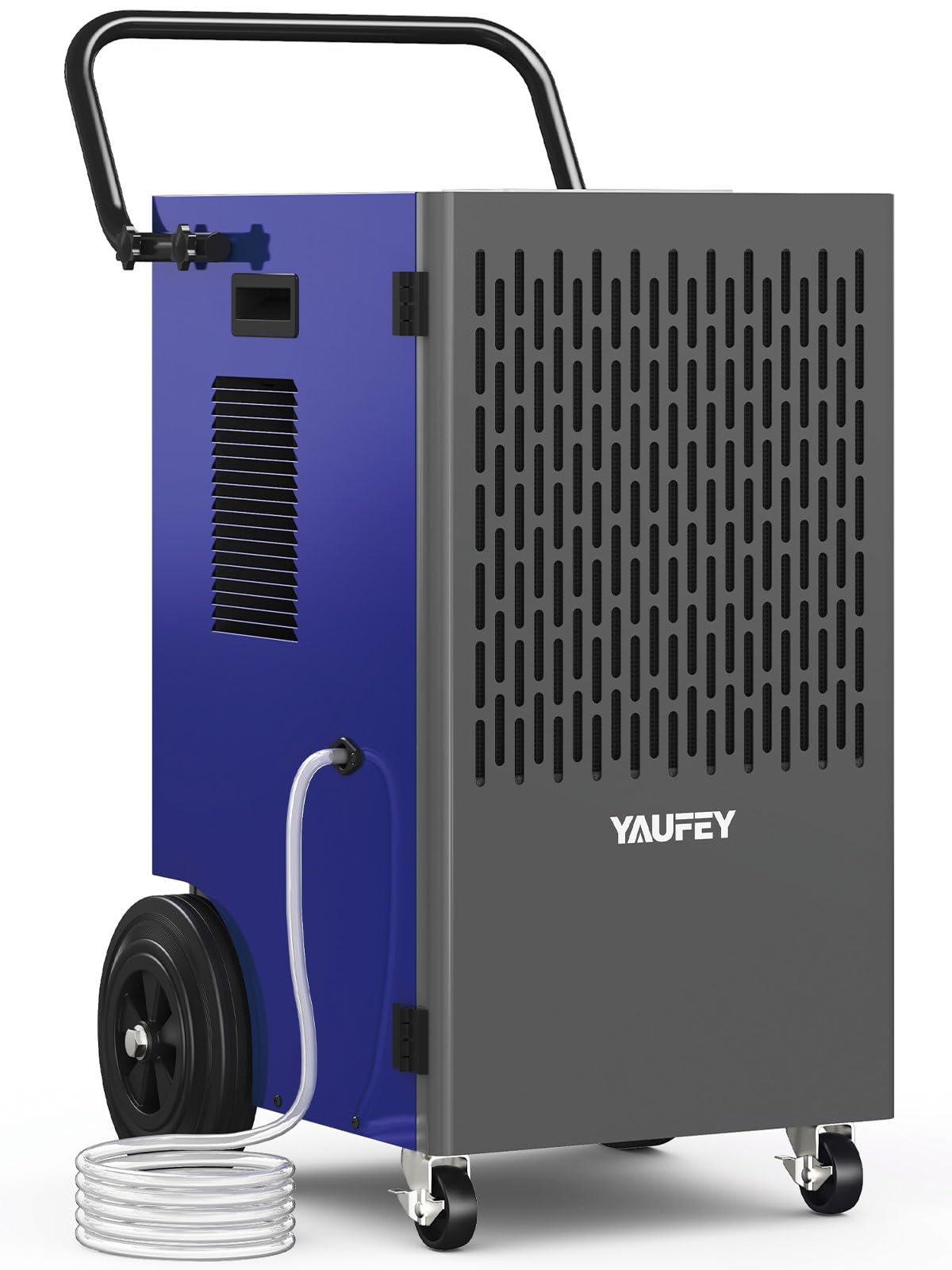
Best Commercial Dehumidifier Types at a Glance
Commercial units fall into three groups. Conventional refrigerant models suit warm, damp spaces and cost the least to run. Low grain refrigerant models keep drying as the air gets drier, so they fit restoration work and storage that needs low humidity. Desiccant models work in cold spaces where refrigerant coils would frost over, though they use more energy.
- Conventional refrigerant: the default choice for warm basements, warehouses, and work areas above about 65 degrees.
- Low grain refrigerant: better when you need humidity held low for stored goods, documents, or drying after a leak.
- Desiccant: the option for unheated garages, cold storage, and winter job sites where temperatures drop near freezing.
Types Compared for Commercial Spaces
Conventional Refrigerant Units
These units pull room air across a cold coil, condense the moisture, and send the water to a drain. They are the most common commercial choice because they remove a lot of water for each unit of electricity in warm conditions. Output falls as the room cools, and most models pause to defrost when the coil ices up. Choose this type for a heated warehouse, a large damp basement, or a workshop where temperatures stay moderate all year.
Low Grain Refrigerant Units
Low grain refrigerant units use a stronger refrigeration cycle and better airflow control, so they keep drying the air after a conventional unit slows down. That matters when the goal is a target such as 35 to 45 percent relative humidity, or when you are drying floors and walls after water damage. They cost more up front, but one unit can finish a drying job that would stall a standard model. Restoration crews tend to pick this type first.
Desiccant Units
Desiccant units pass air through a wheel coated with a moisture absorbing material, then heat the wheel to drive the water out through an exhaust duct. Because nothing has to condense, they keep working in cold air where refrigerant models lose most of their capacity. The trade off is higher energy use and the need to vent warm wet air outside. Pick one for cold storage, an unheated crawl space, or any site that stays below about 50 degrees.
How to Evaluate Commercial Dehumidifiers
Judge every unit on the same six points: rated capacity and the rating conditions behind it, airflow in cubic feet per minute, the humidity level it can actually hold, drainage options, energy use per pint removed, and how easy the filter and coil are to reach. Treat headline pint ratings with care, since brands rate units under warm and very wet conditions that flatter the number. A unit with stronger airflow and a built in pump often dries a real room faster than a higher rated rival.
How to Choose the Right Dehumidifier
Size and Form Factor
Commercial units are built as rolling cabinets with large handles, sturdy casters, and housings that tolerate knocks on a job site. Some stack for storage and transport, which helps if you move units between properties. Check the footprint against your door widths before ordering, since many models are far larger than home units. Ducting collars are worth looking for, because ducted air can reach a closed room or the far end of a long storage area.
Type and Working Temperature
Match the type to the coldest conditions the unit will face, not to the warmest day of the year. A refrigerant unit that performs well in a summer warehouse may cycle on defrost for much of the day in a cold spring basement, removing only a fraction of its rated capacity. Note the lowest working temperature in the product listing and the lowest humidity the unit claims to hold. If either figure sits above what your space needs in winter, move to a low grain or desiccant design instead.
Features Worth Paying For
A built in pump is the feature most buyers value, since it pushes water up into a sink or out through a window instead of limiting you to a floor drain. An accurate humidistat keeps the unit from running after the target is reached, and automatic restart after a power cut matters in buildings that sit empty. Treat WiFi control as a bonus rather than a reason to pay more, unless you manage several sites from a distance.
Room Size and Coverage Ratings
Coverage claims in square feet are only a rough guide, because moisture load matters more than floor area. A dry warehouse of 5,000 square feet may need less capacity than a wet 1,500 square foot basement with a leaking wall. Think in terms of volume, ceiling height, and water sources: standing water, wet concrete, and frequent door openings all raise the load. For very damp spaces, plan on the higher end of maker guidance.
Basements deserve special care because cool air and concrete walls keep them damp for months. Our guide to the best dehumidifier for basement spaces covers home scale options, while commercial capacity makes sense when the basement is large, finished, or used for storage that mold would ruin.
Running Cost and Energy Use
A large unit may draw about 500 to 900 watts while the compressor runs, so daily cost depends mostly on how many hours a day it cycles. Efficiency figures stated as liters or pints removed per kilowatt hour let you compare models fairly, and higher figures mean lower bills. Draining by gravity and keeping the filter clean both help the unit reach its target sooner and switch off. If you want the full picture for home and commercial models, read does a dehumidifier use a lot of electricity before you commit.
Noise Levels for Occupied Spaces
Many commercial units produce about 55 to 65 decibels while running, which sounds like a loud window air conditioner. That level is fine in a warehouse or empty property, but it will intrude in an office or a shop floor where people talk all day. Place the unit behind stock, inside a utility room, or on a timer that runs it hardest outside working hours. For a sleeping space, a commercial model is almost always too loud, so look at the quieter options in our guide to the best dehumidifier for bedroom use instead.
Filters, Tanks, and Maintenance
Most commercial units skip a collection tank and rely on continuous drainage, which removes the daily emptying chore but makes drain placement part of the buying decision. Washable air filters protect the coil from dust, and a clogged filter cuts airflow and capacity long before the unit shows a fault. Plan to rinse the filter every few weeks in dusty buildings and keep at least a foot of clear space around the intake and outlet.
How Much Should You Spend?
Expect to pay about $700 to $1,200 for a solid conventional unit sized for a large basement or small warehouse. Low grain models with pumps and ducting options often run about $1,200 to $2,500, and large desiccant units can cost more again. Spending more should buy stronger airflow and better low humidity performance, not a longer feature list. If a quote looks far below these ranges, check the rating conditions and warranty terms before trusting it.
Is a Commercial Dehumidifier the Right Size for You?
Choose commercial capacity when a home unit runs all day and still leaves the air damp, when the space is larger than about 1,500 square feet, or when you are drying a building after a leak or flood. Restoration work, indoor pools, large workshops, rental properties, and storage buildings all fit that pattern. A commercial unit also suits owners who need continuous drainage and a housing that survives being moved and knocked.
Stay with a home model when the problem is a single damp room, seasonal condensation, or a small basement that a 50 pint unit already keeps under control. Oversizing wastes money on purchase and power, and a big unit cycling on and off in short bursts may hold humidity less evenly than a smaller one running steadily. For target levels in a home basement, see what humidity should a basement be for the range that limits mold growth without drying the air too far.
Cooling equipment removes some moisture as a side effect, but it only runs when the room needs cooling, so damp spring and fall weather can leave humidity high. Our comparison of dehumidifier vs air conditioner explains when each tool does the drying job properly.
FAQ
What is the best commercial dehumidifier for drying a building after a flood?
For flood work, a low grain refrigerant unit is usually the strongest choice because it keeps removing water as the room dries and humidity falls. Pair it with air movers that push air across wet floors and walls, since the dehumidifier can only capture moisture that reaches the air. Remove standing water and ruined porous material first, because no unit can keep up with a source that keeps releasing water.
What size commercial dehumidifier do I need for a warehouse?
Start with the volume of the building and the moisture load, then check capacity at conditions close to your own temperature and humidity rather than the warm rating figures on the box. Warehouses with frequent forklift traffic through open doors gain moisture all day, so add capacity for that air exchange. Splitting the total across two or three units spread along the building usually dries the space more evenly than one large unit.
What humidity should a commercial dehumidifier hold in stored goods areas?
Most stored paper, wood, textiles, and packaged goods stay safe at about 40 to 50 percent relative humidity. Going much below 35 percent rarely adds protection and raises energy use, since each extra point of dryness costs more run time than the last. In winter, watch cold exterior walls and metal shelving, where local condensation can form even when the room average looks safe. A small data logger placed near the stock gives a truer picture than the display on the unit.
How do you clean the coil on a commercial dehumidifier?
Switch the unit off and unplug it, then remove the filter and wash it with water before letting it dry fully. Inspect the coil through the intake grille and brush away dust and lint with a soft brush, working along the fins rather than across them so you do not bend them. A vacuum with a brush attachment handles most buildup. Bent fins and oily residue are signs to book a service visit, since blocked airflow at the coil is a common cause of icing and weak output.
Does a commercial dehumidifier cost much more to run than a home unit?
Per hour, yes, because the compressor and fan are larger. Per pint of water removed, a good commercial unit is often similar or better, since it finishes the job in fewer hours and then cycles off. The real cost driver is the target you set: asking a unit to hold a very low humidity level in a leaky building can double run time. Sealing obvious air leaks and fixing the water source first usually saves more than any efficiency gap between models.
Final Thoughts
The right best commercial dehumidifier choice comes down to three checks: capacity measured under conditions like yours, a drainage plan that works in the actual building, and a type that still performs at your lowest working temperature. Use the product table above to compare types against those checks, favor strong airflow and a built in pump where the budget allows, and size for the wettest week of the year. Get those points right and the space stays dry.