
Living Room
Shop living room essentials that bring comfort and style together, from sofas and coffee tables to media storage and decor. Our curated selection helps you design a space made for relaxing and entertaining.
We review comfort, build quality, and durability to help you make the right choice. Compare options and pair them with our Televisions picks for a room that works for everyone.

Big Joe Furniture Review: Fuf Bean Bags and Seating for Small Spaces

CANMOV Recliner Reviews: Are CANMOV Recliners Any Good?

Are CHITA Recliners Any Good? A Buyer Guide to CHITA Chairs

Lovesac Sectional with Toddlers: Pros, Cons and Kid Friendly Alternatives

Best Accent Chairs for Every Living Room Style
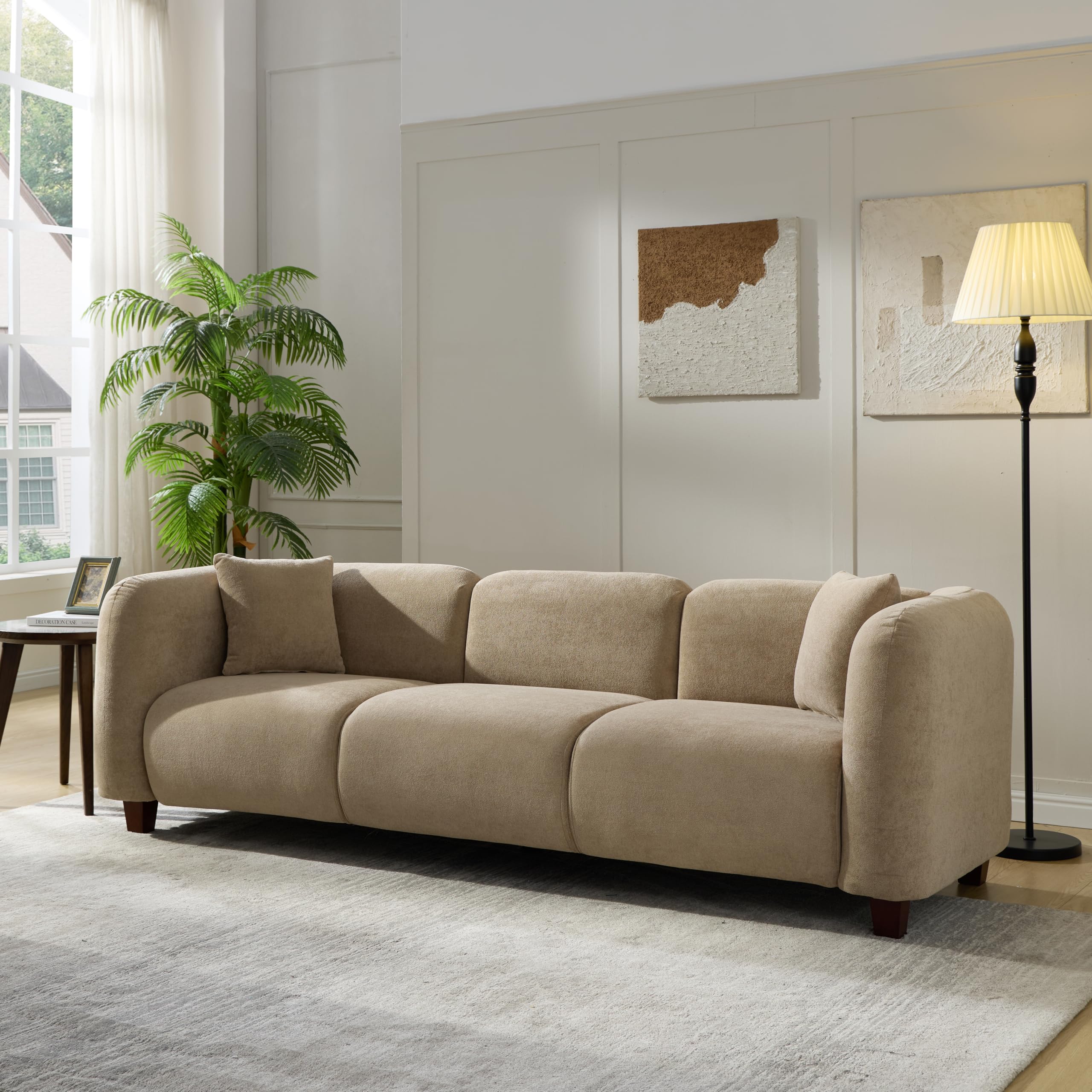
Best 3 Seater Sofas

Best Sleeper Sofas for Guests Who Actually Sleep Well
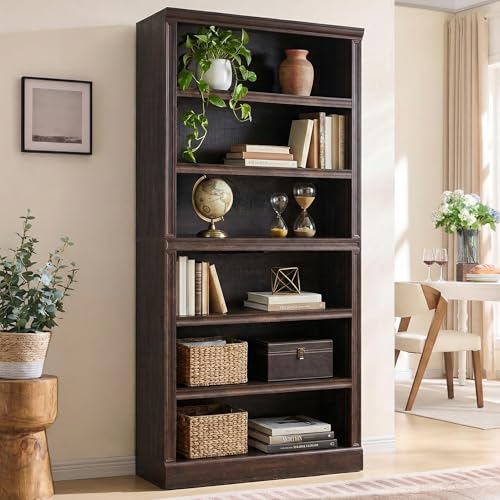
Best Bookcases for Home Library: Smart Picks at Every Budget

Best Track Lighting for Living Room: Complete Buying Guide
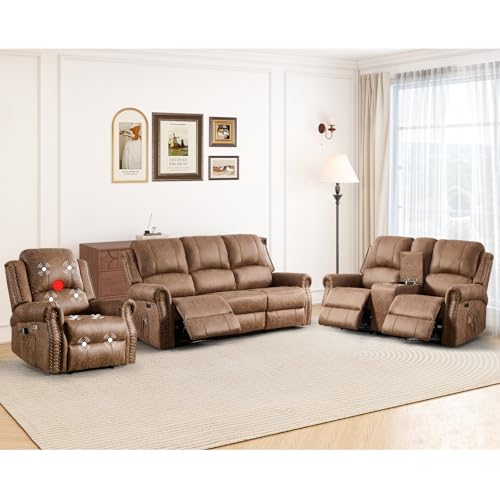
Best Living Room Furniture Set: A Complete Buying Guide
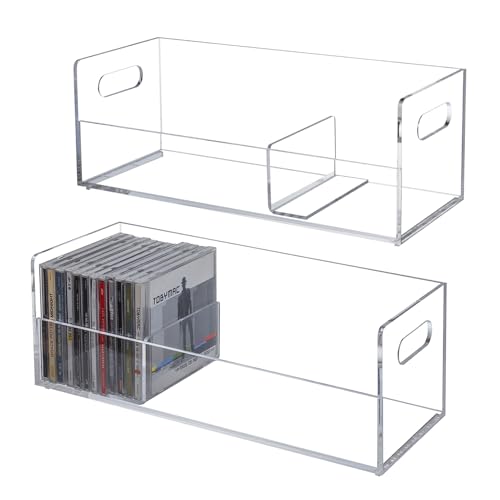
Best CD Storage Cases: A Buying Guide for Your Collection

Top 9 Best Recliners for Big and Tall Men
Plan the Layout Before the Pieces
A living room works best when the furniture follows how you use the space. Decide on a focal point first, whether that is a television, a fireplace, or a window, then arrange seating so people can talk without twisting around. Measuring helps: keep a sofa and coffee table about 18 inches apart, and leave roughly 30 inches of walkway around main traffic paths.
TV size and viewing distance belong in the plan too. Seating too close to a large screen is tiring, while a small screen across a big room is hard to enjoy. If you are upgrading the screen as well, our televisions section can help you match size to seating distance.
Choosing Seating That Lasts
The sofa is usually the biggest investment, so look past the photos to construction details:
- Frame: kiln-dried hardwood or sturdy plywood holds up better than particleboard.
- Suspension: sinuous springs or eight-way hand-tied springs resist sagging.
- Cushions: high-density foam keeps its shape; foam wrapped in fiber feels softer.
- Fabric: performance fabrics and leather stand up to kids and pets better than delicate weaves.
- Dimensions: seat depth and height affect comfort, especially for taller people.
Different households need different seating. A sleeper sofa makes sense if you host overnight guests without a spare room, while reclining sofas and oversized recliners suit movie nights and people who want extra support. Wall-hugger recliners need only a few inches of clearance behind them, which helps in tight rooms.
Tables, Storage, and Lighting
Coffee tables should be about two-thirds the length of the sofa and close to seat height. Round and oval shapes suit tight spaces and homes with toddlers, while rectangular tables offer more surface. For media gear, books, and collections, look for TV stands with cable management and shelving with adjustable heights. Lighting often gets overlooked: layering overhead, task, and accent light makes a room feel finished. Our guide to track lighting for the living room shows how to highlight art and seating areas.
Common Mistakes
- Pushing all furniture against the walls, which can make a room feel empty.
- Buying a rug that is too small to anchor the seating area.
- Choosing a deep sofa when most users are shorter and prefer to sit upright.
- Forgetting outlet locations when placing lamps and media stands.
For finishing touches like rugs, mirrors, and wall art, browse our decor picks.
Living Room FAQ
How big should my living room rug be?
Choose a rug large enough that at least the front legs of the sofa and chairs rest on it. In many living rooms that means a rug around 8 by 10 feet, though smaller rooms may suit a 5 by 8 rug.
What sofa fabric is best for pets and kids?
Performance fabrics, microfiber, and tightly woven synthetics resist stains and are easy to clean. Leather can also work well, though cats' claws may scratch it.
How high should a coffee table be?
A coffee table is usually about the same height as the sofa seat or an inch or two lower. This makes it easy to reach drinks and snacks without leaning far forward.
Are sleeper sofas comfortable for regular sleeping?
Modern sleeper sofas with memory foam or innerspring mattresses are much better than older models, but they are best for occasional guests. For nightly use, a daybed or regular bed is usually more comfortable.
How far should the TV be from the couch?
A common guideline for 4K TVs is a viewing distance of about 1 to 1.5 times the screen's diagonal size. Sitting farther away is fine but reduces the benefit of higher resolution.