
Aranet4 vs Airthings: Which Is Better in 2026?
Disclosure: We may earn a commission when you buy through links on this page, at no extra cost to you. As an Amazon Associate I earn from qualifying purchases. Learn more
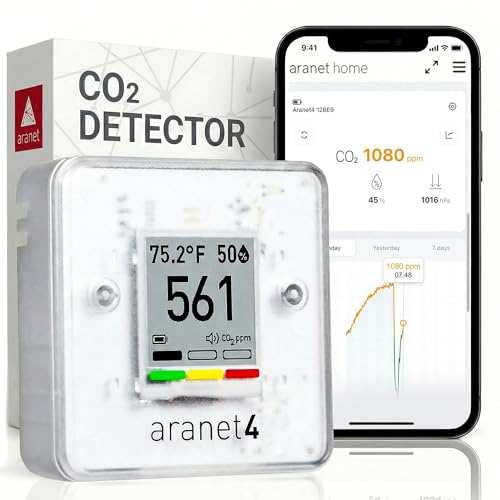
Aranet4 vs Airthings: we compare the key differences, pros and cons side by side so you can decide which one is right for you. Updated for 2026.
The choice in aranet4 vs airthings comes down to one question first. Do you mainly want to track carbon dioxide in the room you are sitting in, or a broader picture of home air, including radon? Choose Aranet4 if a focused and portable carbon dioxide reading is your priority. Choose Airthings if radon and wider pollutant coverage matter more.
That difference in scope shapes almost everything else, from price to app design to where each device belongs. Scan the comparison table below for the short version, then read the detail on sensors, apps, and running costs before you spend anything.



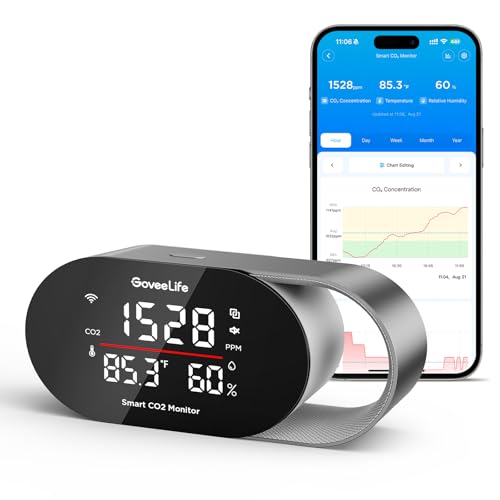
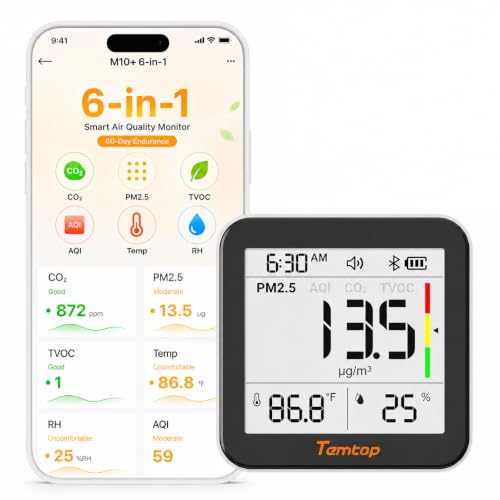
Aranet4 vs Airthings: Comparison Table
Details vary across the Airthings line, since it covers several models, while Aranet4 is a single device with one clear job.
| Criterion | Aranet4 | Airthings | Winner |
|---|---|---|---|
| Main focus | Carbon dioxide in one room | Whole home air across several pollutants | Depends on your goal |
| Radon sensing | Not measured | Measured by radon focused models | Airthings |
| Display | E ink screen on the device | Only on display equipped models | Aranet4 |
| Portability | Small and easy to carry between rooms | Most models stay in one place | Aranet4 |
| App and data | Simple app with history by Bluetooth | App plus online dashboard and trends | Airthings |
| Power | Replaceable batteries, long intervals between changes | Batteries or USB power by model | Tie |
| Best fit | Desks, classrooms, travel | Houses where radon and trends matter | Depends on your goal |
If neither side fits, our guide to the best air quality monitor covers the wider category. Keep your main pollutant in mind as you read it, since that choice matters more than any feature list.
What Aranet4 and Airthings Are
Aranet4 Overview
Aranet4 is a compact monitor built around carbon dioxide. It also reports temperature, relative humidity, and atmospheric pressure, and it shows the current reading on an e ink screen you can check at a glance. A color coded indicator sits beside the number, so you can tell quickly whether a room needs fresh air.
The device connects to a phone app by Bluetooth, where you can view history and change settings such as how often it measures. It runs on replaceable batteries and uses very little power, so people move it between a desk, a bedroom, and a classroom with almost no setup. Our detailed aranet4 review covers its screen, app, and settings in full.
Airthings Overview
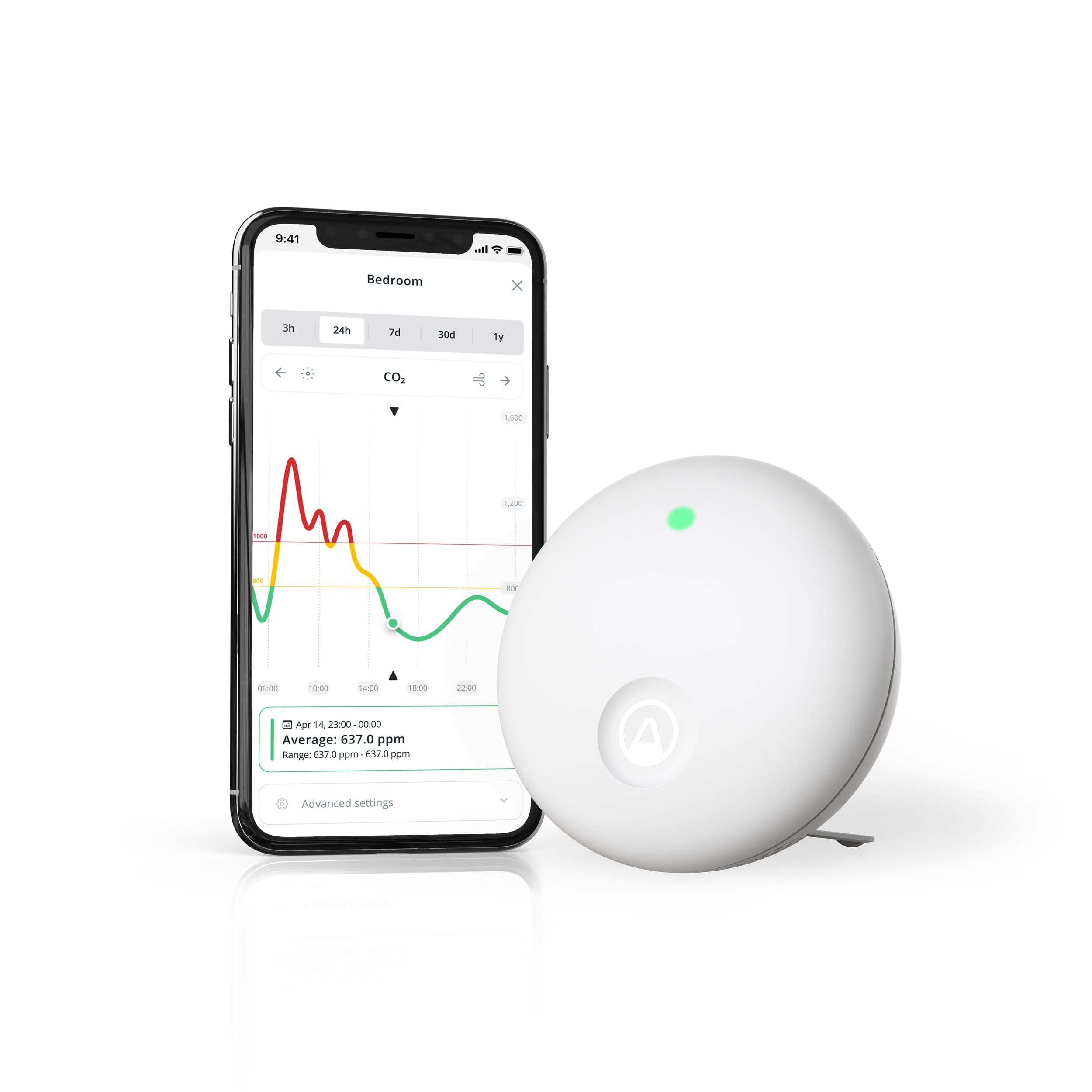
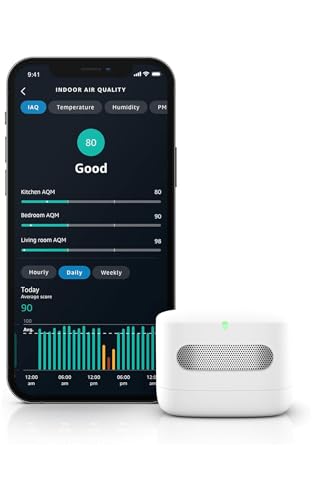
Airthings is not one device but a family of home air monitors from a Norwegian company that built its name on radon detection. Depending on the model, its devices can measure radon, carbon dioxide, airborne chemicals, particulate matter, temperature, humidity, and pressure. Some models have a screen, some show a color coded status with a wave gesture, and some rely on the app alone.
That range means your experience depends on which model you pick. Read the airthings view plus review for the display equipped model at the top of the line, and the airthings wave plus review for the battery powered model that pairs radon with carbon dioxide and chemical sensing. Data flows to the app and an online dashboard built around long term trends.
Key Differences
Six factors separate the two sides in daily use, and the first one, sensor scope, often settles the decision on its own.
Reliability and Accuracy
For carbon dioxide, both sides use nondispersive infrared sensing in their carbon dioxide capable models, the approach you want for stable readings rather than estimates derived from other gases. Aranet4 is calibrated at the factory for that single core job, and its readings respond quickly when a room fills up or a window opens. Placement still matters, since a monitor beside an open window or right next to your face will not reflect the room as a whole.
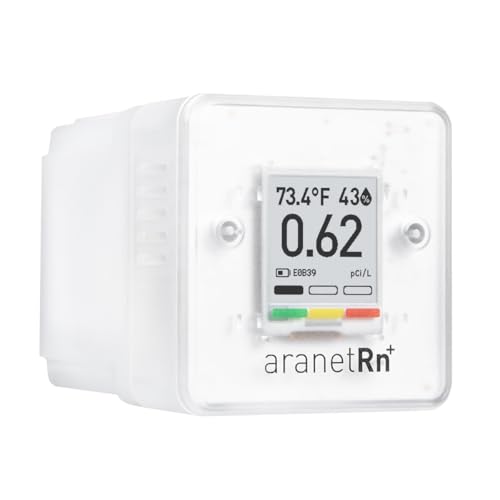
Radon is where the comparison stops being close. Aranet4 does not measure radon at all, while radon is the founding specialty of Airthings. Radon levels swing from day to day, so a continuous monitor that averages over weeks gives a far better picture than a single short test. If radon concerns you, accuracy talk should start with a device that actually senses it.
Compatibility and Smart Home Links
Aranet4 keeps things deliberately simple. It talks to its phone app over Bluetooth, so your data lives on the device and in the app when you connect, and it is not built for voice assistants or broad smart home routines. Some setups can pull its data into other systems with extra hardware or a cloud account, but that is an enthusiast path rather than a built in feature.
Airthings leans further into connected home use. WiFi equipped models sync to a cloud dashboard you can check from anywhere, and integrations vary by model and region. Support for voice assistants and automation services is model dependent, so confirm the exact model rather than assuming the whole line behaves the same way. Neither side should be bought on the promise of Matter support without checking current documentation first.
Installation and Placement
Aranet4 asks almost nothing of you. Set it on a desk or shelf at about breathing height, keep it out of direct sun and away from drafts, and it starts reporting. There is no wiring, no mounting, and no hub, and moving it to another room takes seconds. That ease helps in rented rooms, classrooms, and offices where you cannot install anything permanent.
Airthings models offer tabletop use and wall mounting, and placement depends on the pollutant you care about. A radon focused unit belongs on the lowest lived in level of the home, away from exterior doors, windows, and heat sources, sitting undisturbed while it builds an average. Plan on leaving it in one spot for weeks, which suits a house you own and monitor over seasons.
Subscription Costs
Neither side locks its core readings behind a paywall. With Aranet4, the display and basic app history work without an ongoing fee, keeping total cost close to the purchase price plus batteries. Optional cloud services aimed at fleets and professional users exist, but a home buyer can ignore them and lose nothing essential.
Airthings likewise shows readings and trends in its app and dashboard without requiring a subscription for normal home use. Paid tiers add extras such as advanced reporting for schools and offices. Count the device price first and treat any optional plan as a bonus, since neither brand depends on monthly payments to stay useful at home.
Privacy and Security
Aranet4 has the lighter data footprint. Its headline reading sits on the device itself, you can use it without a cloud account, and Bluetooth syncing is a local exchange. That suits buyers who want air data to stay in the room where it was measured, and the monitor keeps working normally if your internet connection goes down.
Airthings devices that use WiFi send data to a cloud service so you can view trends remotely and share access with family members. That convenience means creating an account and trusting a vendor with a record of your home conditions over time. Review the sharing settings after setup, use a strong password, and remove old users if you sell the home or the device.
Price and Value
Expect both sides in roughly the same spending band, about $180 to $300 for the models most home buyers compare, with prices shifting by season and retailer. Aranet4 concentrates that money on one carbon dioxide tool with a screen and long battery intervals. Airthings spreads it across a line, so a radon only model can cost less, while a model stacking radon, carbon dioxide, chemicals, and particles costs more.
Value depends on whether you would pay for sensors you may never act on. If radon is not a concern in your area and ventilation is your real question, paying extra for radon sensing buys little. If you own a house in a radon prone region, a focused carbon dioxide meter leaves your biggest question unanswered, and the broader device earns its price.
Which Should You Buy?
Choose Aranet4 If
- You want to know when a room needs fresh air, and carbon dioxide is the number you act on.
- You work or teach in different rooms and want a monitor that travels with you in a bag.
- You prefer reading the number on the device itself without an account or a cloud service.
- You rent, share a space, or cannot mount anything on a wall.
People who run meetings, teach classes, or work from a home office often get the most from this route, since stuffy air shows up fast in a small closed room.
Choose Airthings If
- Radon is a realistic concern for your house, and you want continuous tracking rather than a one time test.
- You want trends over months, plus a dashboard you can check while away from home.
- You care about several pollutants at once and want one app to hold them together.
- The monitor will live in one house long term, where setup effort pays off.
Homeowners tend to land on this side, since radon risk and seasonal patterns only reveal themselves over time.
Other Options to Consider
A third path exists if neither scope fits. Some buyers need particulate sensing first, for wildfire smoke, cooking particles, or renovation dust, and neither side puts particles at the center in every model. In that case, shop the wider category by sensor list rather than by brand, and confirm that fine particles are measured directly rather than estimated.
You can also skip a gadget and act on the building itself. A radon test kit or a professional radon assessment may answer your one question better than a connected monitor. Decide which pollutant drives your decision, then let that answer pick the tool category.
How to Keep Either Monitor Reading Well
Both devices are close to maintenance free, but a few habits keep readings honest. Dust the case and sensor openings gently with a dry cloth, and never spray cleaner directly at the vents, since moisture inside can skew results. Keep the monitor where air circulates freely, not inside a cabinet or behind curtains.
Watch battery status in the app so a dead battery does not leave a silent gap in your history. If readings suddenly look implausible, fresh outdoor air and a restart resolve most drift concerns before you assume the device has failed.
FAQ
Is Aranet4 better than Airthings?
Neither is better in the abstract, because each wins on different ground. Aranet4 is stronger for portable carbon dioxide checks and quick ventilation decisions, while Airthings is stronger for radon and whole home trends. One extra factor is your local radon map, since homes in high radon zones gain far more from the Airthings side.
What is the main difference between Aranet4 and Airthings?
The main difference is scope. Aranet4 is one device devoted to carbon dioxide, with temperature, humidity, and pressure in support. Airthings is a product line, so you choose a model based on which pollutants you want covered, and you can add more devices later under the same app. An Airthings purchase therefore starts with picking a model, not just a brand.
Which is easier to clean, Aranet4 or Airthings?
They are close to equal, since neither has a filter to wash or replace. Airthings holds a slight edge because its devices usually stay mounted in one spot and gather less handling dust. Aranet4 gets carried more, so its case and screen benefit from a quick wipe more often, especially after travel or classroom use.
Which lasts longer, Aranet4 or Airthings?
Both are built for years of service, and carbon dioxide sensors in this class are rated for long working lives when kept dry and indoors. The practical limit is usually support and batteries rather than the sensor itself. Aranet4 uses standard replaceable cells you can swap in seconds, while Airthings models vary, so check your chosen model before you buy.
Final Thoughts
Settle the sensor question and the rest of aranet4 vs airthings falls into place. Pick Aranet4 for a portable, screen equipped carbon dioxide monitor that needs no account. Pick Airthings for radon sensing, broader coverage, and trends you can follow from anywhere. The product table above shows how those strengths line up.
Whichever side you choose, act on the numbers. Open windows or improve ventilation when carbon dioxide stays high, and if radon readings stay elevated over several weeks, contact a qualified radon professional about mitigation. A monitor earns its keep only when its readings change what you do next.

