Aranet4 Alternative: Cheaper and Comparable Options (2026)
Disclosure: We may earn a commission when you buy through links on this page, at no extra cost to you. As an Amazon Associate I earn from qualifying purchases. Learn more

Aranet4 alternative options by type: multisensor, budget CO2 and connected monitors, with the trade offs of each compared.
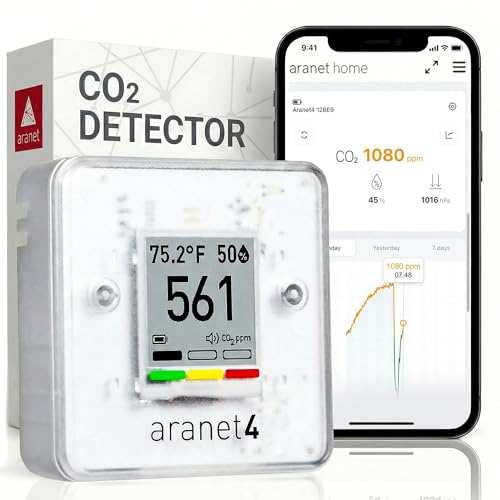
The Aranet4 earned its reputation by doing one job very well. It tracks carbon dioxide with a proper sensor, shows the reading on a calm e ink screen, and runs for a long stretch on batteries. Still, many shoppers go looking for an aranet4 alternative because the price feels steep for a device that leaves out dust, chemicals, and radon, or because they want alerts on their phone while they are away from home.
This guide compares the main types of monitors that can take its place, what each type gains, and what each one gives up. The comparison table below sums up the trade offs, and our wider guide to the best air quality monitor covers the full category if your needs go beyond carbon dioxide alone.



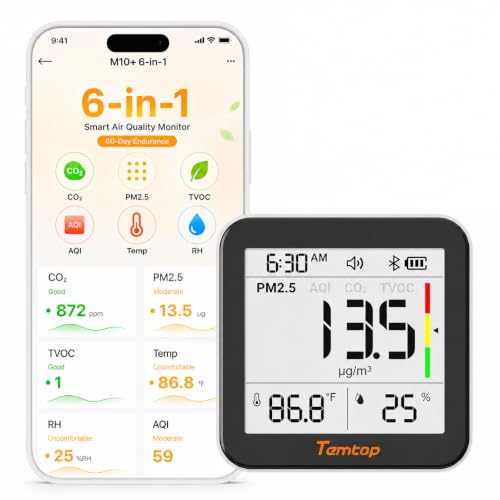
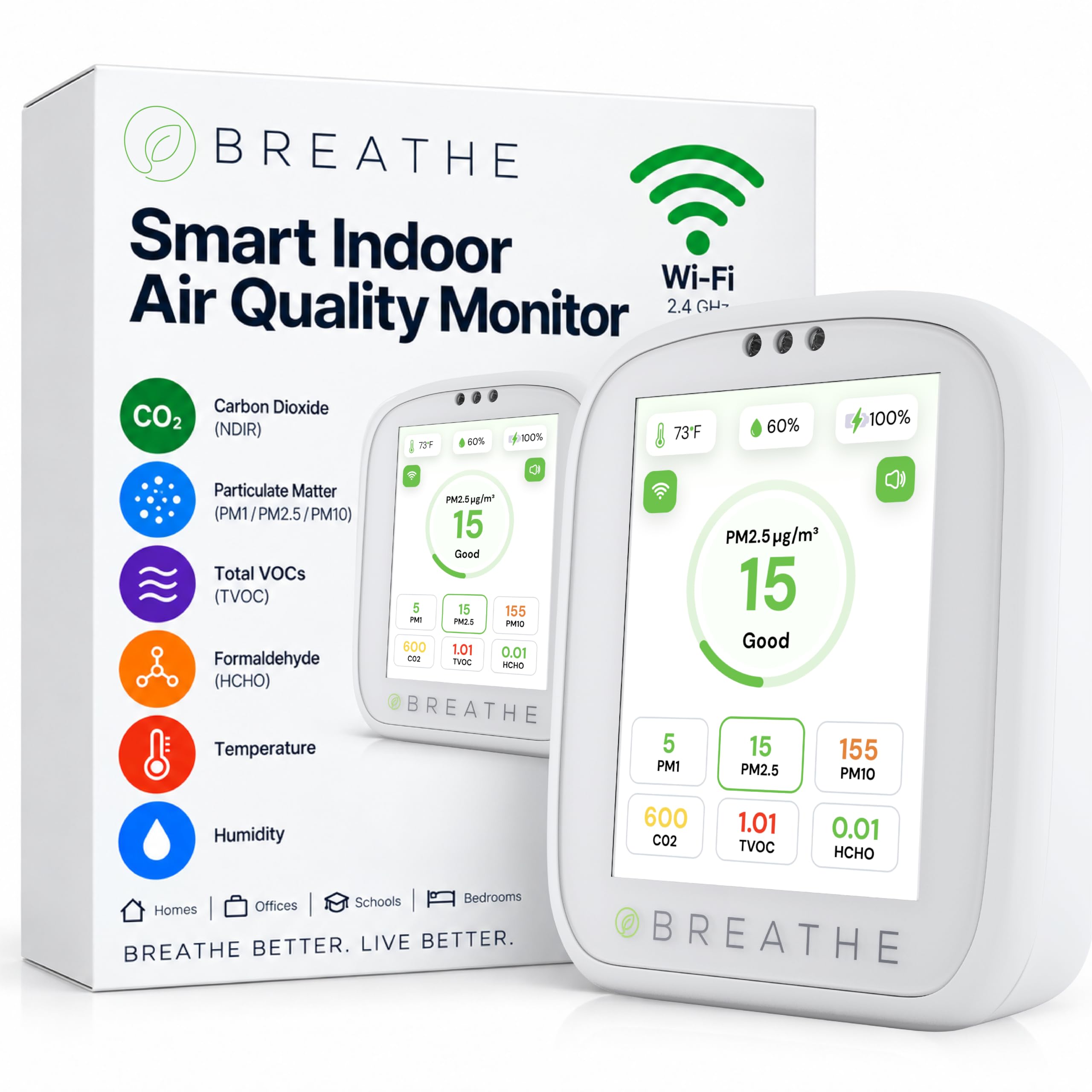
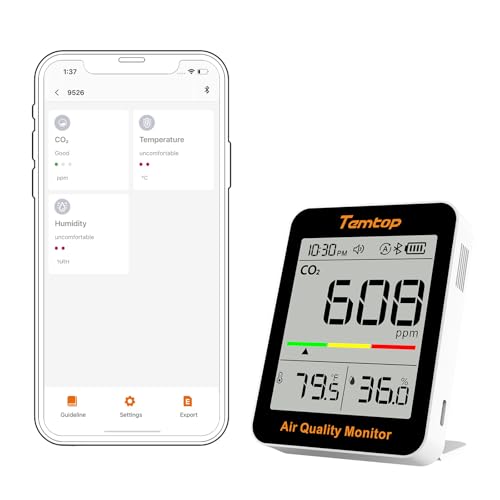
Quick Comparison Table
Here is how the three types below compare by relative price, main strength, and main weakness, before you study the details.
- Broad multisensor monitors: about the same price as the Aranet4 or a little more. Strength: they add dust particles, chemicals, humidity, and sometimes radon to the carbon dioxide reading. Weakness: the carbon dioxide sensor is not always as precise, and the larger display or extra radios can mean shorter battery life.
- Focused carbon dioxide monitors: about half the price or less. Strength: they keep the one measurement most buyers care about and stay simple to read. Weakness: cheaper sensors can drift, screens are often basic, and data history may be thin or missing.
- Connected whole home monitors: usually the highest price. Strength: WiFi links, phone alerts, and long data records you can check from anywhere. Weakness: they need mains power or frequent charging, and some features sit behind a subscription.
None of these types beats the Aranet4 at everything. The right aranet4 alternatives for you depend on which gap you are trying to fill.
Why Look for an Aranet4 Alternative?
Price is the most common reason. The Aranet4 uses a quality nondispersive infrared sensor for carbon dioxide, and that part costs money, but the bill still surprises people who only want a rough sense of when to open a window. If your goal is a simple nudge to ventilate a bedroom or classroom, a focused monitor at a lower price can feel like better value.
Coverage is the second reason. The Aranet4 reports carbon dioxide, temperature, humidity, and air pressure, and nothing else. It cannot tell you about fine dust from cooking or wildfire smoke, about gases given off by new furniture and cleaning products, or about radon seeping in from the ground. Households worried about any of those need a monitor with a wider set of sensors.
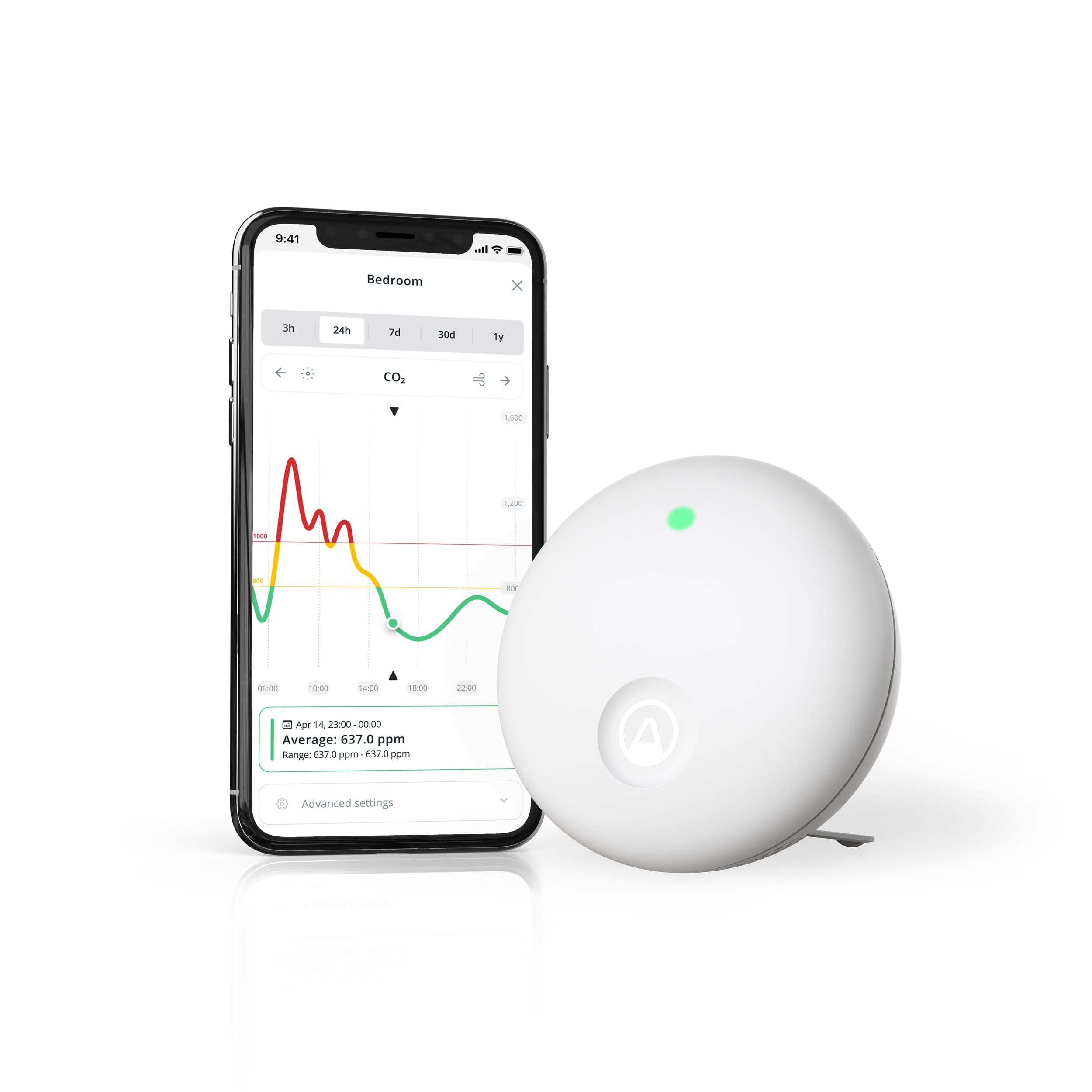
Connection limits push some buyers away as well. The Aranet4 talks to its phone app over Bluetooth, which means you must be near the device to sync readings and you get no alerts while traveling. A WiFi connected monitor can push a warning to your phone from across town, which matters if the monitor watches a rental property, an office, or a room where an older parent spends the day.
Finally, some readers simply find the small e ink screen hard to read at a distance or want a display that glows with a color coded warning. Others need a monitor that plugs in and never asks for batteries. None of these are flaws in the original design, but they are real reasons to shop around.
The Best Alternatives
Instead of naming single models as picks, this section compares the three types that most often replace an Aranet4. Each type below notes how it resembles the original, where it pulls ahead, where it falls short, and who should choose it.
Broad Multisensor Monitors
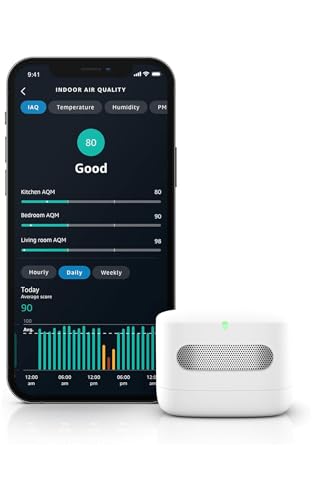
A broad multisensor monitor keeps carbon dioxide at the center and adds sensors for fine dust particles, chemical vapors, temperature, and humidity, and some designs add radon as well. That wider view suits homes where stuffy air is only one concern among several, such as houses near busy roads or families cooking often with gas. Two gains stand out: one device answers more questions, and the app charts usually make it easy to see which problem rises at which hour. The drawback is that carbon dioxide accuracy varies more in this group, so check the sensor type in the specs before you buy.
Readers who want the fullest picture of indoor air in one unit often land here, and our airthings view plus review shows the kind of sensor lineup and display this type offers. Choose this type if you would rather own one capable monitor than two narrow ones, and if you accept a higher price and more frequent charging in exchange for the extra data.
Focused Carbon Dioxide Monitors
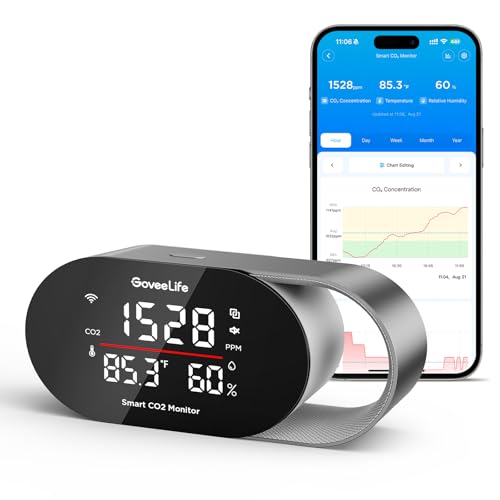
A focused monitor strips the idea back to the basics: a carbon dioxide sensor, a clear numeric display, and often temperature and humidity as supporting readings. Prices commonly land around $50 to $120, well under the Aranet4, which makes this type popular for classrooms, shared offices, and anyone who wants a second unit for another room. The gains are price and simplicity, since there is little to configure and nothing to subscribe to. The weakness is sensor quality at the bottom of the range, where automatic baseline calibration can pull readings off track in rooms that never get fresh air.
Choose this type if carbon dioxide is truly the only number you will act on and you will open windows or run ventilation when it climbs. Skip it if you need records you can export, alerts on your phone, or readings you plan to share as evidence with a landlord or school, because budget units rarely store much history.
Connected Whole Home Monitors
A connected monitor treats air data as an ongoing record rather than a glance at a screen. These units join your WiFi network, log readings around the clock, and send alerts when a level you choose crosses a line you set. Some add radon sensing, which matters in regions where radon in homes is common, and our airthings wave plus review illustrates how that radon focused approach works in practice. The gains are remote access, rich history, and alerts. The costs are a higher purchase price, a need for mains power or regular charging, and in some cases a paid plan for the deepest data views.
Choose this type if you manage air in a place you cannot visit daily, if you track a health related concern over months, or if several people in the household want the data on their own phones. If the monitor will sit on your desk where you can see it all day, the extra connection features may add cost without adding much value for you.
How We Picked the Alternatives
Rather than reviewing individual products, we judged each type against the factors that decide whether an Aranet4 substitute will satisfy you after the first week. Use the same list for specific listings.
- Sensor match: the monitor must measure carbon dioxide with a true infrared sensor, not an estimated value derived from a chemical sensor, and any extra sensors should match a concern you actually have.
- Accuracy you can check: look for a stated accuracy range in the specs and a way to calibrate, since a number without either is hard to trust.
- Display and alerts: decide whether a screen on the device matters to you, and whether alerts should reach your phone when you are out.
- Power source: battery models suit shelves and rented rooms, while plug in models suit fixed spots and never go dark between charges.
- Data history: check how far back the app stores readings and whether you can export them, if trends matter more than single readings.
- Full cost: add batteries, possible subscriptions, and sensor replacement over the years you plan to keep the device, not just the purchase price.
A type that scores well on the factors you care about, and poorly only on ones you do not, is the right shortlist. From there, compare current listings on sensor type and stated accuracy before anything else, because those two decide whether the numbers deserve your trust.
Should You Just Buy the Aranet4?
Sometimes the honest answer is yes. If you want portable carbon dioxide checks with strong accuracy, a screen that sips power, no subscription, and a device you can carry from a bedroom to a meeting room, the original still fits that brief better than most rivals. Our aranet4 review walks through its strengths and limits in detail if you are still deciding.
Buy an alternative instead when one clear gap drives your search: dust or radon data the Aranet4 cannot give you, WiFi alerts while you are away, or a much lower price for a single room. If none of those gaps applies to you, switching types tends to trade away the calm simplicity that made the Aranet4 popular in the first place.
One more case deserves a mention. If you need several rooms covered, a mix often beats a single choice: one accurate unit for the main bedroom, and cheaper focused units for the other rooms, can cost about the same as two premium monitors while telling you more about the whole home.
FAQs
What is the best alternative to the Aranet4?
For most households, a broad multisensor monitor is the best substitute, because it keeps carbon dioxide tracking and adds the dust and chemical readings the Aranet4 lacks. One detail the main sections did not cover: place whichever monitor you choose at breathing height, roughly three to six feet above the floor, and away from windows and your own breath, since a unit beside your desk chair will spike every time you exhale and paint a worse picture than the room deserves.
Is there a cheaper version of the Aranet4?
There is no official budget edition of the Aranet4 itself, but focused carbon dioxide monitors from other makers fill that role at about half the price or less. When you shop this tier, look for a manual calibration option in the settings. Taking the unit outdoors into fresh air for a calibration session now and then keeps a budget sensor honest, and models that lock you out of that step are the ones most likely to drift over time.
Is the Aranet4 worth the price?
It is worth the price if you will use it for years and value accuracy without upkeep, because a quality infrared sensor holds calibration far longer than the sensors in most budget units. The math changes if your interest is a short project, such as checking one classroom for a single term. In that case a cheaper focused monitor gives you the same decisions about opening windows, and the savings can go toward a second unit for another room.
Can an Aranet4 alternative measure radon and dust as well as carbon dioxide?
Yes, some multisensor and connected models include dust particle sensing, and a smaller number add a radon sensor too. Keep expectations realistic about speed: radon readings need days to settle into a useful average, because levels swing with weather and ventilation, so a radon capable monitor is a long term resident of one room rather than a device you move around for spot checks the way you might with carbon dioxide.
Will an Aranet4 alternative work without a phone or an app?
Many will, as long as you pick a model with a real screen on the device. Screenless units depend on an app for every reading, which excludes household members without the app and makes a quick glance impossible. If grandparents or children should be able to read the monitor too, treat a built in display as a firm requirement, and treat app only designs as a poor fit no matter how strong their sensors are.
Final Thoughts
Choosing an aranet4 alternative is really about naming the one or two things the original does not do for you, then picking the type that fixes exactly those gaps. Broad multisensor models add coverage, focused models cut the price, and connected models add alerts and history. Check the product table above against the sensor, power, and data factors in this guide, and the right type for your rooms should become clear.