
Best 30 Pint Dehumidifiers (2026): Drainage, Noise and Coverage
Disclosure: We may earn a commission when you buy through links on this page, at no extra cost to you. As an Amazon Associate I earn from qualifying purchases. Learn more

A practical guide to the best 30 pint dehumidifier: bucket, pump and smart types, sizing and care.
A damp room makes everything harder. Clothes take longer to dry, wood and paint suffer, and that musty smell settles into furniture and stored boxes. The best 30 pint dehumidifier sits in the middle of the home range, strong enough for a basement, laundry room, or open living area, yet small enough to move between rooms without a struggle.
This guide explains how the main types differ, which features actually change daily use, and how to tell whether this size fits your space. The comparison table below sums up the key differences, and the sections after it walk through sizing, drainage, noise, and running costs in plain terms.
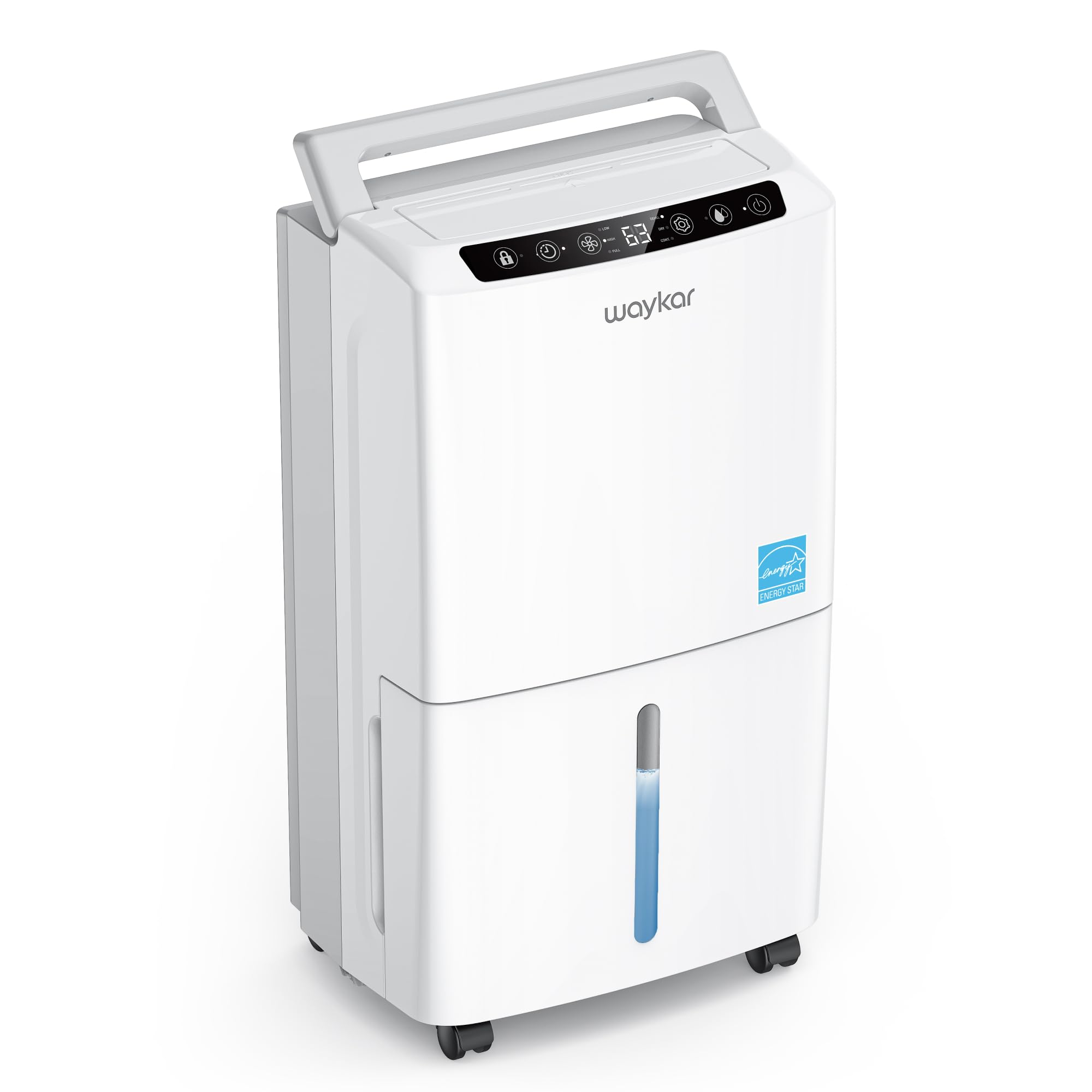


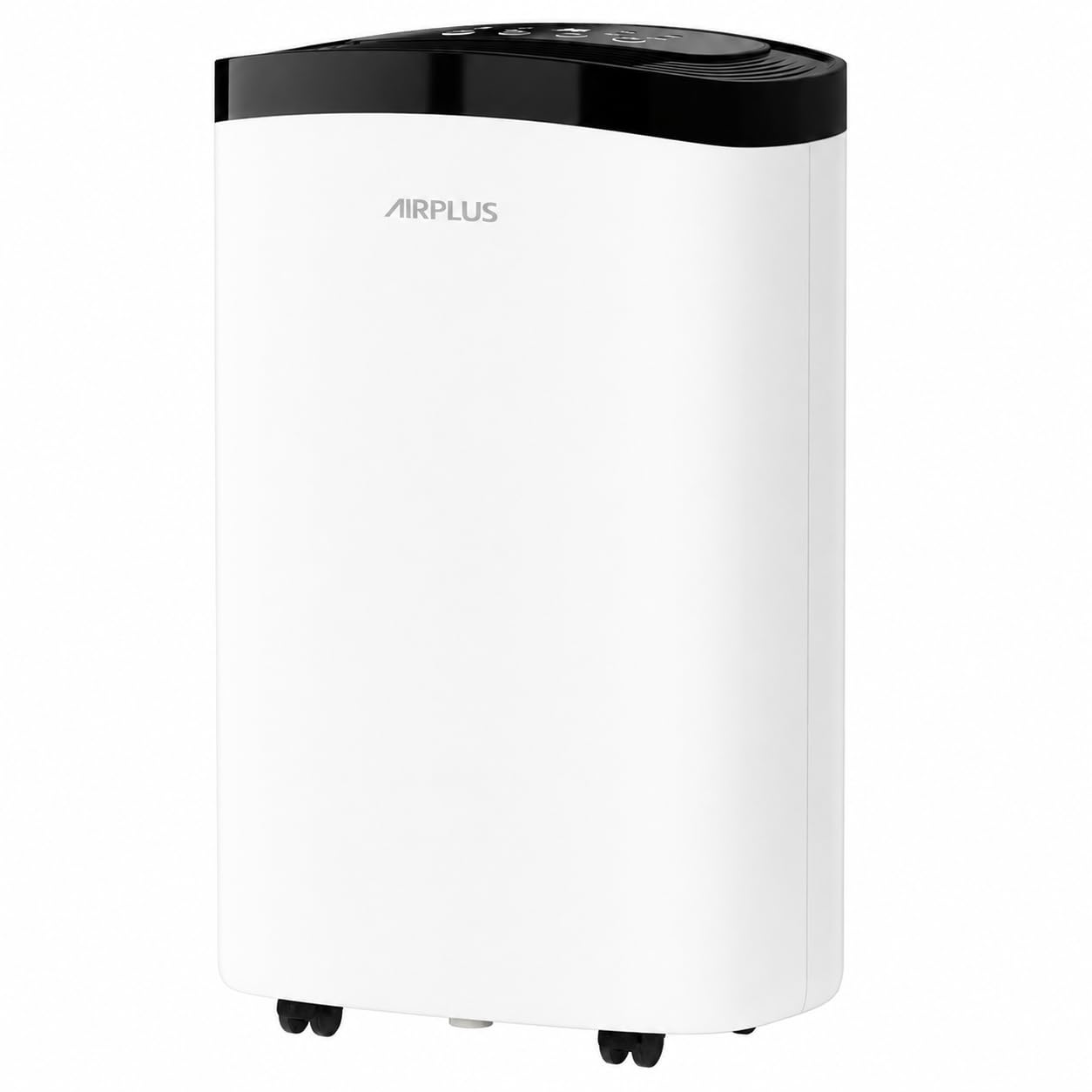


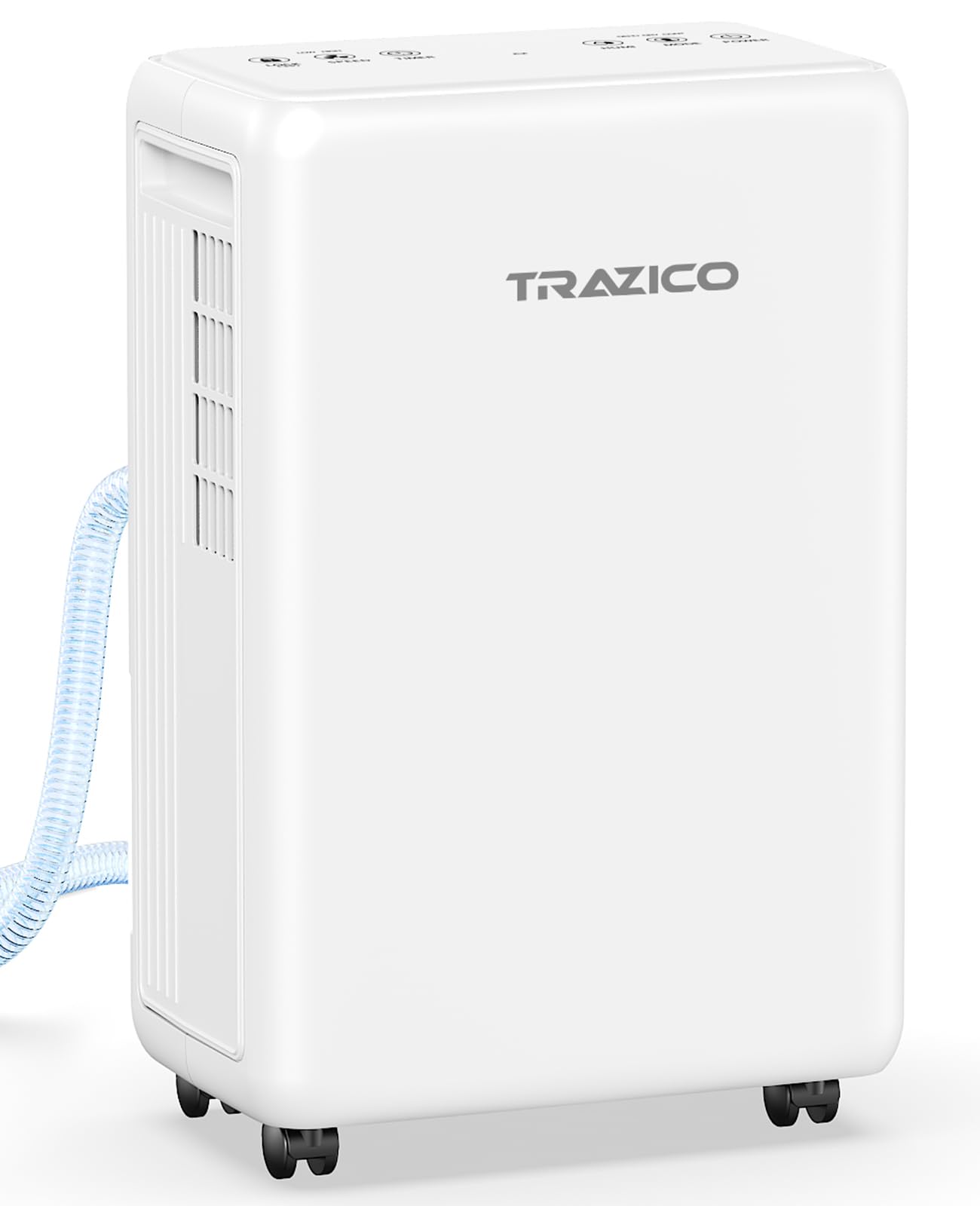

Types of 30 Pint Dehumidifiers Compared
Every model in this class removes roughly the same amount of water per day under standard rating conditions. What separates them is how they handle the collected water, how much control you get, and how they behave in cool or quiet rooms. The three types below cover nearly everything you will see for sale.
Standard Compressor Models With a Bucket
The classic design uses a compressor and cold coils to pull moisture from the air, and the water drips into a removable bucket you empty by hand. These are usually the lowest priced option and the simplest to own, with no hose routing and no pump to fail. The trade off is attention. In a humid basement the bucket can fill once or twice a day, and the unit stops when it is full, so this type suits rooms you pass often.
Models With a Built In Pump
A built in pump pushes collected water upward or across to a sink, floor drain, or window, which matters when no drain sits below the unit. Pump models free you from emptying buckets and keep drying through a wet week while you are away. They cost more, and the pump adds a part that can clog if the water carries dust or sediment, so a quick rinse of the tank and filter matters more with this type than with a basic bucket model.
Smart Models With WiFi and App Control
Smart models add WiFi, an app, and often voice assistant support on top of the same compressor hardware. You can check the room humidity from another room, set schedules, and get an alert when the bucket is full. That control helps in a vacation home, a rental, or a finished basement you rarely visit. If the unit will sit in a room you use daily, a clear onboard display and a simple humidistat give you most of the same benefit for less money.
How to Compare the Best 30 Pint Dehumidifiers
Compare models on the factors that decide how a unit performs in a real home rather than on a specification sheet alone. Coverage and moisture removal come first, followed by noise level, energy use, tank size and drainage options, filter access, and the quality of the humidity controls. Draw on manufacturer specifications and patterns in verified buyer feedback, and favor models whose stated coverage matches the room sizes this capacity class actually serves well.
How to Choose the Right Dehumidifier
Size and Form Factor
Capacity classes run from small desktop units up through 30, 35, and 50 pint models, plus large commercial machines. A 30 pint unit is typically a compact tower or box on caster wheels, roughly the footprint of a small suitcase, so it fits in a laundry room corner or beside a water heater. Measure your floor space and doorways before ordering, and leave a few inches of clearance around the air intake and outlet so the fan can move air freely.
Type
Nearly all 30 pint home models use a compressor, which works well at normal room temperatures and uses moderate power. Desiccant models suit unheated spaces because they keep working in the cold, but they are rare at this capacity and usually cost more to run. Beyond the core type, decide on drainage style, portable bucket or continuous hose, and whether extras like a pump, smart controls, or an Energy Star rating matter for your rooms.
Features Worth Paying For
A few features earn their cost quickly. A built in pump or at least a hose connection ends daily bucket trips. Auto defrost protects the coils in a cool basement and keeps the unit running instead of icing over. An accurate humidistat holds your target level without constant adjustment, and a timer helps you run the unit on cheaper overnight power. WiFi is pleasant but optional. Skip paying extra for decorative lighting or oversized digital displays that add nothing to drying.
Room Size and Coverage Ratings
Manufacturers rate this class for spaces up to roughly 1,500 square feet, but that figure assumes mild dampness. In a wet basement with a known leak history or standing moisture after rain, treat the honest working range as closer to 800 to 1,000 square feet, and expect slower results at the top of it. Match the unit to the dampest room it must handle, not the largest. One correctly sized unit in the problem room beats a bigger unit placed two rooms away.
Running Cost and Energy Use
A 30 pint compressor model draws a few hundred watts while the compressor runs, and it cycles on and off as the humidistat calls for drying. Energy Star rated models remove more water per unit of electricity, which shows up on your bill during a long humid season. Your real cost depends on local rates and how many hours the compressor runs each day, so a damp basement in July costs far more to dry than a mildly humid bedroom.
Noise Levels for Bedrooms
Expect clearly more noise on high fan than on low, and check the decibel figure on the listing. Compressor hum carries through light sleep, so place the unit as far from the bed as the room allows and run low fan overnight. If the goal is a nursery or a very light sleeper, compare your options in our guide to the best dehumidifier for bedroom, where low noise designs are the priority.
Filters, Tanks, and Maintenance
Every model in this class uses a washable mesh filter that slides out for rinsing, and keeping it clean protects airflow and drying speed. Buckets in this class usually hold around 1 to 1.5 gallons, and a full bucket is heavy enough that two hands are wise. Look for a bucket with a handle and a splash guard, a filter that comes out without tools, and coils you can reach with a soft brush during a seasonal clean.
How Much Should You Spend?
Most 30 pint models sell for about $150 to $250. Near the bottom of that range you get a solid compressor, a bucket, and basic controls, which is enough for many homes. Spending about $200 to $250 usually adds a pump, better humidity control, quieter low fan settings, or smart features. Paying far above that range for this capacity rarely buys faster drying, so put extra money toward the features you will use weekly rather than a longer feature list.
Is a 30 Pint Dehumidifier the Right Size for You?
Choose this size if your damp space is a single room or a modest basement, the humidity problem is steady rather than severe, and you can place the unit near the moisture source. It handles a laundry room, a large bedroom, a small apartment, or a basement of moderate size with ease. If you are weighing it for a damp lower level, our guide to the best dehumidifier for basement explains when a larger 50 pint model earns its higher price.
Step up in size if the space is large and open, water seeps in after storms, or the unit must dry several connected rooms through open doorways. Step down only for a single small space like a closet or a compact bathroom, and note that small bathrooms often do better with ventilation fixes first; the best dehumidifier for bathroom guide covers those tight spaces in detail. Persistent standing water is a drainage or waterproofing problem first, and no dehumidifier of any size substitutes for fixing the source.
FAQ
What is the best 30 pint dehumidifier for most homes?
For most homes it is a compressor model with an accurate humidistat, a hose connection for continuous drainage, and auto defrost if it will run in a basement. That mix covers the widest range of rooms without paying for features you may never open. Pump and smart versions suit specific setups, like draining up to a sink or checking a second home, rather than being better for everyone.
What size dehumidifier do I need for my space?
Start with the room area, then adjust for how wet it feels. A mildly damp room of up to about 1,500 square feet suits a 30 pint unit, while a very wet space of 800 square feet can need the same capacity because moisture load matters as much as floor area. Signs you need more capacity include the unit running constantly without reaching your target humidity and surfaces staying damp to the touch.
What humidity should a basement be kept at?
Aim for 30 to 50 percent relative humidity in a basement. Below 30 percent the air feels harsh and wood can dry and crack, while above 50 percent damp problems such as mold become more likely. Set the humidistat near 45 percent as a starting point and adjust by how the room smells and feels after a week. For a fuller explanation of targets by season, see what humidity should a basement be.
How do you clean a 30 pint dehumidifier?
Unplug the unit, slide the filter out, and rinse it with water, then let it dry fully before refitting. Empty the bucket and wash it with warm water and mild soap to stop the slimy film that causes odors. Wipe the coils gently with a soft cloth if dust has built up. A musty smell that survives cleaning usually means moisture is sitting in the hose or the room itself is feeding mold growth elsewhere.
Does a 30 pint dehumidifier use a lot of electricity?
It uses far less than an air conditioner, since there is no large outdoor unit and the compressor is small. To estimate your cost, multiply the wattage on the label by the hours it runs each day, divide by 1,000 for kilowatt hours, and multiply by your local rate. Our detailed breakdown at does a dehumidifier use a lot of electricity walks through real examples, including why a unit that reaches its target and cycles off costs less than an undersized one that runs all day.
Final Thoughts
The right choice comes down to drainage, noise, and how damp your space truly is. Pick the type that fits your drain options, confirm the capacity against your wettest room, and let the product table above guide your final shortlist. Chosen well, the best 30 pint dehumidifier quietly holds a room at a comfortable level for years with little more than filter rinses. If your needs stretch beyond this size class, start from our overview of the best dehumidifier options across every capacity.


