Best Air Purifier Under $500 in 2026: Buying Guide for Large Rooms and Allergies
Disclosure: We may earn a commission when you buy through links on this page, at no extra cost to you. As an Amazon Associate I earn from qualifying purchases. Learn more

The best air purifier under 500 matches CADR and filtration to your room. Compare tower, box and compact types.
A budget under $500 opens up far more choice than most shoppers expect, and that is exactly what makes picking hard. Units in this range differ in room coverage, filter depth, noise on sleep settings, and yearly filter cost. Finding the best air purifier under 500 for your home means matching those factors to your room and your main concern, and the product table lists current options.
This guide walks through the types you can buy at this price, who each one suits, and the specs that separate a strong value from a weak one.




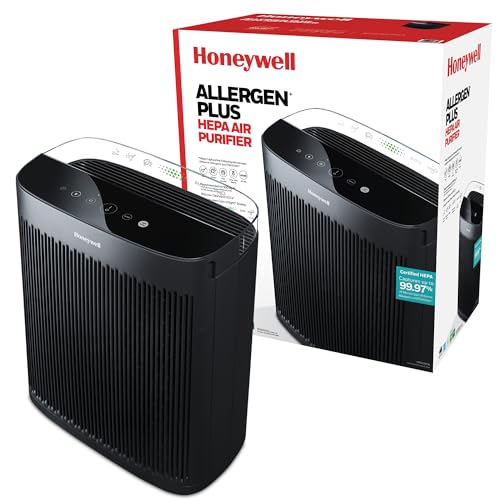
Air Purifier Types You Can Get for Under $500
Start with the three broad designs that dominate this price range. Each trades size, airflow, and filter capacity in a different way.
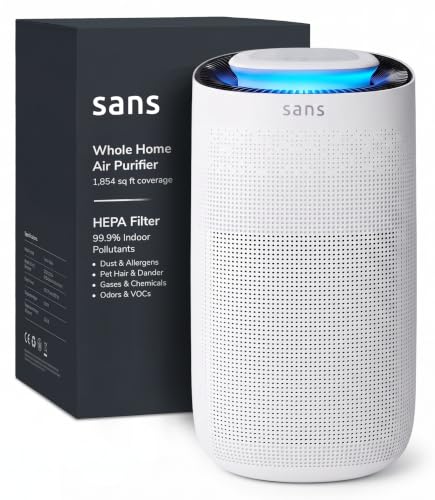
Tower units for living rooms and open plans
Tower units stand tall and pull air through a large filter stack, so they move a lot of air without taking much floor space. That shape suits living rooms and shared family spaces where the unit runs for many hours a day. Look for a generous intake area and a carbon layer thick enough for cooking smells.
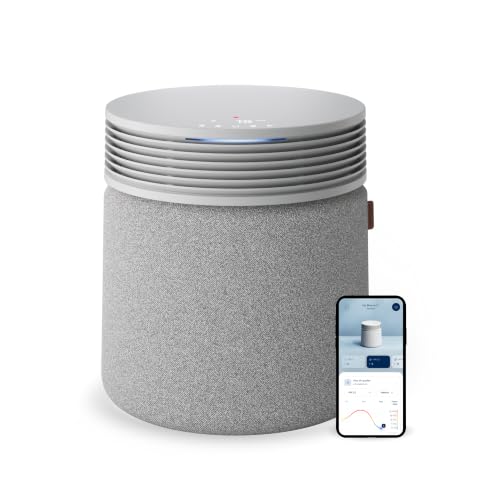
Box style units for bedrooms and nurseries
Box style units are shorter and wider, with a big flat filter that often gives strong particle capture at lower fan speeds. Running slower matters in a bedroom, since a quieter unit is one you will actually leave on overnight. Many models in this group include a sleep mode that dims display lights as well as lowering sound.
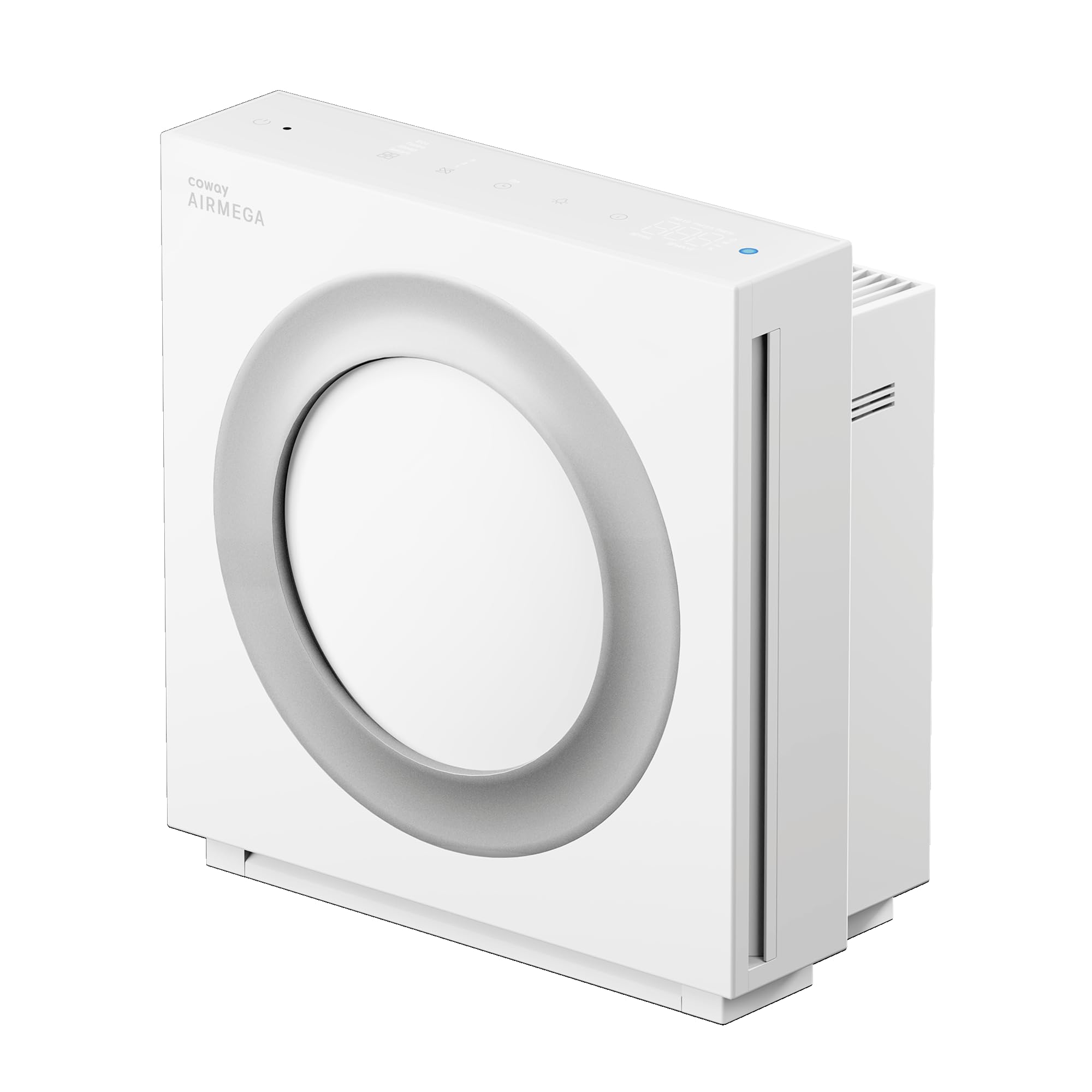
Compact units for small rooms and desks
Compact units suit dorm rooms, home offices, and small guest rooms where a full size tower would crowd the space. Their filters are smaller, so they clean a modest room well but cannot keep up in a large open area. Running costs stay low because replacement filters are smaller and the fan draws little power.
Who Should Buy an Air Purifier Under $500?
The under $500 range makes most sense when one clear problem drives the purchase. The three groups below cover the most common reasons people shop at this level.
Homes dealing with allergies and dust
If pollen, dust, and dander trigger your symptoms each season, this budget buys a true HEPA filter with enough airflow to turn over bedroom air several times an hour. For filter grades and bedroom placement, see our guide to the best air purifier for allergies. A purifier manages particles in the air, and it does not replace medical care for asthma or severe allergies.
Pet owners managing hair and odors
Homes with dogs or cats need two things at once, strong particle capture for dander and enough activated carbon to absorb litter and pet odors. Models under $500 usually offer both, along with a washable prefilter that catches hair before it loads the main filter. Our guide to the best air purifier for pets covers odor control in more detail.
Damp homes worried about mold spores
In basements and bathrooms with a history of damp, a purifier can reduce airborne mold spores while you fix the moisture source itself. A purifier cannot remove mold growing on walls, and visible growth needs proper cleanup. See our guide to the best air purifier for mold for cleanup boundaries and placement tips.
How to Evaluate Models in This Price Range
Compare models on published Clean Air Delivery Rate figures, filter type, and the sound level stated for each fan speed, rather than on marketing claims about room size alone. Manufacturer specs, AHAM directory listings, and Energy Star data give you numbers you can check across brands. If you want the basic science first, our explainer on do air purifiers work shows what particle filtration can and cannot do.
Then weigh filter life, since a cheap unit with pricey filters can cost more over three years than a higher priced model.
How to Choose the Right Air Purifier
Work through each buying factor in the order that matters most when choosing the best air purifier under 500 for your home. Start with room size, because an undersized unit fails no matter how good its filter is.
Size and form factor
Measure your room and note ceiling height before you shop, since coverage claims assume a standard ceiling of about 8 feet. A tall tower fits a corner of a living room, while a low box shape slides beside a dresser in a bedroom. Leave several inches of clear space on the intake side so the fan is not starved of air.
Filter type and purification method
True HEPA media is the core choice for particles, capturing at least 99.97 percent of particles down to 0.3 microns under the HEPA standard. The label matters, since vague terms such as HEPA type describe looser media with lower capture rates. Activated carbon handles gases and smells that HEPA media passes straight through. Avoid models that rely on ozone generation, and treat ionizers as extras rather than substitutes for a proper filter stack.
Features worth paying for
An air quality sensor that raises fan speed when dust or smoke spikes is genuinely useful, since pollution in a home comes in bursts from cooking, cleaning, and open windows. A filter change indicator based on run time also helps you plan replacements. Skip built in fragrance diffusers, which add scent rather than cleaning the air you breathe.
Room size and coverage ratings
Use the Clean Air Delivery Rate, called CADR, rather than the marketing room size printed in large type. A common AHAM guideline is to choose a CADR of at least two thirds of the room area in square feet. So a room of about 300 square feet needs a CADR of about 200 or more for steady results.
Running cost and energy use
Most units in this range draw roughly 30 to 70 watts on medium settings, similar to a single older light bulb running all day. Energy Star certified models use less power for the same CADR, which matters when the fan runs around the clock. In most homes the filter budget, not the electricity, is the larger yearly cost of ownership.
Noise levels for bedrooms
Manufacturers state sound in decibels for each speed, and the lowest setting is the one that matters for sleep. Many sleep modes run near 25 to 35 decibels, about the level of a quiet room, while turbo settings can compete with conversation. Light sleepers should also check whether display lights dim fully at night.
Filters and maintenance load
A typical stack has a prefilter for hair and lint, a HEPA filter for fine particles, and a carbon layer for odors, and each layer ages at a different rate. Under $500, main filters commonly last about 6 to 12 months depending on air quality and run hours. Check the price and availability of replacements before you commit, since a discontinued filter can end the life of a sound unit.
How much should you spend?
At under $50 you get a small desktop unit for a single tiny space, with limited particle capture. At about $100 to $200, bedroom size models with true HEPA filters become realistic for most shoppers. Spending about $200 to $350 adds higher CADR, thicker carbon, and useful sensors. Near the top of this guide, at about $350 to $500, you gain large room coverage and lower noise at strong airflow, which suits open plans and allergy households best.
What You Get, and Give Up, Under $500
At this price you get real filtration for large rooms, quiet sleep modes, and sensors that react to cooking smoke or dust without your input. Filter quality is the headline gain over cheaper models, since deeper carbon and true HEPA media both appear well below this ceiling.
What you give up is whole house reach. A single portable unit cleans the room it sits in, and its effect fades through doorways and down hallways. Finally, a purifier is not a humidifier, and if dry air is your problem instead, our comparison of air purifier vs humidifier explains which device solves which complaint.
Common Mistakes to Avoid
- Buying by marketing room size alone, which leaves the unit too weak to turn over the air in your actual room.
- Choosing HEPA style media instead of true HEPA, which lets a share of fine particles pass through the filter.
- Forgetting replacement filter prices, which can make a cheap unit the most expensive one you own over time.
- Running the purifier only when symptoms flare, which lets particles build back up between short sessions.
- Pushing the unit flush against a wall or curtain, which chokes the intake and cuts its cleaning rate sharply.
- Expecting a purifier to fix a moisture or smoke source, when the source itself still needs repair or removal.
How to Make Your Air Purifier Last Longer
Vacuum or rinse the prefilter on the schedule the manual gives, usually every few weeks in a pet home, since a clogged prefilter forces the fan to work harder for less air. Never run it with a filter still sealed in its shipping bag, a common setup error that blocks airflow completely.
Wipe the sensor lens gently with a dry cotton swab every couple of months so dust does not fool the readings and hold the fan at the wrong speed. Store spare filters in a dry place, because unused carbon can absorb odors from a garage before it ever reaches your room.
FAQ
Can you get a good air purifier for under $500?
Yes, and for most homes this budget sits well past the point where quality jumps. You can expect true HEPA filtration, CADR figures suited to large bedrooms and living rooms, and quiet sleep modes from many models below this price. The main reason to spend more is covering very large open spaces at high airflow.
How long does an air purifier take to clean a room?
It depends on how many air changes per hour the unit delivers in that room, which combines its CADR with room volume. A well matched unit typically completes one full air change in about 15 to 30 minutes, and particle levels keep falling with each pass after that. Opening windows during high pollen hours slows the process, since new particles arrive as fast as the filter removes them.
What size air purifier does a bedroom need?
Start with the floor area, then favor a model whose suggested room size is larger than your bedroom, so you can run it below its top speed at night. Oversizing slightly is a practical trick, because a bigger unit on medium often sounds quieter than a small unit straining on high. Measure the floor space beside your furniture before ordering, since the strongest model is useless if it only fits blocking a doorway.
How often should you change an air purifier filter while cooking often?
Frequent frying and high heat cooking load both the carbon layer and the HEPA media faster than normal household dust does, so check the filter monthly if you cook daily. A sour or stale smell when the unit starts is often the first sign the carbon is spent, even when the filter still looks clean. Running a range hood during cooking takes much of that grease and smoke out before the purifier ever sees it.
Can an air purifier under $500 help with wildfire smoke?
Yes, provided the model pairs true HEPA media with a substantial carbon layer, since smoke brings both fine particles and strong gases into the home. Keep windows and exterior doors shut while smoke is heavy outside, and run the unit on a higher setting in the room where you spend the most time. If anyone in the home has breathing difficulty during a smoke event, follow local health guidance and seek medical advice promptly.
Final Thoughts
Start with your room size and your main concern, then let CADR, filter type, and yearly filter cost narrow the field. On that basis, the best air purifier under 500 for most readers is a true HEPA model sized a step above the room, with a quiet sleep mode. Compare your shortlist against the product table above, and read our full guide to the best air purifier next.