Awair Element Review (2026): Is It Worth the Money?
Disclosure: We may earn a commission when you buy through links on this page, at no extra cost to you. As an Amazon Associate I earn from qualifying purchases. Learn more

Awair Element review: what this connected indoor air monitor tracks, how far to trust it, app and subscription costs, and who should skip it.
Indoor air changes all day long, and most of those changes stay invisible until you feel stuffy, tired, or congested. This awair element review looks at a compact connected monitor built to track the air in one room and report it through an app, so you can see what cooking, cleaning, guests, and closed windows actually do to the air you breathe.
Rather than repeat marketing claims, this guide covers the checks that decide whether this monitor earns its place in your home: what it measures, how far you can trust the readings, what it connects to, and what it costs to live with. Compare the details here with the comparison table below before you decide.



What Decides Whether It Is Worth the Money
The short answer is that this monitor suits you if you want ongoing readings for a single room and you are happy checking results on your phone. It tracks several common pollutants and comfort factors at once, which makes patterns easy to spot, such as carbon dioxide climbing during a gathering or fine dust rising while you cook.
Specs That Matter Most
The list of specs that counts starts with the sensor set. Monitors in this class typically track temperature, humidity, carbon dioxide, volatile organic compounds, and fine dust particles known as PM2.5. Together those five readings cover the issues most households run into: stuffiness, dry or damp air, fumes from cleaning products and paints, and particles from cooking, candles, and outdoor smoke drifting in.
Beyond the sensors, confirm how the unit is powered, since a mains powered monitor needs an outlet near its spot. Check the stated size so it fits your shelf or counter, and note the warranty length, because sensor based electronics are harder to judge in the first month than after a year of use.
Design and Build Quality
A monitor like this sits out in the open, so looks and footprint carry more weight than they do for most electronics. The design language here is simple and furniture friendly: a small unit with a fabric style front and a light based score display rather than a full screen. That restraint helps it blend into a living room or bedroom.
Build quality is best judged on details you can check in person. Seams should be even, the front panel should sit flush, and the unit should feel solid rather than hollow. Air must move freely through the vents, so a design with open slots needs clearance around it.
Performance
Reliability and Accuracy
Home monitors are trend tools, not laboratory instruments, and judging them fairly means using them that way. A good unit responds quickly when conditions change, rises when you cook or gather people in a closed room, and settles when you open a window or run ventilation. If readings swing wildly in a still room, or never move at all, something is wrong.
Sensor drift is the long term concern. Carbon dioxide and chemical sensors in consumer monitors estimate values and can wander over time, and some designs correct themselves by assuming the lowest recent reading equals fresh outdoor air. That works in homes that get regular fresh air and works poorly in rooms that stay sealed. Treat the numbers as a guide for action rather than as exact measurements.
Compatibility and Smart Home Links
A connected monitor earns its keep when its data reaches the tools you already use. Check that the companion app supports your phone, and look for links to the voice assistants and automation platforms in your home before you buy, since support varies by model. Useful integrations let a high reading trigger a fan or air purifier through a routine, turning passive data into an automatic response.
One caution applies to every cloud connected device. Features that depend on the maker servers, such as history graphs and remote viewing, last only as long as the company supports the product and the app.
Installation and Placement
Setup for this type of monitor is simple: place it, plug it in, connect it to your WiFi through the app, and let it settle. Placement matters more than the setup steps. Put the unit at about breathing height in the room you care about most, away from cooking fumes, open windows, and supply vents, since all three distort what the sensor samples.
Give it time before you judge the numbers. Chemical and carbon dioxide sensors often need a run in period of a day or more before readings stabilize, and early values can look alarming or oddly flat.
Subscription Costs
The purchase price is only part of what a connected monitor costs. Before buying, check what the free tier of the app includes and what sits behind a paid plan, because longer history, advanced insights, and extra alerts are common paywall candidates in this category. Current readings and basic trends may be all you need, while detailed records matter more if you are documenting a specific problem.
Key Features to Compare
Start with the score system. Many monitors condense their readings into a single air quality score with a simple light or number, which helps everyone in the household understand conditions at a glance. The trade off is that one score can hide which factor is at fault, so check that the app also shows each sensor reading on its own. Carbon dioxide calls for ventilation, while fine dust calls for filtration instead.
Alerts are the second feature to weigh. Threshold based notifications, sent when a reading crosses a level you set, turn the monitor from a gadget you check into a tool that taps you on the shoulder. Look for control over which readings trigger alerts and how often they repeat, because a monitor that pings you constantly trains you to ignore it.
History and trends complete the picture. Daily and weekly graphs show whether a problem is a one off event or a pattern tied to your routine, such as humidity climbing every night in a bedroom. That pattern view drives decisions like running a dehumidifier on a schedule.
Ease of Use, Cleaning and Maintenance
Day to day use should be close to effortless: glance at the light, open the app when something looks off, and act on what you see. The friction points are usually small ones, such as an app that logs you out or a display that is too bright for a bedroom at night. Check recent app store reviews before you buy, since they describe ownership better than a feature list does.
Cleaning is light work. Dust the exterior with a dry or slightly damp cloth, keep the vents clear with a soft brush, and never spray cleaner directly into the openings. There are no filters to replace on this type of monitor, which keeps running costs low.
Strengths and Trade Offs to Weigh
On the plus side, a multi sensor monitor like this one replaces guesswork with visible cause and effect. You can watch ventilation work, confirm that a new routine actually lowered dust, and stop guessing whether a room feels stuffy when the carbon dioxide reading settles the question. One compact unit covering five factors also takes less shelf space than separate single purpose gauges.
The trade offs are just as clear. Readings come from estimate based sensors, so they guide decisions rather than certify air safety. The experience leans heavily on an app and a cloud account, which will not suit buyers who want a fully local device. There is no battery, so the monitor goes dark in a power cut, and it measures only the room it sits in.
Who Should Buy the Awair Element, and Who Should Not
Buy it if one room keeps raising air quality questions: a bedroom where you wake up congested, a nursery, a home office that feels stale by midday, or a rental where you want records rather than impressions. It also fits households that already use smart home routines and will put alerts to work.
Skip it if your concern is a single hazard. This type of monitor does not replace a carbon monoxide alarm, and it does not test for radon, which needs a dedicated test or monitor. Skip it as well if you dislike app based products or need certified measurements for a legal or medical matter. A monitor cannot clean the air by itself, so pair it with ventilation or filtration.
How It Compares With Alternatives
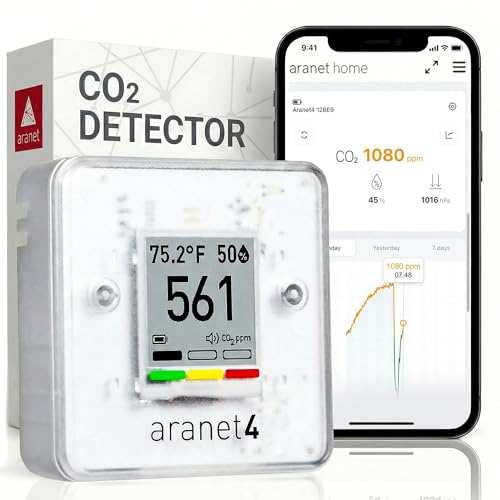
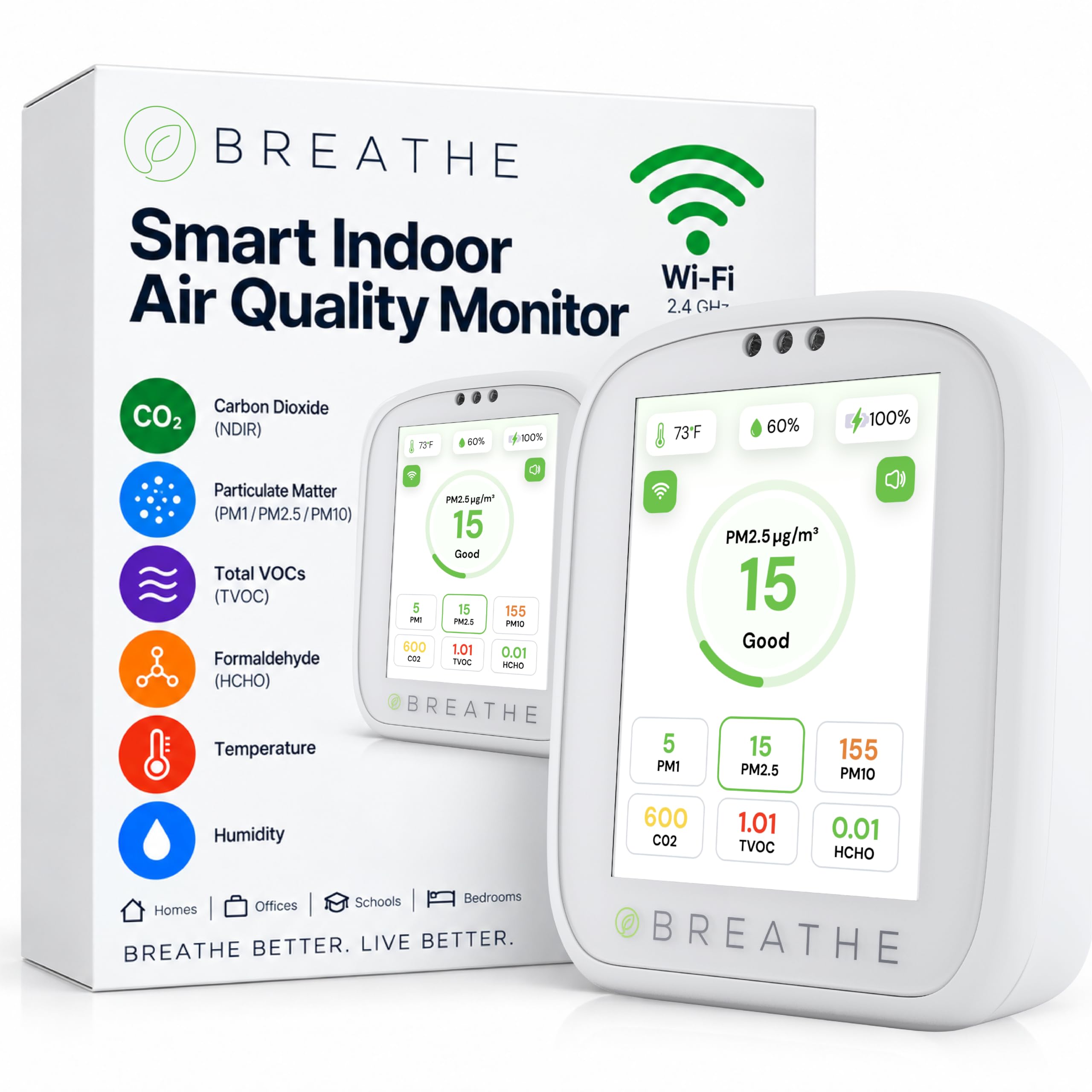
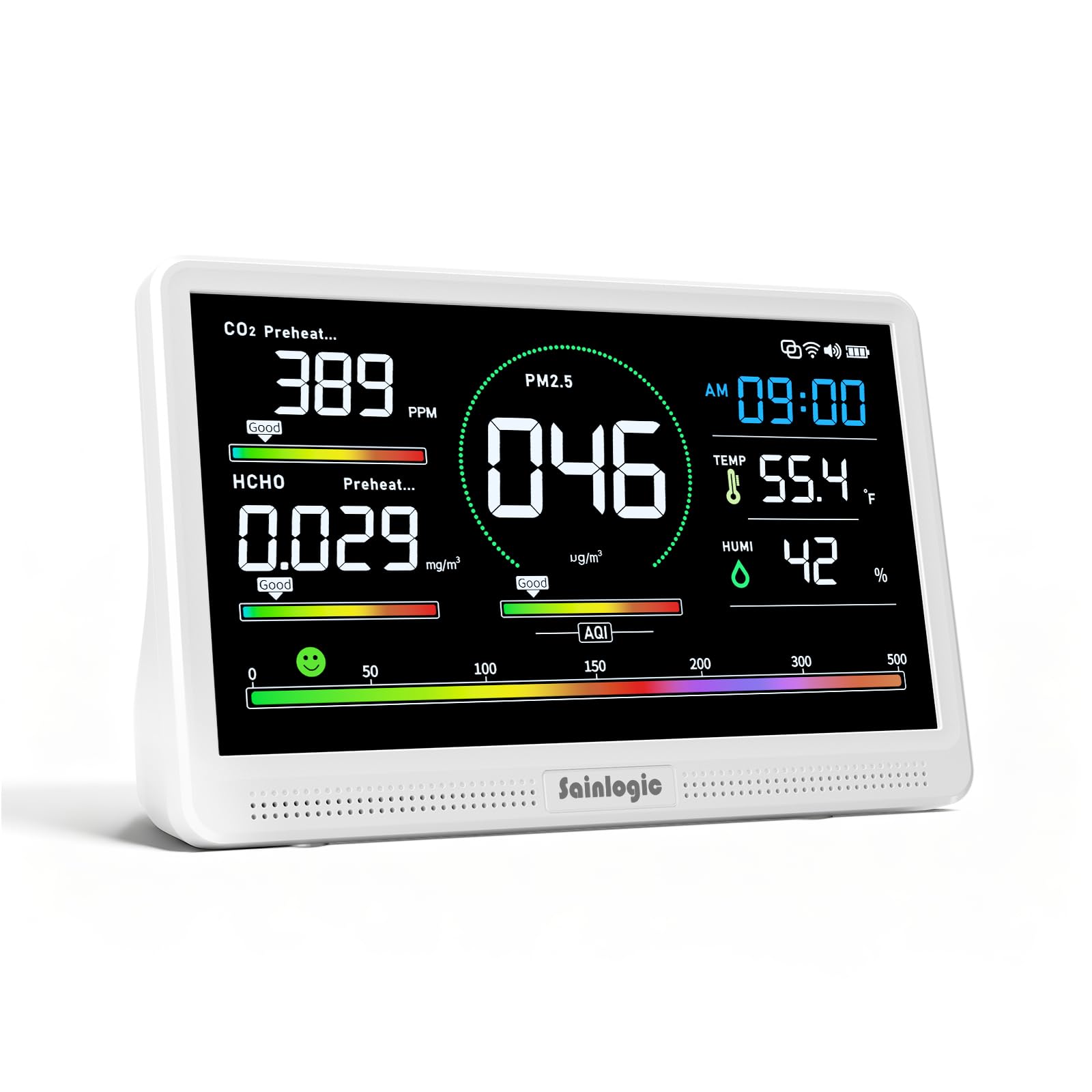
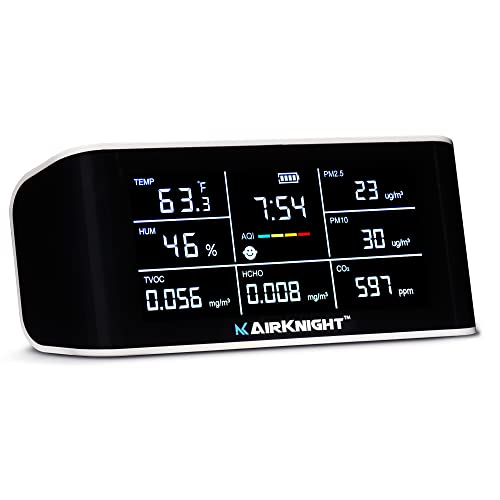
The main alternatives differ less in sensor lists than in how they present data and where they can live. Some rival monitors put a full screen on the unit itself, suiting households that want readings without a phone. Others run on batteries and move easily between rooms, trading always on monitoring for flexibility. Work through our guide to the best air quality monitor options to see how the wider category splits by display, power, and sensor set.
For two screen forward alternatives, the airthings view plus review covers a monitor built around an onboard display, while the airthings wave plus review looks at a battery powered design aimed at radon aware households. The real choice is app first convenience with a simple score light, or more data on the device itself.
Where to Buy and What to Pay
Expect pricing for a connected multi sensor monitor of this type to sit in the middle of the category, roughly about $100 to $250 depending on the sensor set and whether a subscription is bundled. Prices move with seasonal sales events, so check the current listing before you judge value. Buy from a seller with a clear returns policy, because sensor behavior in your actual home is the one thing no listing page can show you.
FAQs
Is the Awair Element worth it?
It is worth it when you will act on the information it provides. Owners who ventilate when carbon dioxide climbs, track down dust sources, and adjust humidity routines get lasting value from the patterns the app reveals. If you expect the monitor itself to improve your air, it will disappoint you, since it only measures.
What are common Awair Element problems?
The complaints that come up most often for connected monitors of this kind involve WiFi drops that pause reporting, alerts arriving later than the change in the room, and readings that drift after months in a sealed space. Most odd readings trace back to location: a unit beside a stove, a scented candle, or a supply vent reports that microclimate rather than the room.
How long does the Awair Element last?
The hardware has no consumable parts, so service life is mostly about sensor stability and software support. Estimate based chemical and carbon dioxide sensors can lose accuracy gradually over several years, and monitors of this style have no user replaceable sensor module. If the maker ends app support, a cloud dependent monitor loses much of its function even while the hardware still powers on.
What is a cheaper alternative to the Awair Element?
The cheapest route is to narrow what you measure. A stand alone carbon dioxide meter costs less than a five sensor monitor and answers the stuffiness question on its own, while a simple thermo hygrometer covers temperature and humidity for very little money. You give up the single score, the alerts, and the unified history, so the savings make sense mainly when one factor is what you actually care about.
How do you clean the Awair Element?
Unplug the unit, wipe the outside with a soft dry cloth, and use a gentle brush or a short burst of canned air across the vents to clear dust. Keep water, sprays, and scented cleaners away from the openings, because residue inside the sensor chamber can skew chemical readings for days. After cleaning, let the monitor run undisturbed for a full day before trusting the numbers again.
Final Thoughts
Judged as an information tool, the case for this monitor is straightforward: five useful readings, a score anyone can understand at a glance, and an app that turns raw numbers into patterns you can act on. Judged as a safety device or an air cleaner, it is the wrong purchase, and no honest awair element review should pretend otherwise. Use the product table above to compare current pricing and sensor sets. If your symptoms persist even when readings look fine, talk with a clinician or an indoor air professional, since a consumer monitor cannot rule out every cause.