Best Carepod Humidifiers of 2026: Which Model Should You Buy?
Disclosure: We may earn a commission when you buy through links on this page, at no extra cost to you. As an Amazon Associate I earn from qualifying purchases. Learn more

The best carepod humidifier depends on room size, tank capacity and upkeep. Compare the lineup by coverage, mist output, noise and cleaning effort.
Choosing inside one brand can feel harder than choosing between brands, because the models look alike at first glance. The best carepod humidifier for you depends on room size, tank capacity, and how much cleaning you will actually do each week. This guide compares the lineup by coverage, mist output, noise, and upkeep, and the product table below sums up the main differences.
Carepod built its name on a simple idea. A humidifier tank should be easy to scrub, with few hidden corners where residue can build up. Most models use a stainless steel tank and parts you can take apart fully, and that choice shapes price, weight, and daily use more than any smart extra.

The Carepod Lineup at a Glance
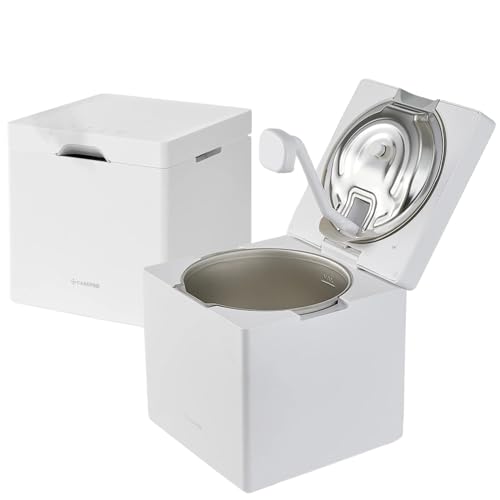
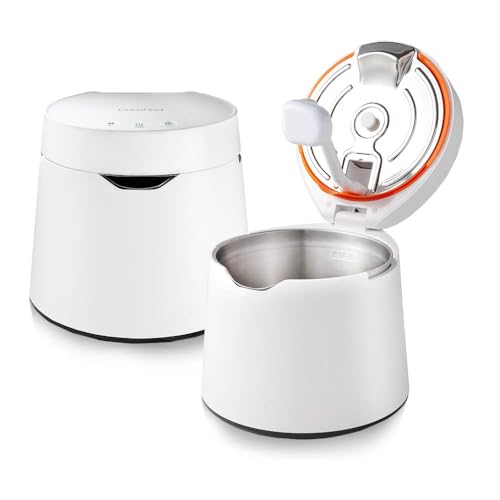
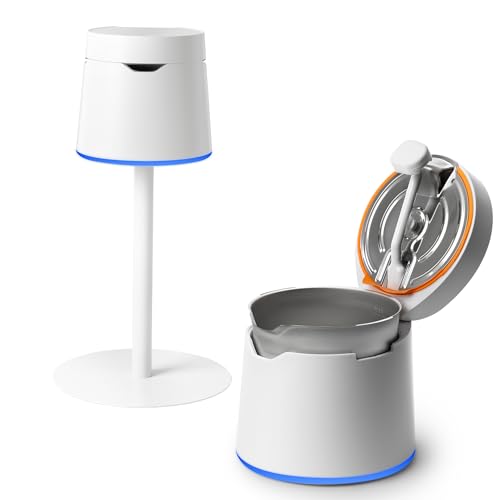
The range falls into three broad types. Compact models suit a nursery, a bedside table, or a small office, and they hold less water so you refill them more often. Standard models cover a typical bedroom or living space and balance tank size against footprint. Larger capacity models run longer between refills and suit open plan rooms, but they take more counter space and cost more.
Across all three types, the core design stays similar. You get ultrasonic cool mist, a tank you can open up and wash, and no disposable filter to replace on a schedule. If you want a broader view beyond one brand before you decide, see our guide to the best humidifier for a wider comparison.
How to Compare Carepod Humidifiers
Start with coverage and mist output, because a unit that is too small for your room will run constantly and still leave the air dry. Next, weigh noise, since many buyers place the unit near a bed. Then look at energy use, tank care, and controls such as a built in humidistat or an auto mode. A model that holds humidity steady on its own saves you from adjusting settings through the night.
Compare runtime at a similar mist setting, since a figure quoted on low can be far longer than one on high. Tank size, coverage in square feet, and noise in decibels give you a firmer basis than labels such as mini or large.
Who Should Buy a Carepod Humidifier?
Busy households that put off tank cleaning
If you have owned a plastic tank humidifier and stopped using it because scrubbing inside a narrow opening felt impossible, the Carepod design speaks directly to you. The tank opens wide, the parts separate, and several components can go in a dishwasher. That lowers the effort each cleaning session takes, which matters more than good intentions. You still wash often, but the task takes minutes.
Parents setting up a nursery or a child bedroom
Parents often want cool mist rather than warm mist around young children, and a tank that is simple to keep clean. A compact Carepod model fits a nursery shelf and runs quietly enough for naps. Place it out of reach and clean it on the schedule the manual sets. For a wider look at nursery needs, see our guide to the best humidifier for baby before you settle on size.
Bedroom users who wake up dry in winter
If heated indoor air leaves your throat dry by morning, a standard size model beside the bed can raise humidity through the night without a refill. Simple controls help here, because you set the mist level once and leave it. Choose a model with a display you can dim or turn off, since a bright light can bother light sleepers more than a soft hum does.
How to Choose the Right Humidifier
Size and form factor
Measure the spot where the unit will live before you shop. A compact model needs little space but holds about a liter or less, so expect daily refills in dry weather. A standard tabletop model holds more and suits most bedrooms. A larger model earns its space only if you need long runtime or you humidify a shared living area. Check clearance too, because you will carry the tank to a sink often.
Type
Carepod models use ultrasonic technology to turn water into a fine cool mist. Ultrasonic units are quiet and use little energy, and they suit bedrooms well. The trade off is that minerals in tap water can leave a fine white dust on nearby surfaces, so water choice matters. If you are still weighing mist types in general, our guide on cool mist vs warm mist humidifier explains when warm mist makes sense instead.
Features worth paying for
A built in humidistat is the extra most worth your money, because it reads room humidity and pauses mist when the target is reached. Auto mode builds on that and adjusts output for you. A timer helps if you want the unit to stop after a child falls asleep. A night light and an essential oil tray are pleasant but optional. Spend first on tank size and humidity control, then on comfort extras if budget allows.
Room size and coverage ratings
Match coverage to your room with some headroom. A model rated for about 300 square feet will hold humidity better in a 200 square foot bedroom than one rated exactly at 200, because doors open and ceilings vary. For guidance on targets, see our explainer on what humidity should my house be and aim for about 30 to 50 percent indoors. Very large spaces may need a larger model or a second unit.
Running cost and energy use
Ultrasonic humidifiers draw little power, often similar to a small LED bulb on low settings, so electricity is rarely the main cost. Your real running costs are time, water, and cleaning supplies. Because Carepod models are filterless, you avoid a recurring filter bill that evaporative owners pay a few times each season. Using distilled water to cut mineral dust adds a modest cost in hard water areas.
Noise levels for bedrooms
Look for a rating at or below about 30 decibels on the night setting if the unit will sit near your pillow. Ultrasonic models have no fan, so most sound comes from gentle water movement and the occasional gurgle as the tank feeds the base. For more options built around quiet sleep, see our guide to the best humidifier for bedroom options and placement tips.
Filters, tanks and maintenance
A stainless steel tank resists odor and staining better than many plastic tanks, and it tolerates a proper scrub. Empty leftover water daily, rinse the tank, and let parts air dry when the unit is off, because standing water invites slime even in steel. Wash the tank and parts weekly with warm soapy water, and descale when you see mineral crust. Our step by step guide on how to clean a humidifier covers safe cleaning products and what to avoid. Rinse well before you run the unit again.
How much should you spend?
Carepod sits at a premium level next to basic plastic tank models, and most buyers pay about $150 to $350 depending on size and controls. The higher price buys the steel tank, the fully opening design, and simpler upkeep, not stronger mist. A compact model at the lower end suits one small room well. Pay toward the upper end only when you need a bigger tank, longer runtime, or auto humidity control.
The Carepod Humidifier Lineup Explained
The compact end of the line suits a single sleeper, a nursery, or a desk. It takes little space, moves easily from room to room, and its small tank means you build a refill habit into your morning or evening routine. Output is modest, so do not expect it to change humidity in a large living room.
The standard models are the natural choice for most buyers. They balance capacity, footprint, and price, and they hold enough water to run through a full night on a medium setting. Start here if you buy only one unit.
Larger capacity models suit open living areas and very dry homes where a standard tank runs dry by morning. They cost more and weigh more when full, so plan a filling spot close to where the unit sits. Households that need moisture in several rooms often do better with two standard units placed where people sleep than with one large unit in a hallway.
Common Mistakes to Avoid
- Buying by tank size alone, which can leave a large room dry or a small room damp and clammy.
- Placing the unit on wood or carpet where mist settles, which can damage surfaces and leave mineral spots.
- Running the unit for weeks without washing it, which lets residue and odor build up inside the tank.
- Adding essential oils straight into the water tank, which can harm plastic parts and void the warranty.
- Setting humidity too high, which causes window condensation and can encourage mold growth in the room.
- Using a scented cleaning product and rinsing poorly, which sends fragrance and residue into the mist.
How to Make Your Humidifier Last Longer
Store the unit clean and fully dry at the end of the dry season, with the tank open so trapped moisture can escape. Handle the steel tank with care, since a dented rim can spoil the seal. Set the unit on a firm level surface so the tank seats correctly and water feeds evenly.
Replace water rather than topping up old water day after day. Fresh water slows residue growth and keeps mist smelling neutral. If your home has very hard water, a weekly descale with a mild acid solution such as diluted white vinegar, followed by a thorough rinse, stops crust from building on the ultrasonic plate. A plate coated in scale works harder, puts out less mist, and wears out sooner.
FAQ
What is the best Carepod humidifier for most homes?
For most homes it is a standard size model, because it balances tank capacity, footprint, and price without pushing you into daily refills. It can run through the night on a medium setting in a typical bedroom. Choose the compact type only for a nursery or desk, and the larger type only when a standard tank regularly runs dry before morning in your space.
Is Carepod a good humidifier brand?
Carepod stands out for tank design rather than for a long feature list. The stainless steel tank, parts that come apart fully, and filterless operation solve the cleaning problem that makes many owners abandon a humidifier. The brand charges more for that design. If easy washing matters more than app control or low price, the trade off can make sense.
Can you put essential oils in a Carepod humidifier?
Only if your model has a separate oil tray, and only in that tray. Oil in the main tank can coat the ultrasonic plate, damage seals, and leave a scent that is hard to wash out of parts. Keep oil use occasional, wash the tray after each use, and stop if anyone in the room coughs or finds the scent irritating. Plain water is the safer default for a nursery.
How often should you clean a Carepod humidifier?
Plan a quick rinse each day you use it and a full wash each week. One point many owners miss is the underside of the tank lid and the small parts around the mist outlet, where a thin film can form out of sight. Take those parts off during the weekly wash, let them dry fully before you rebuild the unit, and the tank will stay free of the sour smell that builds in neglected units.
What humidity level should you set on a Carepod humidifier?
Set the target near 40 percent to start, then adjust by feel and by what your windows tell you. If condensation forms on cold glass, the air is too damp for that weather and you should lower the target. A small separate hygrometer placed across the room gives a truer reading than the sensor inside the unit, which sits close to the mist outlet and can read high.
Final Thoughts
Pick by room size first, then by how honestly you will keep up with washing, and the lineup becomes simple. Compact for a nursery or desk, standard for most bedrooms, larger for open spaces. Check the product table above once more, compare tank size and controls side by side, and choose the best carepod humidifier that fits your room and your routine. Prices and availability can change, so check the product page before ordering.