
Best Charcoal Air Purifiers: How to Choose One for Odors and Smoke in 2026
Disclosure: We may earn a commission when you buy through links on this page, at no extra cost to you. As an Amazon Associate I earn from qualifying purchases. Learn more

How charcoal air purifiers trap odors and smoke gases, how much carbon matters, and how to size one to your room.
The best charcoal air purifiers are built around a thick bed of activated carbon, the material that traps cooking smells, pet odors, cigarette smoke, paint fumes, and other gases that a plain dust filter lets straight through. If your main complaint is how the air smells rather than how dusty it looks, carbon is the part of the purifier that matters most. This guide explains how carbon filters work, what to look for, and how to avoid paying for features that do little for odors.
Use the product table above to compare current options, then read on to judge each one on carbon quantity, room size, noise, and filter costs.
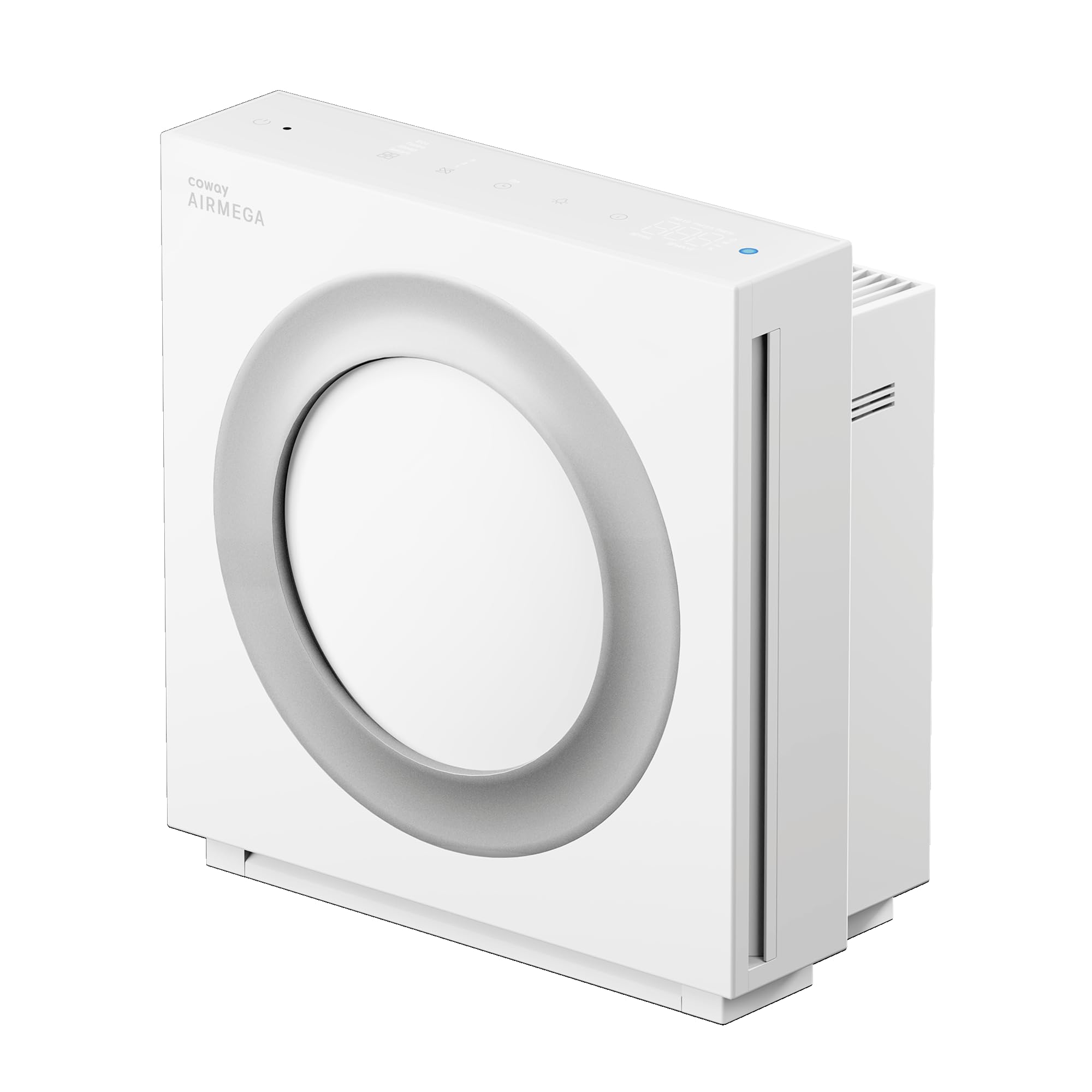
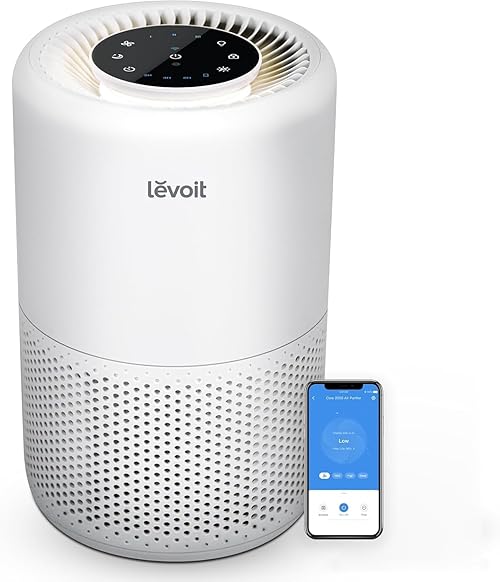
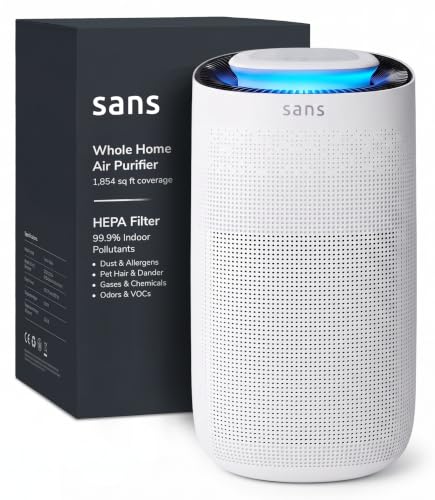
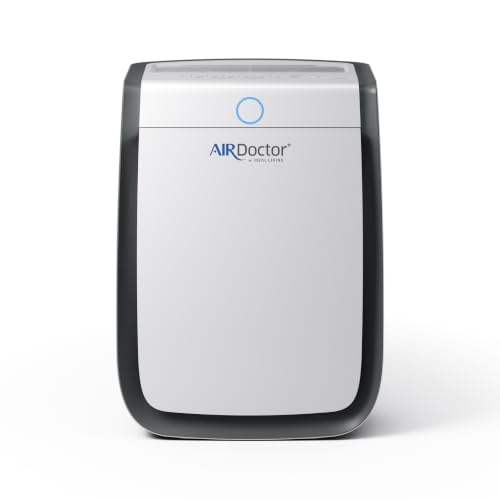

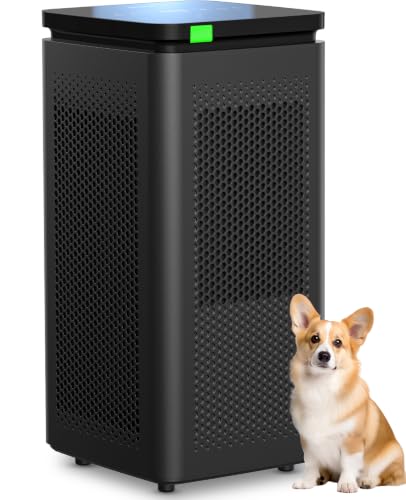
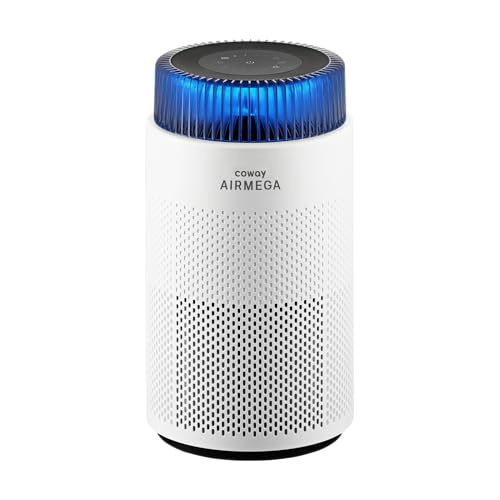
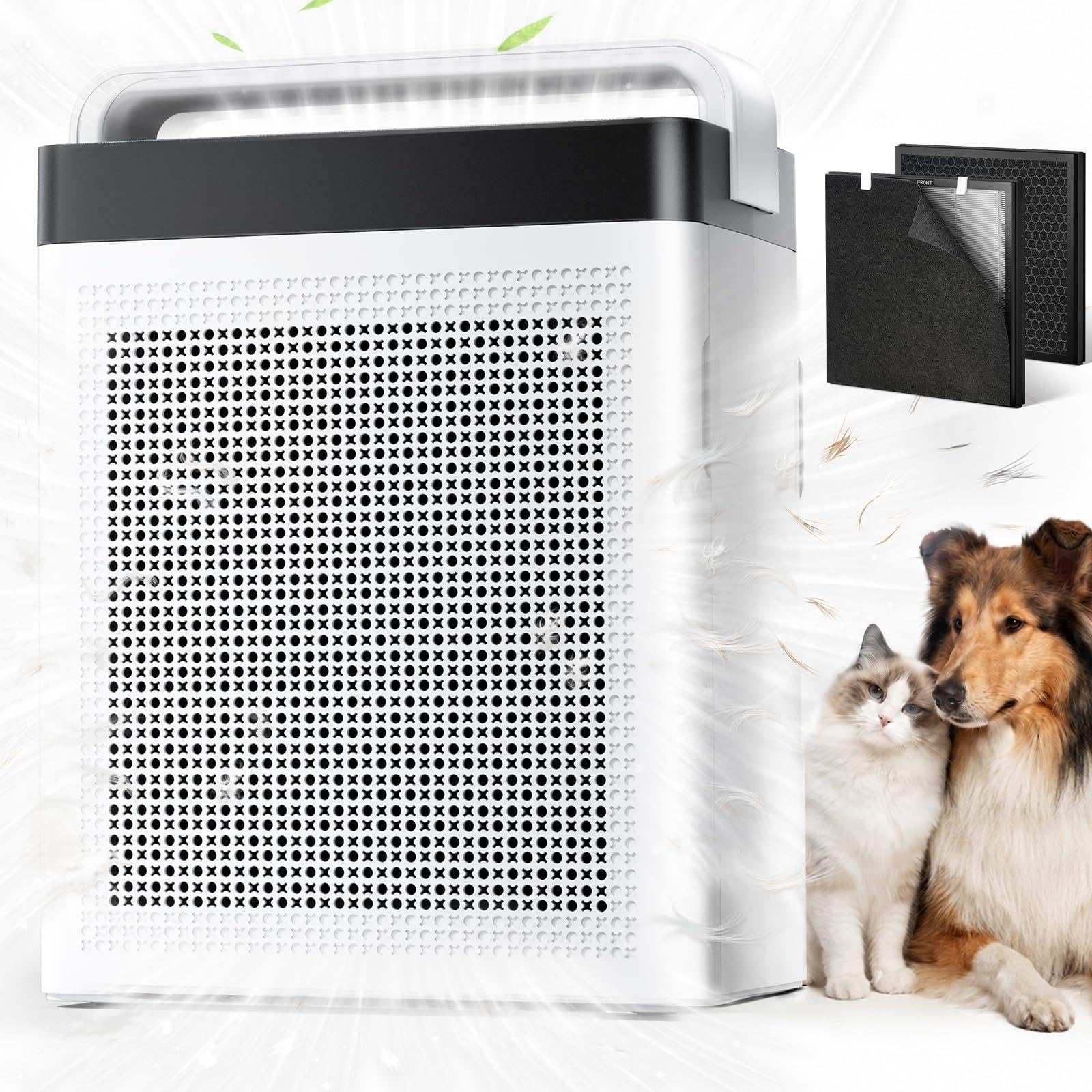

How Charcoal Air Purifiers Work
Activated carbon, often called charcoal, is full of microscopic pores. As air passes through, gas molecules from smoke, cooking, cleaning products, and pets stick to the surface inside those pores. That process is called adsorption, and it is why carbon filters reduce odors and some fumes. The carbon does not remove dust or pollen. A HEPA filter handles fine particles, so most good models pair a carbon layer with HEPA and a washable pre filter for hair and lint.
Carbon has a limited capacity. Once the pores are full, the filter stops helping and can even release some trapped odors. That is why filter replacement matters more for a charcoal purifier than for a dust only unit.
Who Needs a Charcoal Air Purifier?
Kitchens and Open Plan Homes
Cooking odors travel, especially in open plan homes. A purifier with a generous carbon bed placed within a few feet of the kitchen helps clear frying and spice smells faster than opening windows in winter. Run it on a higher setting while cooking and for a while afterward.
Pet Owners
Litter boxes, wet dog smell, and pet bedding are classic odor sources. For pet rooms, look for a washable pre filter to catch fur and a carbon layer sized for the room. Place the unit where air can flow around it, not behind a couch.
Smoke and Fume Sensitive Households
Homes near busy roads, wildfire smoke, or a smoking neighbor benefit from carbon in addition to HEPA, because smoke is both particles and gases. A model with heavy carbon handles the gas portion that HEPA cannot capture. If anyone has a respiratory condition, ask a doctor about what to use, since a purifier is a comfort tool, not a treatment.
Allergy and Dust Concerns
If pollen and dust are your main issue, a true HEPA filter is the priority and carbon is a bonus. Many people want both, which is why the most popular models combine the two. If you want to compare HEPA focused options, see our guide to the best air purifiers hepa.
What to Look For in a Charcoal Air Purifier
Amount of Carbon
The single most useful number is how much carbon the filter holds. Thin carbon sheets or a light dusting of carbon on a fabric filter absorb odors only briefly. Heavier, granular carbon beds last longer and handle stronger smells. Product listings often state carbon weight or describe a thick bed; if a listing says nothing about it, assume the carbon layer is thin.
Room Size and Air Changes
Match the purifier to the room. A unit rated for a much larger space than yours will clean the air faster and can run on a quieter setting. Check the listed room coverage and the clean air delivery rate, and choose a unit rated comfortably above your room size, particularly for kitchens and smokers.
Noise at Night
If the purifier runs in a bedroom, check the sleep mode noise level. A unit that is too loud will be switched off, which defeats the point. Larger units can often run slower and quieter than small ones for the same job.
Filter Cost and Replacement
Charcoal filters need replacing every several months to a year, depending on use and odor load. Check the price of replacement filters before you buy, and add a full year of filters to the purchase price. A cheap purifier with expensive, frequent filter changes can cost more than a pricier model with longer lasting filters.
Ozone and Safety
Choose models that do not produce ozone, and avoid any purifier that advertises ozone generation for air cleaning. Look for clear safety listings in the product description and follow the manufacturer's instructions for placement and care.
Charcoal Filters vs HEPA Filters
Charcoal and HEPA do different jobs. HEPA captures particles such as dust, pollen, pet dander, and smoke particles. Charcoal captures gases and odors. If you only buy one type, choose based on your main problem. For most homes, a combination unit with both gives the most complete result. Our guide to the best home air purifiers covers general purifiers in more detail.
Setup and Everyday Use
Place the purifier where air can flow freely on all sides, a few inches away from walls and furniture. Run it on a higher setting after cooking or cleaning, then lower it for normal use. Keep doors and windows closed while it works, because outside air dilutes its effect. Run it continuously during smoky periods rather than switching it on and off.
Vacuum the pre filter every few weeks, and replace the carbon filter on the schedule in the manual or sooner if smells begin to return. Write the date on the new filter so you remember when it was installed.
Common Mistakes to Avoid
- Buying a purifier too small for the room, so odors never fully clear.
- Choosing a model with a thin carbon layer and expecting heavy odor control.
- Forgetting filter costs, which can double the real price over a year or two.
- Placing the unit behind furniture or in a corner, which blocks airflow.
- Leaving a saturated carbon filter in place long after it stops working.
- Expecting a purifier to replace ventilation or a range hood in a busy kitchen.
Frequently Asked Questions
Do charcoal air purifiers really remove smells?
They reduce many common odors, including cooking smells, pet odors, and smoke, because carbon traps odor molecules. Performance depends on how much carbon the filter holds and how well the purifier is matched to the room.
How often should the charcoal filter be replaced?
Most carbon filters last several months to a year. Replace sooner if you cook often, have pets, or live with a smoker, and always follow the maker's schedule for your model.
Is a carbon filter enough on its own?
Carbon alone does not capture dust or pollen. If you want both odor and particle control, choose a purifier that combines carbon with a true HEPA filter and a pre filter.
Can a charcoal purifier remove smoke?
It can reduce smoke odor and some gases, and a model that also has HEPA will capture smoke particles. For heavy smoke episodes, run the purifier continuously and keep windows closed.
Are charcoal air purifiers safe?
Models that do not produce ozone are generally safe for home use when placed and maintained as directed. Follow the manufacturer's instructions, and talk to a doctor if you have a health condition that air quality may affect.
Final Thoughts
Start with your main problem, odors or particles, then choose a unit with enough carbon, the right room rating, and filters you can afford to replace. The best charcoal air purifiers are the ones that match your room and your routine, run quietly enough to stay on, and keep their carbon fresh. Compare your shortlist in the product table above before you order.

