Best Carbon Air Purifiers in 2026: Buying Guide
Disclosure: We may earn a commission when you buy through links on this page, at no extra cost to you. As an Amazon Associate I earn from qualifying purchases. Learn more

Compare the best carbon air purifier by carbon weight, room coverage and noise to tackle odors.
Cooking smells that linger for hours, paint fumes after a weekend project, and litter box odor are gas problems, not dust problems. A particle filter alone cannot solve them, which is why shoppers looking for the best carbon air purifier need to judge carbon amount and airflow first. This guide compares purifier types on room coverage, CADR, noise, and filter cost, and the comparison table below sums up the main options. If your main concern is particles rather than odors, start with our broader guide to the best air purifier and then return here for the carbon details.
Activated carbon works by adsorption. Air passes across a huge internal surface area, and gas molecules stick to that surface instead of recirculating. The more carbon a unit holds, the more odor and vapor it can capture before the filter fills up.

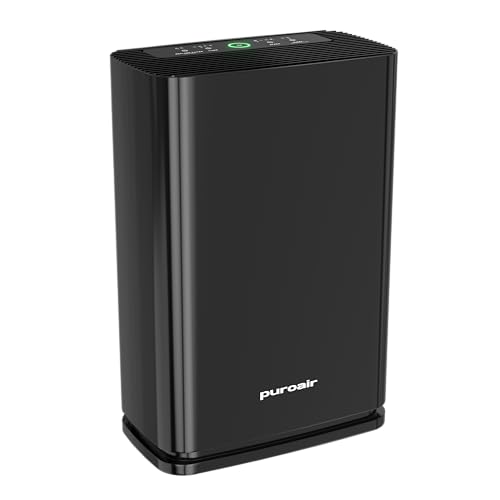


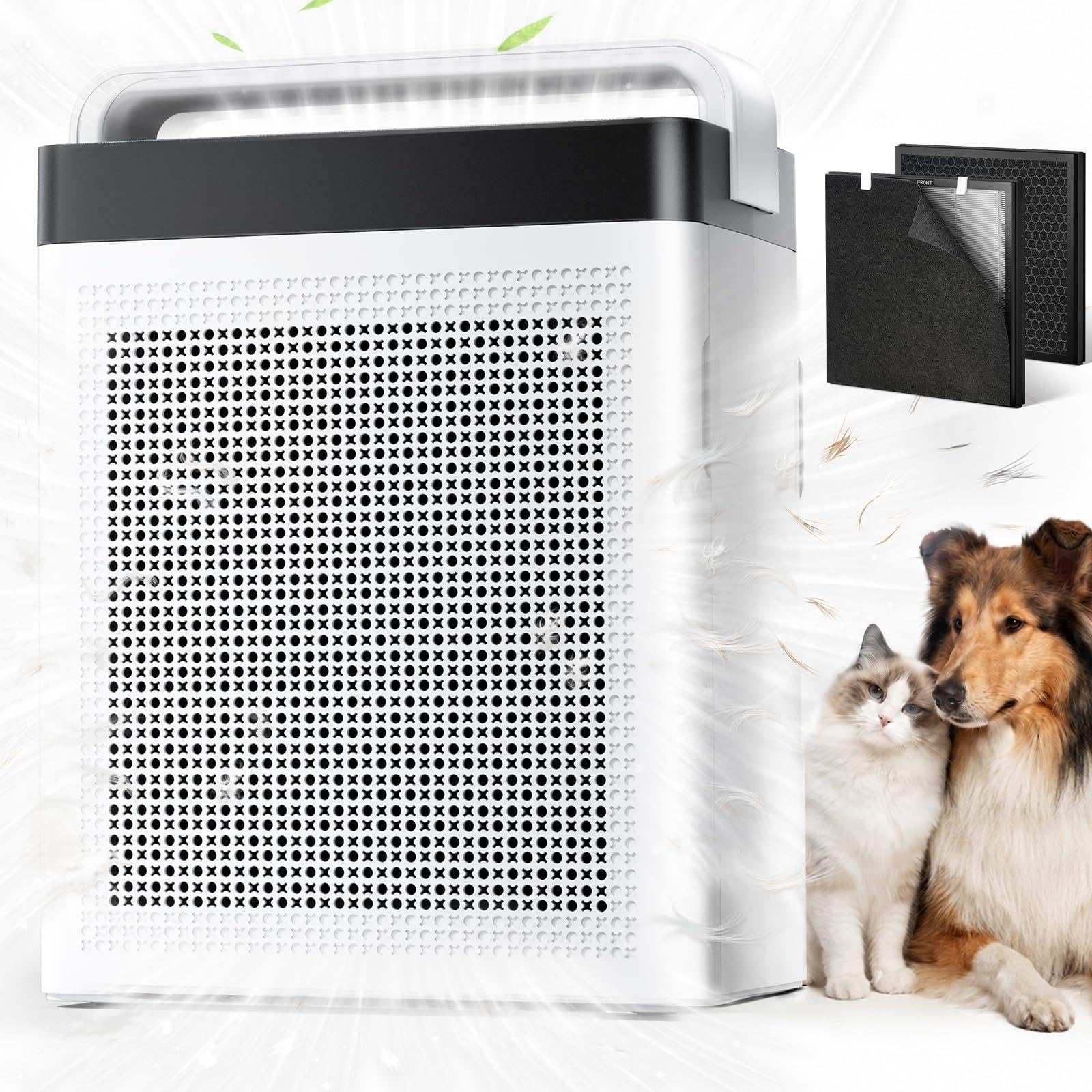
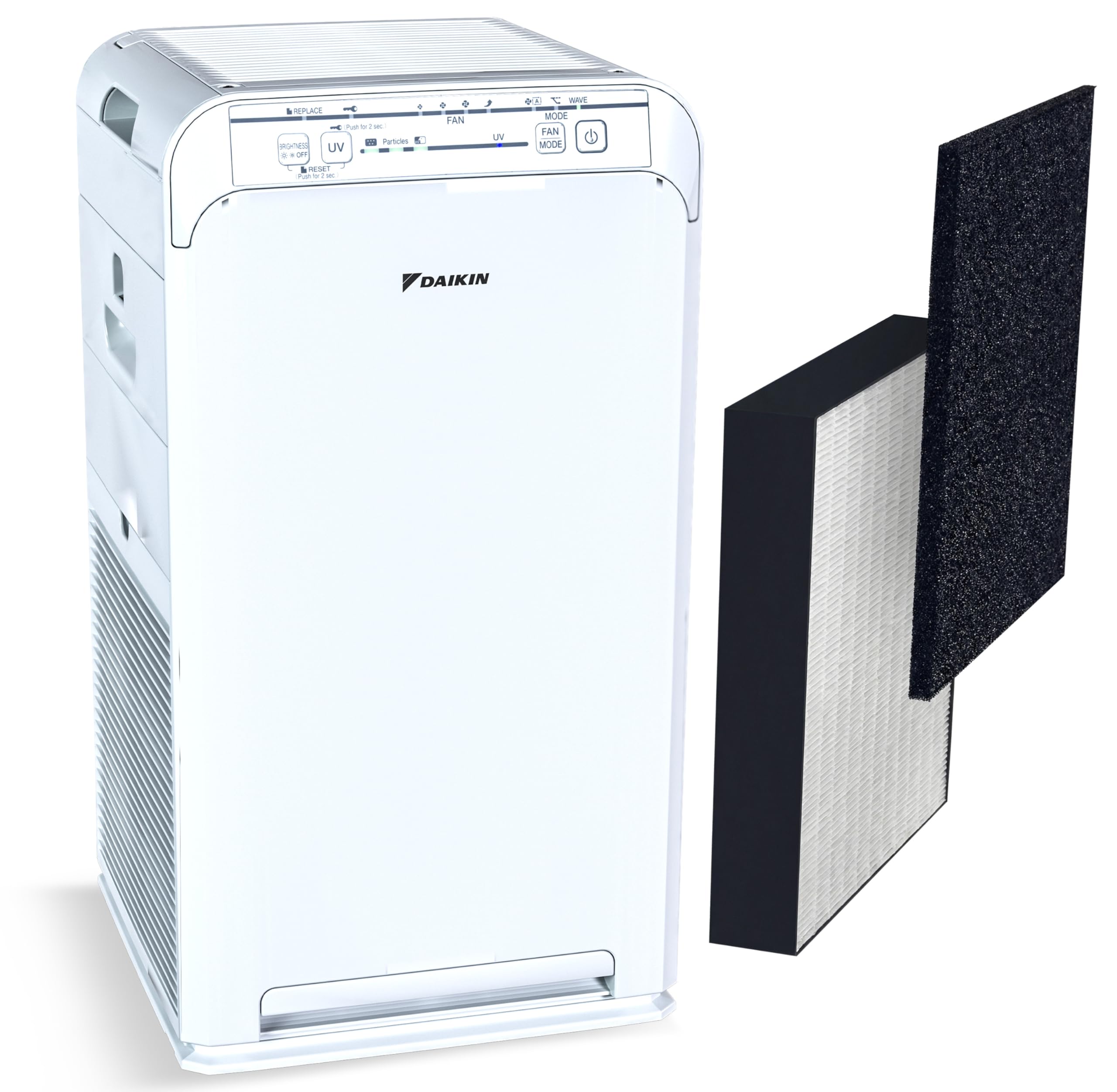
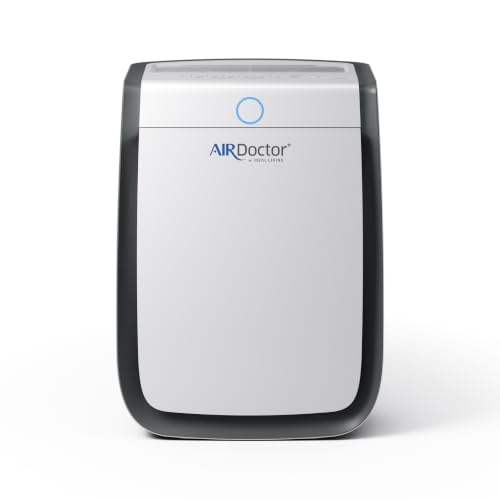


Carbon Purifier Types at a Glance
Carbon purifiers fall into three broad types. Compact units pair a thin carbon sheet with a particle filter and suit small rooms and mild odors. Larger towers hold granules or pellets in a deeper bed and handle stronger or constant odor sources. Portable carbon cleaners move between rooms and trade coverage for flexibility. The right type depends on how strong the odor source is, not just on room size.
Three Carbon Setup Types Compared
Compact Carbon and Particle Filter Combos
Compact combo units place a thin carbon layer in front of or behind a particle filter, so one machine handles dust and light odor together. They fit bedrooms and home offices where smells are occasional, such as cooking drift from a nearby kitchen. Their limit is capacity. A thin sheet saturates quickly when odor is constant, so expect to replace it more often than the particle filter schedule suggests. For a small room with mild, short lived smells, this is the sensible starting point.
Deep Bed Towers for Strong Odors
Deep bed towers hold several pounds of carbon granules or pellets, giving air far more contact time and giving the filter far more storage for captured gases. Consider this type for tobacco smoke odor, workshop fumes, or a litter area in a closed room. The trade off is size, weight, and filter price, since a large carbon refill costs much more than a thin sheet. If odor returns within days on a smaller unit, a deeper bed usually costs less than repeated sheet replacements.
Portable Carbon Cleaners for Moving Between Rooms
Portable carbon cleaners are small units you carry to the room that needs attention, such as a guest room before visitors arrive or a rental you cannot modify. They clean slowly and cover modest areas, so they work as spot treatment rather than whole room control. Look for a handle and a filter you can buy easily. A portable unit also makes a good test. If it barely dents the smell in your worst room, you know you need a deeper carbon bed there.
How to Evaluate Carbon Air Purifiers
Judge every model on the same six points. Coverage and CADR tell you how much air it moves. Carbon weight tells you how much gas it can hold. Noise tells you whether you will run it at the speed that delivers the rated CADR. Energy use and filter price reveal the real yearly cost. Base your decision on manufacturer specifications and standards such as AHAM ratings rather than on marketing claims about room sizes.
How to Choose the Right Air Purifier
Size and Form Factor
Form follows placement. A tower stands in a corner and suits living rooms where floor space is tight but vertical space is free. A boxy console needs clearance on all sides for intake and output, so it suits larger open areas. A desktop unit cleans the air near a desk or bed, though its reach is short. Measure the spot before you buy and leave the clearance the manual requires. Crowding a purifier reduces the airflow you paid for.
Type
Carbon handles gases and odors, while a true HEPA filter handles fine particles such as pollen and dust. Most homes need both, which is why combo units dominate. If allergies drive your purchase, read our guide to the best air purifier for allergies for the particle side of the decision, then weigh carbon depth here. Avoid types that generate ozone, since ozone irritates airways. UV and ionic extras add little for odor control, so treat carbon weight and CADR as the deciding specs.
Features Worth Paying For
An air quality sensor that raises fan speed when odor or particles spike is worth paying for, since it reacts while you are out of the room. A filter life indicator based on run time helps you plan refills. WiFi control is a convenience, not a cleaning feature, so rank it last. A washable prefilter catches hair and large dust before they clog the main filter. For pet homes, that prefilter matters a lot, and our guide to the best air purifier for pets covers hair and dander needs in depth.
Room Size and Coverage Ratings
Match CADR to the room, not the headline coverage number. The AHAM guide suggests a smoke CADR of at least two thirds of the room area in square feet, so a 300 square foot room calls for a CADR of about 200 or higher. Ratings assume a ceiling of about 8 feet, so tall ceilings need more capacity. Manufacturers often quote coverage at several air changes per hour on the highest and loudest speed. Size for the speed you will tolerate daily, and step up one size if the room connects to an open hallway.
Running Cost and Energy Use
A purifier runs many hours a day, so wattage adds up over a year. Efficient models clean a room on roughly the power of a bright light bulb, while large units on turbo draw several times more. Running a correctly sized unit on medium usually costs less than running a small unit on its highest speed all day. Check for Energy Star certification when you compare similar models. Then add filter refills to the math, since costly carbon refills can erase a low purchase price within two years.
Noise Levels for Bedrooms
Quoted noise figures span roughly 25 to 55 decibels across speeds, and the low figure only applies to the slowest setting. A bedroom unit needs a sleep speed you can rest through, plus enough output on that speed to matter. Place the unit a few feet from the bed so moving air does not disturb you. If you are a light sleeper, favor a larger unit loafing on low over a small unit straining on medium, since the larger fan moves the same air more quietly.
Filters and Maintenance
Carbon filters cannot be washed or vacuumed back to life, because captured gases stay bound until the carbon is replaced. Particle filters and prefilters follow their own schedule, so a combo unit may need two refill dates. Vacuum the prefilter monthly and note each change date on the filter frame. If musty smells persist in a damp room, treat the moisture source too, and see our guide to the best air purifier for mold for that side of the problem.
How Much Should You Spend?
Small carbon combo units for one room often cost under $100, and they suit mild odor needs well. The middle band of about $100 to $250 buys deeper carbon, higher CADR, and quieter fans, which is where most homes land. Spending about $250 to $500 makes sense for large rooms or constant odor sources that demand a heavy carbon bed. Spend first on carbon weight and CADR, because those specs decide whether the machine solves your problem at all.
Carbon Versus Other Air Purifiers: Pros and Cons
The strength of a carbon first approach is gas control. No particle only unit can remove cooking odor, solvent vapor, or smoke smell, because those pollutants pass straight through a particle filter. Carbon also works silently as a material, adds no chemicals to the air, and pairs easily with a HEPA stage in one cabinet. The weakness is saturation. Carbon fills up, sometimes within weeks under heavy load, and a spent filter can even release a sour smell that tells you it is overdue.
Particle only purifiers cost less to maintain and excel at dust, pollen, and dander, but they leave odors untouched. Sorbent blends that mix carbon with other media can target specific gases such as formaldehyde, though they cost more and still saturate. Ventilation is the other rival. Opening windows removes odors at the source for free when weather allows, yet it does nothing on still, hot, or cold days. Most homes combine ventilation for strong events with carbon filtration for daily background control.
FAQ
What is the best carbon air purifier for a home with constant odors?
Choose by carbon weight first. A deep bed tower with several pounds of granules will outlast any thin sheet model where odor is constant, such as a smoking household or a cat room. Confirm the CADR fits the room, check that refills are stocked and priced fairly, and plan on running the unit continuously on a medium speed. Constant odor needs constant treatment, so a model you can afford to feed with fresh carbon beats a stronger model whose refills you delay.
Are carbon air purifiers worth it?
They are worth it when your problem is smell or vapor, because no other common filter type captures gases. They are poor value when your only problem is dust, since the carbon stage adds refill cost without adding particle capture. A simple test helps. If visitors notice an odor you have stopped noticing, carbon will likely help. If your complaint is visible dust on shelves, put your budget into CADR and a good particle filter instead.
Do air purifiers work for gases as well as particles?
Yes, but each filter stage does a separate job, and a unit only removes the pollutants its stages target. Our explainer on do air purifiers work walks through the evidence for particles, and the same logic applies to carbon stages for gases. One limit is worth knowing. Carbon has little effect on carbon monoxide, so keep a working carbon monoxide alarm in any home with fuel burning appliances, and never treat a purifier as a safety device.
How long does an air purifier take to clean a room?
Time depends on how many times the unit can process the room volume in an hour. A correctly sized unit on a medium or high speed can reduce a cooking smell within about 30 to 60 minutes, while an undersized unit may run for hours and never catch up with a fresh odor source. Closing the door speeds results a lot. So does removing the source first, whether that means emptying a litter box or sealing a paint can.
What size air purifier do I need for an open plan space?
Treat connected rooms as one space and add their areas together, since air moves freely between them. Then either buy one large unit with a CADR matched to the total area or place two medium units at opposite ends, which often gives more even results. Doorways and stairs slow air mixing. If one zone holds the odor source, put the stronger unit there and let the second unit polish the air that drifts into the calmer zone.
How often should you change a carbon air purifier filter?
Use the return of odor as your signal rather than the calendar alone. When a smell that the unit used to remove starts lingering again, the carbon is saturated, even if the particle filter still looks clean. Heavy use can exhaust a thin sheet in a few weeks, while a deep bed in a mild odor home can last many months. Mark each install date, and if run time is high, order the next refill when you install the current one so a gap never leaves you without odor control.
Final Thoughts
Carbon is a capacity game. Match CADR to your room, buy as much carbon weight as your odor problem demands, and budget for refills first. Use the product table above to compare the types side by side, then choose the best carbon air purifier setup for the smell you actually live with. Run it steadily and change the carbon when odors return.