
Best Cheap Air Purifier: How to Choose for Your Room in 2026
Disclosure: We may earn a commission when you buy through links on this page, at no extra cost to you. As an Amazon Associate I earn from qualifying purchases. Learn more

Find a budget air purifier that suits your room by checking coverage, CADR, true HEPA filtration, noise on low settings and the real cost of replacement filters.
A cheap purifier can still clean the air in a bedroom or living room well, but only if its coverage matches the space and its filter is a true HEPA type. Low priced units look similar, yet they differ a lot in clean air delivery, noise, and filter cost. This guide helps you find the best cheap air purifier for your room by comparing types by coverage, performance, and noise in the comparison table below.
Three broad types cover most cheap purifiers. That keeps the focus on specs that decide daily results, such as CADR, room size, and filter change timing. By the end, you will know which type fits a small bedroom and which suits a larger shared space.
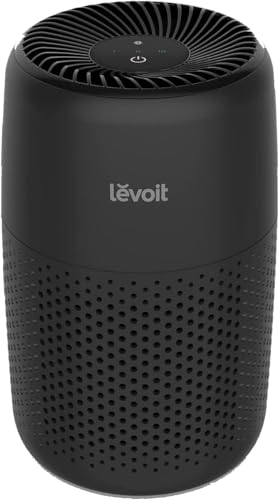
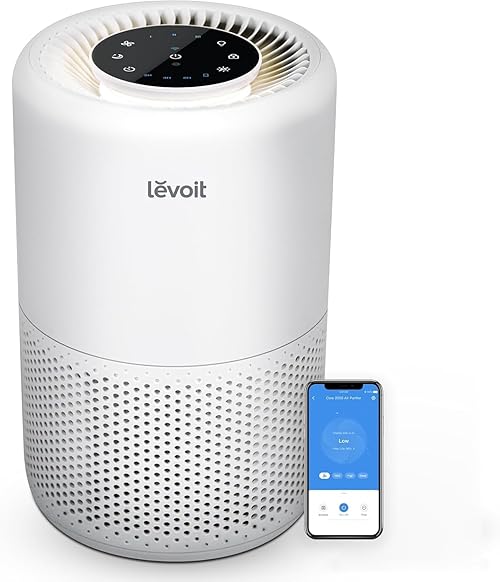
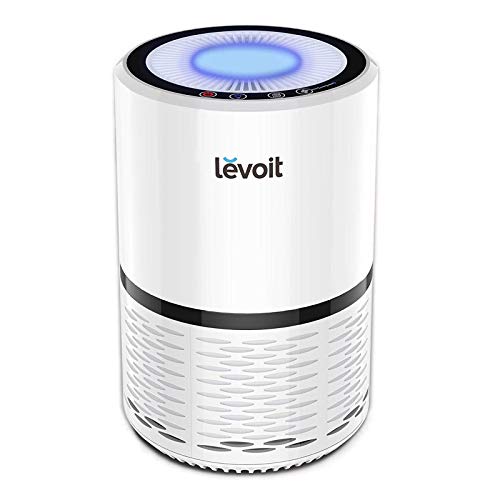

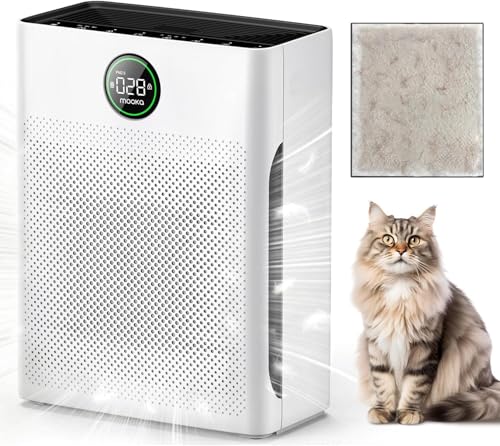

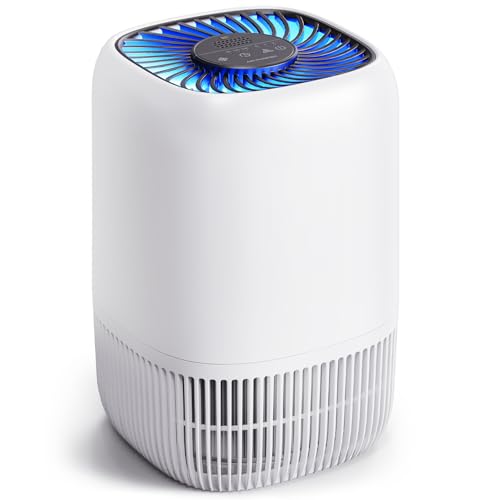
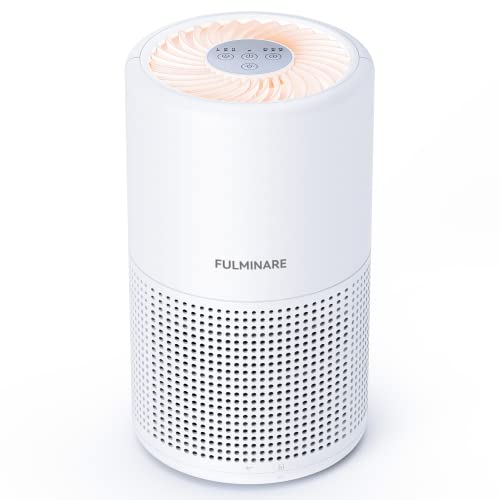
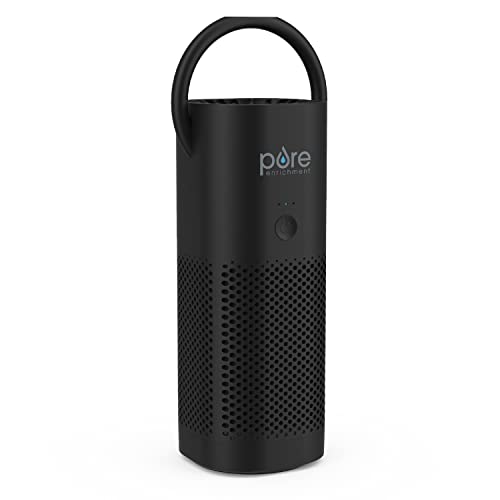
Types Compared at a Glance
Cheap purifiers fall into three useful groups. Desktop units are the smallest and cheapest, and they suit a desk area or a very small bedroom with the door closed. Compact tower and box units cover one normal room, and most buyers should study this group first. Larger floor units cost more upfront but move more air, so they suit open living areas.
None of these groups cleans a whole home from one spot, since doors and hallways limit reach. Plan on one purifier for the room where you spend the most time, usually the bedroom.
How Types Compare for Cheap Air Purifiers
Compact Unit for One Main Room
A compact floor or tower unit is the right choice for most people. It has enough fan power and filter area to clean a bedroom or small living room without running at its loudest setting for hours. Look for a CADR rating that suits the room size, using the guidance below. This type also tends to use standard size filters that are easy to find.
Small Desktop Unit for a Single Zone
A desktop unit costs the least and takes up almost no space, which makes it tempting as a first purchase. Its limits are real, though. The small filter and fan clean a limited volume of air, so it works best close to where you sit or sleep, in a small room with the door shut. If your room is bigger than a small study, save toward the compact type instead.
Larger Floor Unit with Carbon Filtration
An upgrade within the cheap range usually means a bigger filter, a stronger fan, and a layer of activated carbon alongside the HEPA filter. The carbon helps with cooking smells, pet odors, and smoke, since HEPA media traps particles rather than gases. A larger fan can also move the same air more slowly, which lowers noise. This type suits living rooms and homes with pets or frequent cooking odors.
What Matters When Comparing Cheap Air Purifiers
Compare types using the factors that change results in a real room. Coverage comes first, judged by CADR and the room size the maker states. Next is filtration, with true HEPA media as the standard at this price. Also weigh noise on lower settings, energy use, filter price and life, and extras such as a timer or an air quality sensor. Maker specifications and patterns in buyer feedback, such as reports of rattles or short filter life, are useful sources.
How to Choose the Right Air Purifier
Size and Form Factor
Form follows the room. A desktop unit sits on a nightstand or desk and suits a space of about 100 square feet or less with the door closed. A compact tower or box unit stands on the floor, needs clear space around its intake, and suits most bedrooms. A larger floor unit is heavier and wider, and it belongs in a living room where it will not block a walkway. Measure the spot before ordering, and check the weight if you plan to move the unit often.
Type
True HEPA filtration is the core of any good cheap purifier. HEPA media traps very fine particles such as pollen, dust, and pet dander as air passes through it. Terms such as HEPA type or HEPA style describe media that may capture less, so read the listing closely. Carbon adds odor control, while ionizers and ultraviolet lamps add little for particles and ionizers can release ozone, so most buyers can skip both. Our guide to the best air purifier covers the full price range.
Features Worth Paying For
A few extras earn their cost. An air quality sensor lets the unit raise fan speed when dust or cooking fumes rise, then slow down when the air clears, which saves energy and cuts noise. A filter change indicator removes guesswork about timing, and a timer plus a sleep mode with dimmed lights helps in bedrooms. WiFi control rarely changes cleaning results, so treat it as optional. A washable prefilter is worth having, since it catches hair and extends the life of the main filter.
Room Size and Coverage Ratings
CADR, short for clean air delivery rate, tells you how much filtered air a unit delivers, and higher numbers suit larger rooms. A common sizing guide from industry trade groups is to choose a CADR at least two thirds of the room area in square feet. A 150 square foot bedroom, for example, calls for a CADR of about 100 or more. Maker coverage claims often assume fewer air changes, so CADR is the safer number to compare. When in doubt, size up, since a larger unit can run quieter and still keep up.
Running Cost and Energy Use
The purchase price is only part of the cost. Most compact units draw about 30 to 60 watts on medium, a modest amount over a year of daily use, and Energy Star rated models use less. Filters are the bigger cost. A main filter might cost about $20 to $50 and last six to twelve months depending on your air and hours of use. Add the yearly filter cost to the purchase price when comparing units, because a cheap unit with pricey short lived filters can cost more over two years than a mid priced one.
Noise Levels for Bedrooms
Noise decides whether you will actually run the unit at night. Makers list noise in decibels, and cheap units often reach about 50 to 60 decibels on high, enough to disturb light sleepers. The low or sleep setting matters most, and figures around 25 to 35 decibels are closer to a quiet room. Decibel claims are measured under maker chosen conditions, so buyer reports of buzzing or rattling are a useful second check. A larger unit on low usually sounds softer than a small unit straining on high.
Filters and Maintenance
Maintenance is simple but not optional. Vacuum or rinse the prefilter, if washable, about once a month so the main filter does not load up with hair and lint. The HEPA filter itself is not washable, and washing can damage the media, so replace it on the maker schedule or when the indicator says to. Keep the intake and outlet clear of curtains and furniture. Purifiers have no water tank, which sets them apart in the air purifier vs humidifier comparison, since humidifiers need regular tank cleaning.
How Much Should You Spend?
Under about $50, expect a desktop unit for a very small space, with limited CADR. Between about $50 and $100, you enter the compact room category, where true HEPA filters and usable CADR figures become common, the sweet spot for a bedroom. Between about $100 and $200, units add carbon filtration, larger coverage, quieter low settings, and sometimes a sensor. Above about $200 you leave the cheap category, and gains are mostly larger coverage and smart controls.
Cheap vs Other Air Purifiers: Pros and Cons
Cheap purifiers do the central job well when sized right. They trap pollen, dust, and dander with the same type of HEPA media used in costlier models, use little power, and are light to move. For a single bedroom, a well chosen cheap unit can deliver most of the benefit of a premium model at half the price or less.
The trade offs show up in coverage, noise, and build. Cheaper units clean smaller rooms, run louder at the speeds larger spaces need, and use smaller filters that may need changing sooner. Premium models add larger carbon beds for odors, better filter seals, and quieter fans. That gap matters most in big rooms and odor heavy homes.
Match the type to your main concern. Homes with shedding animals benefit from a strong prefilter, and our guide to the best air purifier for pets goes deeper on hair and dander. If pollen is your main trigger, see the best air purifier for allergies guide, while damp rooms need the moisture source fixed first, as the best air purifier for mold guide explains. A purifier does not replace medical care. Talk with your clinician about personal needs if you manage asthma or strong allergies, and seek care promptly for sudden or severe trouble breathing.
FAQ
What is the best cheap air purifier?
For most people it is a compact floor unit with true HEPA filtration, a CADR suited to the bedroom, and a filter costing about $20 to $50 to replace. That mix gives real coverage without premium pricing. Desktop units only earn the title in very small rooms with closed doors. Compare options in the product table above, and favor a unit whose filter cost you can verify on the maker page.
Are cheap air purifiers worth it?
Yes, when the room is small and the filter is true HEPA. Owners most often notice less dust on surfaces and easier mornings during pollen season. Value drops when a cheap unit must clean a large open space, since it runs on high constantly and still falls behind. One extra check is the filter seal. Gaps let air bypass the media, so look for reviews that mention a snug, gasketed fit.
Do air purifiers work?
They work at removing airborne particles that pass through the filter, including pollen, dust, smoke particles, and pet dander, and controlled studies of HEPA filtration support that effect. They do not remove gases without carbon media, and they cannot clean dust already settled on floors and bedding, which needs vacuuming and washing. Our explainer on do air purifiers work walks through the evidence and the limits in more detail.
How long does an air purifier take to clean a room?
A correctly sized unit can cycle the air in a closed bedroom about two to five times each hour, so noticeable particle reduction often comes within the first hour. The pace depends on CADR, room volume, and how much new dust enters. An open door effectively enlarges the space and slows results. For a fast clear down after cooking, run the highest setting for about 30 minutes, then return to auto or medium.
What size air purifier do I need?
Start with the room area in square feet, then pick a CADR of at least two thirds of that number. High ceilings, open doorways, and heavy sources such as multiple pets push you toward the next size up. If two units list similar CADR figures, choose the one with the larger filter area, since it holds performance longer between changes. Renters may prefer one compact unit they can carry between rooms over a heavy model.
How often should you change an air purifier filter?
Most HEPA filters in cheap units last about six to twelve months of daily use, and carbon layers can lose odor control sooner, sometimes within three to six months where cooking or pet smells are strong. A drop in airflow, a musty smell from the outlet, or visible gray loading can signal a change early. Write the install date on the filter frame with a pen, so timing is easy to track.
Final Thoughts
A cheap purifier earns its place when it matches the room, uses true HEPA media, and carries a filter you can afford to replace on time. Compact floor units fit most bedrooms, desktop units serve tiny closed rooms, and larger carbon equipped models handle odor heavy living spaces. Compare your shortlist in the product table above, check the CADR against your room size one last time, and you will land on the best cheap air purifier for your home without overspending.

