Finding the Best Air Purifiers for Allergies
A buying guide to air purifiers for allergies covering true HEPA filtration, CADR and room sizing, filter replacement, noise, and placement.
Seasonal sneezing fits and year-round congestion often trace back to airborne particles that regular cleaning simply cannot catch. The best air purifiers for allergies combine true HEPA filtration with enough capacity for your room size, actually removing the pollen, dust, and pet dander that trigger symptoms rather than just moving air around. This guide covers what genuinely matters for allergy relief, beyond the vague marketing claims common in this category.
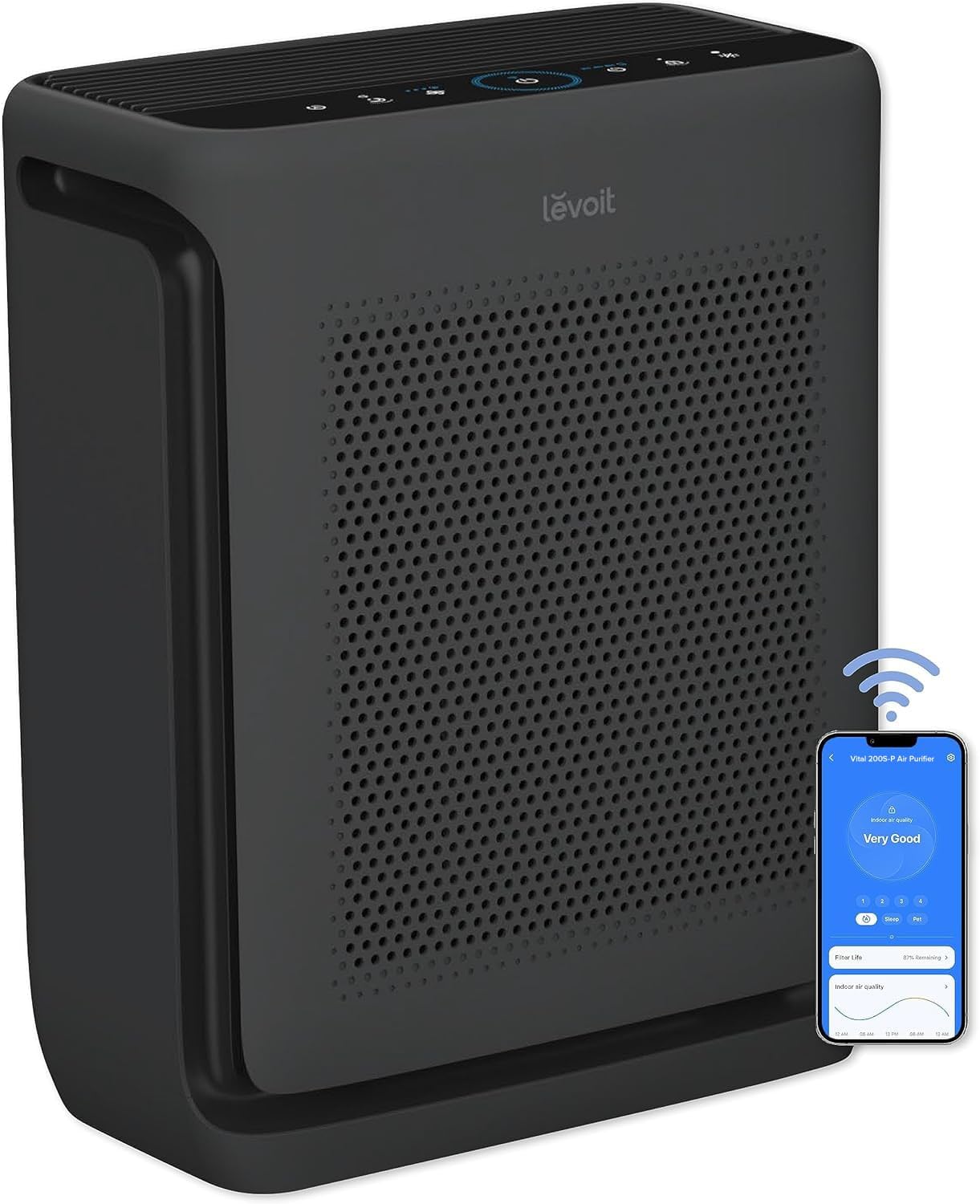
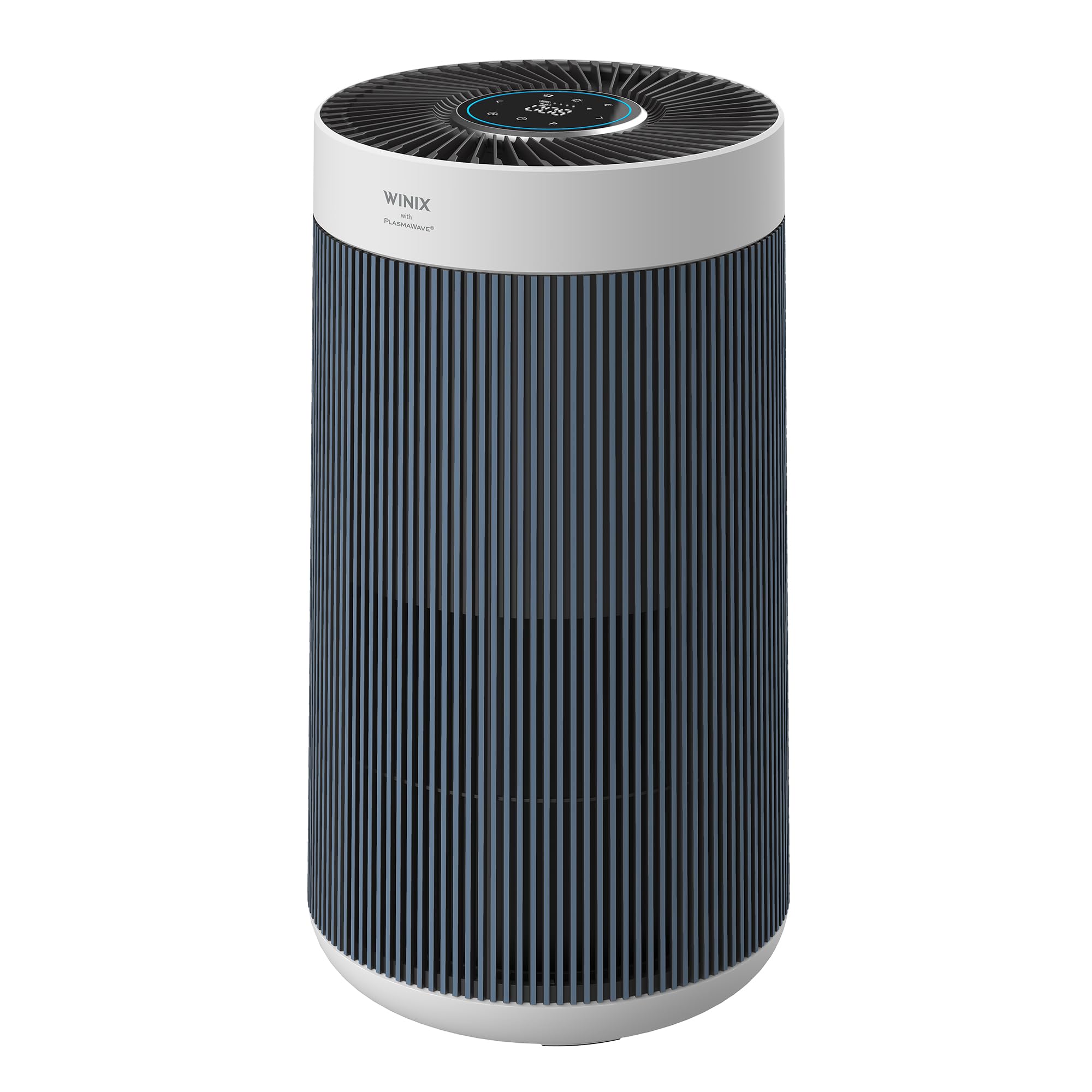
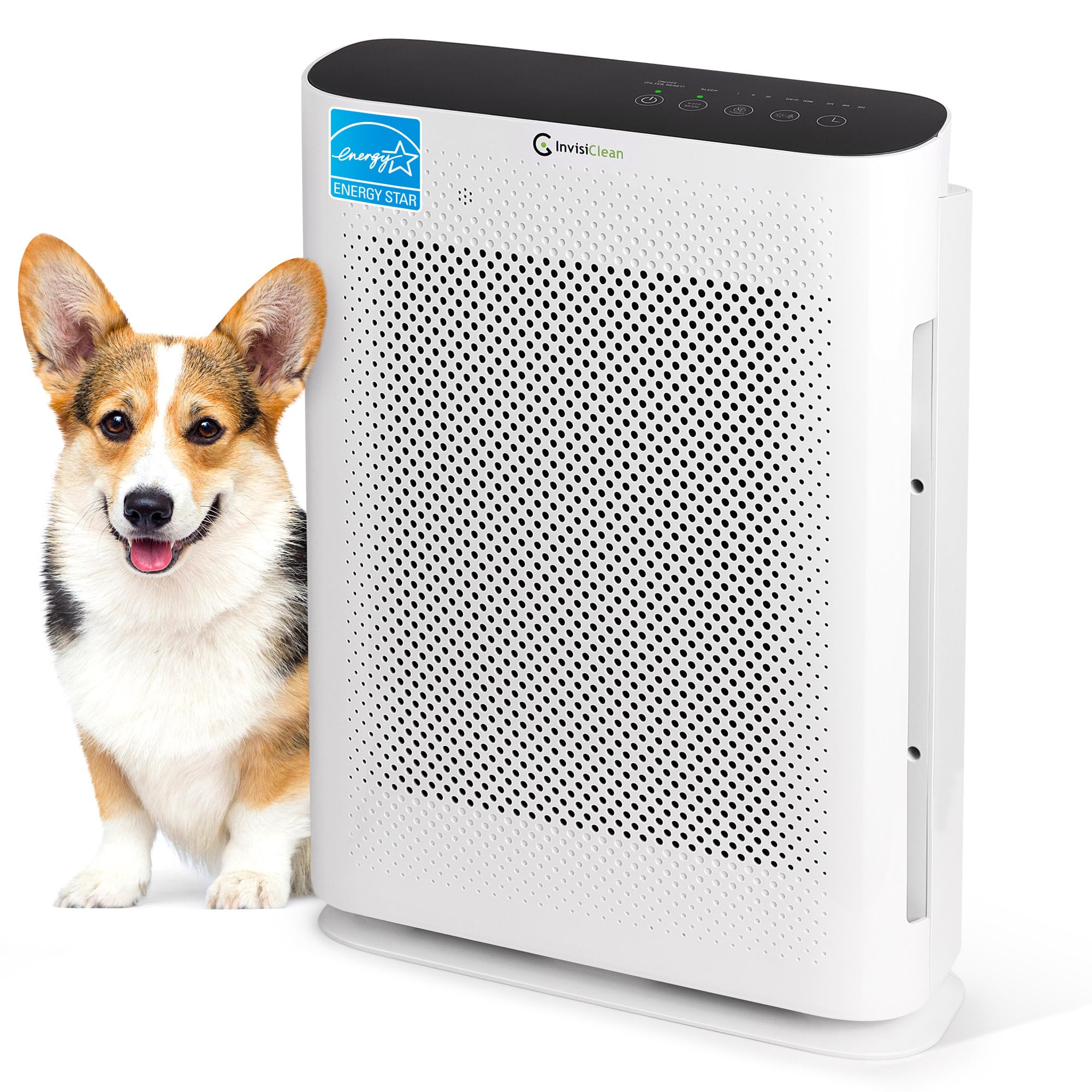

True HEPA Filtration and Why It Matters
A genuine HEPA filter captures at least 99.97 percent of particles down to 0.3 microns, a size range that includes most common allergens like pollen, dust mite debris, and pet dander. Products labeled "HEPA-type" or "HEPA-like" do not meet this same standard and typically capture noticeably fewer particles, so checking for the specific true HEPA designation matters more than the general presence of the word HEPA on the packaging.
A pre-filter that captures larger particles like hair and lint before air reaches the main HEPA filter extends the main filter's lifespan and maintains more consistent performance between replacements.
Matching CADR and Room Size
The Clean Air Delivery Rate, or CADR, measures how quickly a purifier actually cleans air in a given room size, and matching this rating to your space matters more than raw filter quality alone. A purifier rated for a smaller room than the one it is actually placed in will run constantly at higher fan speeds trying to keep up, leading to more noise and faster filter wear without necessarily better results.
A general guideline suggests choosing a purifier rated for a room at least as large as your actual space, and sizing up when possible provides more effective air changes per hour, which matters especially for anyone dealing with significant allergy symptoms.
Addressing Specific Allergen Sources
Pet dander, dust mites, and seasonal pollen each behave somewhat differently in indoor air, and understanding your specific triggers helps prioritize the right features. Pet dander tends to stay airborne longer and requires continuous filtration to manage effectively, while dust mite allergens settle more quickly and benefit as much from regular vacuuming and bedding washing as from air purification alone.
Pollen entering through open windows or on clothing spikes seasonally, so running a purifier more consistently during high pollen periods, combined with keeping windows closed, offers noticeably better symptom control than relying on the purifier alone.
Filter Replacement Schedule and Costs
HEPA filters lose effectiveness gradually as they accumulate trapped particles, and most manufacturers recommend replacement every six to twelve months depending on usage and air quality conditions. Skipping timely filter replacement undermines the entire purpose of the purifier, since a clogged filter both filters less effectively and restricts airflow, forcing the unit to work harder for reduced results.
Factoring ongoing filter replacement costs into your overall budget gives a more realistic picture of long-term ownership, since some models with cheaper upfront prices carry more expensive or frequent filter replacement needs.
Noise Level for Bedroom and Living Space Use
Allergy sufferers often benefit most from running a purifier continuously, including overnight in a bedroom, which makes noise level at various fan speeds a genuinely important consideration. A model that performs well on paper but runs uncomfortably loud even at moderate speeds may end up used less consistently than one with a better balance of performance and quiet operation.
Checking decibel ratings at the speed setting you would realistically use most, rather than just the lowest available setting, gives a more accurate sense of everyday noise levels.
Additional Features Worth Considering
An activated carbon filter layer helps address odors alongside particle filtration, useful for households dealing with pet smells or cooking odors in addition to allergen concerns. Air quality sensors that automatically adjust fan speed based on detected particle levels add convenience, running quietly during cleaner periods and ramping up automatically when pollen or dust levels spike.
A filter replacement indicator light removes the guesswork of tracking replacement schedules manually, prompting a change at the right time rather than relying on memory alone.
Placement for Maximum Effectiveness
Where a purifier sits in a room affects how efficiently it actually cleans the air, and placing one in a corner or tucked behind furniture restricts airflow and reduces overall effectiveness. Positioning a unit a few feet away from walls, with clear space for air to circulate on multiple sides, allows it to pull in and process air far more efficiently than a cramped placement.
For allergy sufferers, placing a purifier close to where you spend the most time, such as near a bed or a favorite chair, concentrates cleaner air exactly where you need it most rather than relying solely on general room circulation.
Multiple Units Versus One Larger Purifier
Households dealing with allergens across several rooms sometimes find better results running smaller purifiers in each frequently used room rather than relying on a single larger unit to handle an entire home. This approach also allows more targeted filtration in a bedroom overnight without needing to move a single unit between rooms throughout the day.
Budget and total square footage both factor into this decision, since multiple smaller units add to the total filter replacement cost over time compared to maintaining a single larger, whole-home-oriented purifier.
Common Mistakes When Buying an Air Purifier for Allergies
Choosing a purifier without checking true HEPA certification is one of the most common mistakes, since HEPA-type alternatives capture noticeably fewer allergens despite similar marketing language. Undersizing a purifier for the actual room, rather than matching CADR to room square footage, is another frequent issue that leads to disappointing results despite an otherwise capable unit.
Neglecting regular filter replacement is also common, gradually reducing effectiveness until the purifier provides little meaningful benefit despite continuing to run.
Frequently Asked Questions
How do I know if a filter is really true HEPA?
True HEPA filters are specifically certified to capture at least 99.97 percent of particles at 0.3 microns, so checking for this exact specification rather than general HEPA-related marketing language confirms genuine certification.
What size air purifier do I need for my bedroom?
Choosing a purifier with a CADR rating matched to or exceeding your room's square footage ensures more effective air cleaning, and sizing up when possible improves performance for significant allergy symptoms.
How often should I replace the filter in my air purifier?
Most HEPA filters need replacement every six to twelve months depending on usage and air quality, though checking your specific model's recommendations gives the most accurate schedule.
Can an air purifier help with pet allergies specifically?
Yes, a true HEPA purifier effectively captures airborne pet dander, though combining it with regular cleaning and grooming provides more complete allergy symptom management.
Is it safe to run an air purifier all night in a bedroom?
Yes, continuous overnight use is generally safe and often beneficial for allergy sufferers, though choosing a model with a quiet low-speed setting improves comfort for sleeping.
Do air purifiers help with seasonal pollen allergies?
Air purifiers can meaningfully reduce indoor pollen levels, especially when combined with keeping windows closed during high pollen periods, though they cannot eliminate outdoor exposure entirely.
Does a higher CADR rating always mean better allergy relief?
A higher CADR rating generally means faster air cleaning for a given room size, but matching that rating appropriately to your actual room size matters more than simply choosing the highest number available.
Breathing Easier With the Right Setup
The best air purifiers for allergies combine certified true HEPA filtration with a CADR rating matched to your room size, delivering consistent relief rather than marginal improvement. Paying attention to filter replacement schedules, noise level, and features suited to your specific allergen triggers rounds out a purchase that performs well long term. Getting these details right turns an air purifier into a genuinely effective part of managing allergy symptoms at home.
Related reading: best air purifier for allergies and pets and best small room air purifier for allergies.