Best Electric Fireplace: A Complete Guide for Every Room
Disclosure: We may earn a commission when you buy through links on this page, at no extra cost to you. As an Amazon Associate I earn from qualifying purchases. Learn more

Shopping for the best electric fireplace usually comes down to one question: do you want a unit that actually warms the room, one that just looks the part, or a bit of both? Electric fireplaces plug into a standard outlet, skip the chimney and gas line entirely, and use LED or infrared technology to mimic real flames. They come in a few main styles, wall-mounted, freestanding, and insert-style, so the right pick depends on your space and how much heat you genuinely need. This guide walks through the types available, the specs worth checking, how to size a unit to your wall or mantel, and what to expect once it's plugged in.
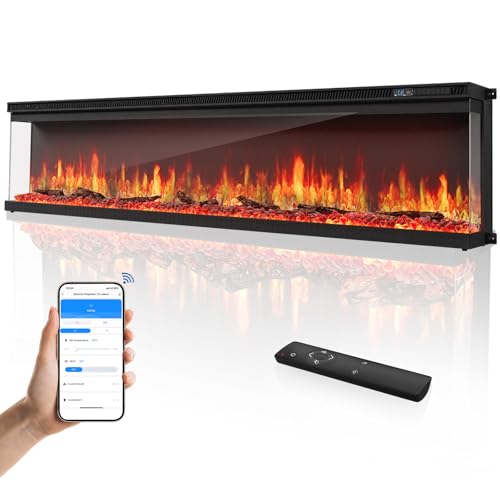
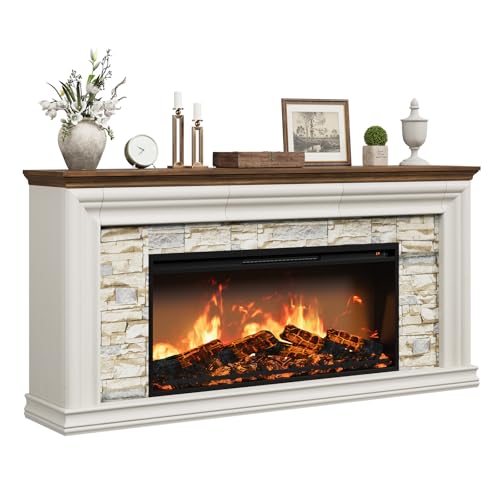
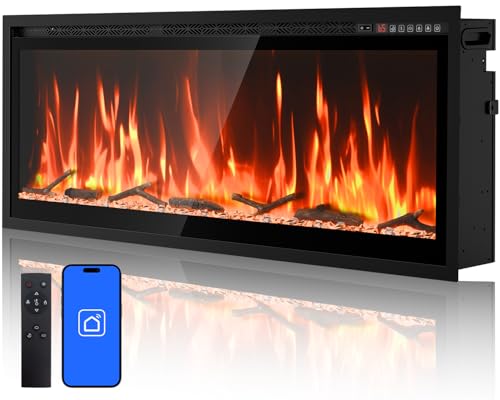
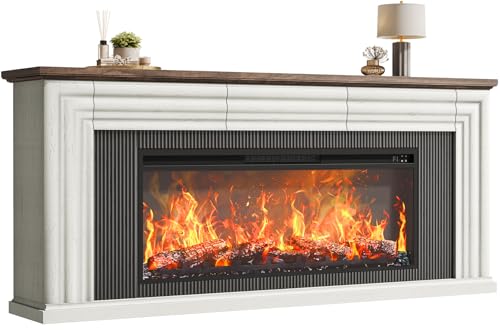
Wall-Mount, Freestanding, or Insert Style: Picking Your Type
Electric fireplaces fall into three broad categories, and the layout of your room usually decides which one makes sense. Each style handles installation, portability, and visual footprint a little differently.
Wall-Mounted Units
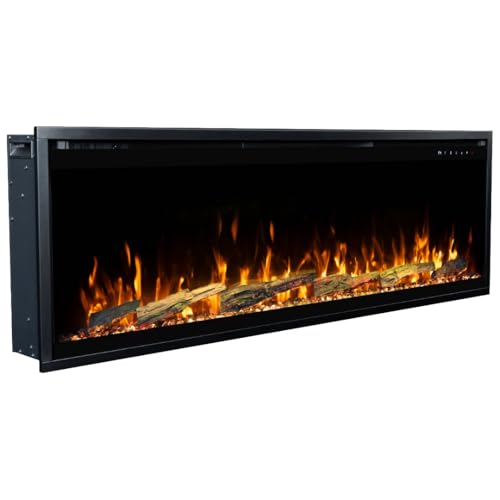
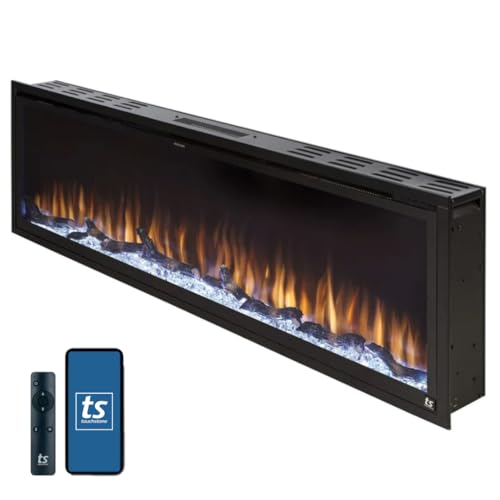
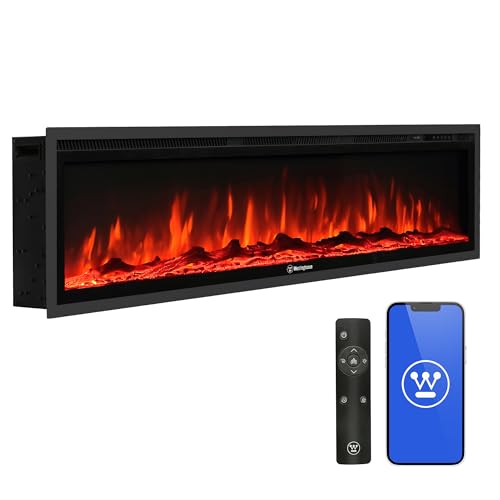
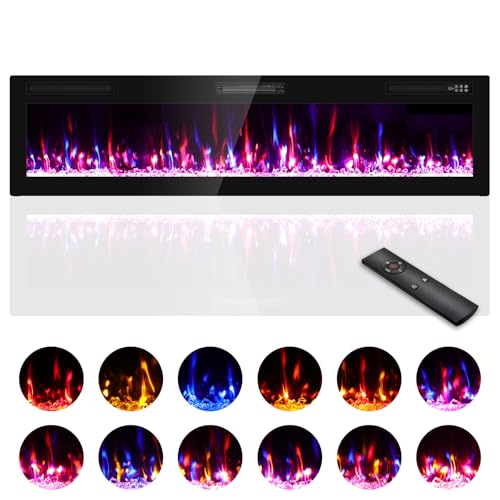
Wall-mounted electric fireplaces hang flush against a wall like a large picture frame, often below a television or centered above a low console. They need a bit of hardware and a nearby outlet, but no structural cutout. This style suits homes that want a linear, modern look without giving up floor space.
Freestanding and Mantel-Style Units
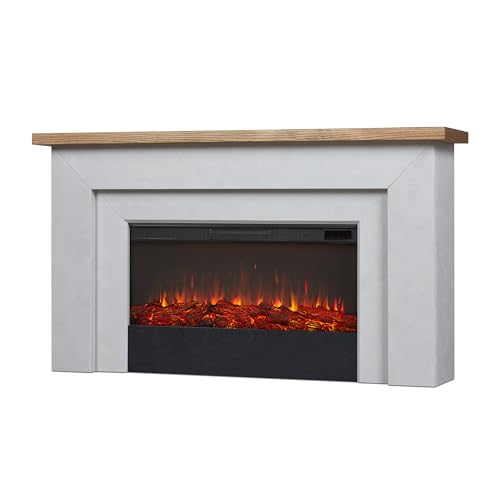
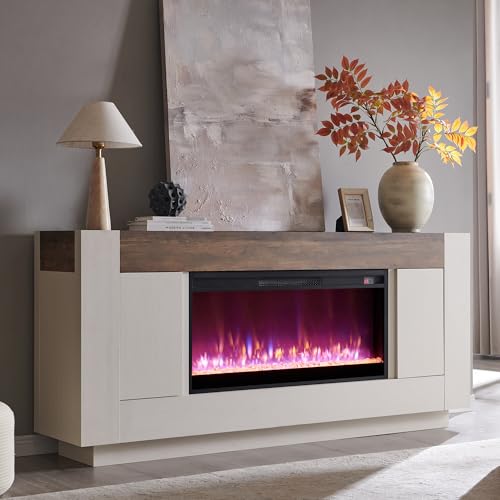
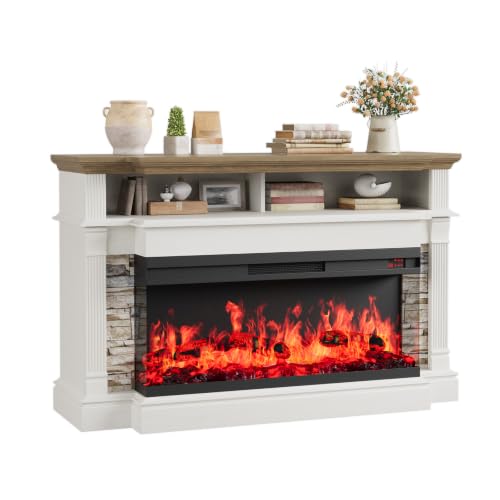
Freestanding models sit directly on the floor, often inside a faux wood or stone mantel surround. They plug in, turn on, and can be moved to another room if your layout changes later. They're the simplest option if you're renting or just don't want to drill into drywall.
Insert-Style Electric Units
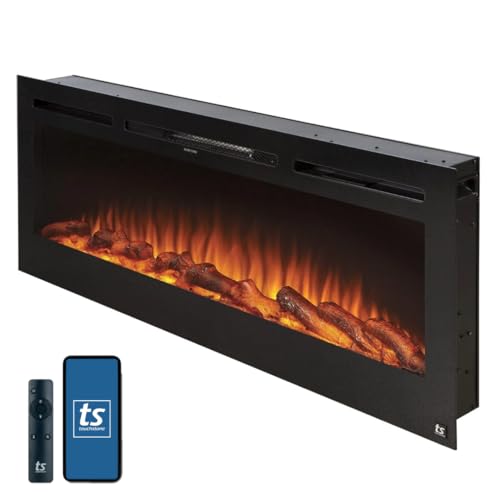
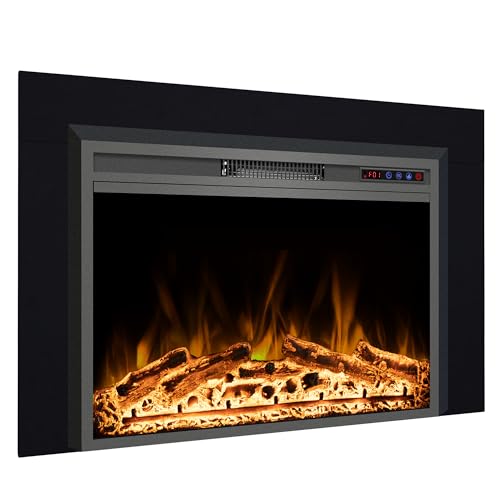
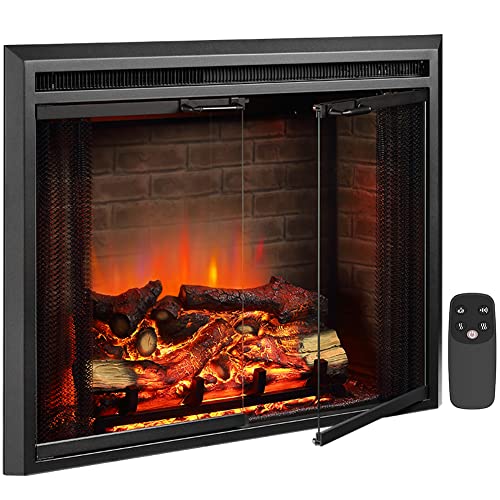
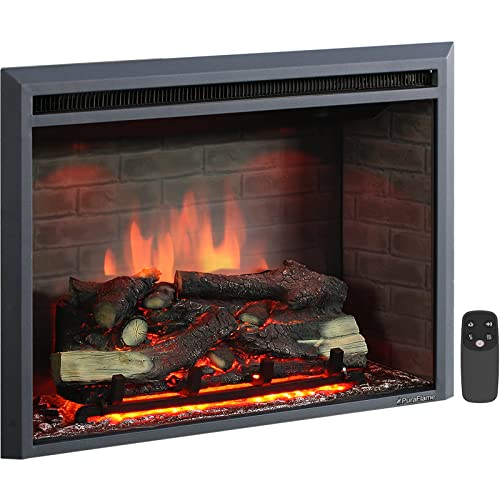
Insert-style units are built to slide into an existing opening, such as a cabinet cutout, a media wall niche, or an old masonry firebox that no longer burns wood or gas. If you're specifically retrofitting an existing fireplace opening rather than starting from a bare wall, that swap involves a slightly different set of clearance and trim considerations than a standalone unit.
Heat Output, Flame Realism, and What Else to Check
Once you've settled on a type, the details inside the box matter just as much as the cabinet around it. A handful of specs separate the best electric fireplace for your room from one that ends up as background noise.
Heat Output for the Room
Most electric fireplaces run on a standard 120-volt outlet and top out around 1,500 watts, which is enough to take the chill off a bedroom or den, not warm an entire open floor plan. Some use fan-forced coils, others use quiet infrared elements that some owners find feels warmer at a distance. If you want a dedicated space heater rather than an ambiance piece, it's worth comparing specs against a best portable electric infrared heater built specifically for that job.
Flame Effect Quality
Flame realism varies a lot between models. Cheaper units use a simple rotating light behind a plastic screen, while better ones layer LED color, glowing ember beds, and adjustable brightness for a more convincing flicker. Reading a few verified owner reviews before buying is the most reliable way to judge how a flame effect looks in a real living room, not just in product photos.
Controls and Convenience
Look for a thermostat that lets you set a target temperature rather than just high or low, plus a remote or app control if you'd rather not get up to adjust it. Many models also let you run the flame effect on its own, with the heater switched off, which matters more than people expect once summer rolls around.
Sizing an Electric Fireplace to Your Wall or Mantel
An electric fireplace that's too wide for its wall looks awkward, and one that's too narrow gets lost. As a rough guide, measure the available wall or mantel width and leave a few inches of breathing room on each side rather than filling every inch edge to edge.
For wall-mounted units, also check the mounting height. A unit hung too high loses the cozy, at-eye-level feel that makes electric fireplaces appealing in the first place, especially in a bedroom or a seating area where you're viewing it from a couch rather than standing. For units going near or above a television, manufacturers typically list a minimum clearance to prevent heat from affecting the screen.
Freestanding and mantel-style units are more forgiving since they aren't fixed to a wall, but they still need enough floor footprint that furniture isn't crowding the front vents, which is where the heat actually exits the unit.
Ambiance-Only or Supplemental Heat: Setting Realistic Expectations
The single most common letdown with an electric fireplace is expecting it to heat an entire house the way a wood stove or gas insert might. That's not what most of these units are built for. A typical model is designed to take the edge off one room you spend a lot of time in, letting you turn down the central thermostat elsewhere rather than replacing your whole heating system.
If ambiance is your main goal, that's fine too, and plenty of buyers run the flame effect with the heater off for most of the year. Where people get frustrated is buying a small unit expecting whole-room heat, or buying a large unit for a small apartment and finding it overpowers the space. Matching the wattage and BTU rating to the actual square footage you're heating solves most of this before it becomes a problem.
Frequently Asked Questions
Can an electric fireplace really heat a room?
Yes, within limits. Most units are rated to take the chill off a single room, roughly the size of a bedroom or small living room, rather than heat an entire house.
Do electric fireplaces use a lot of electricity?
They run similarly to a space heater, typically drawing up to 1,500 watts on the heat setting. Running the flame effect alone without the heater uses very little power.
What's the real difference between wall-mount and freestanding models?
Wall-mounted units are fixed in place and need drilling and a nearby outlet, while freestanding units simply plug in and can be repositioned or taken with you if you move.
Do electric fireplaces look realistic?
Quality varies widely by model. Better units use layered LED lighting and glowing ember beds for a convincing flicker, while budget units can look noticeably flat or repetitive.
Is it safe to leave an electric fireplace running unattended?
The exterior housing stays cool to the touch aside from the vent area, which makes these units a safer option around kids and pets than an open flame. Even so, most manufacturers recommend not leaving any heater running while you're away from home.
Can you run the flame effect without the heat turned on?
Most modern electric fireplaces let you separate the two functions, so you can enjoy the flame display year-round without running the heater in warmer months.
Do electric fireplaces need a chimney or vent?
No. Since there's no real combustion involved, electric fireplaces don't require venting, a chimney, or a gas line, which is a big part of why installation is so much simpler than a gas or wood option.
Making Your Decision
The best electric fireplace for your home comes down to matching the type to your layout, sizing it correctly, and being honest about whether you need heat, ambiance, or both. Once those three things line up, the rest is mostly personal taste in finish and flame style.