
Best Clean Air Purifiers: A Home Air Guide for 2026
Disclosure: We may earn a commission when you buy through links on this page, at no extra cost to you. As an Amazon Associate I earn from qualifying purchases. Learn more

Compare the best clean air purifiers on room size, filter type, noise, and running costs so you choose one that truly cleans the air in your home.
An air purifier helps with dust, pollen, pet hair, and cooking smells, but only when it is sized for the room and fitted with the right filter. The best clean air purifiers move enough air, run quietly at everyday speeds, and keep filter costs reasonable over years of use. The comparison table below gives a quick overview, while this guide explains room size, filters, noise, and costs.
Marketing often promises clean air without numbers, yet two purifiers that look alike can differ greatly in air delivery and filter life. This guide focuses on measurable factors, including clean air delivery rate, room coverage, and filter replacement, so the purifier you buy actually changes the air you breathe.


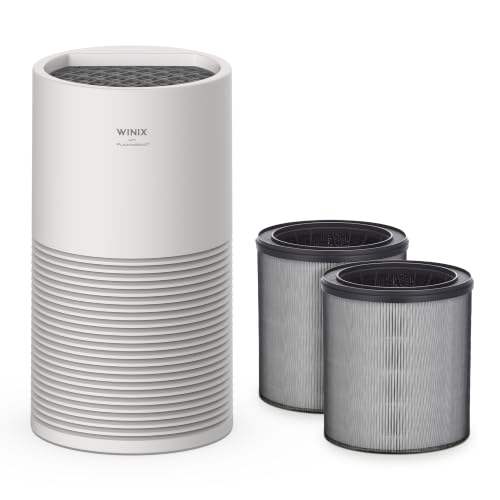

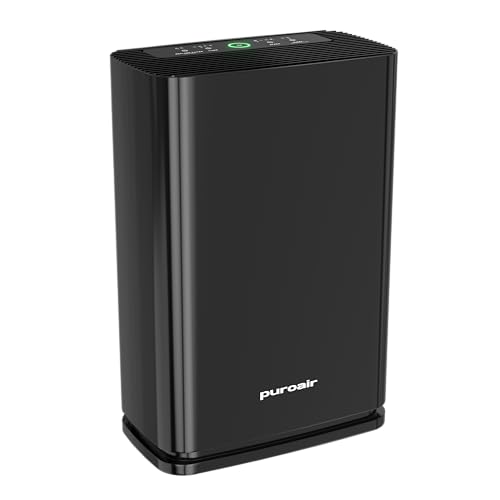
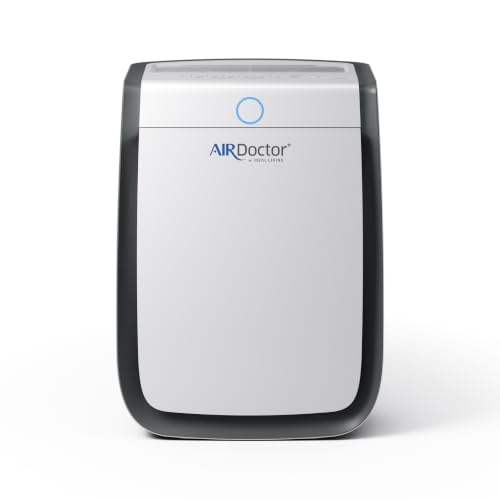


Who Should Buy an Air Purifier
Allergy and asthma households benefit most, since a good purifier reduces airborne pollen, dust, and pet dander, though it never replaces medical care or cleaning. Pet owners value purifiers for hair and odor, while city dwellers value them for outdoor pollution that enters through windows and doors. Cooks and smokers value odor control, which needs carbon filters as well as particle filters.
Consider the room first, because the best clean air purifiers for a bedroom and a living room differ mainly in airflow and noise. A bedroom purifier needs quiet night operation, while a living room purifier needs higher airflow for a larger space. One large purifier in the main room helps more than several tiny purifiers spread thinly, since air delivery matters more than unit count.
Key Features Worth Comparing
Room Size and Air Delivery
Room size matching is essential. Check the clean air delivery rate and the maker room size, and choose a purifier rated for a room at least as large as yours, since an undersized purifier runs on high constantly and still underperforms. Air changes per hour matter too, with several changes per hour suiting allergy use better than one slow pass.
Placement affects performance greatly. A purifier needs space around intakes and outlets, away from walls and furniture that block airflow. Place it where air circulates, not hidden behind a sofa, and keep doors closed for faster cleaning in a single room.
Filter Types and What They Catch
True HEPA filters catch fine particles including dust, pollen, and pet dander, and they are the standard for allergy use. Activated carbon filters absorb smells and gases from cooking, pets, and smoke, but they saturate and need replacement. Pre filters catch large hair and dust and protect the main filter, extending its life.
Be cautious with ionizers and ozone generators. Some devices claim air cleaning while producing ozone, which irritates lungs and should be avoided in homes, especially with asthma or children. Choose a purifier with HEPA and carbon filtration and no ozone claims, and look for independent certification where available.
Noise and Running Costs
Noise decides whether a purifier stays on. Check noise at medium speed, the realistic daily setting, since sleep mode cleans too slowly for most rooms and high speed is too loud for conversation. A correctly sized purifier cleans well at medium and stays quieter than an undersized model forced onto high all day.
Running costs include filters and electricity. Compare filter prices and replacement intervals over a year, since cheap purifiers with costly filters cost more long term. Washable pre filters save money, while sealed HEPA filters must be replaced on schedule to keep performance up.
Purifier Types Compared
HEPA tower purifiers suit bedrooms and living rooms, with quiet operation and strong particle removal. Carbon heavy purifiers suit kitchens and pet homes, where odor matters as much as particles. Whole room consoles suit open plan spaces, while small desktop purifiers suit desks and single person zones only, since they cannot clean a full room.
If the category still feels broad, our guide to the best air cleaners and purifiers explains how the two labels overlap, and our guide to the best home air purifiers focuses on whole house planning. Readers who want the simplest fan and filter boxes can compare the best air cleaners, while allergy households should look closely at the best air purifiers hepa filtration offers, since comparing HEPA models side by side shows where filter quality and airflow justify higher prices.
Practical Checks Before You Buy
Before ordering, measure the room, check the clean air delivery rate, and confirm filter prices and availability. Check noise at home during the return window, and place the purifier where air flows freely. Keep spare filters on hand, since a purifier without a fresh filter quickly becomes a noisy fan.
Maintain the purifier by cleaning pre filters regularly and replacing main filters on schedule, and vacuum and dust the room too, since a purifier cannot replace cleaning. Steady maintenance keeps air genuinely cleaner, which is the only result that matters.
A Whole Home Cleaner Air Routine
Ventilation complements purification rather than replacing it. Open windows briefly when outdoor air is clean to refresh a room, then close them and let the purifier work, since constant open windows overwhelm any purifier. In high pollution or pollen days, keep windows closed and rely on filtration, and check local air reports before deciding. Ventilation and filtration work as a team.
Cleaning routines reduce the load on any purifier. Vacuum with a sealed HEPA vacuum, damp dust surfaces, and wash bedding regularly, since purifiers cannot remove settled dust. Reduce clutter that traps dust, and groom pets outdoors where possible. A cleaner home lets the purifier focus on airborne particles rather than fighting settled dust constantly.
Bedroom air deserves special attention, since sleep occupies a third of life. Run the purifier in the bedroom before bedtime on medium, then lower it overnight if noise disturbs sleep, and keep the door closed for faster cleaning. Clean bedding and pillow protectors matter as much as filtration for night time comfort, especially for allergy sufferers.
Seasonal pollen needs a seasonal routine. In high pollen seasons, shower and change clothes after outdoor time, keep windows closed, and run the purifier steadily in main rooms. Wash hair before bed to avoid transferring pollen to pillows, and check filter condition more often, since pollen loads filters faster than winter dust.
Filter logs prevent neglected maintenance. Note each filter change date on the purifier or in a phone reminder, and keep a spare set ready before the old set expires. A purifier with fresh filters cleans quietly and effectively, while a neglected purifier becomes an expensive fan. Steady logs turn maintenance into habit.
A second purifier for the bedroom often helps more than a larger living room unit, since sleep quality depends on bedroom air. Size the bedroom unit for that room, run it before bed, and keep the door closed overnight. Better sleep repays the extra unit quickly, especially during pollen season.
Frequently Asked Questions
What size air purifier do I need?
You need an air purifier rated for a room at least as large as yours, judged by clean air delivery rate and maker room size, not by looks alone. An undersized purifier runs on high constantly and still underperforms, while a correctly sized model cleans well at medium speed. Measure the room first, and favor a slightly larger rating for allergy use.
Are HEPA filters really better?
True HEPA filters are better for particle removal, since they catch fine dust, pollen, and pet dander that lesser filters miss. Look for true HEPA wording rather than HEPA type claims, which may use weaker media. Pair HEPA with a carbon filter when smells matter, since HEPA alone does not absorb gases or odors.
Are air purifiers noisy?
Air purifiers vary in noise, with medium speed being the realistic daily setting for most rooms. Check noise at medium, not just sleep mode, since sleep mode cleans too slowly for larger rooms. A correctly sized purifier cleans well at medium and stays quieter than an undersized model forced onto high all day, so room size and fan choice matter together.
How often should purifier filters be replaced?
Purifier filters should be replaced on the maker schedule, usually every six to twelve months for HEPA filters and more often for carbon filters in smelly homes. Pre filters need cleaning every few weeks to protect the main filter. A purifier with an old clogged filter cleans poorly and runs louder, so schedule replacements like any household routine.
Do air purifiers help with allergies?
Air purifiers can reduce airborne allergens such as pollen, dust, and pet dander, which helps many allergy sufferers feel more comfortable indoors. They do not cure allergies or replace medical care, cleaning, or bedding care, and they cannot remove allergens settled on surfaces. Use a purifier as part of a wider routine, and talk with your doctor about persistent symptoms.
Final Thoughts
The right purifier matches room size, uses true HEPA filtration, runs quietly at medium speed, and keeps filter costs fair over years. Compare air delivery and filter prices before looks, and place the unit where air flows freely. The product table above recaps the main types, but a quiet week of cleaner air tells you the most.
Choosing the best clean air purifiers well means choosing measurable performance over promises. Size it right, maintain the filters, and let steady clean air do its quiet work.


