
Home Office Chairs
Find the best home office chairs for long work days, from ergonomic designs to budget friendly options built for comfort and support. Our curated selection helps you sit better while you work.
We review adjustability, material quality, and back support to help you make the right choice. Compare options and upgrade your workspace with a chair that keeps you comfortable all day.

Best Business Chairs in 2026: Which One Fits the Way You Use It?

Best Armless Office Chair (2026): Size, Features and Buying Tips

Best Boardroom Chairs for Every Need in 2026: How to Pick the Right One

Best Black Friday Gaming Chairs in 2026: A Buyer Checklist

Best Big And Tall Office Chairs 400 Lbs 2026: Buying Guide
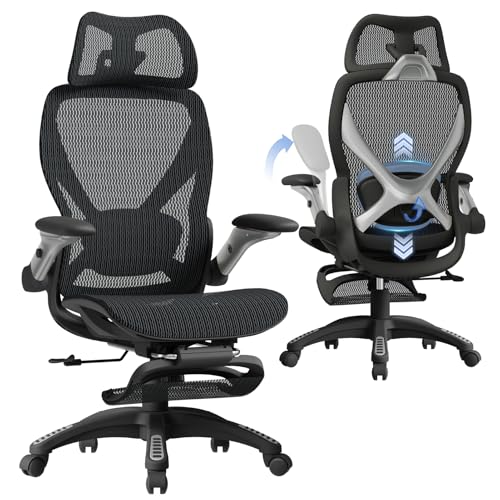
Best And Most Comfortable Office Chairs of 2026: Complete Buying Guide

Best Ball Chairs: Matching the Right Model to Your Routine for 2026
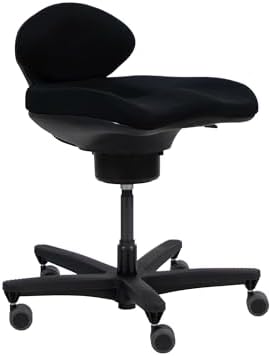
The Best Active Sitting Chairs: Buying Guide for 2026

Best Bankers Chairs for 2026: A Classic Buying Guide
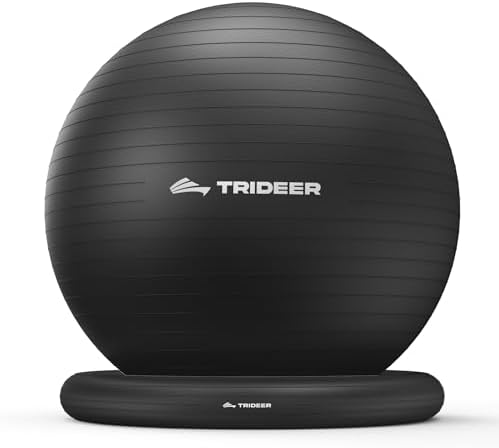
Best Ball Chairs for Office: A First Time Buyer's Guide for 2026

Best Balance Ball Chairs: Matching the Right Chair to Your Routine 2026

Best Back Support Cushions in 2026: Matching the Right Model to Your Routine
Fit Comes First
A chair that suits one person can be uncomfortable for another, so start with your own body measurements. When you sit with feet flat on the floor, your thighs should be roughly level and your knees near a right angle. The seat should be deep enough to support most of your thighs while leaving about two to four finger widths between the front edge and the back of your knees. Check the seat height range and the weight rating against your needs before looking at style.
Adjustments That Make the Biggest Difference
- Seat height: the basic adjustment every chair should have, ideally with a wide range.
- Lumbar support: adjustable height or depth lets the curve meet your lower back instead of pushing in the wrong place.
- Armrests: height adjustable arms help keep shoulders relaxed. 3D or 4D arms also move in and out.
- Seat depth: a sliding seat helps taller and shorter users find a good fit.
- Tilt and recline: tilt tension and lock let you lean back during calls and sit upright while typing.
Main Chair Types
Ergonomic Task Chairs
Built for long workdays, with mesh or fabric seats and many adjustment points. Mesh backs stay cooler in warm rooms, while foam seats feel softer at first but can flatten over the years.
Gaming Chairs
Racing style shells, neck pillows, and deep recline. They suit people who like a firm, bolstered seat, but the side wings can feel narrow for wider builds. Our guides to office chairs for gaming and gaming chairs for long sessions compare the trade offs.
Recliners and Executive Chairs
Thick padding and leather or faux leather covers look upscale, and models with footrests make breaks more relaxing. See our picks for reclining office chairs.
Common Mistakes
- Choosing by looks without checking seat height range against your desk.
- Assuming bonded leather will hold up. It often peels with daily use.
- Forgetting floor type. Hard casters can scratch wood, so consider soft wheels or a chair mat.
Budget task chairs often cost under $200, while well built ergonomic models commonly fall between $300 and $1,200. Warranty length is a useful clue to build quality.
Home Office Chairs FAQ
How do I know if an office chair fits me?
With your feet flat on the floor, your knees should be close to a right angle and the seat should support most of your thighs without pressing behind your knees. Your lower back should rest against the lumbar support without leaning forward.
Is a gaming chair good for office work?
It can be for some people, especially those who like firm, bolstered seating and deep recline. However, many gaming chairs offer fewer fine adjustments than ergonomic task chairs, so check lumbar, seat depth, and arm adjustments.
Mesh or padded chair: which is better?
Mesh breathes well and stays cooler in warm rooms, and many people find it supportive for long days. Padded seats feel softer at first, but lower density foam can flatten over time, so look for high density foam.
Should my armrests touch the desk?
Ideally your armrests should be at about the same height as the desk surface or slightly lower, so your shoulders stay relaxed. If they bump the desk, lower them or choose arms that adjust or flip up.
How long should a good office chair last?
A well built chair often lasts many years with normal use, and longer warranties usually point to sturdier parts. Gas cylinders and casters can often be replaced, which extends the life of a quality chair.