
Utensils & Gadgets
Explore essential kitchen utensils and gadgets that make cooking and prep easier, from knives and cutting boards to specialty tools and small gadgets. Our curated selection covers everyday must haves and clever time savers.
We review build quality, ease of use, and durability to help you make the right choice. Compare options and stock your kitchen with tools you will actually use.
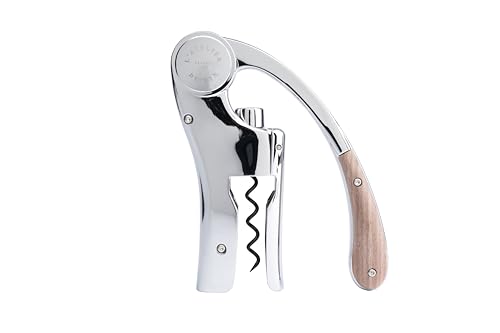
Best Wine Opener: A Complete Buying Guide

Best Knife Sets in 2026

Best Stainless Steel Kitchen Utensil Set: A Complete Buying Guide
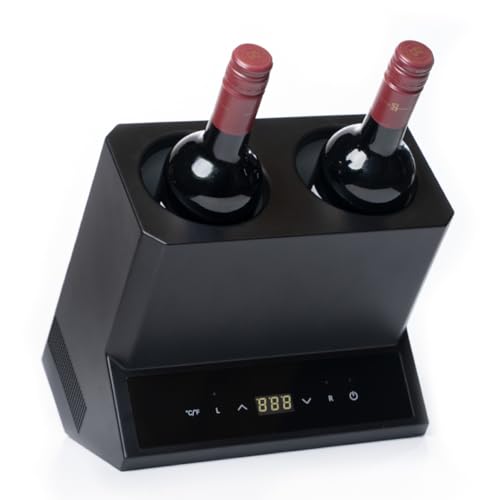
Best Single Bottle Wine Chiller: Complete Buying Guide

Best Salad Shooter: A Complete Buying Guide for Home Cooks
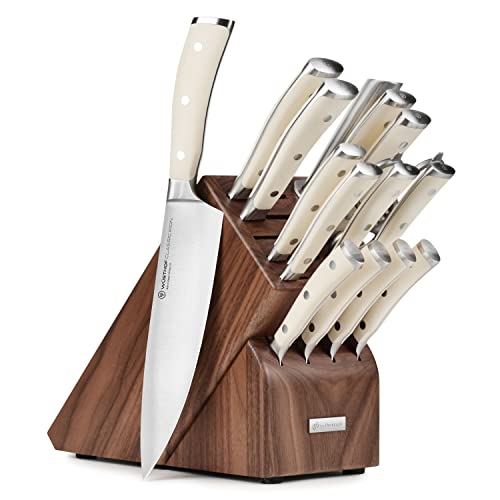
Best Professional Knife Set: A Complete Buying Guide
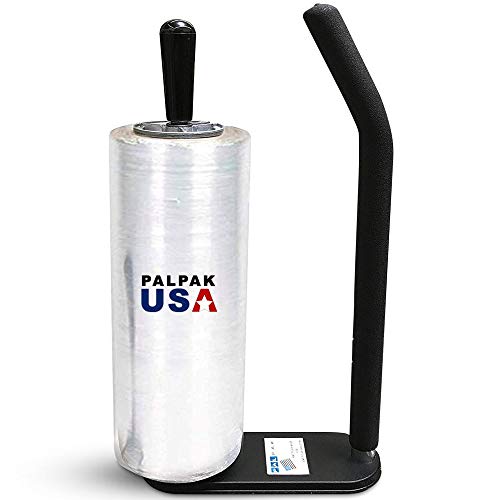
Best Plastic Wrap Dispenser: A Practical Buying Guide
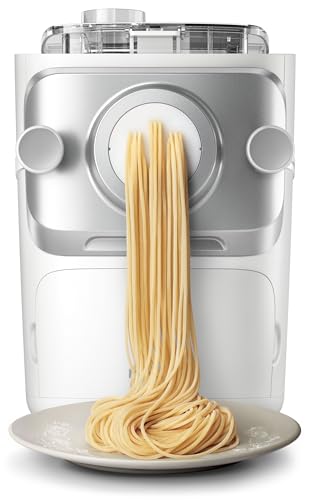
Best Pasta Maker Under $100: A Complete Buying Guide

Best Pasta Machine: A Complete Buying Guide
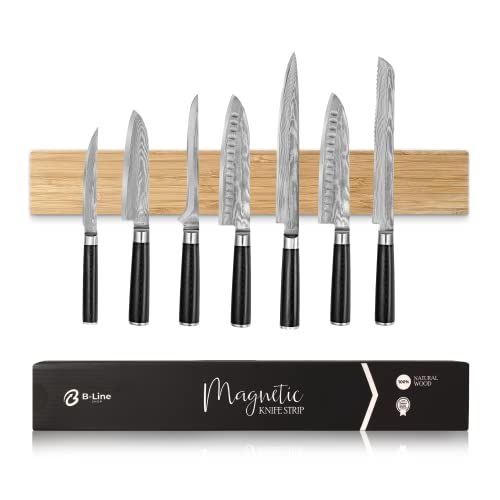
Best Magnetic Knife Holders: A Complete Buying Guide

Best Knife Sharpeners: A Complete Buying Guide
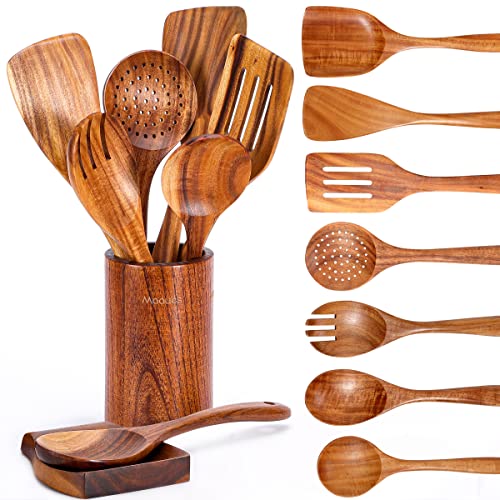
Best Kitchen Utensil Sets: A Complete Buying Guide
Build a Core Toolkit First
A well-equipped kitchen needs fewer tools than most people think. A handful of reliable basics handles the majority of everyday cooking, and specialty gadgets only earn their space if you use them regularly. Start with the essentials, use them for a few weeks, and then fill in gaps based on the dishes you actually make.
Essentials Every Kitchen Should Have
- Knives: a chef's knife, a paring knife, and a serrated bread knife cover most tasks. Our guide to the best professional knife set compares full blocks, and a single quality Japanese chef knife suits cooks who prefer a lighter, sharper blade.
- Cutting boards: wood or composite boards are gentler on edges than glass or stone.
- Cooking utensils: spatulas, a slotted spoon, tongs, a ladle, and a whisk. Silicone and wood protect nonstick pans; stainless steel suits high heat and stainless cookware.
- Measuring tools: dry cups, liquid cups, spoons, and ideally a digital scale for baking.
- Prep helpers: a peeler, grater, colander, and can opener.
Keep Knives Sharp and Safe
A sharp knife is safer than a dull one because it cuts with less force and is less likely to slip. Hone regularly and sharpen when the edge stops gliding through a tomato. Pull-through and electric sharpeners are quick, while whetstones offer the most control. Our knife sharpener guide explains the differences. Store blades in a block, on a magnetic strip, or in edge guards rather than loose in a drawer.
Specialty Gadgets Worth Considering
These earn their place for the right cook:
- A pasta machine for fresh noodles
- An electric can opener for anyone with grip or wrist strain
- A meat grinder for custom burger blends
- A cocktail shaker set for home bartending
What to Look For and Avoid
Choose utensils with sturdy, comfortable handles and one-piece construction where possible, since seams can trap food. Check heat-resistance ratings on silicone tools and confirm dishwasher safety; wooden tools and good knives should be hand washed. Avoid giant gadget bundles full of single-use tools and flimsy plastic that warps near heat. Many quality utensil sets cost around $25 to $60, while knives range from under $50 to several hundred. Pair your tools with suitable pans from our cookware section.
Utensils & Gadgets FAQ
What kitchen knives do I really need?
Most home cooks can handle nearly every task with three knives: an 8 inch chef's knife, a paring knife, and a serrated bread knife. Additional blades are nice to have but not essential.
Are silicone or stainless steel utensils better?
Silicone utensils protect nonstick coatings and resist heat well, making them ideal for coated pans. Stainless steel utensils are very durable and work well with stainless or cast iron cookware but can scratch nonstick surfaces.
How often should I sharpen my kitchen knives?
Hone your knife every few uses to keep the edge aligned, and sharpen it every few months with regular home use. If the blade crushes tomatoes instead of slicing cleanly, it is time to sharpen.
Can kitchen knives go in the dishwasher?
It is best to hand wash quality knives. Dishwasher heat, detergent, and jostling can dull edges, damage handles, and cause chips. Wash and dry them by hand right after use.
What type of cutting board is best for knives?
Wood and composite or plastic boards are gentlest on knife edges. Glass, marble, and stone boards dull blades quickly. Many cooks keep a separate plastic board for raw meat because it can go in the dishwasher.