Best Single Bottle Wine Chiller: Complete Buying Guide
Disclosure: We may earn a commission when you buy through links on this page, at no extra cost to you. As an Amazon Associate I earn from qualifying purchases. Learn more
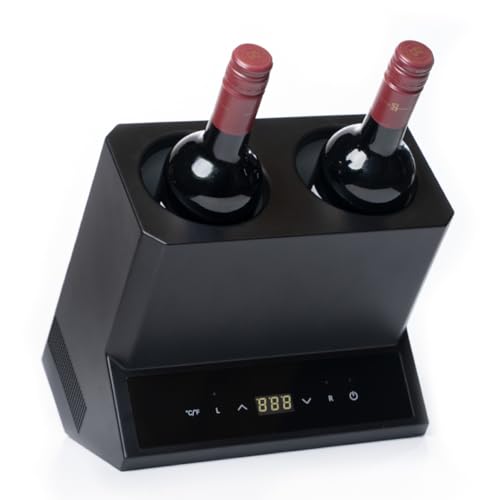
A full-size wine fridge solves a storage problem. A single bottle wine chiller solves a different one: getting the bottle you're about to drink tonight from room temperature down to serving temperature in the next few minutes, not the next few hours. That distinction matters more than it sounds. Someone hosting dinner for two, keeping one bottle cold at a desk, or setting up a small bar cart usually doesn't want a multi-bottle unit humming in the corner. They want something compact that cools fast, sits quietly on a counter, and stays out of the way when it isn't in use.
This guide covers what actually separates the different styles of single-bottle chiller, how quickly each one brings a bottle down to temperature, and what to check before buying so the wine you open tonight is properly cold instead of lukewarm.
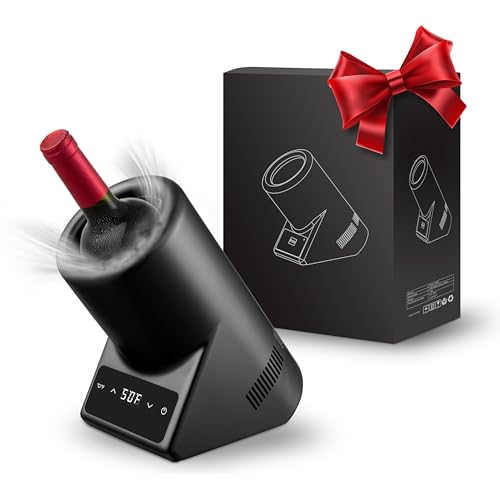


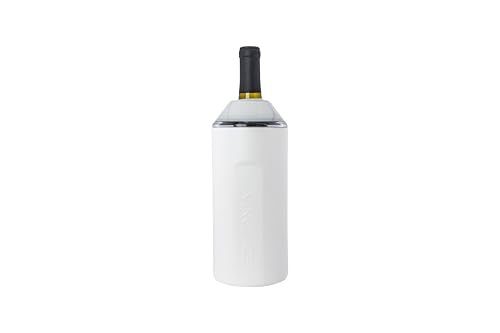
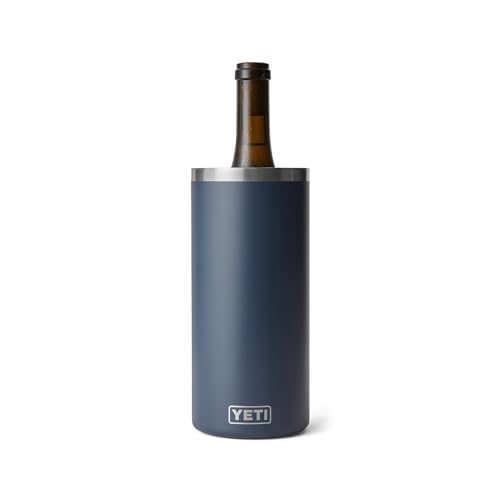

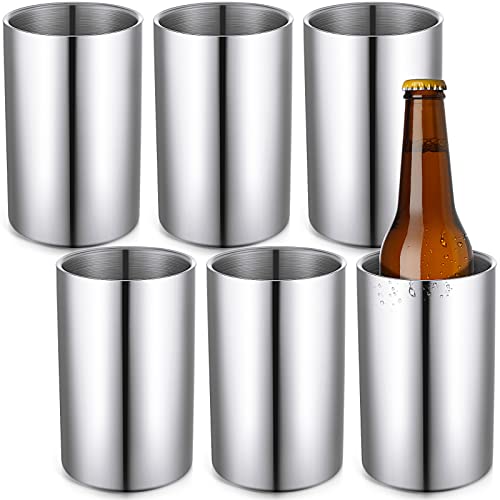
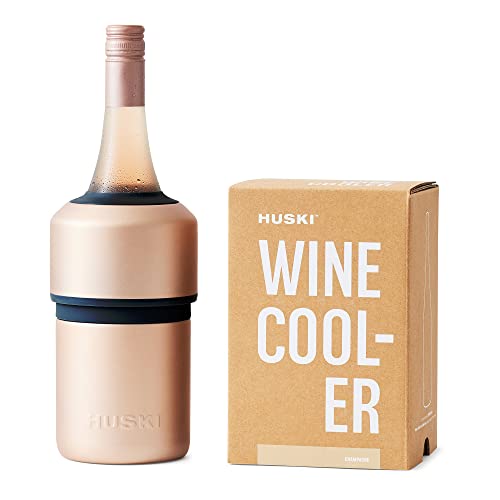
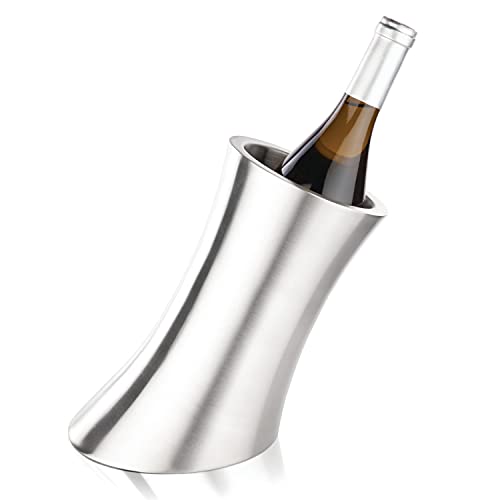
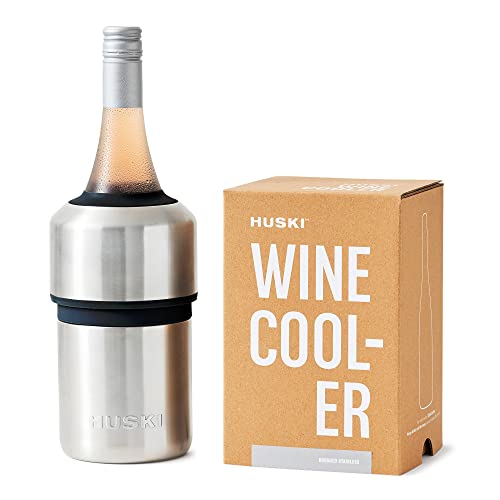
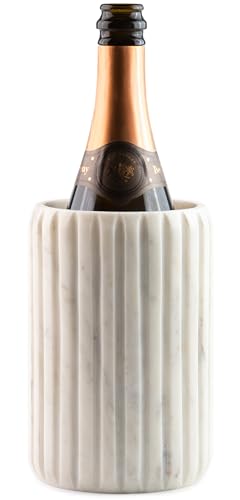
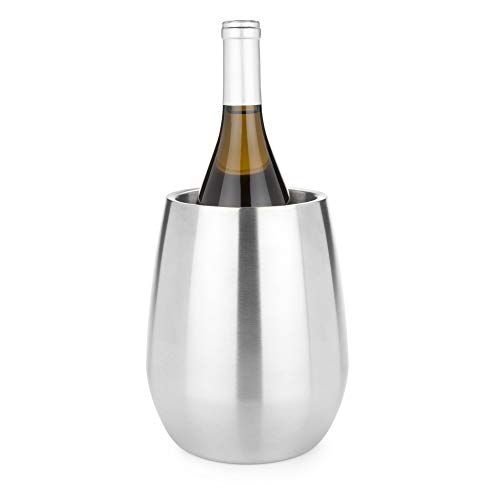
Why a Single-Bottle Chiller Isn't Just a Small Wine Fridge
Multi-bottle units, like a 12 bottle wine cooler, are built around holding a rotating collection at a stable resting temperature for days or weeks. A single-bottle chiller is built around speed and occasion. It takes one bottle that's currently at room temperature and pulls it down to drinking temperature quickly, then it's done its job until the next bottle needs the same treatment.
That difference shapes almost everything about the design. Storage units prioritize even temperature distribution and low vibration over long periods. Single-bottle chillers prioritize rapid heat transfer over a short window, which is why the internal mechanisms look so different even though both appliances get grouped under "wine cooler" in most store listings.
Thermoelectric, Mini-Compressor, and Ice-Bucket Styles Cool in Different Ways
Three distinct mechanisms show up in this category, and they behave very differently in practice.
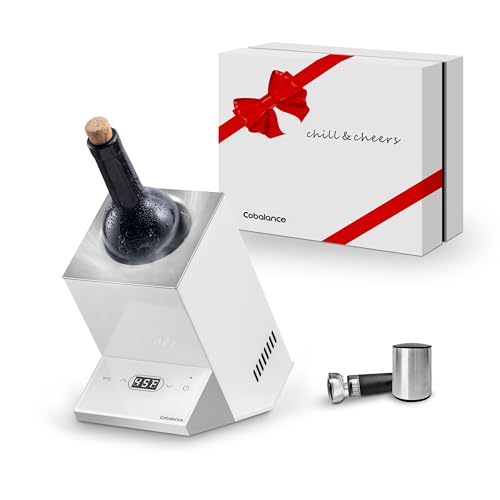
- A thermoelectric wine chiller uses a solid-state plate with no moving parts, no refrigerant, and almost no operating noise. It's a good fit for a bedroom, office, or small apartment where a compressor's hum would be noticeable, though it cools more gradually and struggles once the room gets warm.
- A mini-compressor chiller works like a scaled-down refrigerator. It reaches lower temperatures and holds them more reliably in a hot kitchen, but it produces a faint hum and some vibration, which matters if the unit sits somewhere quiet.
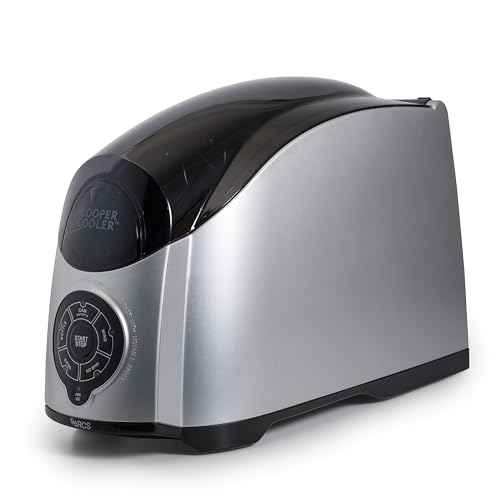
- An ice-bucket-style electric chiller rotates or sprays the bottle in ice water rather than cooling air around it. This is typically the fastest option of the three because direct contact with cold liquid transfers heat much quicker than air ever can.
None of these is universally "better." The right pick depends on how much you value silence versus speed, and whether the chiller needs to hold a bottle cold for an evening or just bring it down fast right before pouring.
Let Serving Speed, Not Marketing, Drive the Decision
Wine has a fairly narrow serving-temperature window. Whites and rosés are best around 45 to 50°F, reds sit closer to 55 to 65°F depending on body, and sparkling wine wants to be colder than most people think. A chiller's real job is closing the gap between "just bought it" or "just opened it" and that window as efficiently as possible.
If wine usually comes straight from a store shelf or pantry, prioritize a chiller with a genuinely fast cycle, since starting temperature is often 70°F or higher. If bottles are already resting in a cool cellar or a regular refrigerator and just need a final few degrees before pouring, a slower thermoelectric unit is plenty. For that reason, a good single bottle wine chiller is chosen around the starting temperature of the wine, not just the appliance's advertised specs, since buying more chilling power than the routine requires just adds noise, cost, and counter space for no real benefit.
Fitting a Chiller Into a Small Kitchen or Bar Cart
Footprint matters more with this category than most kitchen appliances because it usually lives somewhere visible rather than tucked in a cabinet. Measure the actual counter or cart space before buying, including clearance for a lid or door to open fully, and check whether the unit needs to sit near an outlet or can run cordless for short stretches.
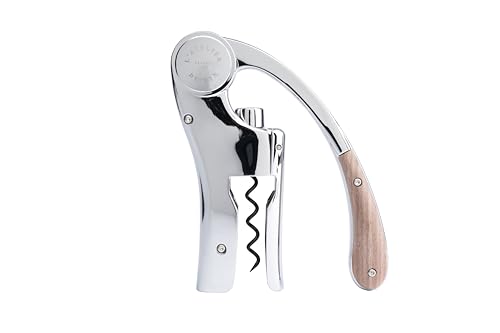
Weight is worth checking too if the chiller is meant to move around, say from kitchen counter to patio table for an outdoor dinner. Ice-bucket-style units tend to be lightest since they carry the least internal hardware, while compressor models are usually the heaviest of the three because of the motor and coils packed into a small housing. On a small bar cart, it's also worth planning space for a decent wine opener next to the chiller, since both get used in the same few minutes before a glass is poured.
Getting the Most Out of a Compact Chiller
A single bottle wine chiller needs a bit of care to keep performing at its best. Thermoelectric units rely on airflow across their heat sink, so keeping vents clear of dish towels, fruit bowls, or other counter clutter noticeably improves how well they perform. Compressor models benefit from a few inches of open space on all sides for the same reason; boxing one in against a wall or cabinet makes it work harder and cool slower.
Ice-bucket-style chillers need enough ice and water to fully submerge the bottle's shoulder, not just the base, since an uncovered section of glass barely changes temperature at all. If a household regularly ends up chilling more than one bottle at a time rather than just one, it's worth comparing against something like a dual zone wine fridge, which is built for that pattern instead of single servings.
What This Kind of Chiller Typically Costs to Buy and Run
Ice-bucket-style electric chillers and basic thermoelectric models tend to sit at the lower end of the category price range, since they use simpler components and draw relatively little power. Compressor units cost more upfront and use more electricity per hour of operation, though that cost is usually modest given how briefly the unit typically runs at a time.
Ongoing costs beyond electricity are minor. Thermoelectric and compressor units need occasional dusting around their vents, while ice-bucket styles just need regular ice and water, so there's no filter or refrigerant to budget for as there might be with a larger appliance.
Frequently Asked Questions
How long does it take a single bottle wine chiller to cool a bottle?
It depends heavily on the mechanism. Ice-bucket-style units can chill a bottle in as little as 15 to 25 minutes, while thermoelectric models often take an hour or more to reach the same drop in temperature.
Is a thermoelectric wine chiller powerful enough for a hot kitchen?
It can struggle if the surrounding room is significantly warmer than the target temperature, since these units cool relative to ambient air rather than pulling heat away as aggressively as a compressor does.
Can it keep wine cold for an entire evening once chilled?
Electric compressor and thermoelectric models can, since they actively maintain temperature once reached. Ice-bucket-style chillers only hold cold for a couple of hours before the ice melts and needs replacing.
Do these chillers work for sparkling wine or champagne?
Yes, and ice-bucket-style units are often preferred for sparkling wine specifically because rapid, even cooling helps preserve carbonation better than a slow air-based chill.
Will a compressor chiller be too loud for a bedroom or office?
It produces a faint hum and light vibration that most people find negligible, but anyone especially sensitive to background noise in a quiet room may prefer a thermoelectric model instead.
Can red wine go in an electric wine chiller too?
Yes, though most reds only need a short cycle since they're served warmer than whites. A brief chill of 10 to 15 minutes is usually enough rather than a full cooldown cycle.
Do single bottle chillers use a lot of electricity?
No. Their draw is low and they typically run for short bursts rather than continuously, so the effect on a monthly electricity bill is minimal compared with a full-size fridge or wine cooler.
Choosing the Chiller That Matches How You Actually Drink
The right single bottle wine chiller comes down to matching the mechanism to the routine rather than chasing the model with the most features. Frequent last-minute chilling favors an ice-bucket-style unit for raw speed, quiet all-day use favors thermoelectric, and anyone who wants both power and the ability to hold temperature for hours is better served by a compact compressor model. Once that priority is clear, the rest of the decision, size, noise level, and price, tends to sort itself out quickly.