Best Knife Sharpeners: A Complete Buying Guide
Disclosure: We may earn a commission when you buy through links on this page, at no extra cost to you. As an Amazon Associate I earn from qualifying purchases. Learn more

Every kitchen ends up with the same problem eventually: knives that slide across a tomato instead of slicing through it. Finding the best knife sharpeners for your situation isn't about grabbing the priciest tool on the shelf. It comes down to matching the sharpening method to how often you cook, how many knives you own, and how much time you want to spend learning a new skill. Electric sharpeners promise speed, whetstones promise precision, and pull-through sharpeners promise simplicity, and each one trades off something for something else. This guide walks through the main sharpener types, what actually matters when comparing them, and how to keep an edge cutting cleanly between sharpenings.

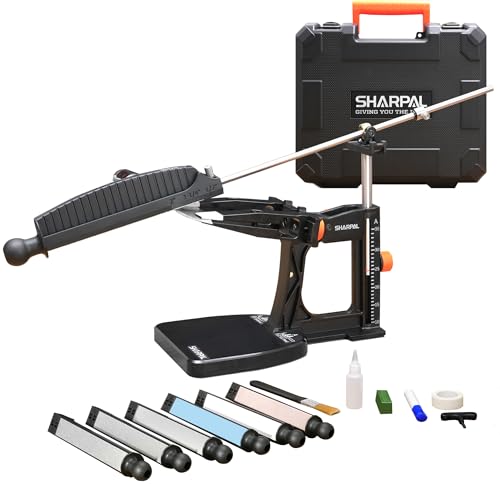
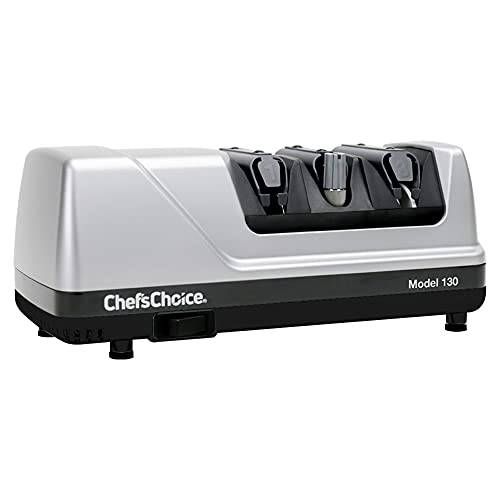
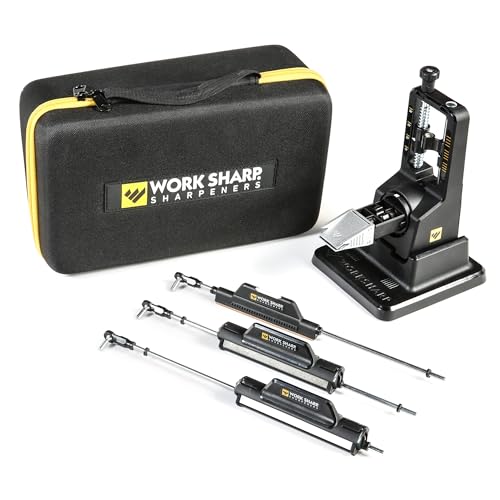
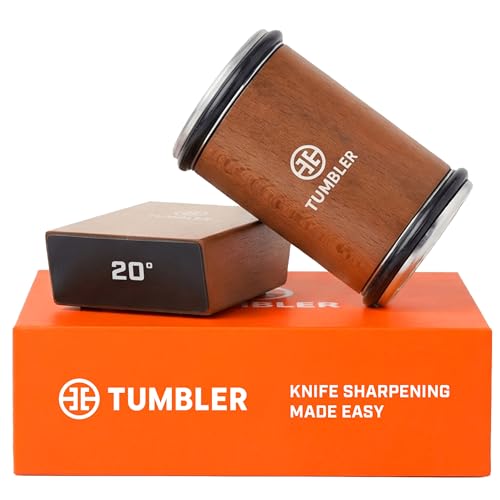


Types of Knife Sharpeners Compared
Knife sharpeners generally fall into five categories, and each one suits a different kind of cook. Knowing the tradeoffs before you buy saves you from owning a tool you never actually reach for.
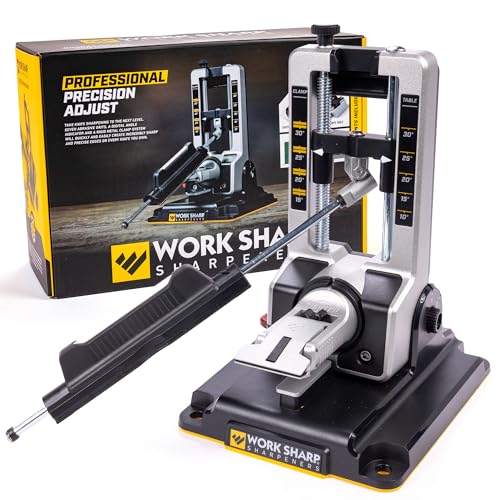
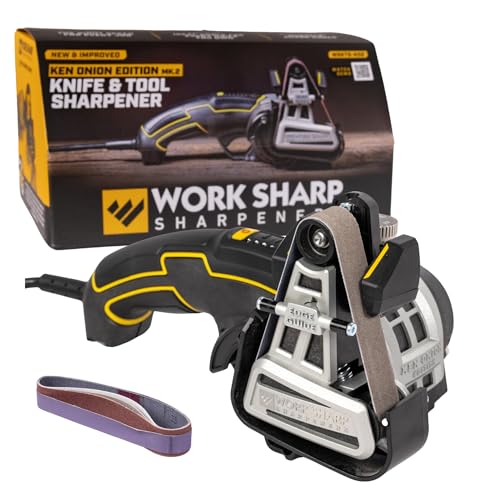
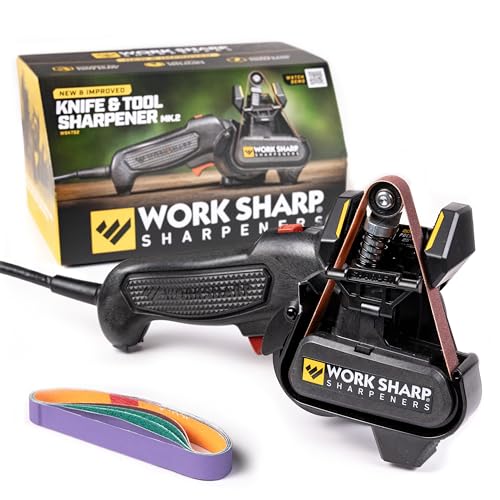
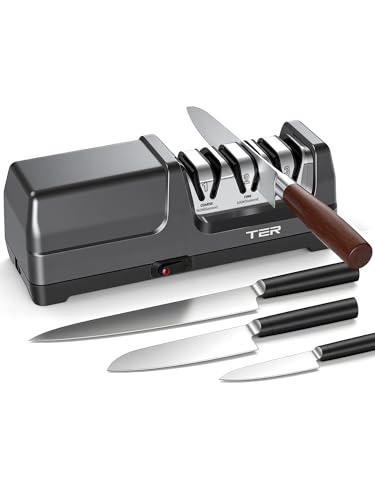
- Electric sharpeners: pull the blade through spinning abrasive wheels set at a fixed angle. They're the fastest option and require almost no technique, though they remove more metal per pass than most other methods.
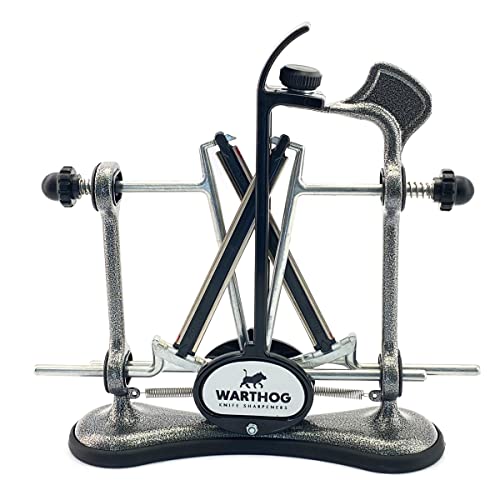
- Manual pull-through sharpeners: use V-shaped slots to guide the blade at a preset angle. They're inexpensive, compact, and a reasonable middle ground for someone who wants more control than an electric unit but doesn't want to learn freehand technique.
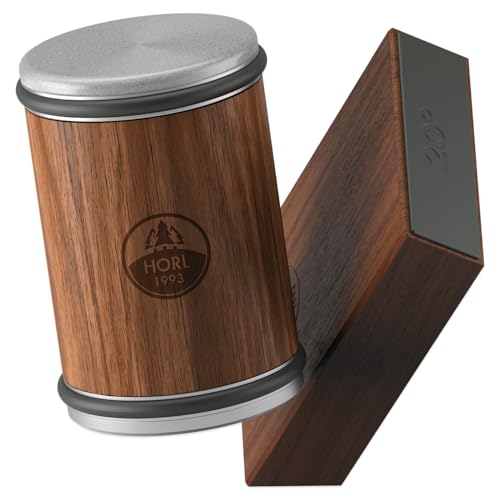
- Whetstones: flat abrasive stones you draw the blade across by hand. They take the longest to learn but give you full control over the angle and how much steel comes off, which is why serious cooks tend to gravitate toward them.
- Honing rods: don't actually sharpen in the traditional sense. They realign a rolled edge between sharpenings, keeping a blade performing well for longer without removing material.
- Professional sharpening services: local shops or mail-in services that sharpen knives for you. Useful for oddly shaped blades, serrated edges, or anyone who would rather skip the learning curve entirely.
If you already know you want the level of control a stone offers, the guide to Japanese-style whetstones goes deeper into grit selection and technique.
If speed and simplicity matter more to your routine, the electric knife sharpener guide covers what separates a good motorized unit from a mediocre one.
What to Look for Before You Choose
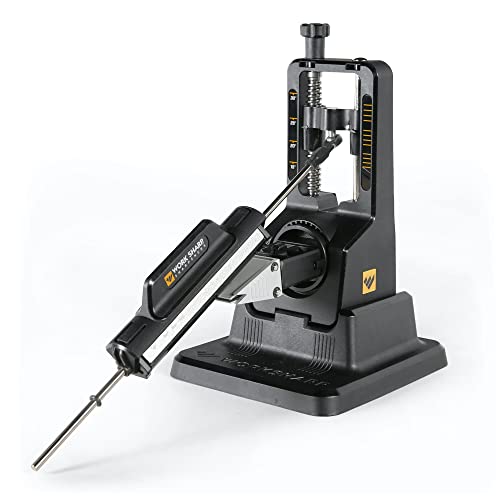
Once you've narrowed down a type, a few practical factors separate the best knife sharpeners from the ones that end up forgotten in a kitchen drawer. Angle consistency matters most: a tool that holds the same angle on every pass produces a cleaner, more even edge than one that depends on your hand staying perfectly steady.
Material removal control comes next. Aggressive sharpeners fix a badly dull blade fast, but they also shorten a knife's lifespan if you use them more often than necessary. Gentler methods take more passes but preserve the blade's original geometry.
Finally, weigh the learning curve against the speed you actually need. A busy household with several knives in daily rotation might value a two-minute electric fix over a ten-minute stone session, while someone with one or two quality knives may prefer the slower, more precise route. If you're outfitting a whole kitchen, the kitchen knife sets guide is a useful companion piece for pairing blades with the right sharpening routine.
How Often to Sharpen vs Hone Your Knives
Honing and sharpening solve different problems, and mixing them up is one of the most common reasons a knife feels dull sooner than expected. Honing realigns an edge that has bent slightly out of true; it doesn't remove metal, so you can do it often, even every time you cook, without hurting the blade.
Sharpening removes a thin layer of steel to create a new edge, and it should happen far less often. Most home cooks only need a full sharpening every few months, while a knife used daily in a busy kitchen might need it monthly. Reaching for an aggressive sharpener too frequently wears down a blade faster than necessary, so a quick hone between sessions usually solves the problem without a full resharpening.
Common Sharpening Mistakes to Avoid
The angle you use matters more than most people realize. Switching between a steep angle one session and a shallow one the next creates an uneven edge that never quite feels sharp, no matter how many passes you make.
Pressing too hard is another frequent misstep. Extra force doesn't speed up the process; it just removes more steel than needed and can even damage the sharpener itself. Whetstones also need to be properly soaked or wetted before use, since a dry stone wears unevenly and can scratch the blade.
Sharpening on autopilot causes problems too. A knife that only needs a quick hone doesn't need a full pass through an aggressive electric sharpener, and treating every touch-up like a full sharpening session shortens a good blade's useful life.
Frequently Asked Questions
What's the best type of knife sharpener for a beginner?
A manual pull-through sharpener with a built-in angle guide is usually the easiest starting point. It requires no real technique, works on most standard kitchen knives, and costs far less than an electric unit.
Is a whetstone better than an electric sharpener?
Neither is strictly better; they serve different needs. A whetstone gives more control and preserves the blade's edge over time, while an electric sharpener is faster and easier for anyone who isn't interested in learning freehand technique.
How often should I sharpen my kitchen knives?
Most home cooks only need a full sharpening every two to six months, depending on how often they cook. Honing between sharpenings, on the other hand, can happen weekly or even daily without any downside.
What's the difference between honing and sharpening?
Honing realigns an edge that has bent out of true and doesn't remove any metal. Sharpening grinds away a thin layer of steel to create a fresh edge, which is why it needs to happen far less often.
Can a knife sharpener ruin my knife?
Yes, if it's used incorrectly or too aggressively. Overusing an electric sharpener, applying too much pressure, or sharpening at an inconsistent angle can wear down a blade faster than normal use ever would.
What angle should I sharpen my knife at?
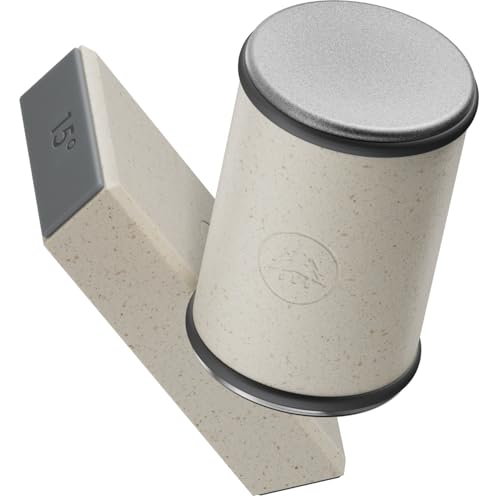
Most Western kitchen knives sharpen well between 17 and 22 degrees per side, while thinner Japanese-style blades often call for something closer to 15 degrees. Checking the manufacturer's recommendation is the safest bet if you're unsure.
Do I need both a honing rod and a sharpener?
For most home cooks, yes. A honing rod maintains the edge between sharpenings, while an actual sharpener handles the deeper maintenance a blade needs every few months. Using them together keeps a knife performing well with less overall wear.
Choosing the Sharpening Method You'll Actually Use
The best knife sharpeners aren't necessarily the fastest or the most precise on paper; they're the ones that fit naturally into how you already cook. A tool that sits unused in a drawer does nothing for a dull blade, no matter how well it's rated. Pick the type that matches your patience, your knife collection, and your kitchen habits, and your edges will stay sharp far more consistently.