
Cookware
Find the best cookware for every cooking style, from nonstick and stainless steel to cast iron and specialty pieces. Our curated selection includes top-rated pots, pans, and sets designed for performance and durability.
We review heat distribution, build quality, and ease of use to help you make the right choice. Compare options and upgrade your kitchen with cookware that delivers consistent results.

The Best Oval Dutch Ovens for Roasts and Whole Birds

Best Induction Cookware: The Complete Buying Guide for Every Kitchen

Best Stainless Steel Cookware Made in USA: A Complete Buying Guide
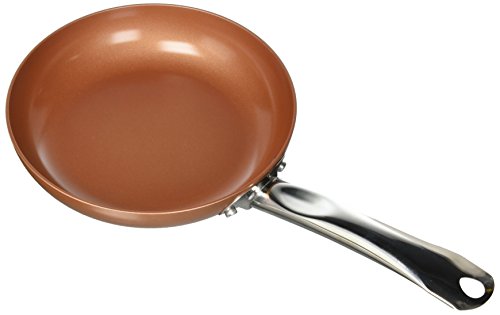
Best Nonstick Copper Pans: A Complete Buying Guide

Best Non-Stick Wok: A Complete Buying Guide for Home Cooks

Best Cast Iron Cookware Brands: the Complete Buying Guide

Best French Copper Cookware: A Complete Buying Guide
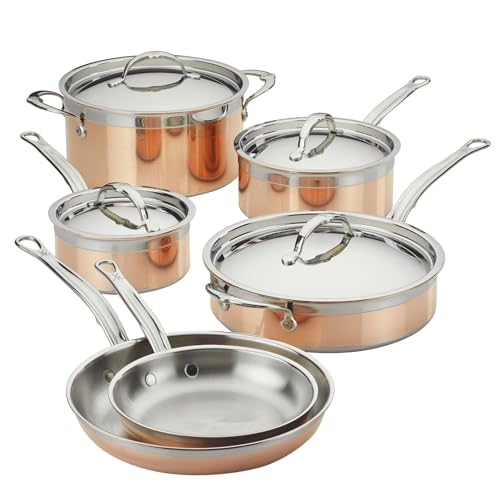
Best Copper Cookware Sets: A Complete Buying Guide

Best Copper Bottom Pans: A Complete Buying Guide
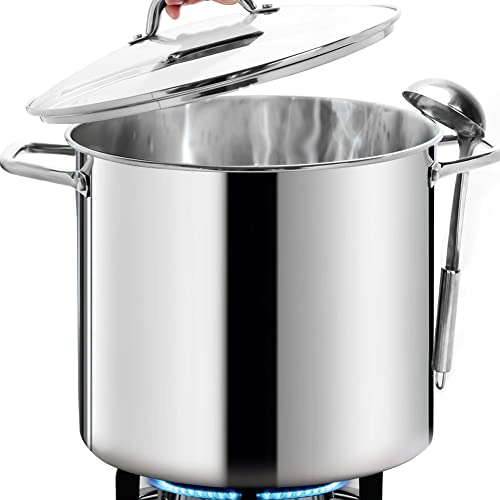
Best 12 Quart Stainless Steel Stock Pot: A Complete Buying Guide

Best Nonstick Cookware Sets of 2026: Expert Reviews for Every Home Kitchen

The Best 10 Piece Cookware Sets for Home Cooks in 2026
Choose Materials Before Brands
The material of a pan decides how it heats, how much care it needs, and what you can cook in it. Brand matters less than picking the right metal for the job. Many experienced cooks end up with a mix rather than one matching set: a nonstick skillet for eggs, stainless steel for searing and sauces, and cast iron for high heat.
Main Cookware Materials
- Stainless steel (clad): durable, oven safe, and good for browning. Look for tri-ply or multi-ply construction with an aluminum or copper core for even heating. Our guide to stainless steel cookware sets compares options.
- Nonstick: easy release and simple cleanup, best on low to medium heat. Coatings wear over time and should not be overheated empty.
- Ceramic-coated: a nonstick alternative without PTFE, though the slick surface often fades faster with heavy use.
- Cast iron: holds heat extremely well and lasts for generations with seasoning. Enameled cast iron skips seasoning and handles acidic dishes better. See our cast iron cookware brands guide.
- Copper: very responsive to heat changes, usually lined with stainless steel, and needs polishing to keep its shine.
Check Your Cooktop
Induction cooktops require magnetic cookware. Cast iron and most stainless steel work; pure aluminum, copper, and glass do not unless they have a magnetic base. A quick test is to see whether a magnet sticks firmly to the bottom of the pan. Our induction cookware guide lists compatible picks. On glass-top electric ranges, flat bottoms make better contact, and heavy cast iron should be lifted, not slid.
Sets vs Individual Pieces
Large sets look like a bargain but often include small pots you rarely use. A focused core of about five to seven pieces covers most cooking:
- A 10 or 12 inch skillet
- A 3 quart saucepan with lid
- A 5 to 8 quart stockpot or Dutch oven
- A saute pan with straight sides
- A nonstick pan for eggs and delicate fish
Common Mistakes
Using metal utensils on nonstick, preheating nonstick pans empty on high heat, and putting cast iron in the dishwasher all shorten cookware life. Check oven-safe temperatures for handles and lids before roasting. Good stainless sets often run between $150 and $500, while a single quality skillet can cost under $50. Pair your pans with the right tools from our utensils and gadgets section.
Cookware FAQ
What is the most versatile type of cookware?
Clad stainless steel is the most versatile for many cooks. It sears well, is oven safe, works on induction when magnetic, and lasts for years. Most kitchens still benefit from adding one nonstick pan for eggs.
How do I know if cookware works on induction?
Hold a magnet to the bottom of the pan. If it sticks firmly, the pan should work on an induction cooktop. Many manufacturers also mark induction compatible cookware with a coil symbol on the base or packaging.
Is nonstick cookware safe?
Modern nonstick cookware is considered safe for normal cooking when used as directed. Avoid heating it empty on high heat, use wooden or silicone utensils, and replace pans once the coating is visibly scratched or flaking.
Should I buy a cookware set or individual pieces?
Individual pieces let you choose the best material for each job and avoid paying for pans you will not use. A set can save money if most included pieces match how you cook, so check the piece list carefully.
How do I care for cast iron cookware?
Wash with hot water and a little mild soap if needed, dry it right away, and rub on a thin layer of oil while warm. Avoid soaking and the dishwasher, which can strip seasoning and cause rust.