Best Pasta Maker Under $100: A Complete Buying Guide
Disclosure: We may earn a commission when you buy through links on this page, at no extra cost to you. As an Amazon Associate I earn from qualifying purchases. Learn more
A hundred dollars is a real line in the pasta maker market, not just a round number. Cross it and a whole category of automated machines opens up. Stay under it and you are almost always choosing between hand-crank rollers, with one narrow electric exception that happens to land right at the ceiling. Knowing exactly where that line falls, and what changes on either side of it, makes shopping in this range far less confusing than scrolling through a mix of $25 no-name rollers and $95 Italian-made machines with no idea why the prices are so far apart.




What "Under $100" Actually Buys You Right Now
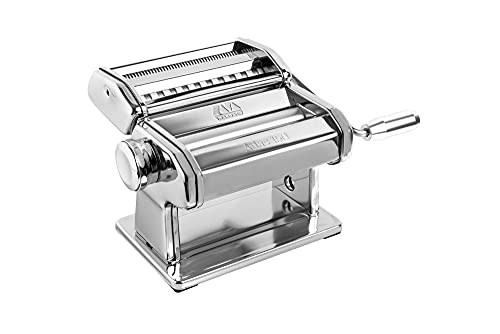
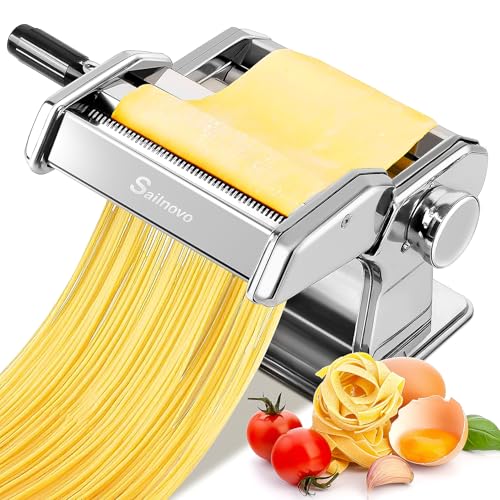
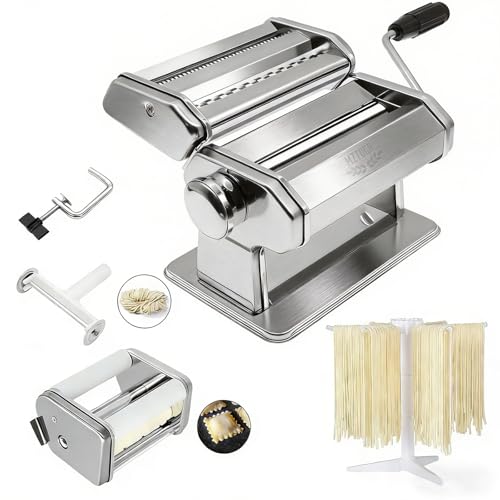
Spend anywhere from $25 to $45 and you will find a wide field of generic manual rollers from brands most people have never heard of. They all follow a similar formula: a clamp-mounted body, six to nine thickness settings, and one or two included cutters, usually fettuccine and a thinner noodle like tagliolini. Move up toward the $90 to $100 mark and you land on more established names, with the Marcato Atlas 150 being the machine shoppers most often settle on at this ceiling. It is not a different category of machine so much as a better-built version of the same basic idea.
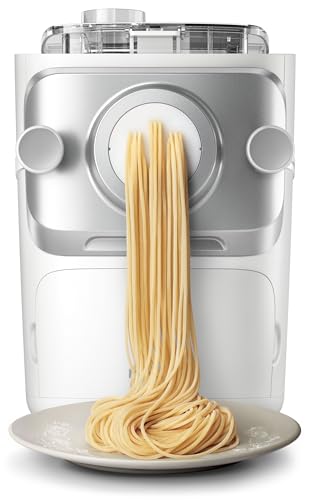
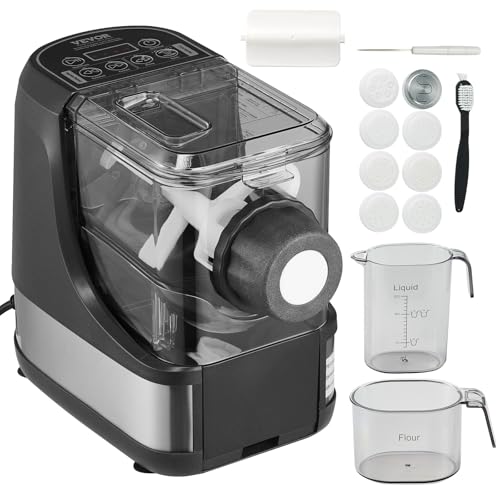
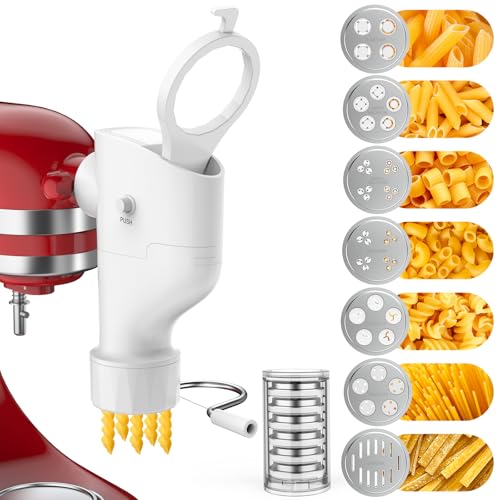
The one real outlier is the Cuisinart Pastafecto, priced right at $99.99, which mixes, kneads, and extrudes close to a pound of fresh pasta in about 20 minutes using swappable dies. It is the rare fully automated machine that actually clears the sub-$100 bar, since most electric and automatic machines, the kind covered in a dedicated electric pasta machine comparison, sit comfortably above this budget. If hands-off convenience matters more to you than hand-crank control, that single option is worth a closer look before you default to a roller.
Aluminum Rollers vs Chromed Steel: The Difference That Matters Most
Here is a distinction that rarely gets explained clearly, and it is one of the biggest differences between a $90 machine and a $30 one. The Marcato Atlas 150 uses anodized aluminum rollers rather than chromed steel, a material choice that avoids the small risk of nickel or chromium transferring into dough over years of heavy use, and one that resists denting under normal pressure. Most of the sub-$45 competition instead uses chromed or coated steel rollers, which are perfectly functional for occasional use but can show wear, minor pitting, or uneven pressure sooner if they are not dried and brushed carefully after every session.
Neither material is unsafe or a dealbreaker on its own. The practical takeaway is that if you plan to make pasta weekly for years, spending closer to the $100 ceiling for aluminum rollers is buying you longevity, not just a brand name. If pasta night happens a few times a year, a chromed steel roller in the $30 range will do the job without any real downside.
The $25 Machine vs the $90 Machine: Where the Corners Get Cut
Price differences inside this category rarely come from one dramatic feature. They come from several small ones stacked together.
Clamp Durability
Replacement clamps are sold as standalone accessory parts by several retailers, which tells you something on its own: the clamp is a common failure or loss point on budget machines. A clamp that cracks, strips its threads, or will not sit flush on a thicker countertop edge is one of the most frequent complaints at the low end of this price range, so test the clamp's fit on your own counter thickness before you commit to a specific model.
Gear Quality
Several budget listings specifically advertise "heat-treated gears" as a selling point, which is a hint that plain or softer gears are common enough at the very bottom of the market to be worth calling out. Gears that are not properly hardened tend to feel gritty or slip under thicker dough, especially once the machine has a year or two of regular use behind it.
Roller Width
Cheaper machines commonly roll sheets around five to six inches wide, while machines closer to the $100 ceiling stretch modestly wider. That extra couple of inches matters most if you make lasagna sheets or large ravioli, since a narrower roller means more seams to work around.
The One Electric Option That Fits Under $100
The Cuisinart Pastafecto deserves its own explanation because it works completely differently from every hand-crank machine in this price range. Instead of rolling sheets, it mixes and kneads dough internally, then extrudes it through a die to produce a specific pasta shape, similar in concept to the pricier automated machines but scaled down to a smaller batch size and a simpler control set. A full cycle takes roughly 20 minutes and produces close to a pound of pasta, which suits a household making dinner for two to four people.
The tradeoff is shape variety and speed per batch. You get whatever dies come in the box, cleanup involves rinsing an extrusion housing rather than brushing dry rollers, and you cannot adjust dough thickness the way a roller lets you. For shoppers who specifically want the hands-off experience without spending well above $100, it is worth comparing directly against a hand-crank model rather than assuming a roller is automatically the better buy.
What Ships With the Machine vs What You'll Buy Later
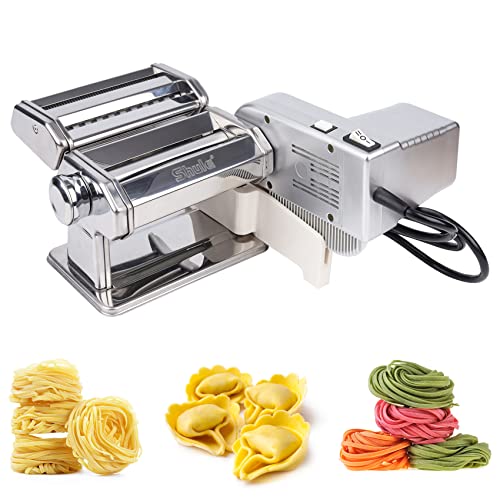
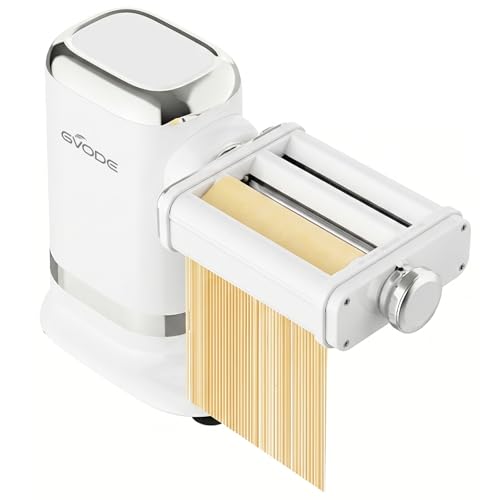
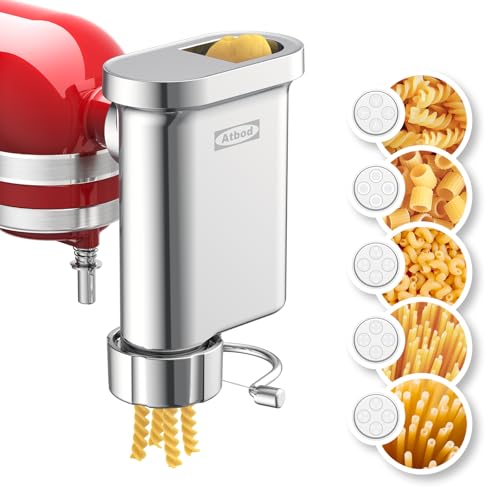
Almost every machine at this price point, from the cheapest roller to the Atlas 150, ships with the same starting point: the base unit plus fettuccine and tagliolini cutters. Anything beyond that, a ravioli stamp, a wider lasagnette cutter, a spaghetti attachment, or a motor kit that turns a hand-crank machine into a semi-automatic one, is almost always sold separately and can add $20 to $60 on top of the machine itself.
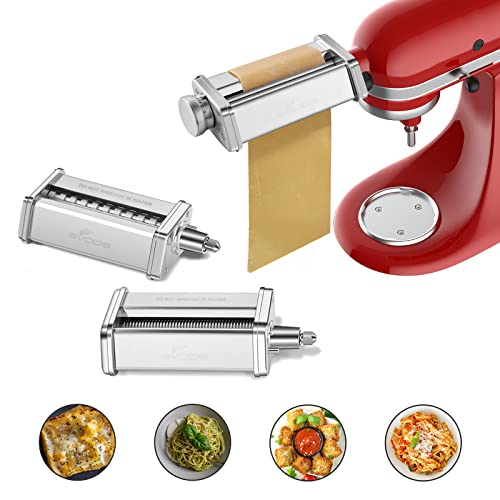
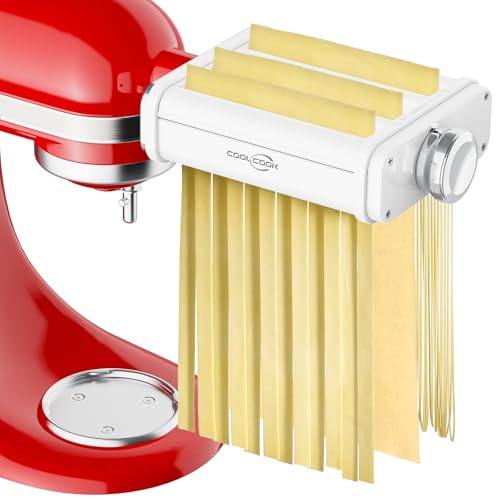
This is where a sub-$100 budget can quietly turn into a $150 purchase if you are not paying attention at checkout. Before buying, decide which shapes you actually want to make regularly. If fettuccine and a thin noodle cover most of your cooking, the included cutters are enough and you can stop there. If ravioli or lasagna sheets are the real goal, price the attachment in from the start rather than discovering the add-on cost after the fact. Anyone who already owns a compatible mixer should also weigh a roller attachment for a stand mixer built for handling dough against a standalone machine, since the attachment route skips a second motor and a second set of gears entirely. For a broader look at budget shopping beyond this specific ceiling, a wider comparison of budget pasta machine options covers usage frequency and storage in more depth.
Frequently Asked Questions
Is the Marcato Atlas 150 really worth close to the full $100 budget?
For anyone planning to make pasta regularly for years, the anodized aluminum rollers and sturdier gears generally justify the higher end of this price range. For occasional cooks, a $30 to $40 chromed steel roller will produce very similar results for far less money.
Can I get an electric pasta maker for under $100?
Yes, but options are limited. The Cuisinart Pastafecto is the clearest example, priced right around $99.99, though it works by extruding dough through dies rather than rolling sheets the way a hand-crank machine does.
Why do some pasta makers under $100 feel flimsier than others at a similar price?
Gear hardening and clamp construction vary more than shoppers expect within the same price band. Machines that advertise heat-treated gears or a reinforced clamp specifically are usually addressing a known weak point in cheaper competitors.
Do I need to buy extra attachments right away?
Not necessarily. Most machines under $100 include fettuccine and a thinner noodle cutter, which covers a large share of home cooking. Ravioli stamps, lasagnette cutters, and motor kits are optional add-ons you can buy later if you decide you need them.
Is aluminum or steel better for pasta rollers?
Anodized aluminum, as used on the Atlas 150, resists denting and avoids any small risk of metal transfer into dough over long-term heavy use. Chromed steel is perfectly serviceable for lighter or occasional use and costs noticeably less.
How wide a sheet can I expect from a machine under $100?
Most budget rollers produce sheets around five to six inches wide, while machines closer to the $100 ceiling tend to run slightly wider, which matters most for lasagna sheets and larger ravioli.
What is the most common complaint with cheap pasta makers?
Clamp durability comes up repeatedly, to the point that replacement clamps are sold separately by several retailers. Checking clamp fit against your own countertop before buying helps avoid this issue entirely.