
Best Wine Opener: A Complete Buying Guide
Disclosure: We may earn a commission when you buy through links on this page, at no extra cost to you. As an Amazon Associate I earn from qualifying purchases. Learn more
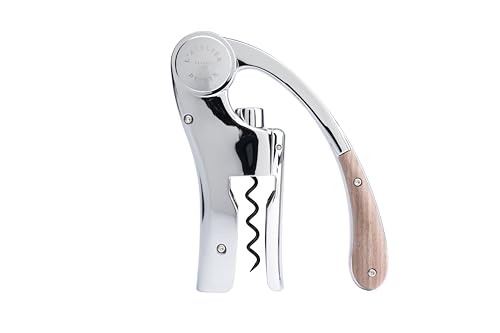
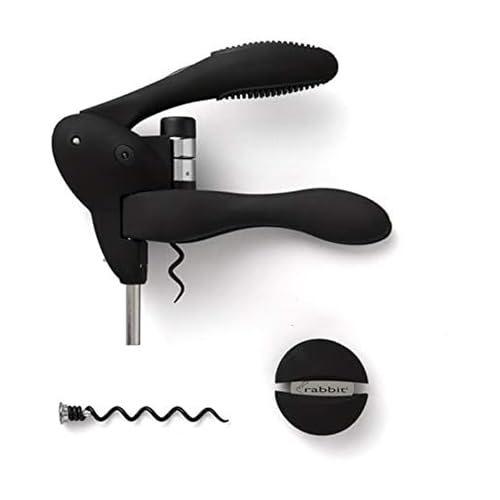
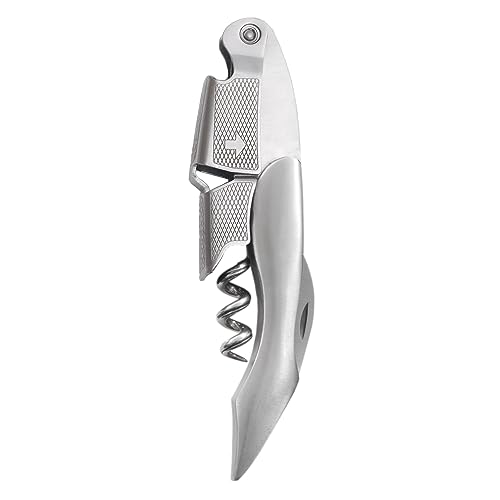

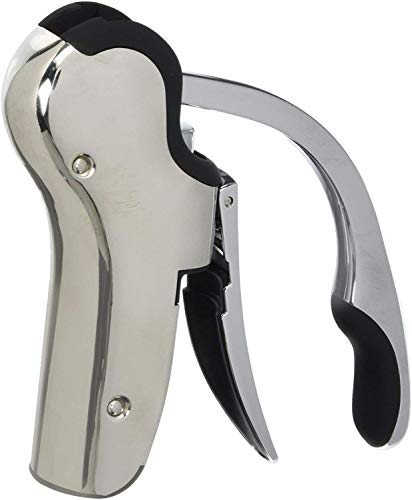
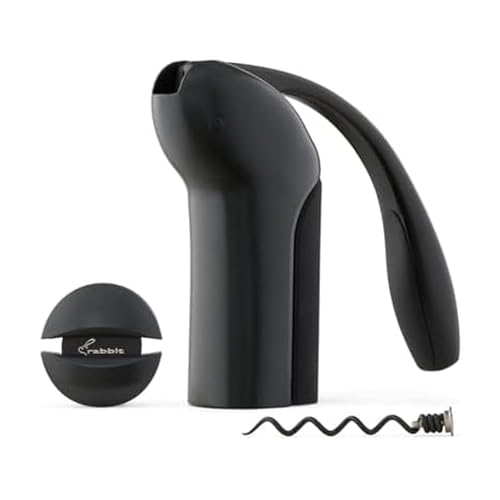

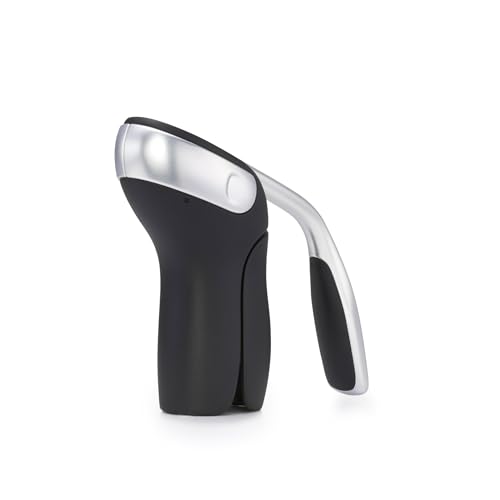
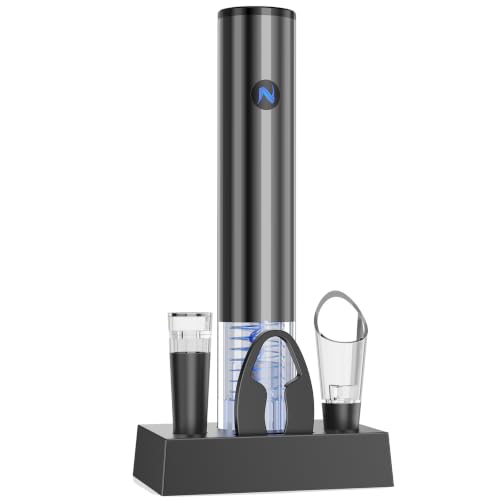
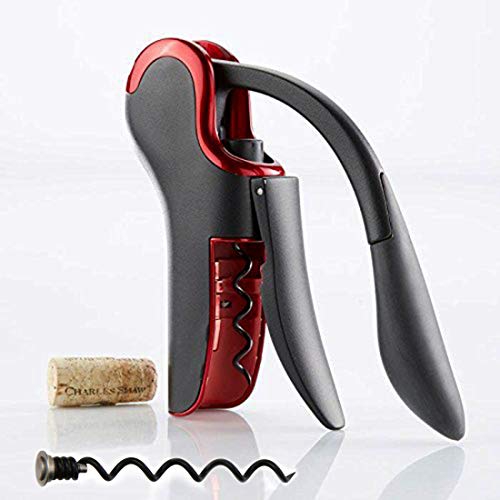

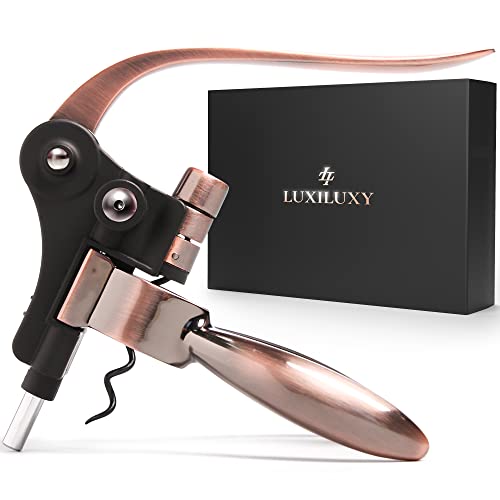
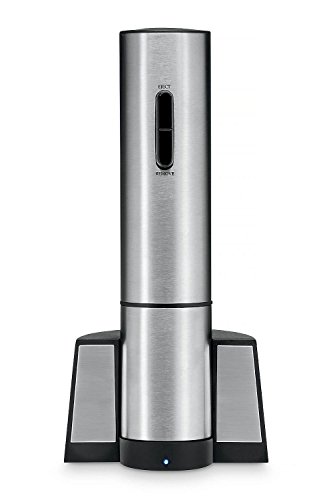
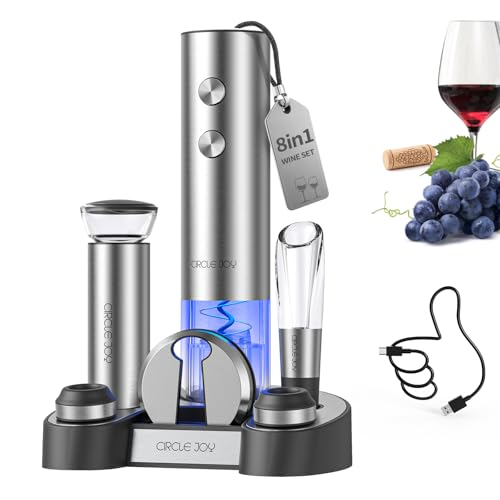
Four Mechanisms, Four Very Different Uncorking Experiences
Not every wine opener works the same way, and the differences matter more than the marketing photos suggest. Each mechanism trades off speed, effort, and forgiveness with fragile corks, so the right pick really depends on how often bottles get opened and who's doing the opening.
- Waiter's corkscrew: a folding two-step lever that servers use for a reason: compact, cheap to replace, and precise once the technique clicks.
- Winged corkscrew: the classic countertop model with two arms that rise as the worm goes in, then push down to pull the cork. Easy to understand, harder on the wrists over time.
- Lever-style (rabbit-style) corkscrew: clamps onto the neck and pulls the cork with one squeeze motion. Fast and nearly foolproof, though bulkier to store.
- Electric opener: removes the cork at the push of a button, which is genuinely useful for anyone with limited hand or wrist strength, or for households that open several bottles at a party.
Older or crumbly corks tend to punish waiter's and winged models the most, since both rely on a straight, controlled pull. A lever corkscrew or an electric unit generally handles those trickier corks with less drama.
What Actually Matters When You're Choosing One
Beyond the mechanism itself, a handful of details separate a tool that lasts from one that ends up in a drawer after a month. The worm, the spiral piece that bites into the cork, is the part doing the real work.
- Worm quality: a non-stick coating and a rounded (not pointed) tip glide into the cork instead of tearing through the center.
- Grip and leverage: a comfortable handle matters more than it sounds; a slick or narrow grip makes even a good mechanism feel weak.
- Portability: a waiter's corkscrew folds flat for a bag or a picnic basket; a lever or electric model is strictly a kitchen-drawer tool.
- Build material: stainless steel worms resist corrosion far better than plated alternatives that flake after repeated use.
- Extra features: a foil cutter built into the body saves a separate trip for a knife, and it's worth checking that it's sharp rather than decorative.
Anyone shopping for a household that also mixes drinks might reasonably want a matching bar toolkit; a cocktail shaker set covers the rest of the counter once the wine is open.
Getting a Clean Pull Every Time
Technique explains most of the difference between a smooth cork removal and a fight with a bottle. The worm should enter dead center and go in at a slight angle before straightening, so it travels through the middle of the cork rather than off to one side.
With a waiter's corkscrew, seat the small hook on the lip of the bottle first, then lift slowly and steadily rather than yanking. Rushing is the most common reason a cork tears apart halfway out. For a winged model, keep even pressure on both wings as they come down; uneven pressure is what causes the cork to snap.
Older corks, especially ones from bottles stored upright rather than on their side, dry out and crumble more easily. In those cases, going slower and stopping to reset the worm partway through beats pushing through resistance.
Keeping the Worm Sharp and the Mechanism Working
A little upkeep keeps any wine opener working like new for years. Wipe the worm dry after each use, since leftover wine residue left to sit can dull the spiral and eventually promote rust on lower-quality steel.
For a lever-style model, check the plastic or rubber grips periodically; they're the part most likely to wear out first, and a loose grip makes the clamping action far less secure. An electric wine opener needs its charging contacts kept clean and dry, and the foil cutter blade (if built in) should get a drop of light oil if it starts to stick.
Store any corkscrew somewhere it won't bang around with heavier utensils. A bent worm is one of the few failures that can't really be fixed, and it's almost always caused by rough storage rather than normal use.
What You'll Actually Pay, and What It Buys You
Budget models cover the basics but often skip the non-stick coating and use thinner worms that bend under pressure. Mid-range tools generally add a sturdier worm, a better foil cutter, and a grip that holds up to daily use, which is where most households find the best balance.
Premium versions, particularly electric and higher-end lever models, add rechargeable batteries, sleeker housings, and sometimes vacuum stoppers or aerators bundled in. The jump in price mostly buys convenience and finish rather than a dramatically different core mechanism.
For anyone building out a small home bar setup, it's worth thinking about storage temperature at the same time as the opener itself; a single-bottle wine chiller pairs naturally with whichever opener ends up in the drawer, and a larger 12-bottle wine cooler makes sense for anyone keeping more than a couple of bottles on hand.
Frequently Asked Questions
What's the easiest wine opener for beginners?
A lever-style or electric model is generally the easiest for beginners, since both remove most of the technique required. A waiter's corkscrew takes a bit of practice but rewards it with speed and portability once mastered.
Why does the cork keep breaking when opened?
Broken corks usually come from an off-center worm, rushing the pull, or an old, dried-out cork. Going in straight and pulling slowly, rather than yanking, solves most of these cases.
Are electric wine openers worth it?
They're worth it for anyone with limited grip strength or for households that open several bottles regularly. For occasional use, a manual option is usually just as effective and far cheaper.
How long do electric wine openers last on a charge?
Most models handle somewhere around 30 to 50 bottles per full charge, though this varies by battery size and how often the foil cutter gets used alongside it.
Can a wine opener remove a synthetic or plastic cork?
Yes, most mechanisms handle synthetic corks fine, though they can require slightly more pulling force since synthetic material grips the bottle neck more tightly than natural cork.
What's the difference between a corkscrew and a wine key?
They're generally the same thing; "wine key" is simply the common name for the folding waiter's corkscrew, named for its resemblance to a pocket knife when closed.
Is a more expensive wine opener actually better?
Past a certain point, extra cost buys convenience and finish rather than dramatically better cork removal. A mid-range manual or electric model handles the vast majority of bottles just as well as a premium one.
Landing on the Opener That Fits the Kitchen
There's no single "best" mechanism, only the one that matches how often bottles get opened and by whom. A waiter's corkscrew earns its keep for anyone who travels with wine or wants something compact; a lever model suits a busy kitchen that values speed over ritual.
Households with mixed grip strength or frequent entertaining tend to get the most out of an electric option, while a simple winged corkscrew still does the job for occasional, low-key use. Whichever mechanism wins out, a sharp, well-maintained worm matters more than any added feature.


