Best Plastic Wrap Dispenser: A Practical Buying Guide
Disclosure: We may earn a commission when you buy through links on this page, at no extra cost to you. As an Amazon Associate I earn from qualifying purchases. Learn more
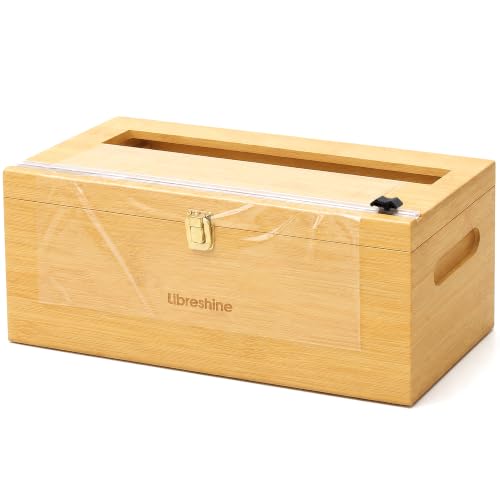
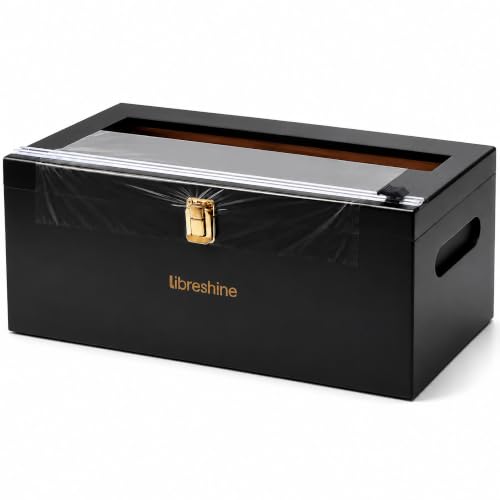
If you have ever wrestled with a torn cardboard box just to pull off a clean sheet of cling wrap, you already know why a dedicated dispenser earns a spot on the counter. The best plastic wrap dispenser turns that daily annoyance into a one-handed, ten-second task: pull, cut, done. Beyond convenience, a good dispenser also protects your fingers from the built-in cutting edge that ships with most retail wrap boxes, which tends to bend or dull after only a few uses. Whether you are setting up a small apartment kitchen or restocking a family kitchen drawer, choosing the right dispenser comes down to a handful of practical factors: how the cutter works, whether it fits your roll size, and how easy it is to refill without a fight.

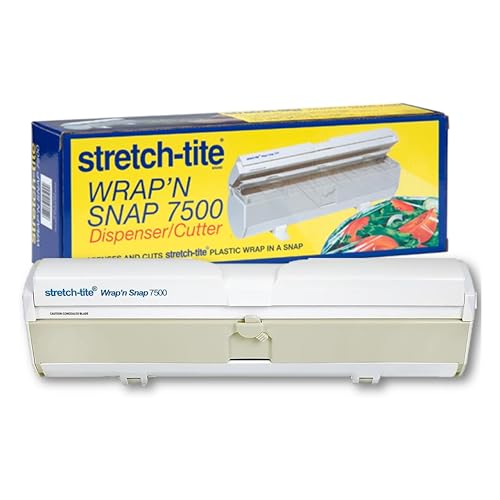
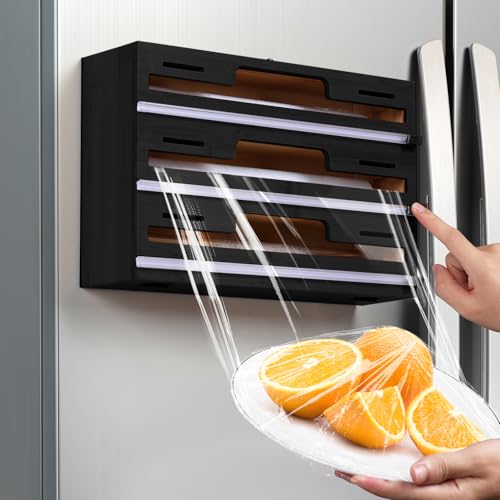
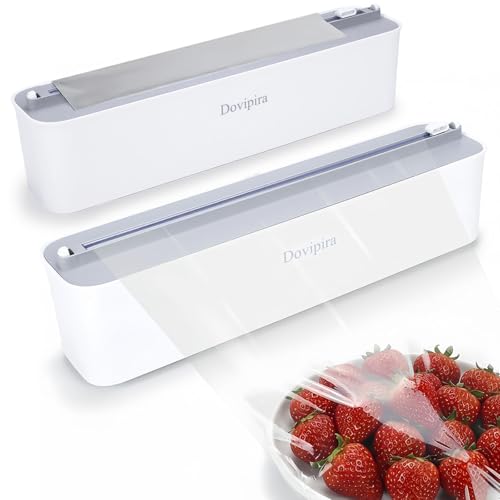

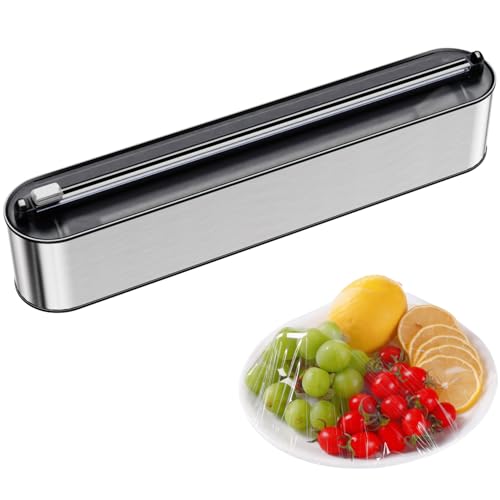
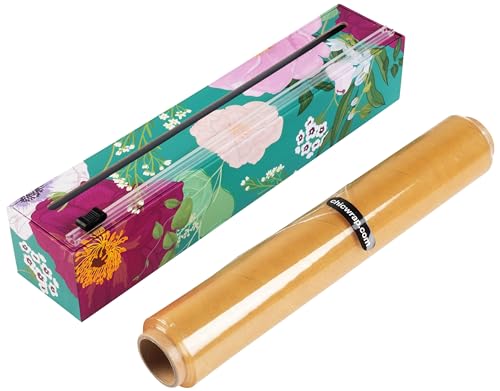
What Actually Makes a Plastic Wrap Dispenser Work Well
The cutting mechanism is the single biggest factor separating a dispenser you will actually use from one that ends up in a drawer. Some models rely on a sliding blade that glides across the roll in a track, while others use a fixed sawtooth edge similar to what comes on a retail box, only sturdier and better aligned. A sliding blade tends to give a cleaner, straighter cut, but it can jam or stick if wrap residue builds up on the track over time.
One-handed operation matters more than most people expect until they are holding a bowl of leftovers in one hand and trying to cover it with the other. Dispensers built for one-handed use typically have a weighted base or a locking lid that keeps the roll from sliding out while you pull and cut. Two-handed designs are not necessarily worse, but they work better on a counter than balanced on your forearm.
Multi-Roll Capacity: One Dispenser for Wrap, Foil, and Wax Paper
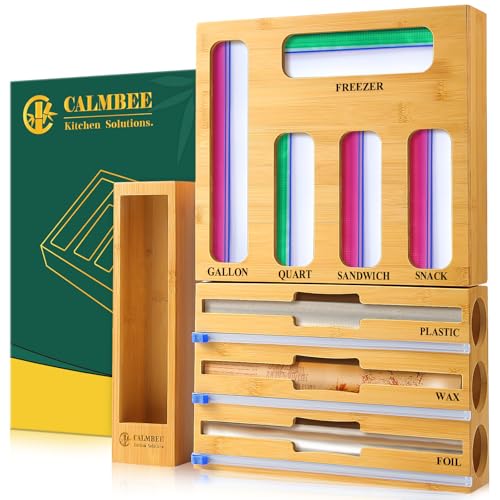
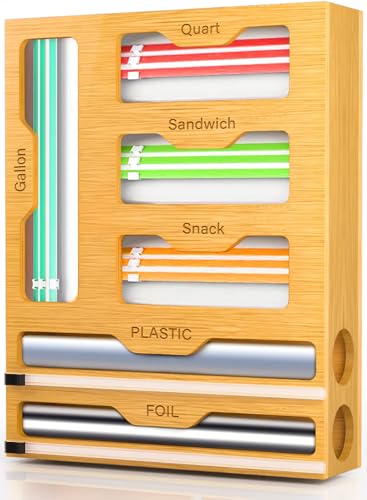
Many kitchens end up with three separate boxes taking up drawer space: plastic wrap, aluminum foil, and sometimes wax or parchment paper. A dispenser built to hold all three in one stacked or side-by-side unit can cut that clutter down significantly, as long as each roll gets its own properly sized cutting edge rather than sharing one blade across different materials.
If you are already comparing specialty kitchen tools, the same logic that applies when shopping for a best whipped cream dispenser applies here: buy for how you actually cook, not for every feature a listing advertises. A single-roll dispenser is often the better choice if you only reach for cling wrap a few times a week, while a multi-roll organizer earns its space in a kitchen that goes through foil and wrap at a similar pace.
Matching the Dispenser to Your Roll Size and Counter or Drawer Space
Most plastic wrap sold in the US comes on a standard roll width, but length and core diameter can vary more than shoppers expect, especially with bulk or club-store packs. A dispenser designed around one narrow roll width will not accommodate a wider or bulkier replacement roll, which is a common complaint once the original roll runs out. Before buying, it helps to check the roll width you actually use rather than assuming every dispenser fits every box.
Fit also matters beyond the roll itself. A countertop dispenser needs enough clear space that it is not constantly getting bumped, while a drawer-style version needs to slide easily without catching on other drawer contents. Measuring the space you have in mind, rather than guessing from a product photo, is usually what separates a smooth search for the best plastic wrap dispenser from a return you did not plan on.
Refilling and Cleaning the Cutter Safely
Refilling should be simple: lift the lid, drop in the new roll so it seats in the same direction as the old one, and close it so the cutting edge sits flush against the wrap. If the new roll seems to sit loosely or spins without feeding wrap out evenly, the core is likely a different diameter than the dispenser expects.
Cleaning the cutter is where people most often nick a finger, so it is worth doing carefully. Wipe the blade or sawtooth edge with a damp cloth rather than running a finger along it, and let any sticky residue soften for a minute before wiping instead of scraping at it. A quick wipe every few refills keeps the cut clean and prevents the tearing that happens when a blade drags instead of slicing.
Common Mistakes That Waste Money on a Wrap Dispenser
- Buying a dispenser sized for only one roll width, then struggling with every replacement roll that does not match
- Choosing a countertop model without measuring the space, leading to a dispenser that gets shoved aside daily
- Ignoring the cutting mechanism entirely and focusing only on looks, which often means a duller or slower cut
- Assuming a higher price always means a sharper or longer-lasting blade, when build quality varies more by design than by cost
- Skipping the lid lock feature, then finding the roll slides around during one-handed use
Most of these mistakes come from shopping based on a product photo rather than daily habits. A few extra minutes spent checking roll width, counter space, and how the cutter actually works will save more frustration than any other single step in the buying process.
Frequently Asked Questions
What is the best way to dispense plastic wrap without it sticking to itself?
Pull the wrap out slowly and at a slight angle rather than yanking it straight up, which reduces the static cling that makes it fold onto itself. A dispenser with a properly aligned cutting edge also helps, since a clean cut leaves less loose edge to curl and stick.
Do plastic wrap dispensers work with any brand of cling wrap?
Most work with any brand as long as the roll width and core diameter match what the dispenser was designed for. Standard household rolls generally fit universal dispensers, but bulk or club-store rolls sometimes run wider and may not seat correctly.
Can one dispenser hold foil and wax paper as well as plastic wrap?
Yes, several dispensers are built with two or three separate compartments so each roll gets its own cutting edge. This works well for kitchens that use all three regularly, though it takes up more counter or drawer space than a single-roll version.
Should I choose a countertop, drawer, or wall-mounted dispenser?
It depends on your available space and how often you reach for wrap. Countertop models are the most convenient for frequent use, drawer-style dispensers keep counters clear, and wall-mounted versions work well in tighter kitchens where counter space is limited.
How do I clean a plastic wrap dispenser's cutting blade safely?
Wipe it with a damp cloth rather than touching the edge directly, and avoid scraping at dried residue with your fingers. Letting sticky buildup soften briefly before wiping makes the job easier and safer.
How long should a good wrap dispenser's cutter stay sharp?
A well-made cutting edge should hold up for regular use over a long stretch of ownership, since most dispensers use a fixed metal edge rather than a blade that wears down like a knife. If cuts start tearing rather than slicing cleanly, the issue is more often residue buildup than a dull edge.
Why does my plastic wrap tear instead of cutting cleanly?
This usually happens when the wrap is pulled unevenly across the cutting edge or when the roll is not seated flush in the dispenser. Slowing down and pulling the wrap flat against the cutter, rather than at an angle, typically solves the problem.
Finding a Wrap Dispenser That Actually Gets Used
The right dispenser is the one that matches how you actually cook and how much space you have to give it. Once the cutting mechanism, roll size, and refill routine all line up, the best plastic wrap dispenser stops being a gadget and becomes something you reach for without thinking twice.