Best Pasta Machine: A Complete Buying Guide
Disclosure: We may earn a commission when you buy through links on this page, at no extra cost to you. As an Amazon Associate I earn from qualifying purchases. Learn more

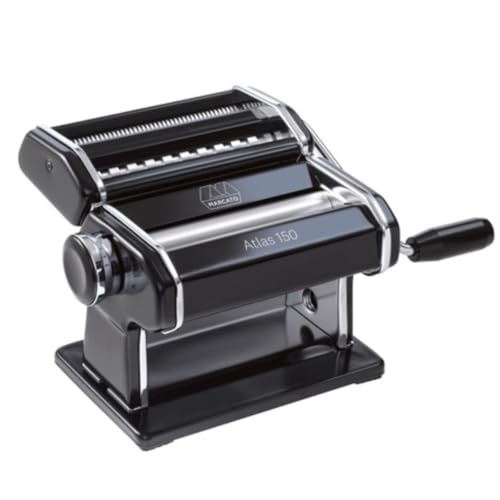
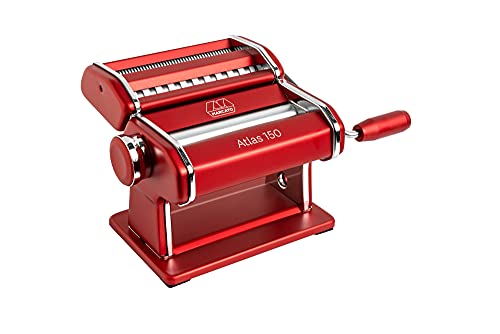
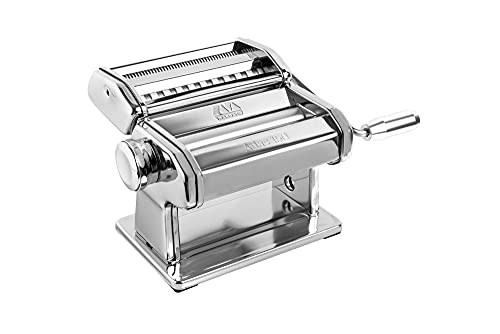
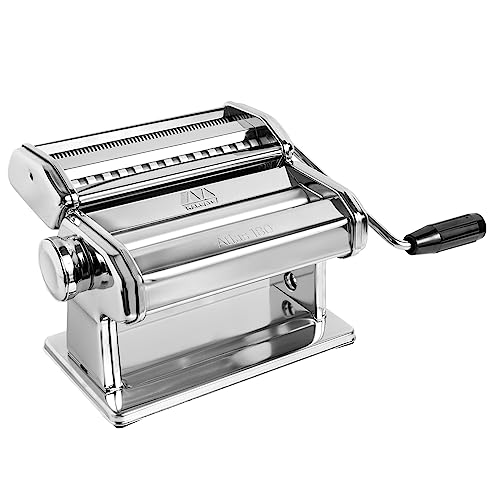
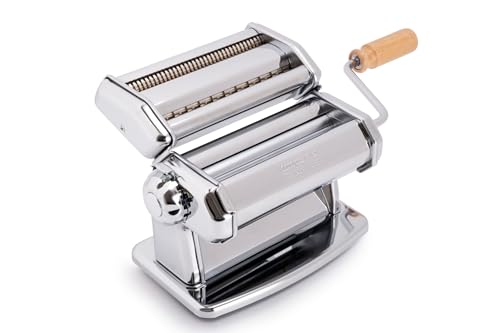
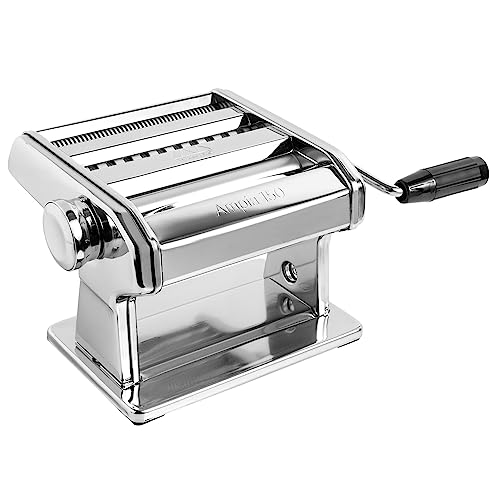
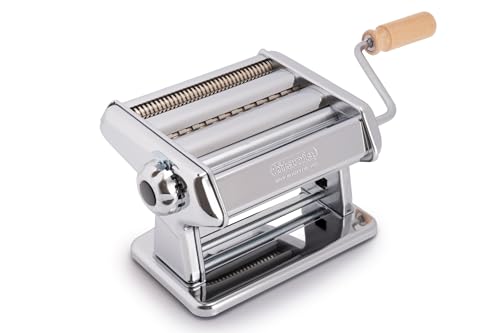
Search "pasta machine" and most people picture the same thing: a chrome or stainless steel box with a hand crank, a couple of rollers, and a slot for feeding through sheets of dough. That's the classic Italian-style manual machine, the kind Marcato has been making in Bologna for decades, and it's still the default choice for home cooks who want restaurant-thin sheets without buying anything electric. This guide focuses on that category specifically: what separates a good manual crank machine from a flimsy one, how the thickness and cutting options actually work, and where it fits if you're also weighing electric or stand-mixer options.


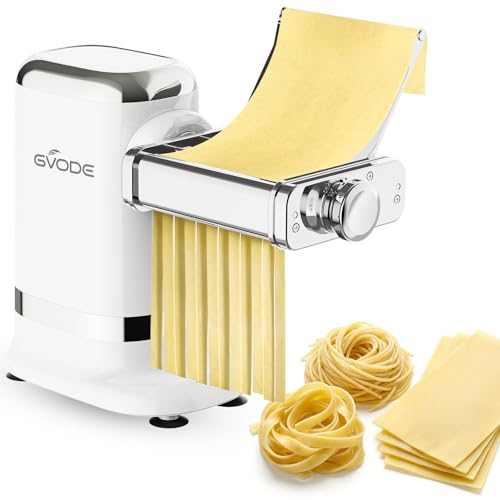
Manual, Electric, or Stand-Mixer Attachment: Where a Crank Machine Fits
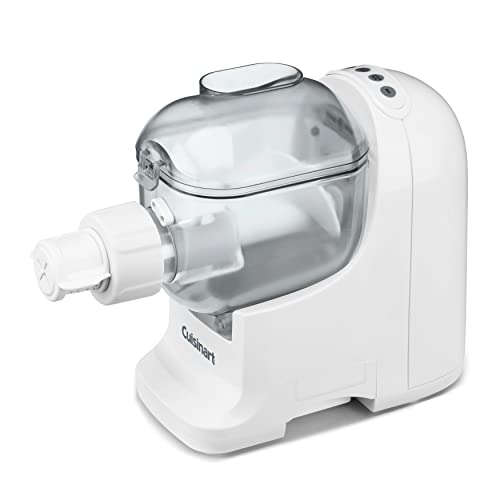
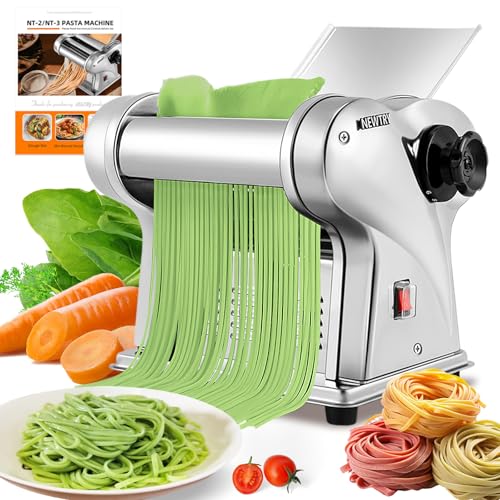
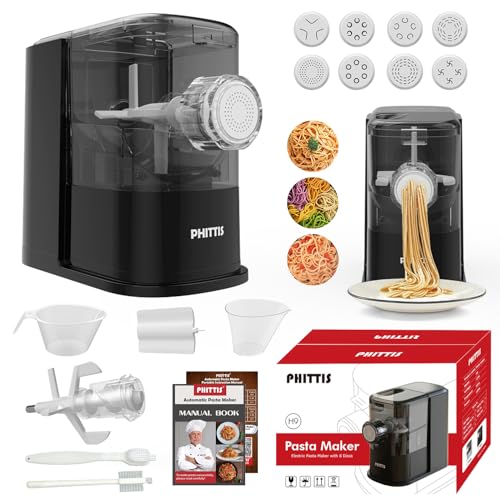
Before buying a hand-crank machine, it's worth being clear on what you're choosing over. A dedicated electric pasta machine mixes, kneads, and extrudes dough on its own, which is faster for weeknight cooking but locks you into whatever shapes its dies support. A stand-mixer roller attachment, like the kind made for KitchenAid mixers, swaps the crank for your mixer's motor: you still feed dough through by hand, but you're not turning anything yourself. That's genuinely easier on the wrist, though it only works if you already own a compatible mixer and are willing to keep an extra attachment in a drawer.
A manual crank machine skips both dependencies. It doesn't need an outlet, doesn't need a mixer, and costs less than either alternative in most cases. The trade-off is that someone has to turn the handle, and for people who make pasta only occasionally, that's rarely a dealbreaker. It becomes more relevant if you're rolling large batches often or have a hand or wrist condition that makes repetitive cranking uncomfortable, in which case the motorized route is worth the extra cost. If budget is the main constraint rather than physical effort, a budget pasta machine built around the same manual mechanism can get you most of the way there for less.
Thickness Dials and Cutting Attachments That Actually Matter
The core job of any manual machine is rolling dough progressively thinner through a numbered dial, usually starting at a wide setting for kneading the dough smooth and working down to a paper-thin setting for delicate pasta like tagliatelle or ravioli sheets. Better machines offer a wider spread between their thickest and thinnest settings, which matters more than the raw number of clicks on the dial. A machine that only goes from "thick" to "medium" isn't much use for anyone chasing genuinely thin sheets, while one with a true near-zero setting can turn out sheets thin enough to see your hand through.
Pay attention to how clearly the settings are marked, too. Testing from equipment reviewers has flagged that on some machines, the numbers printed near the adjustment knob are hard to read or don't line up cleanly with the actual roller gap, so you end up guessing which thickness you're on mid-batch. That's a small detail until you're three sheets in and can't tell if you're about to over-thin the dough.
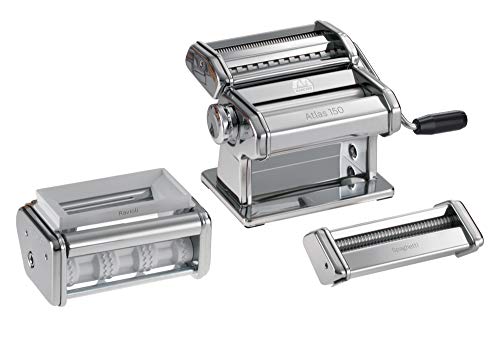
Cutting attachments are the other half of the equation. Most manual machines ship with a combined fettuccine and spaghetti cutter built into or bolted onto the main body, which covers the two most common home uses right out of the box. Wider ribbon cuts like fettuccine and tagliatelle hold up better under cream sauces and ragu, while thin spaghetti or angel hair strands work better with lighter, oil-based sauces. If you want more range, separate attachments for angel hair, wider pappardelle, or ravioli are usually sold on their own and worth checking compatibility for before you buy, since not every brand's attachments fit every machine.
Clamp Stability and Gear Build: What Separates a Durable Machine from a Wobbly One
Almost every manual pasta machine mounts to a counter or table edge with a screw clamp, and this is where cheaper models tend to show their weaknesses first. A loose or thin clamp lets the whole machine rock while you're cranking, which makes it harder to feed dough evenly and puts uneven stress on the internal gears over time. Look for a clamp with a wide, grippy jaw and a screw that tightens firmly without stripping, and check that the base itself doesn't flex when you press down on it.
Inside the housing, the rollers are driven by a set of interlocking gears, and this is really where long-term durability lives. Machines built with solid stainless steel bodies and properly cut steel gears tend to turn smoothly for years, while lower-cost chrome-plated clones can develop grinding or catching in the crank fairly quickly, especially if dough scraps work their way into the mechanism. Since these machines should never be rinsed under water, any stray bits of dough need to be brushed out dry with a small brush after each use rather than washed away, which keeps the gears from gumming up or rusting.
Fitting a Hand-Crank Machine Into a Weeknight Routine
A manual machine adds a genuine extra step compared to store-bought pasta, so it helps to be realistic about how it slots into an actual routine. Rolling and cutting a single batch of dough for two people typically takes ten to fifteen minutes once you've got a rhythm going, which is workable on a slower weeknight but tight if you're also cooking a sauce from scratch. Many home cooks get around this by rolling and cutting a double batch on a weekend, then drying or freezing portions for later in the week, so the crank machine only comes out once for several meals' worth of pasta.
Clamping the machine to the counter, running a couple of test strips through the widest setting to warm up the dough, and having a floured sheet pan ready for cut pasta all speed things up considerably once they become habit. If you're using a stand mixer for other baking anyway, it's also worth comparing how a roller attachment for something like a stand mixer would fit the same routine, since some cooks end up preferring to keep pasta-making folded into equipment they already use daily rather than storing a separate machine.
Frequently Asked Questions
Do I need to season or oil a new pasta machine before using it?
Most manufacturers recommend running a few sheets of a cheap "practice" dough through the rollers first to pick up any manufacturing residue, but they don't require oiling the rollers themselves. A drop of food-safe oil on the exposed gear teeth, not the rollers, is sometimes suggested if the crank feels stiff out of the box.
Can I wash a manual pasta machine with water?
No. Water left inside the gear housing causes rust and can gum up the mechanism with softened dough. Brush the rollers dry immediately after use and wipe the exterior with a barely damp cloth if needed.
Is a wider machine worth it if I mostly cook for one or two people?
Not usually. A standard-width roller handles small and medium batches fine, and the extra cost of a wider premium model mainly pays off if you're regularly rolling large sheets for lasagna or feeding a bigger household.
How long does a well-built manual pasta machine typically last?
A stainless steel machine with solid gears can realistically last decades with basic dry-brush maintenance, which is part of why they're often passed down or bought secondhand rather than replaced.
Choosing Between the Classic Atlas-Style Options
If you're set on a manual crank machine, the decision usually comes down to how wide a sheet you need and how many cutting attachments you want available later. A standard-width machine with a built-in fettuccine and spaghetti cutter covers most home cooking without any extras. Stepping up to a wider roller makes sense mainly for bigger batches or lasagna sheets, and choosing a brand with a broad accessory ecosystem gives you room to add ravioli or angel hair attachments down the line instead of buying a second machine. Whichever width you land on, the clamp quality and gear build matter more to how it holds up than any single spec on the box.