Best Professional Knife Set: A Complete Buying Guide
Disclosure: We may earn a commission when you buy through links on this page, at no extra cost to you. As an Amazon Associate I earn from qualifying purchases. Learn more
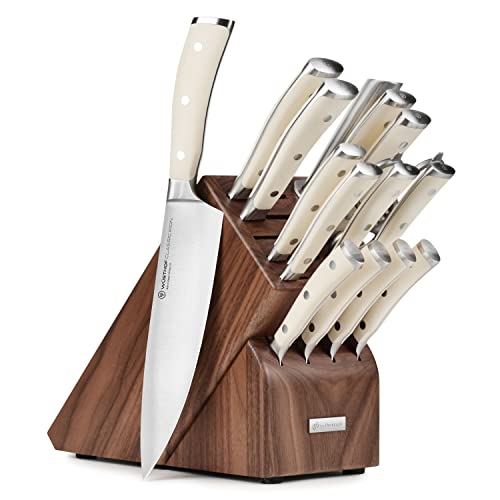
A professional knife set is not just a nicer version of what sits in a home kitchen drawer. It has to survive ten-hour shifts, constant washing, and cooks who do not always have time to dry a blade before setting it down. If you are outfitting a working kitchen, or building your own roll before your first line job, the standards that matter are different from the ones that sell home cutlery blocks. This guide focuses specifically on what makes a knife set fit for commercial use: the construction floor a set has to clear, how many knives a working cook actually carries, why the steel decision matters more in a wet kitchen than a dry one, and whether a roll or a block makes more sense for how you actually work.
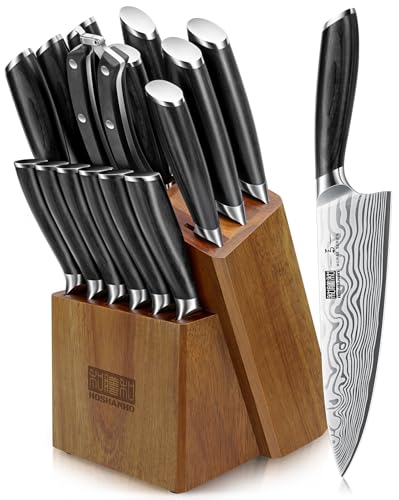
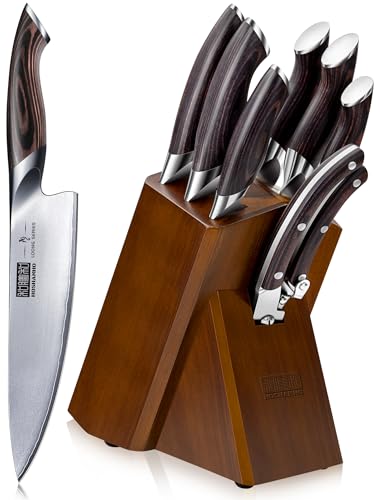
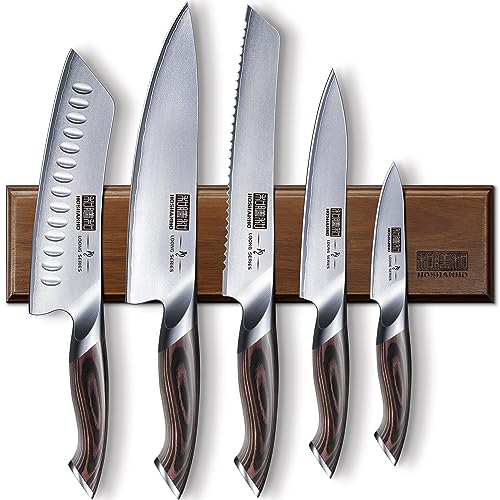
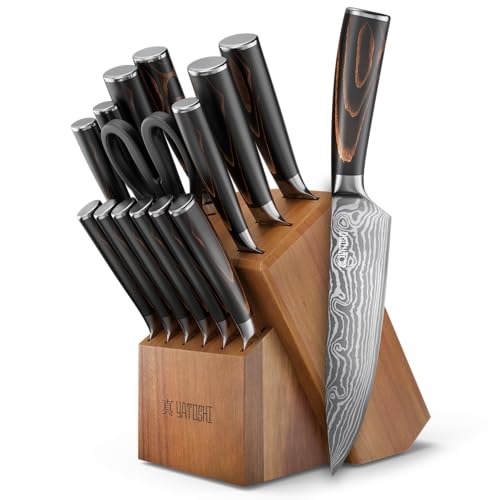

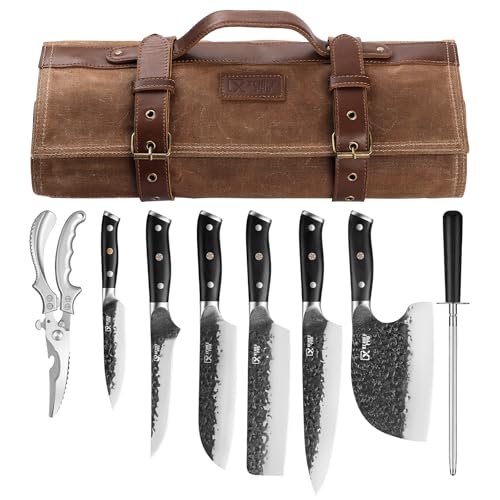


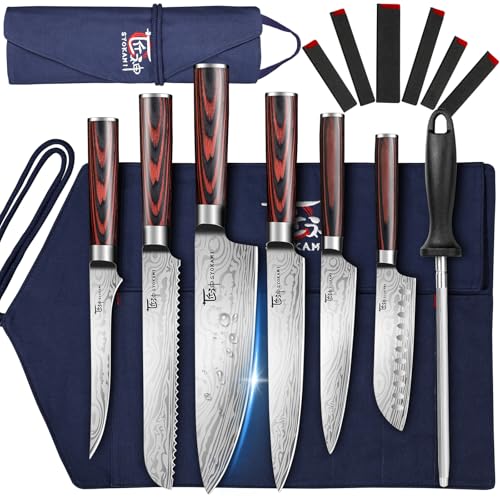
Why Commercial Kitchens Set a Different Standard Than Home Sets
In a home kitchen, a decent stamped knife that holds an edge for a few weeks is a minor inconvenience. On a line, a knife that dulls mid-shift or a handle that loosens under repetitive use slows down every ticket behind it. That is why full tang construction and forged or high-quality stamped blades are treated as a baseline in commercial cutlery, not a premium feature. A full tang, meaning the steel runs the entire length of the handle rather than stopping at a narrow tab, is what keeps a knife from flexing or cracking after months of daily rocking and chopping motions.
There is also a compliance angle that home buying guides rarely mention. Many commercial kitchens are subject to health inspections, and tools used in a licensed foodservice environment often need to meet NSF sanitation standards, which cover things like non-porous handle materials and seamless construction that will not trap bacteria between the blade and grip. If you are equipping a restaurant, catering operation, or any commercial kitchen subject to inspection, checking for NSF certification is worth doing before you check the brand name on the box. A knife can look and feel premium and still fail this requirement if the handle has seams or absorbent material that a home cook would never notice.
What Actually Goes in a Working Line Cook's Roll
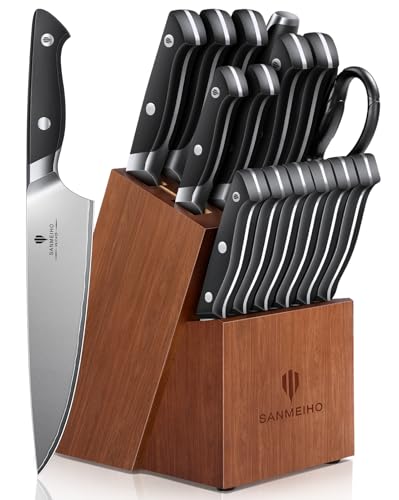
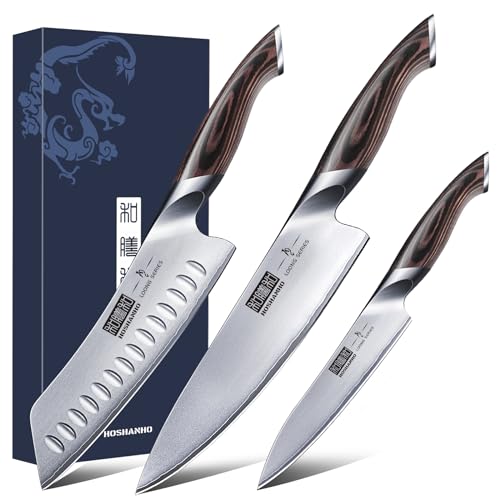
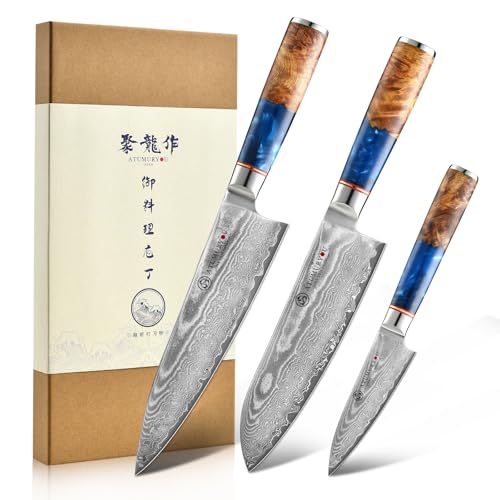
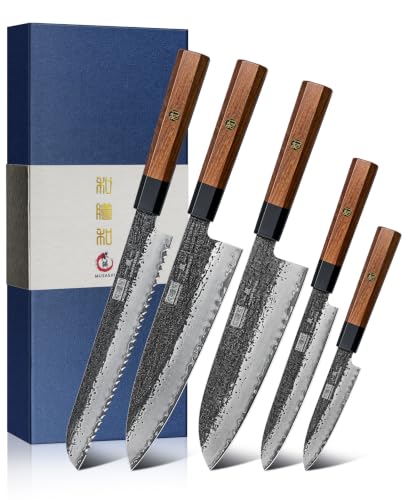
Home knife sets often try to justify a large block by including a dozen or more specialty pieces. Working cooks tend to go the opposite direction, carrying a lean set built around the stations they actually work. A typical roll centers on a chef's knife for the bulk of prep, a paring knife for detail work, a boning or utility knife for breaking down proteins, and a serrated slicer for bread or delicate cuts that would tear under a straight edge. A honing steel usually rides alongside them, since it gets used far more often than any single blade.
What changes between cooks is which of those pieces gets the most use, and that comes down to station, not personal preference. A butcher or someone regularly breaking down whole proteins leans on the boning knife and needs it sharp enough to work close to bone without slipping. Someone working garde manger or plating spends more time with the paring knife for fine trim work. A line cook doing high-volume vegetable prep will put more hours on the chef's knife than on anything else in the roll. A set built for professional use should let you swap or upgrade individual pieces as your role changes, rather than locking you into a fixed lineup that assumes every cook does the same job.
Steel Choice for a Kitchen That Never Dries Out
Steel selection matters more in a commercial kitchen than almost anywhere else a knife gets used, because commercial kitchens rarely give a blade time to dry. A knife set aside in a bus tub, left wet on a cutting board during a rush, or wiped down quickly between tasks is a normal part of the shift, not a maintenance failure. High-carbon stainless steel, the type used in most widely adopted professional cutlery, includes enough chromium to resist corrosion through that kind of constant moisture without demanding babying between uses. It gives up a bit of edge retention compared to pure carbon steel, but that trade generally pays off in a working kitchen where drying a blade the moment you set it down is not realistic.
Pure carbon steel takes a keener edge and holds it longer under the same use, which is why some cooks who work slower-paced or more controlled stations still prefer it. The catch is that it can start developing rust or discoloration within hours if it sits wet, especially after contact with acidic ingredients like citrus or tomatoes. That is a manageable trade-off for a cook who dries their blade immediately after every cut, but it is a real liability on a fast line where knives get set down and picked back up dozens of times an hour. Matching steel type to the actual pace and moisture level of your kitchen matters more here than chasing the sharpest possible edge on paper.
Knife Roll vs. Knife Block: Which One a Working Cook Actually Needs
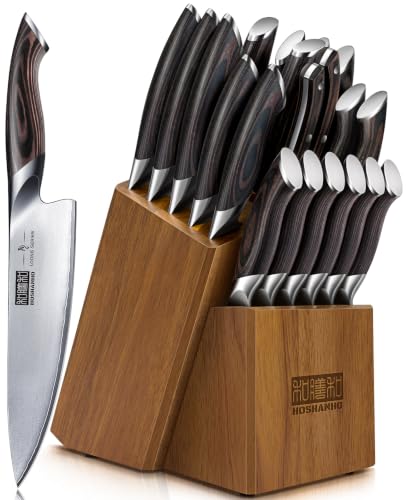
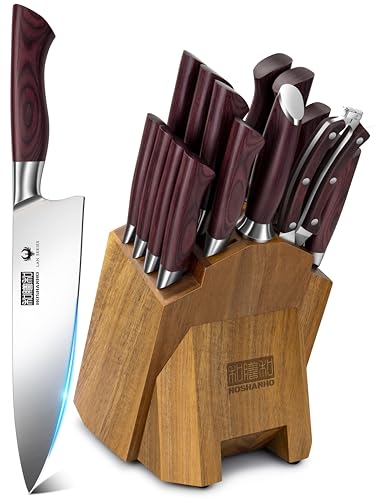
A knife block makes sense for a kitchen where the tools stay put and the person using them does not change stations or jobs. That describes most home kitchens and some fixed prep stations, but it does not describe a lot of professional cooking. Many working cooks move between restaurants, pick up catering shifts, or simply prefer to bring their own tools home to sharpen and maintain rather than leaving them at work overnight. For that kind of routine, a knife roll is not a style preference so much as a practical requirement.
A good roll protects edges in transit, keeps knives organized by task so you are not digging through a bag mid-shift, and travels easily between a locker, a car, and a kitchen. Blocks, on the other hand, tend to make more sense in kitchens that provide house knives, or in home settings where the same handful of tools live on the same counter indefinitely. If you already know you will be working multiple kitchens over the course of your career, buying pieces that fit into a roll from the start will save you from re-buying a whole set later just to make it portable. If you are outfitting a fixed kitchen where knives never leave the building, a block or an in-drawer tray is a reasonable and often more affordable choice; our broader kitchen knife set buying guide covers that scenario in more depth.
Building Your Own Set vs. Buying a Boxed Set
Boxed sets are convenient, but they are built to look complete on a shelf, not to match how any one cook actually works. A chef's knife alone typically handles the large majority of daily prep, which is why many culinary programs and working cooks recommend putting most of your budget into one excellent chef's knife rather than spreading it thin across a dozen pieces you will rarely touch. From there, adding a paring knife, a boning knife, and a slicer individually as your budget and role demand usually produces a more useful set than a single boxed purchase.
There is also a cost-of-ownership argument worth considering before buying the cheapest option available. A budget knife that needs replacing every few months because the edge will not hold or the handle loosens can end up costing more over a few years than a mid-range knife bought once and maintained properly. That does not mean the most expensive option is automatically the best value. Cooks who want the construction quality of a Western forged blade without committing to a full boxed set can compare specific examples, like the German-style builds covered in our Wusthof Classic set guide or the Zwilling knife set guide, against the single-piece steel construction used in Global's knife sets, before deciding whether to build a roll piece by piece or buy a smaller curated set outright.
Frequently Asked Questions
Do professional knife sets need to be NSF certified?
If the set is going into a licensed commercial kitchen subject to health inspection, NSF certification is worth confirming, since it covers handle materials and construction that inspectors check for. Home kitchens are not held to that standard, so it matters far more for restaurant or foodservice buyers than for personal use.
How many knives does a professional cook actually need?
Most working cooks rely on around five pieces: a chef's knife, a paring knife, a boning or utility knife, a serrated slicer, and a honing steel. Which one gets used most depends on the station, but very few professional cooks regularly use more than that.
Is a knife roll better than a knife block for professional use?
For cooks who move between kitchens or want to take their tools home to maintain them, a roll is more practical since it protects edges in transit and keeps everything organized by task. A block makes more sense for a fixed kitchen where the same knives stay in one place indefinitely.
Is high-carbon stainless steel or carbon steel better for commercial use?
High-carbon stainless steel resists rust through the constant moisture of a busy kitchen and needs less careful drying between uses. Pure carbon steel holds a sharper edge longer but can rust quickly if it sits wet, which makes it a better fit for cooks who can dry their blade immediately after every use.
Should I buy a boxed set or build my own professional knife roll?
Building a roll piece by piece, starting with one high-quality chef's knife and adding pieces as your role requires them, often produces a more useful set than a boxed purchase with pieces you rarely use. A boxed set can still make sense if you want a complete, matched set from a single purchase.
What is the minimum construction standard for a professional-grade knife?
Full tang construction, where the blade steel runs the entire length of the handle, is generally treated as the floor for professional use, along with a forged or high-quality stamped blade that can withstand repetitive daily cutting without flexing or loosening at the handle.