
Small Appliances
Discover the best small appliances designed to make everyday cooking faster, easier, and more efficient. From air fryers and blenders to coffee makers, toasters, and food processors, our curated selection covers must-have kitchen essentials for every home.
We evaluate performance, durability, ease of use, and real customer feedback to help you choose appliances that truly deliver value. Whether you're upgrading your kitchen or searching for space-saving solutions, you'll find top-rated models across all price ranges. Compare features, explore trusted brands, and find the perfect small appliances to simplify your daily routine.

Best Belgian Waffle Makers: A Complete Buying Guide
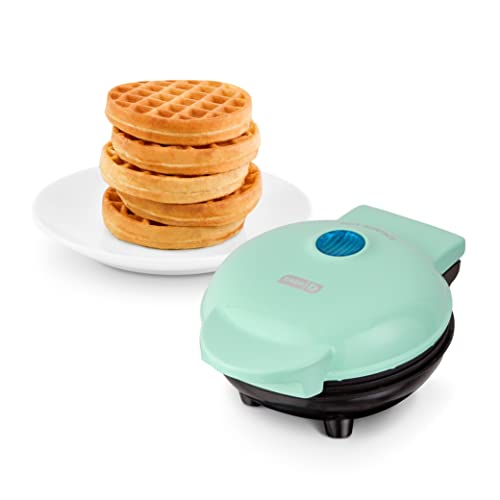
Best Waffle Maker Under $50: A Complete Buying Guide
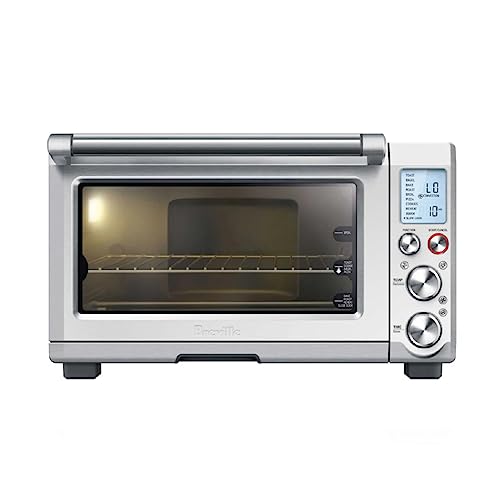
Best Toaster Ovens

Best Milk Frothing Pitchers for Home Baristas
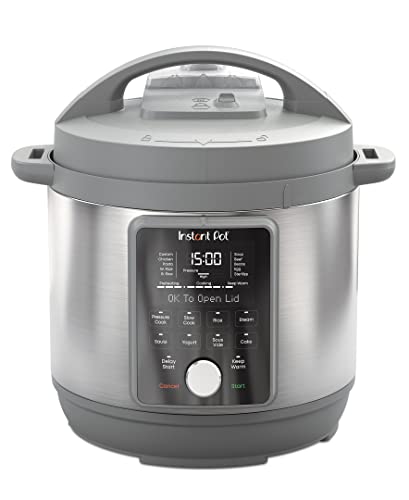
Best Stainless Steel Pressure Cooker: A Complete Buying Guide

Best Slow Masticating Juicer: A Complete Buying Guide
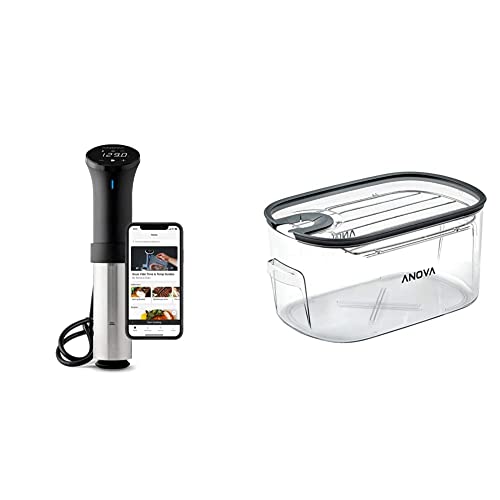
Best Rated Sous Vide Cooker: A Complete Buying Guide

Best Rated Cuisinart Food Processor: Complete Buying Guide

Best Meat Slicer Under $100: A Budget Buying Guide
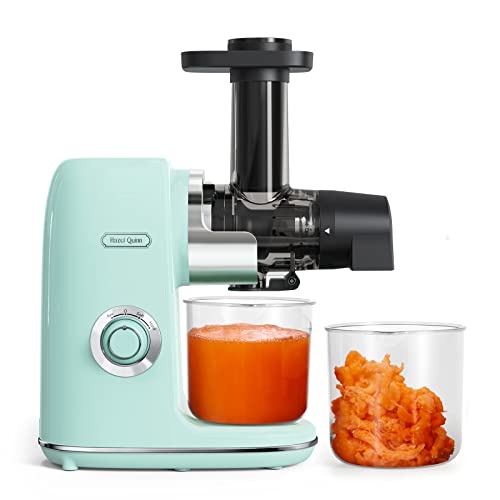
Best Masticating Juicer: A Complete Buying Guide

Best Large Air Fryer: A Complete Buying Guide for Family-Size Cooking
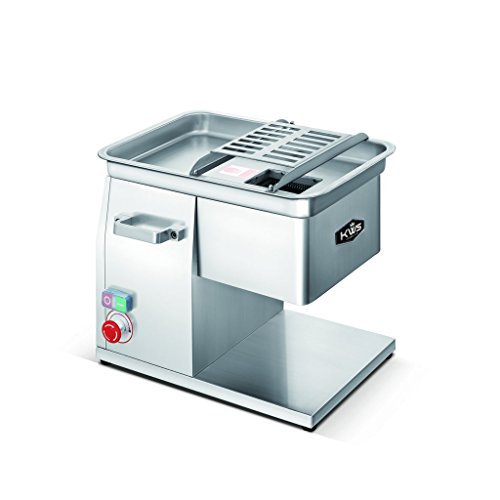
Best KWS Meat Slicer: A Complete Buying Guide for Home Cooks
Decide What Earns Counter Space
Every small appliance competes for the same few feet of countertop and cabinet room. Before buying, picture where it will live and how often you will pull it out. A gadget used once a month belongs in a cabinet, so weight and footprint matter as much as features. Tools you reach for daily, like a toaster, kettle, or rice cooker, deserve a permanent spot and are worth paying a bit more for durability.
Popular Categories and Who They Suit
- Air fryers: fast, crisp results with little oil. Families should look at larger baskets or dual-zone models; our guide to the best large air fryers covers capacity in detail.
- Pressure and multi-cookers: great for beans, stews, and weeknight meals. Stainless steel inner pots resist scratching better than coated ones.
- Juicers: centrifugal models are quick and affordable, while masticating juicers run slower, handle leafy greens better, and often yield more juice.
- Food processors and blenders: processors chop and shred, blenders liquefy. Few kitchens need both if cooking needs are simple.
- Specialty tools: sous vide cookers, meat slicers, pasta machines, and rice cookers shine for people who cook those foods often.
Features Worth Paying For
Look for removable, dishwasher-safe parts, clear controls, and a wattage that matches the job. Higher wattage helps blenders and air fryers, but it also means you should avoid running several appliances on one circuit. Safety features such as auto shutoff, locking lids, and cool-touch housings are especially important in homes with kids.
Noise is easy to overlook. Blenders, juicers, and some air fryers can be loud enough to matter in an open-plan home or early in the morning.
Common Mistakes to Avoid
- Buying a combo device that does five things poorly instead of one thing well.
- Ignoring replacement part availability, such as blades, gaskets, and baskets.
- Choosing the biggest capacity for a one or two person household, which wastes space and energy.
- Forgetting that coated baskets and pots wear out; gentle utensils extend their life.
Many quality small appliances cost between $50 and $200, with premium juicers and multi-cookers going higher. For larger, installed equipment like ranges and washers, browse our appliances section, and see coffee makers for brewing gear.
Small Appliances FAQ
Which small kitchen appliances are most useful?
For most households, a toaster or toaster oven, an electric kettle, a blender, and either an air fryer or multi-cooker cover the bulk of daily cooking. Specialty tools are worth adding only if you cook those foods regularly.
Is a masticating juicer better than a centrifugal juicer?
A masticating juicer works slowly, handles leafy greens well, and often extracts more juice with less foam. A centrifugal juicer is faster and usually cheaper. The better choice depends on what you juice and how much prep time you have.
What size air fryer do I need?
A basket around 2 to 4 quarts suits one or two people, while families of four or more usually prefer 5 quarts or larger, or a dual-basket model so sides and mains can cook at the same time.
Can I run multiple small appliances on one outlet?
It is safer not to run several high-wattage appliances, such as an air fryer, kettle, and toaster, on the same circuit at once. Doing so can trip breakers. Avoid power strips for heating appliances and plug them directly into a wall outlet.
How can I make small appliances last longer?
Clean removable parts after each use, descale water-based appliances regularly, use non-metal utensils on coated surfaces, and store cords loosely rather than wrapped tightly around the base.