Best Rated Cuisinart Food Processor: Complete Buying Guide
Disclosure: We may earn a commission when you buy through links on this page, at no extra cost to you. As an Amazon Associate I earn from qualifying purchases. Learn more

Every Cuisinart food processor on the shelf looks like it does roughly the same job, so it is easy to grab whichever box is closest and hope for the best. That approach usually ends with a bowl that is either too small for real cooking or too bulky to store, and attachments that do not match what you actually make for dinner. The best rated Cuisinart food processor for your kitchen depends on how the brand's engineering, bowl sizing, and disc kits line up with your daily habits, not on which model happens to have the flashiest packaging. This guide breaks down what sets the lineup apart, how the sizing tiers differ, and which attachments are worth prioritizing before you buy.




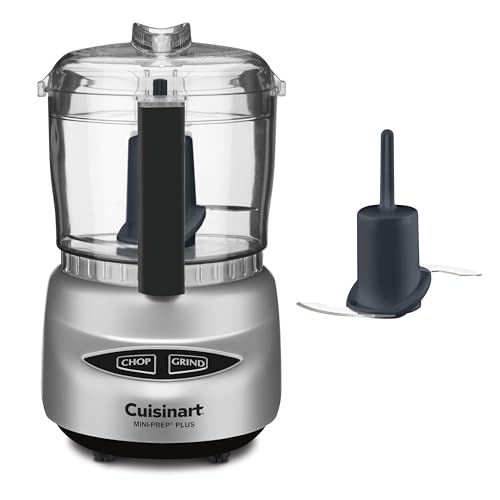
What Sets Cuisinart's Engineering Apart
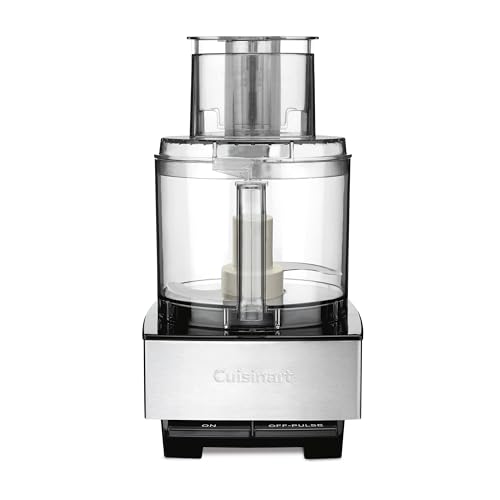
Cuisinart built its name on a design detail that sounds minor until you have cleaned up a countertop covered in pureed soup: a sealed lid and bowl connection that keeps liquids from escaping while the blade is running. That interlocking system, paired with an induction motor that maintains steady torque under load, is why the brand's processors tend to feel more predictable than cheaper alternatives once you push them past light chopping. The safety mechanism works the same way across the lineup too. The blade will not spin until the lid and bowl are locked into place correctly, which sounds obvious but prevents a surprising number of kitchen accidents in households with more than one cook.
None of that engineering matters much if the model does not fit how you actually cook, though. A shopper who mostly minces garlic and chops herbs gets little benefit from a heavy-duty motor built for kneading dough, while someone who batch cooks on weekends will outgrow a compact bowl within a month. The rest of this guide walks through the specs that should actually drive your decision.
Bowl Sizing Across the Cuisinart Lineup
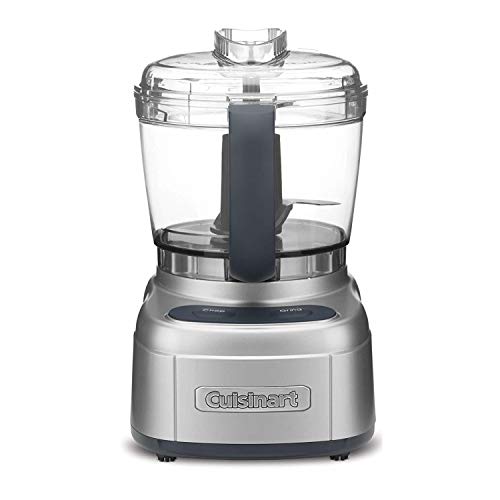
Cuisinart spreads its processors across a few clear size tiers, and matching one to your household avoids the two most common regrets: a bowl too small to be useful or one too bulky to store easily. The compact tier, generally 3 to 4 cups, is built for quick jobs like mincing garlic, chopping a handful of herbs, or blending a small batch of dressing. It suits singles, couples, or anyone who wants a tool light enough to leave sitting out and wash by hand in under a minute.
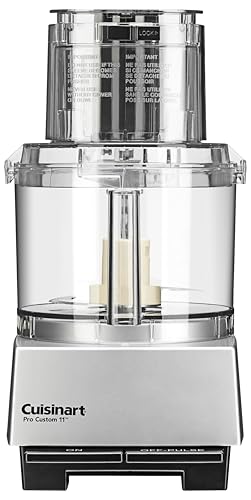
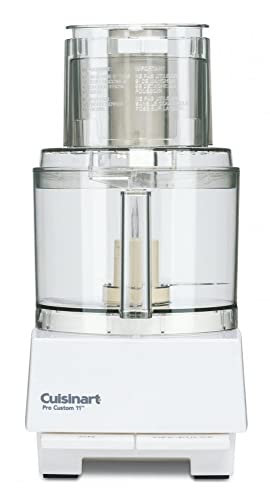
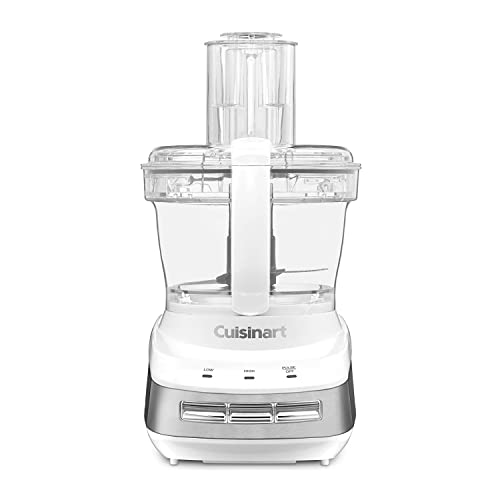
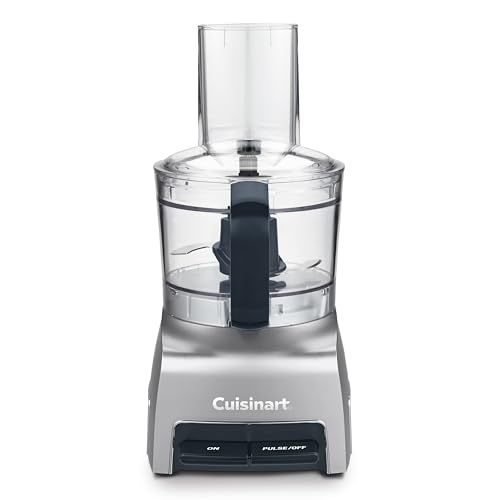
Mid-size models in the 7 to 9 cup range handle everyday cooking for a family of two or three, including shredding a block of cheese or pureeing a pot of soup without running multiple batches. Cuisinart's larger tier, often labeled Custom and reaching 11 to 14 cups, targets households that cook for four or more, host regularly, or batch-prep meals ahead of the week. If your most demanding recipe only comes up a few times a year, a mid-size bowl with a smaller nested insert for tiny jobs is usually the more practical pick than jumping straight to the biggest model available.
Reading the Disc and Blade Kit Before You Buy
The attachments that ship with a Cuisinart processor matter as much as the bowl size, and coverage varies more than shoppers expect. Every model includes the standard chopping blade, shaped like an S, which handles mincing, pureeing, and emulsifying dressings or sauces. A separate dough blade, with blunt rather than sharp edges, kneads bread and pizza dough without overworking the gluten the way a sharp blade would.
Slicing and shredding discs turn the machine into a fast prep tool for coleslaw, gratins, and hash browns, and some tiers offer both fine and coarse versions of each. Higher tiers in the lineup add extras like a julienne disc or a stainless steel dough hook for heavier baking. Before buying, check the included accessory list closely rather than assuming a disc is standard. It is common to discover after unboxing that a shredding disc you wanted is sold separately rather than bundled in.
Feed Tube Design and Prep Speed
The feed tube is easy to overlook until you are trying to force a whole tomato or a large potato through an opening built for smaller produce. Cuisinart's standard feed tubes fit pre-cut vegetables and fruit comfortably, while the wider feed tubes found on several mid-size and larger models can often accept a whole apple, onion, or block of cheese without any pre-cutting at all. If salad prep or slicing whole vegetables is a regular task in your kitchen, a wider tube saves real time and cuts down on the extra cutting board you would otherwise dirty first.
Choosing Between the Everyday and Elite Lines
Cuisinart's lineup generally splits into an everyday line built around durable polycarbonate bowls and a step-up Elite line that adds a die-cast metal base, a heavier motor housing, and stainless steel discs designed to resist staining from turmeric, beets, or tomato sauce. The everyday line is lighter, easier to lift in and out of a cabinet, and typically dishwasher safe from bowl to blade. The Elite line trades some of that lightness for a sturdier feel on the counter and attachments built to hold up to more frequent, heavier use over the years.
Storage is worth thinking about before you buy, regardless of which line you choose. Some models nest every disc, blade, and pusher inside the bowl itself, which keeps small parts from disappearing into a drawer. Others rely on a separate storage case that takes up its own cabinet space. If your kitchen storage is tight, a model with built-in nesting tends to earn better long-term satisfaction than one that scatters accessories across two or three locations.
How a Food Processor Fits Alongside Other Kitchen Tools
A Cuisinart's dough blade handles light to medium bread and pizza dough reasonably well, but if baking is a regular habit and you work with stiffer, heavier doughs, a dedicated stand mixer built for bread dough generally kneads more evenly with less strain on the motor. The S-blade also handles chunky purees and thick sauces competently, though for silky-smooth soups or drinks blended directly in the pot, an immersion blender is often faster to use and easier to clean afterward. Households that already trust the brand for its Cuisinart coffee grinders often find the same build quality carries over to the food processor line, which is part of why the brand shows up so consistently across different categories of best rated kitchen appliances.
Frequently Asked Questions
What is the best rated Cuisinart food processor for a large family?
Families of four or more generally do best with the Custom-tier bowls in the 11 to 14 cup range. That size handles a full recipe's worth of chopped vegetables, a batch of dough, or shredded cheese for a casserole in one pass instead of several.
What does the Seal-Tight system actually do?
It is the locking connection between the lid and bowl that keeps liquids and loose ingredients from leaking out while the blade is running, and it also powers the safety interlock that stops the blade from spinning until everything is seated correctly.
Can a Cuisinart food processor knead bread dough?
Yes, using the dedicated dough blade, and it handles light to medium doughs well. For dense, high-hydration, or very heavy doughs made frequently, a stand mixer with a dough hook will generally strain the motor less over time.
What is the difference between the compact and Custom tiers?
The compact tier, around 3 to 4 cups, is built for quick jobs like mincing or small batches, while the Custom tier scales up to full meal prep, batch cooking, and larger households, with a heavier motor to match the bigger bowl.
Are Cuisinart food processor parts dishwasher safe?
Most bowls, lids, and polycarbonate discs are top-rack dishwasher safe. Stainless steel discs on Elite-tier models are also generally dishwasher safe, though hand washing sharp blades tends to keep the edges sharper for longer.
How long does a Cuisinart food processor typically last?
With regular home use and proper care, most owners get many years of reliable service out of these machines, largely thanks to the induction motor design and the interlocking bowl and lid system that reduces strain during normal operation.
Making the Right Call for Your Kitchen
The best rated Cuisinart food processor is the one whose bowl size, motor tier, and included discs actually match how you cook week to week, not the model with the longest feature list. Start with your household size to narrow the bowl capacity, confirm the disc and blade kit covers your go-to recipes, and decide whether the everyday or Elite line fits your storage and durability needs. Get those three details right and the machine earns a permanent spot on your counter instead of a shelf in the cabinet.