Best Meat Slicer Under $100: A Budget Buying Guide
Disclosure: We may earn a commission when you buy through links on this page, at no extra cost to you. As an Amazon Associate I earn from qualifying purchases. Learn more

Shopping for a best meat slicer under $100 means accepting a different set of trade-offs than you'd find in a full-size deli-style machine. At this price, you're looking at compact electric slicers built around a smaller motor, a modest blade, and mostly plastic housings. That doesn't make them useless. For a household that slices deli meat, cheese, or bread a few times a week, a budget slicer can absolutely earn its spot on the counter. The key is knowing what this price range can and can't do before you buy, so you don't end up disappointed by a machine that was never built for heavy-duty work in the first place.
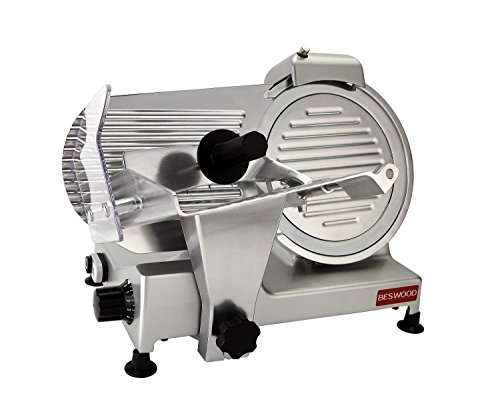
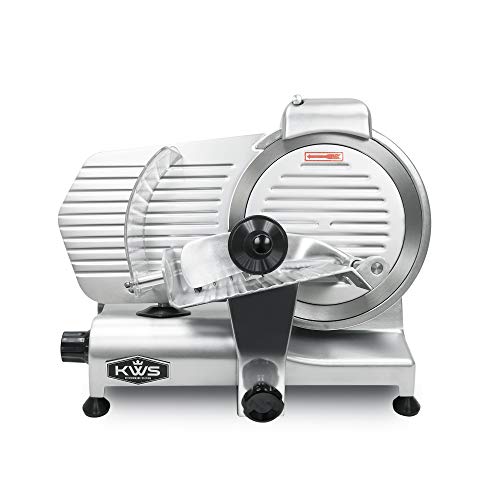
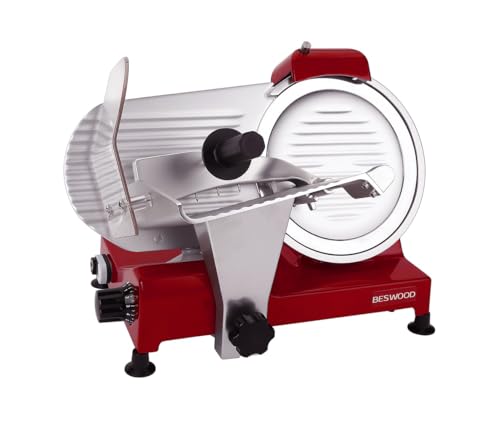
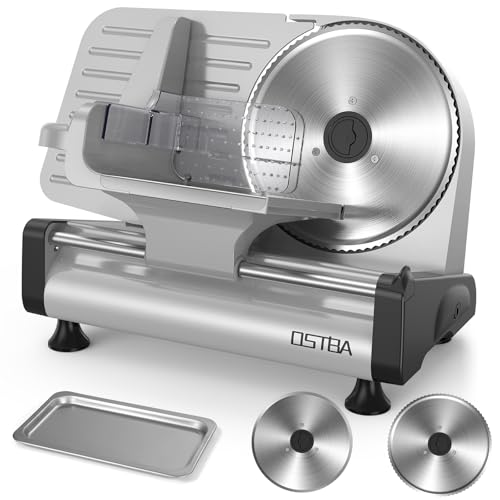
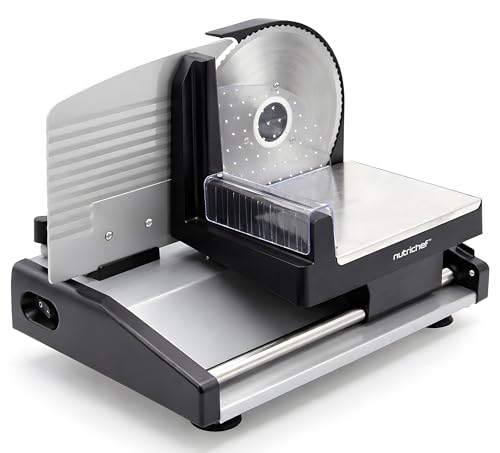
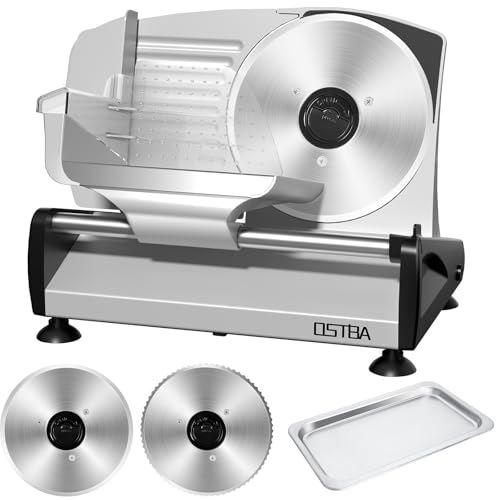
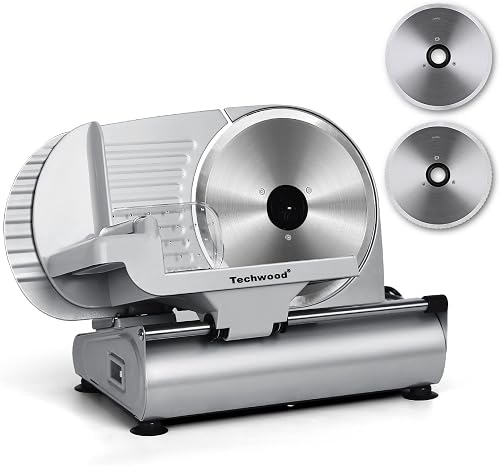
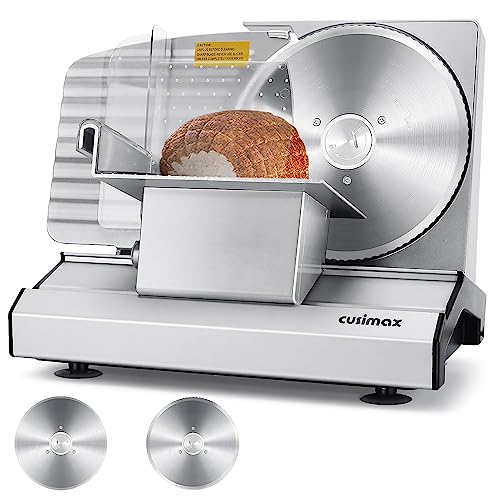
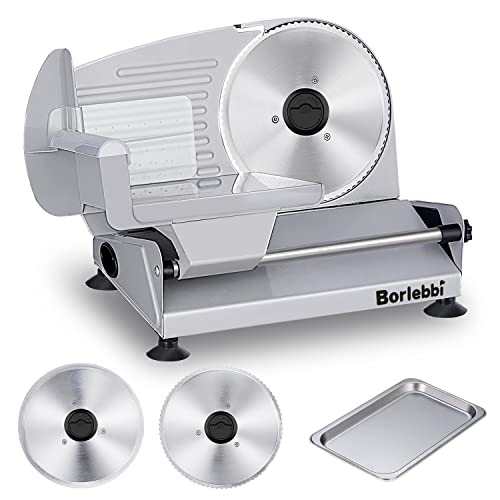
A best meat slicer under $100 typically runs on a motor in the 100 to 150 watt range, paired with a stainless steel blade somewhere between 6.5 and 7.5 inches in diameter. That's noticeably smaller and less powerful than the 10-inch blades and 200-plus watt motors common on pricier home machines. The base and carriage are usually molded plastic rather than die-cast metal, which keeps weight and cost down but also means less stability when you're pushing food through the blade.




What a Sub-$100 Price Tag Realistically Buys You
At this budget, manufacturers cut costs in predictable places. Look for a removable stainless steel blade, since that's the one component you don't want made from a lesser material. A thickness adjustment dial is standard even on cheap models, though the range is often narrower than what pricier slicers offer, typically maxing out around half an inch instead of a full inch or more.
Check the base for suction cup feet or rubber pads. Cheap slicers are lighter, so a stable base matters more here than on a heavy commercial-style unit that won't budge on its own. A locking on/off switch or a gravity-feed design that stops when you let go of the carriage is worth confirming too, since safety features can be trimmed along with everything else at this price point.
Also pay attention to duty cycle warnings in the manual. Many budget motors are only rated for a few minutes of continuous use before they need to cool down. That's not a flaw so much as a design reality of a smaller motor, and it rarely matters for typical home slicing sessions.
Trade-Offs You Accept Compared to Pricier Home Slicers
Stepping up in price generally buys you a thicker blade gauge, which stays sharp longer and cuts more cleanly through denser foods. Budget blades are thinner and tend to dull faster, so you'll be sharpening or replacing them sooner if you use the slicer often.
Motor torque is the other big gap. A cheaper motor can bog down or stall on firmer foods, especially if you push the food too fast or the blade has lost its edge. Pricier home slicers also tend to offer finer, more consistent thickness settings and smoother gliding carriages, since better bearings and rails cost more to manufacture.
None of this means a budget unit is a bad purchase. It means the ceiling on what it can handle is lower, and you'll get better results by working within that ceiling rather than expecting deli-counter performance from a machine built to a tighter cost target.
What This Budget Handles Well in the Kitchen (and What to Skip)
A budget slicer's sweet spot is soft to semi-firm food: deli meats, cured sausage, block cheese, bread, and firm vegetables like cucumbers or onions. These foods don't demand much torque, so even a smaller motor cuts through them cleanly and consistently once you find the right thickness setting.
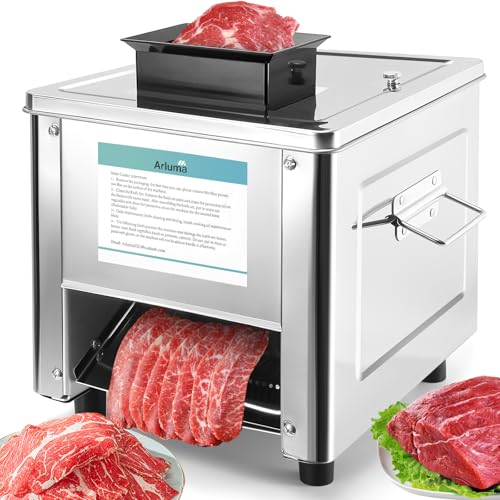
Where these machines struggle is tougher, denser material. Raw or partially frozen meat, bone-in cuts, and anything fibrous like jerky-in-progress ask more of the motor and blade than a sub-$100 unit is built to give. Forcing that kind of food through can stall the motor, dull the blade fast, or in worse cases damage the machine. If your main goal is slicing whole roasts or prepping large batches of raw meat, you'd get more consistent results from an electric slicer built for regular home use with a bit more power behind it.
Think of a budget slicer as a deli-counter replacement for sandwich prep and entertaining, not a meat-processing tool. Used within that scope, it holds up well and saves real money over the deli case in the long run.
Cleaning and Safety Basics Worth Checking Before You Buy
Blade guards matter more on inexpensive slicers because the plastic housing around the blade is often thinner and simpler than on higher-end units. Confirm the guard fully covers the exposed edge when the slicer isn't in use, and that it's easy to remove for cleaning without extra tools.
Food-safe plastic housings should be labeled BPA-free, and any part that touches food needs to come apart for washing. Hand-washing is the norm at this price since few budget slicers are dishwasher-safe, so check how many pieces disassemble and whether the blade removal process feels manageable rather than fiddly.
A non-slip base and a blade-sharpening stone, when included, are small extras that make daily use noticeably safer and more pleasant. Neither is guaranteed at this price, so it's worth checking the included accessories list rather than assuming.
Frequently Asked Questions
Is a meat slicer under $100 worth buying?
Yes, for occasional home slicing of deli meat, cheese, and bread. It won't match a pricier machine on power or durability, but it's a reasonable entry point if you're not slicing daily or in large batches.
What wattage should I look for in a budget slicer?
Aim for at least 100 watts. Anything lower tends to struggle even with soft foods, and you'll notice the motor bogging down on anything thicker than a thin slice.
Can a cheap meat slicer cut frozen meat?
Not reliably. Frozen or partially frozen meat is dense and puts real strain on a small motor and thin blade, so it's best left to slicers built with more power.
How long do budget meat slicers typically last?
With light, occasional use and proper cleaning, a couple of years is a reasonable expectation. Heavy or daily use will wear down the blade and motor faster than that.
Do I need to sharpen the blade on a cheap slicer?
Eventually, yes. Thinner blades dull faster than premium ones, so plan on sharpening every few months with regular use, or sooner if you notice ragged edges on your slices.
Is it safe to use a plastic-bodied meat slicer?
Yes, as long as the housing is food-safe plastic and the blade guard is intact. Plastic construction affects durability and stability more than it affects everyday safety.
What size blade is standard at this price?
Most budget slicers use a blade between 6.5 and 7.5 inches, smaller than the 8 to 10-inch blades found on higher-priced home models.
Setting Realistic Expectations Before You Buy
A best meat slicer under $100 isn't a scaled-down version of a commercial machine, it's a different tool built for a narrower job. Judged against that job, sandwich prep, party platters, and everyday cheese and bread slicing, it holds up well. Keep your expectations tied to soft and semi-firm foods and you'll likely be happy with what a modest price gets you.