
Best Stainless Steel Pressure Cooker: A Complete Buying Guide
Disclosure: We may earn a commission when you buy through links on this page, at no extra cost to you. As an Amazon Associate I earn from qualifying purchases. Learn more
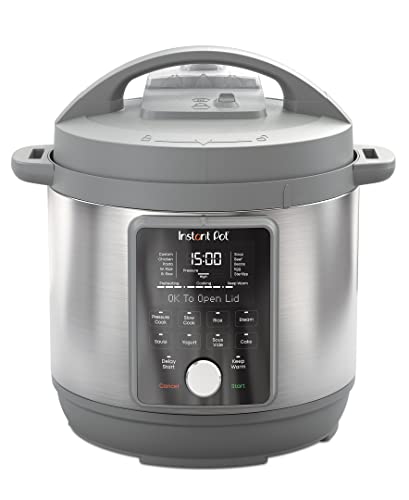
A complete buying guide to choosing the best stainless steel pressure cooker, covering capacity, safety valves, induction compatibility, and gasket care.
A pot of dried chickpeas that would simmer for two hours on the stove can be tender in twenty minutes under pressure. That jump comes from trapped steam raising the boiling point inside a sealed pot, not from a stronger burner. Picking the best stainless steel pressure cooker means understanding how that seal works, what happens when it's released, and which features actually matter once the pot leaves the store shelf.

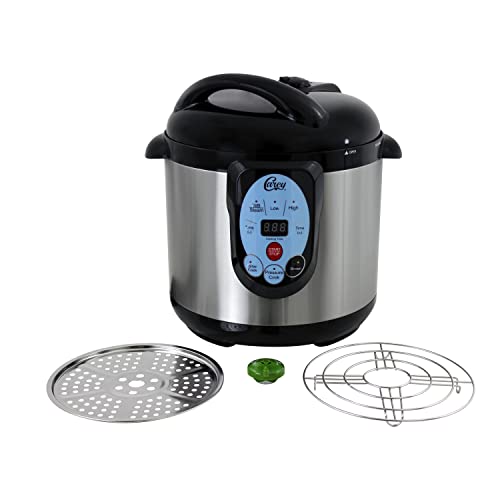

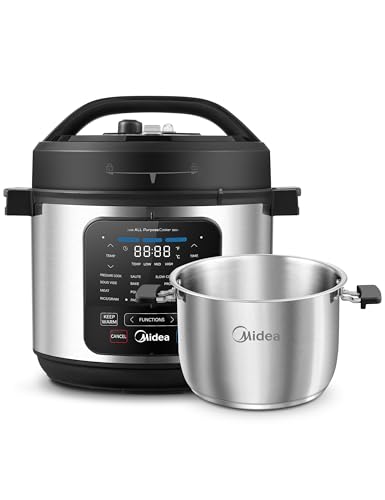
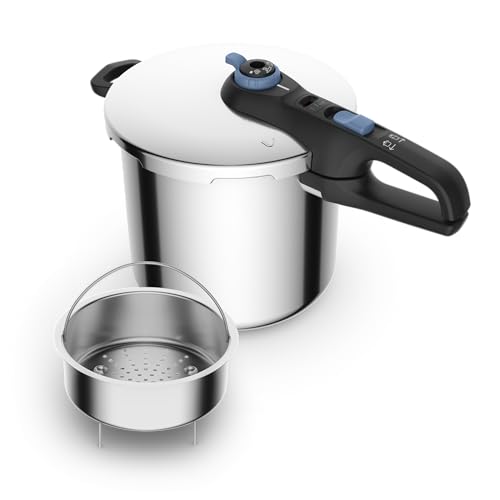



How the Safety Valve and Locking Lid Actually Work
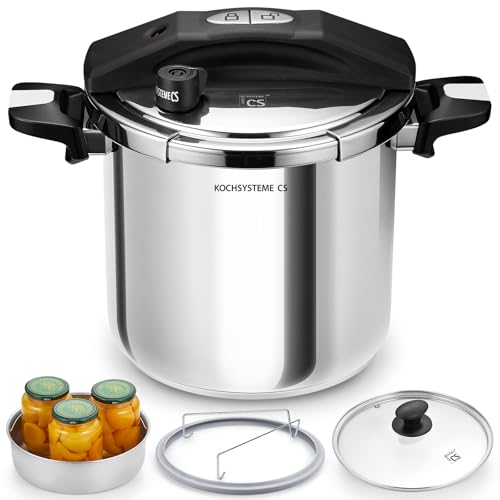
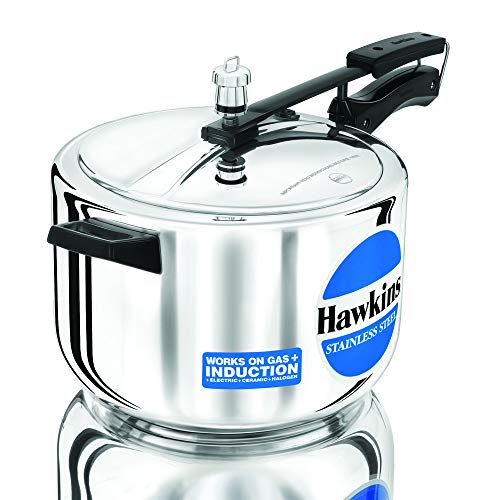
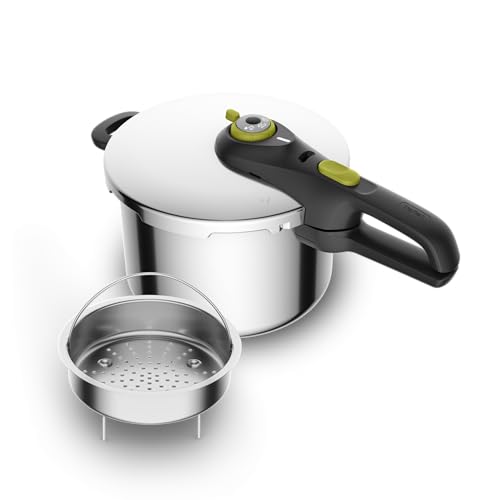
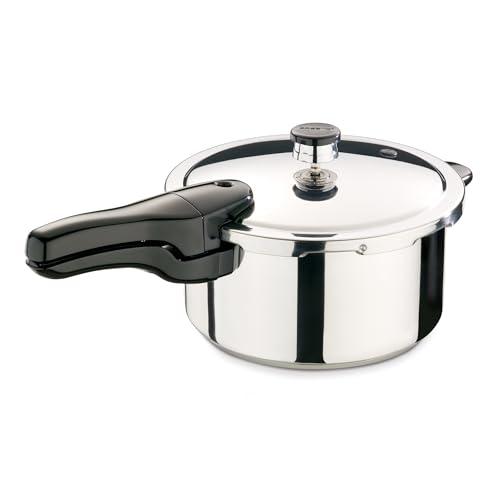
Every stainless steel pressure cooker relies on two systems working together: a way to build pressure and a way to stop it from building too far. The lid locks in place once steam pushes past a certain point, and it stays locked until pressure inside drops back to normal. Trying to force the lid open before that happens is one of the few genuinely dangerous mistakes a new user can make, and modern cookers are designed specifically to prevent it.
A backup valve sits alongside the main pressure regulator. If the primary valve gets blocked by food debris, this second valve is meant to vent excess steam before pressure climbs past a safe range. Look for a cooker where both valves are visible and easy to inspect, rather than buried under a housing that requires disassembly to check.
Quick Release vs Natural Release: Why It Changes What You Cook
Once cooking finishes, pressure has to come down before the lid will open, and there are two ways to make that happen. Quick release means turning the valve to let steam escape fast, dropping pressure in a minute or two. Natural release means turning off the heat and letting the pot cool on its own, which can take ten to twenty minutes depending on how full it is.
The choice affects the food, not just the wait. Vegetables and quick-cooking grains turn mushy if left in residual steam, so quick release keeps them firmer. Beans, tough cuts of meat, and stocks benefit from natural release, since the slow pressure drop lets the food keep cooking gently without scorching. A pot with a valve that's stiff or awkward to turn makes quick release harder to judge, which is worth testing with your hand before buying rather than after.
Matching the Base to Your Stove
Stainless steel on its own is not magnetic, so a pressure cooker built from plain 18/8 or 18/10 steel will sit dead on an induction burner unless the base has a separate magnetic layer bonded into it. Check the spec sheet for an explicit induction label rather than assuming the body material guarantees compatibility. Anyone assembling a full induction-compatible cookware lineup should run the same magnet test on a pressure cooker that they'd run on any other pot.
Gas burners are more forgiving, though a wide, flat base still spreads heat more evenly than a thin one. Glass and ceramic cooktops work fine with a smooth stainless base, but the pot's weight when full of food and liquid means it should be lifted rather than dragged across the surface to avoid scratches.
The Gasket Question Nobody Mentions Before You Buy
The gasket, or sealing ring, is the rubber or silicone loop that lets the pot hold pressure at all. It's also the part buyers complain about most once they've owned a cooker for a few months. Food particles and grease work into the groove that holds the gasket in place, and a standard sponge doesn't reach into that channel well. Left uncleaned, it can trap odors that transfer into the next meal.
Removing the gasket after every use and rinsing it separately, along with wiping the groove with a small brush, keeps this from becoming a recurring problem. Silicone gaskets generally resist heat and odor better than basic rubber ones, and either type will eventually need replacing, usually somewhere between twelve and eighteen months with regular use. A gasket that's gone stiff, cracked, or tacky to the touch should be swapped out before it causes a slow leak during cooking.
Capacity: Why the Quart Number on the Box Doesn't Tell the Whole Story
Pressure cookers can't be filled to the rim the way a regular stockpot can. Most manufacturers cap fill level at two-thirds full for everyday cooking, and half full for anything that expands, like rice, oats, or dried beans. That means a pot labeled six quarts really offers closer to four quarts of usable space for foods that foam or swell.
A single person or couple usually does fine with a four to six quart pot for soups, grains, and modest cuts of meat. Larger households or anyone who batch cooks for the freezer will want eight quarts or more. If big-batch cooking is the main goal, it's worth comparing how a large stainless steel stock pot handles volume for dishes that don't need pressure at all, since the two pots often end up splitting duties in the same kitchen.
Stovetop Pot or Electric Multi-Cooker With a Steel Insert?
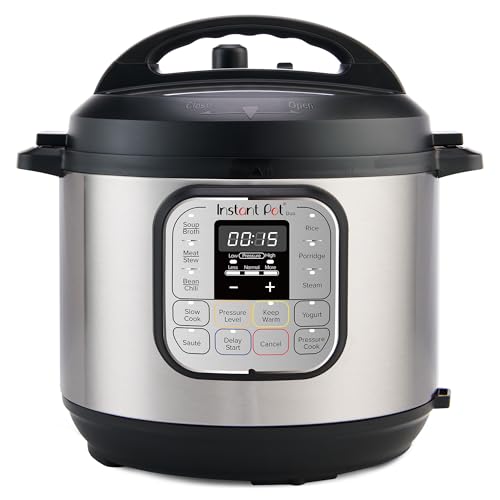
Stovetop pressure cookers typically reach higher pressure than electric versions, which shortens cooking time and gives more direct control over heat, but they require staying near the stove to manage that heat manually. Electric multi-cookers automate the process with programmed settings and sensors, often pairing a removable stainless steel insert with sauteing or slow cooking modes built into the same base.
For anyone deciding between a hands-off appliance and a traditional stovetop pot, it helps to think about how a slow cooker fits the same set-and-walk-away role, since electric pressure cookers and slow cookers often compete for the same counter space and the same kind of weeknight meal.
Build Quality Signs Worth Checking Before You Buy
A tri-ply or clad base, where aluminum or copper sits sandwiched between layers of stainless steel, spreads heat far more evenly than a single thin layer of steel. That matters most for dense, slow-building dishes like bone broth or dried beans, where hot spots can scorch food before pressure fully builds. Heavier pots tend to signal better construction, even though that extra weight is noticeable once the pot is full and needs lifting off the burner. General care habits for stainless steel cookware apply here too, since the metal body itself needs the same attention to avoid discoloration or pitting over time.
Handles matter as much as the pot body. A locking lid that wobbles or a handle that flexes under weight usually points to thinner materials elsewhere in the build. Independent safety certification, rather than marketing claims alone, is the more reliable signal that a cooker has been pressure-tested before it reached the shelf.
Mistakes First-Time Buyers Make
- Buying a pot sized for daily meals instead of the largest batch they'll ever realistically cook
- Assuming any stainless steel base works on induction without checking for a magnetic layer
- Skipping the minimum liquid requirement, which stops the pot from ever reaching pressure
- Leaving a stiff or cracked gasket in place instead of replacing it before it leaks
- Forcing the lid open before the pressure indicator shows it's safe to do so
- Choosing quick release out of habit for foods that actually need a slower, natural drop
Frequently Asked Questions
Is a stainless steel pressure cooker safe to use on a daily basis?
Yes, as long as the gasket, valves, and locking mechanism are in good condition. Modern cookers are built with redundant safety features specifically to make routine use low-risk, far more so than older models from decades past.
Why does my pressure cooker take a long time to reach pressure?
Not enough liquid is the most common cause, followed by an overfilled pot or a valve left in the open position. A wide, thin base can also slow heat transfer compared to a thicker clad one.
Can a stainless steel pressure cooker replace an electric multi-cooker?
For pure pressure cooking, yes, and often faster. It won't replicate slow cooking, sauteing, or programmed timers the way an electric multi-cooker can, so the right choice depends on how many separate appliances you're willing to keep on the counter.
How often should the gasket be replaced?
Roughly every twelve to eighteen months with regular use. Watch for stiffness, cracking, or a sticky texture, all of which signal it's due for a swap before it causes a leak.
Does a stainless steel pressure cooker work on a glass top stove?
Yes, provided the base is flat and smooth, which is standard for most stainless steel models. Lift the pot rather than sliding it to avoid scratching the cooktop surface.
What's the difference between quick release and natural release?
Quick release vents steam through the valve in a minute or two, keeping vegetables and grains from overcooking. Natural release lets pressure drop on its own over several minutes, which suits meats, beans, and stocks that benefit from continued gentle cooking as the pot cools.
Matching capacity, stovetop compatibility, and a dependable valve system to how a household actually cooks matters more than any single spec on the box. A pot built around a solid clad base, an easy-to-clean gasket, and a locking system that's simple to read will keep earning its spot on the stove long after cheaper versions have been replaced.


