Best Toaster Ovens
Disclosure: We may earn a commission when you buy through links on this page, at no extra cost to you. As an Amazon Associate I earn from qualifying purchases. Learn more
Burnt edges on one side of the bread and pale, doughy spots on the other are the most common complaint people have about a cheap countertop oven. A poorly built unit either scorches your bagels or takes forever to brown a slice of toast, and neither problem is worth living with. Choosing among the best toaster ovens comes down to a handful of practical factors: how evenly the heat spreads, how much room you actually need inside, and how the controls fit your daily routine. This guide walks through what matters when you're comparing models, how to size one to your household, and where a toaster oven genuinely earns its counter space versus a pop-up toaster or a microwave.


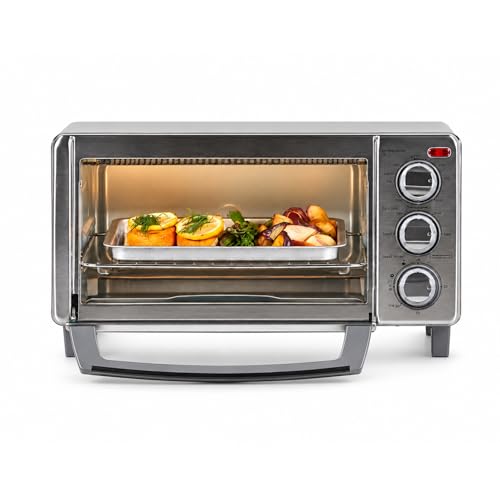

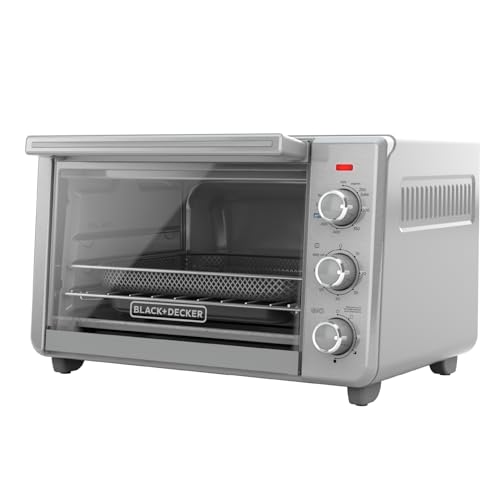
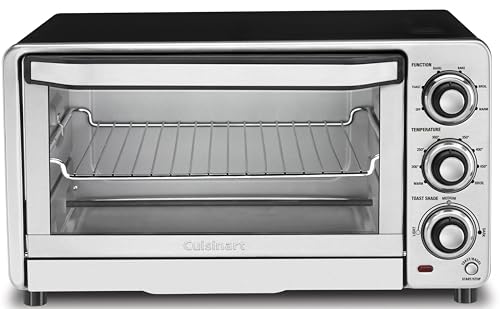
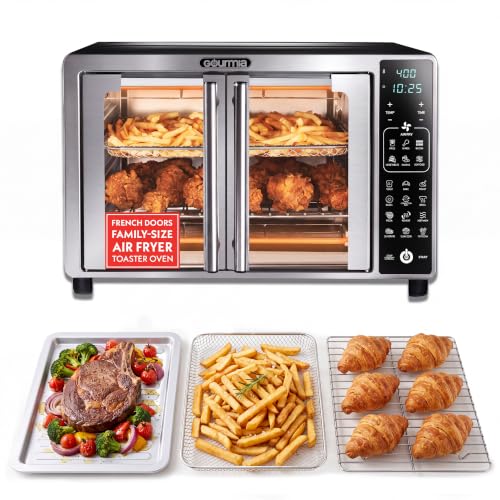
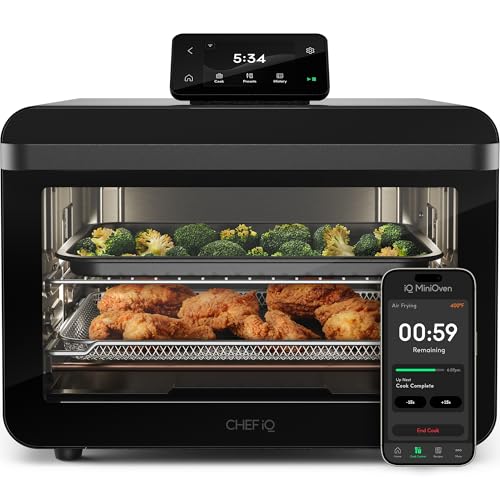


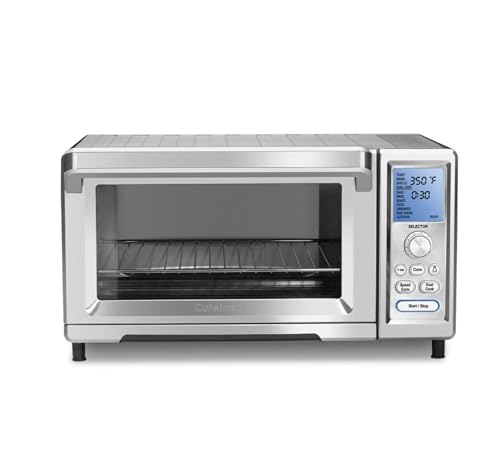

What Separates a Reliable Toaster Oven From a Frustrating One
Specs on a box rarely tell the whole story, but a few of them predict real-world performance better than the rest. Pay attention to these before anything else.
Even Heating and Multiple Heating Elements
Units with only one or two heating elements tend to brown unevenly, leaving hot spots near the coils and cooler zones toward the back or sides. Models with four elements, arranged in pairs on the top and bottom, distribute heat more consistently across every rack position. If a listing doesn't mention how many elements it has, that's often a sign the manufacturer is hoping you won't ask.
Wattage and How Fast It Preheats
Wattage drives both preheat speed and how well the interior recovers heat once you open the door. Anything under roughly 1,200 watts will feel sluggish, especially for reheating leftovers or getting a pan of rolls started. Higher wattage, generally in the 1,500 to 1,800 range, preheats faster and holds a steadier temperature once food is loaded inside.
Interior Capacity and Rack Positions
Capacity is usually listed in liters or by slice count, and slice count is the more honest number for everyday toasting. A unit rated for four to six slices suits most households, while anything smaller struggles the moment you try to fit a baking sheet or a small casserole dish. Multiple rack positions also matter, since a top rack lets you finish melting cheese without drying out whatever's below it.
Manual Dials vs Digital Touch Controls
Dial controls are simple, durable, and easy to operate with greasy or wet hands, which makes them a solid choice for anyone who just wants toast without a learning curve. Digital panels with preset functions add convenience for tasks like reheating pizza or defrosting bread, but they add more components that can eventually fail. Neither style is inherently better; the right pick depends on how much you value simplicity versus programmable presets.
Matching Capacity to How Your Household Actually Cooks
Buying more oven than needed wastes counter space and energy, while buying too little means constant workarounds. Capacity is one of the biggest differentiators among best toaster ovens on the market, so think about how the appliance will actually be used week to week, not just what looks impressive in a listing.
Toasting and Reheating for One or Two People
If the appliance is mostly handling toast, bagels, reheated leftovers, and the occasional frozen snack, a compact four-slice model is plenty. These smaller units also preheat faster since there's less air to heat, which matters if speed is the priority most mornings. For kitchens with genuinely tight counter space, it's worth comparing dedicated small toaster ovens built specifically around that footprint.
Baking Small Batches for a Larger Household
Households that regularly bake cookies, roast a tray of vegetables, or cook for three or more people benefit from a six-slice or larger interior with at least two rack positions. That extra room also means less waiting between batches, since everything fits on one pass instead of two. The tradeoff is a bigger footprint on the counter, so measure the available space before assuming bigger is automatically better.
Everyday Jobs a Toaster Oven Handles Best
A toaster oven earns its keep on the tasks a pop-up toaster simply can't do and a full-size oven feels wasteful for: toasting bread and bagels evenly on both sides, reheating pizza or leftovers without turning them soggy, melting cheese on open-faced sandwiches, and baking small batches of cookies or a single dish without heating an entire kitchen. It's also useful for quick broiling jobs, like finishing the top of a casserole or crisping bacon, without waiting on a full oven to preheat.
Where it starts to fall short is high-volume baking or roasting a whole meal for a large family. Some models add a convection fan and air fry basket to close that gap, which is worth exploring separately if crispier results matter to you, covered in more detail in our guide to air fryer toaster ovens. If you're hoping to replace a full-size oven altogether, including roasting a whole chicken or baking a full pizza, a larger countertop convection oven is the better fit than a standard toaster oven.
Do You Still Need a Separate Pop-Up Toaster?
Many people assume a toaster oven can fully replace a pop-up toaster, and for most households it can. It toasts bread just as evenly, handles bagels and thicker slices better thanks to the open rack, and adds the ability to warm pastries or melt cheese, none of which a slot toaster can do. The main downside is speed: a dedicated toaster usually browns bread faster since it's built for exactly one job, so a household that toasts constantly during a busy morning rush might still want both.
The comparison against a microwave is different. A microwave reheats faster and uses less energy for simple warming, but it leaves bread soggy and can't brown or crisp anything. For a side-by-side look at where each appliance wins, our guide to microwave ovens breaks down what a microwave handles better. In practice, most kitchens end up keeping a toaster oven for texture and a microwave for speed, rather than choosing just one.
Frequently Asked Questions
What size toaster oven is right for a small kitchen?
A compact four-slice model with a shallow depth fits most tight kitchens without crowding the counter. It's usually enough for toast, bagels, and reheating, though it won't hold a full-size baking sheet.
Does a higher wattage always mean better performance?
Not necessarily. Higher wattage speeds up preheating and helps maintain a steady temperature, but even heat distribution and build quality matter just as much for consistent results.
How often should the crumb tray be cleaned?
The crumb tray should be emptied every week or two with regular use, and sooner if crumbs start smoking or smelling burnt. A removable tray that slides out from the front or side makes this far easier.
Can a toaster oven replace a full-size oven?
For small households or single dishes, often yes. For large meals, multiple trays at once, or a whole turkey, a full-size oven or a larger convection model is still the more practical choice.
Is stainless steel worth paying more for?
Stainless steel exteriors resist fingerprints and hold up better over years of daily use compared to painted metal, though it has no effect on how evenly the oven cooks. It's a durability upgrade, not a performance one.
What clearance is needed around a toaster oven on the counter?
Leave a few inches of open space on all sides, including above the vents, and keep it away from cabinets or curtains. Enclosed spaces trap heat and can shorten the appliance's lifespan.
Making the Right Call for Your Kitchen
The right choice depends less on flashy features and more on matching capacity, wattage, and controls to how the kitchen actually gets used day to day. A model sized for quick toast and reheats looks very different from one meant to handle regular baking for a household. Among the best toaster ovens, the ones that earn a permanent spot on the counter are simply the ones that fit real routines instead of sitting unused after the first few weeks.