Best Belgian Waffle Makers: A Complete Buying Guide
Disclosure: We may earn a commission when you buy through links on this page, at no extra cost to you. As an Amazon Associate I earn from qualifying purchases. Learn more

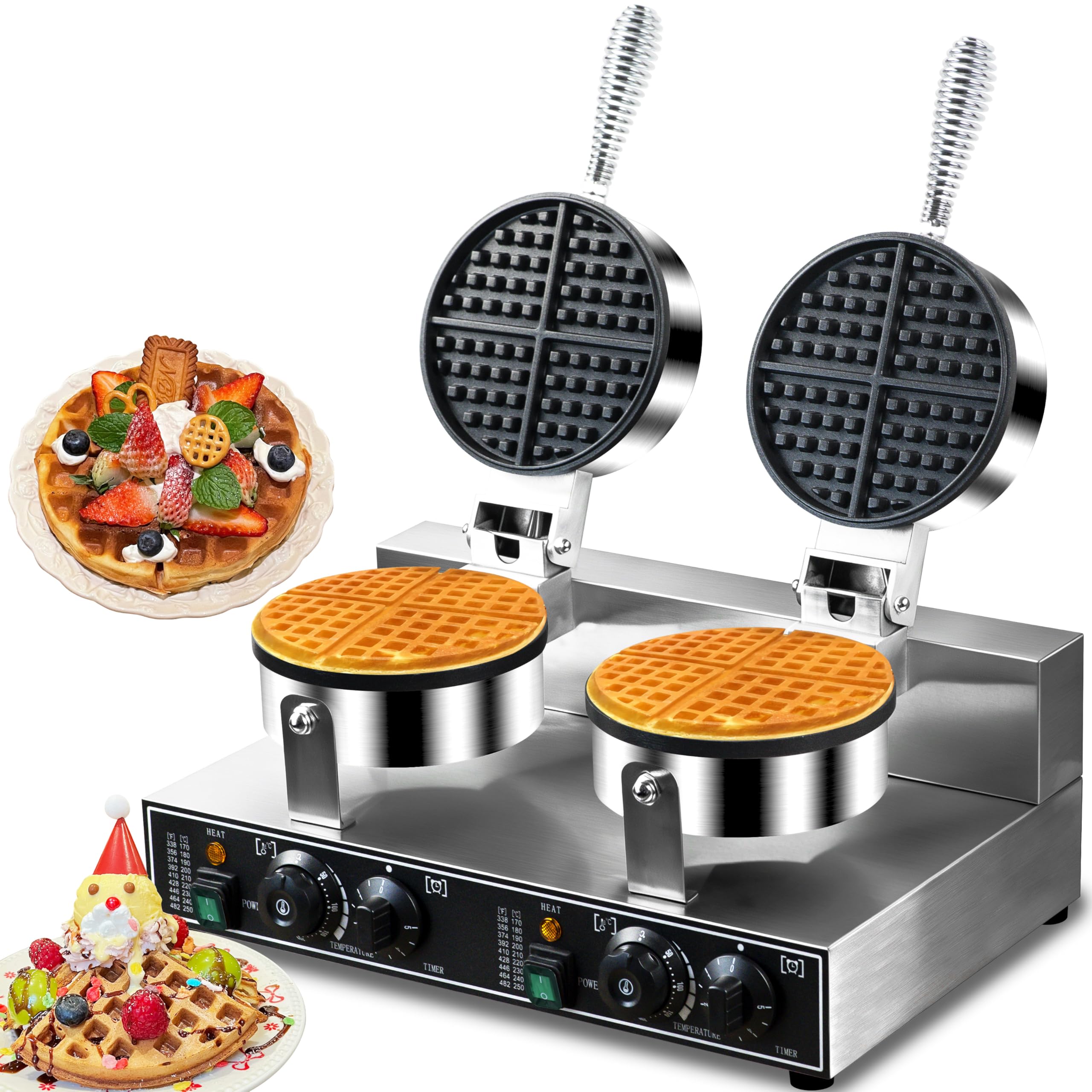
Stand in front of a shelf of waffle irons and two of them can look almost identical from the outside, yet make completely different waffles. One has a shallow, thin grid. The other has deep, oversized squares and sometimes a hinge that lets you flip the whole thing over. That second one is what people mean by a Belgian iron, and finding the best belgian waffle makers starts with understanding why that deeper grid exists in the first place, not just which brand has the best reviews. In this guide, you'll learn what actually defines a Belgian waffle maker, why so many of them rotate or flip, how wattage affects your morning routine, and what size makes sense for your household.
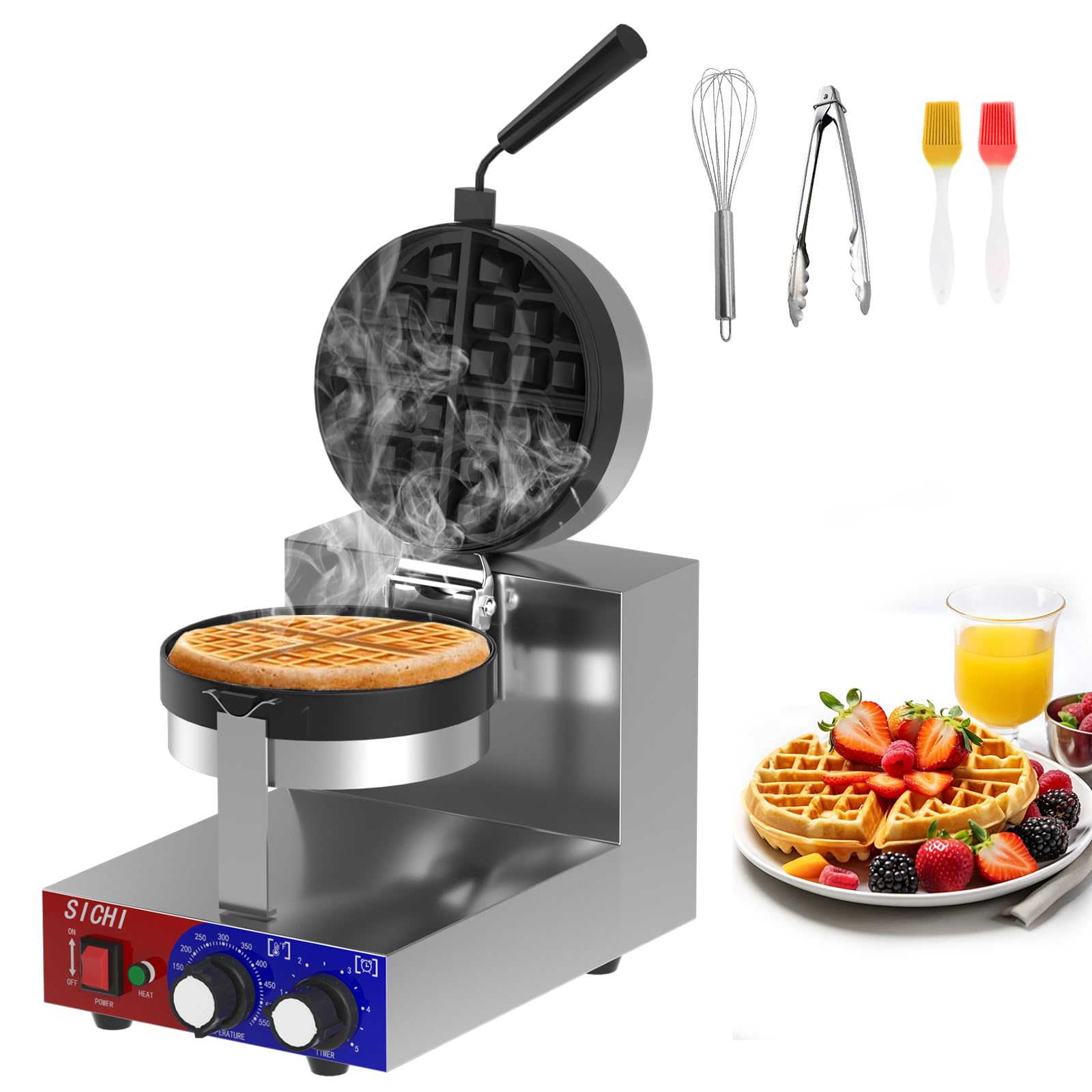
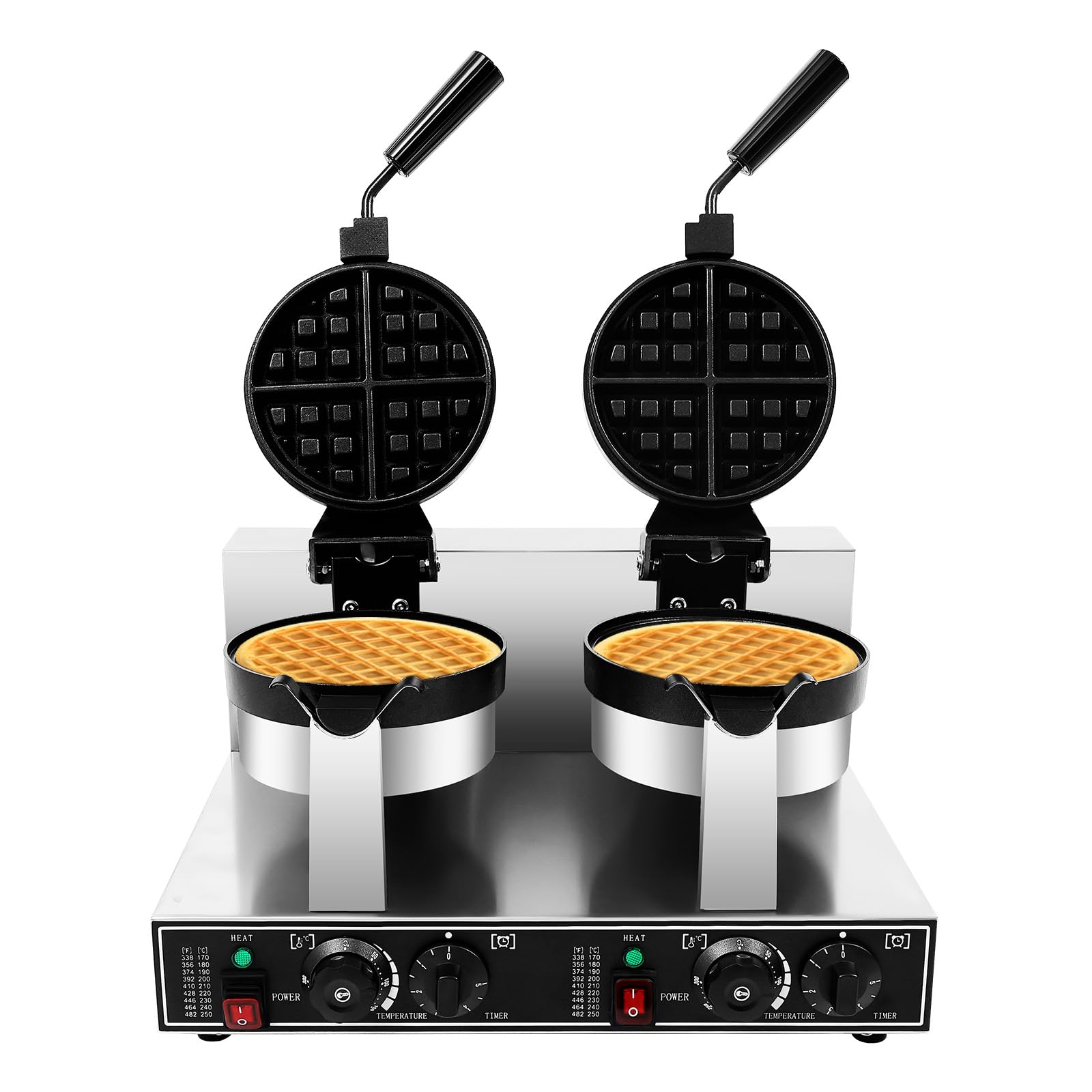
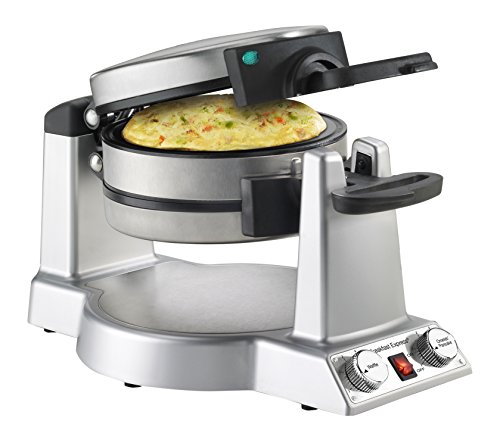
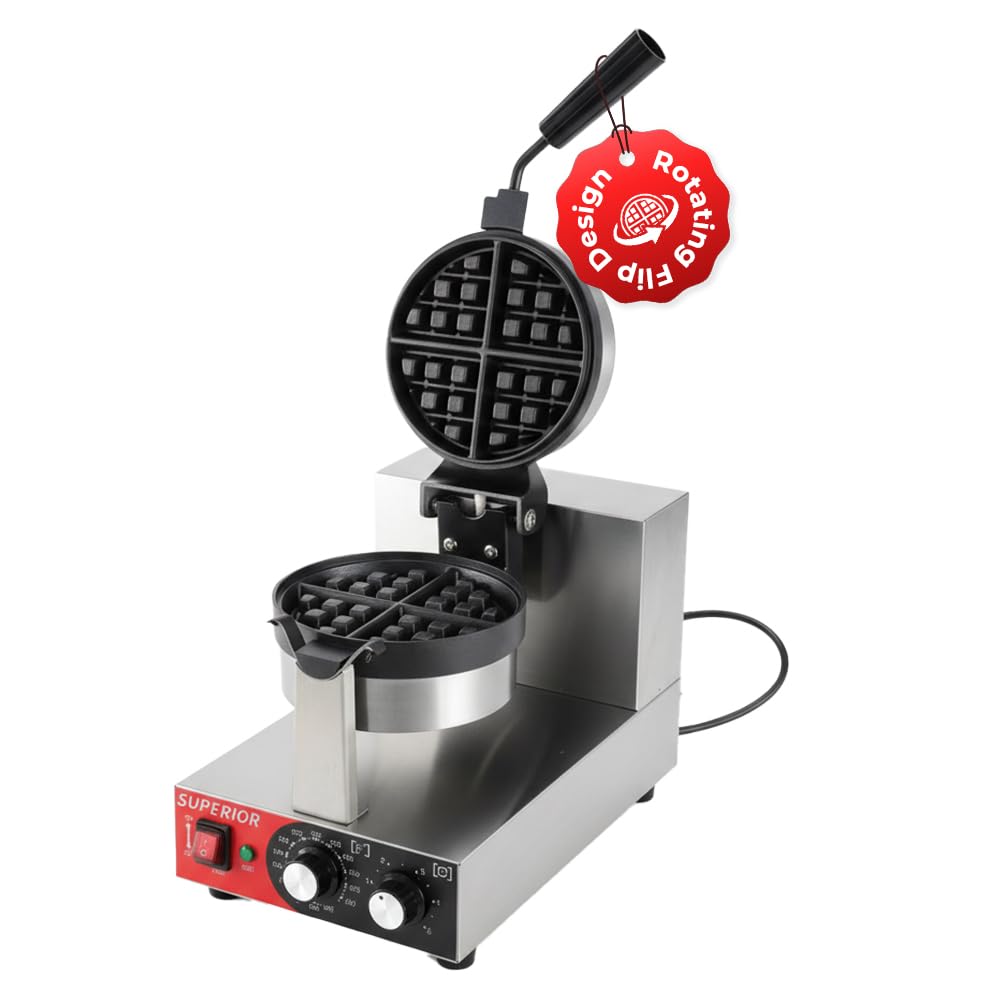


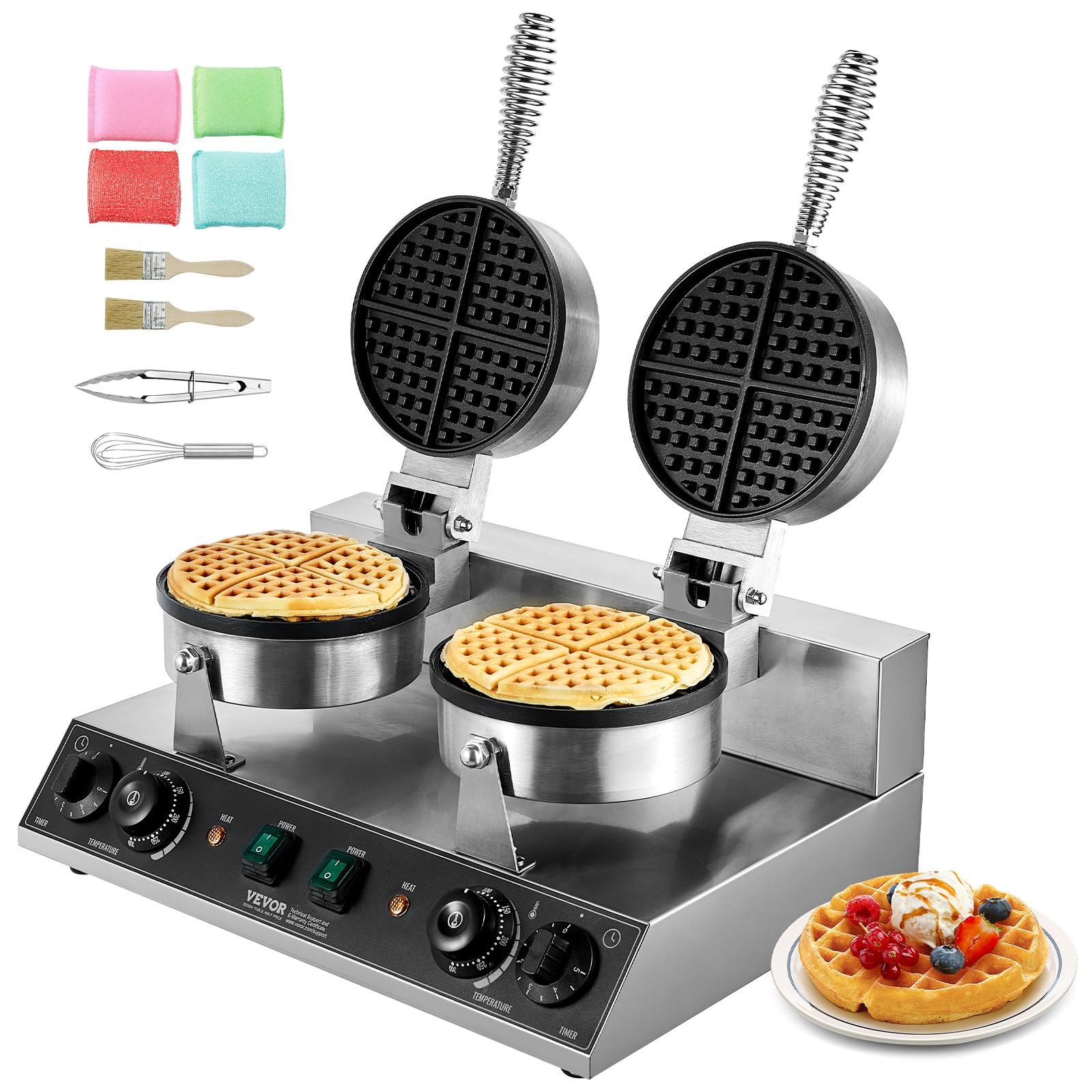


The Grid Depth That Actually Makes a Waffle "Belgian"
A regular waffle iron has a shallow grid, usually around a quarter inch deep, so the batter spreads thin and cooks fast into a flat, evenly crisp waffle. A Belgian iron's grid runs closer to three-quarters of an inch to a full inch deep, with noticeably larger squares. That difference in depth is the actual definition of "Belgian," not a marketing label stuck on a slightly bigger appliance.
Why an Extra Half Inch of Batter Changes the Waffle
More batter volume trapped in a deeper pocket means more room for the batter to rise and for air bubbles to expand as it cooks. That's why a Belgian waffle comes out lighter and airier inside with a crisp shell, while a shallow-grid waffle turns out thinner and denser all the way through. The deep squares also hold syrup, fruit, or whipped cream far better than a shallow grid does, which is half the appeal for a lot of people.
How This Differs from a Regular Waffle Iron
Because a shallow iron cooks a thin layer of batter, it heats through quickly and evenly without much help. A Belgian waffle maker has to cook a much thicker layer all the way to the center without burning the outside first, which is the root cause of nearly every other feature difference in this guide, from moving plates to higher wattage.
Rotating, Flip, and Fixed Plates: Why So Many Belgian Irons Move
If you've ever seen someone flip their waffle iron upside down mid-cook, that's not a quirky extra feature. It's a direct response to the depth problem above. Thick batter poured into a deep grid doesn't spread on its own the way thin batter does, so manufacturers built mechanisms to force it to.
What Rotating Actually Solves
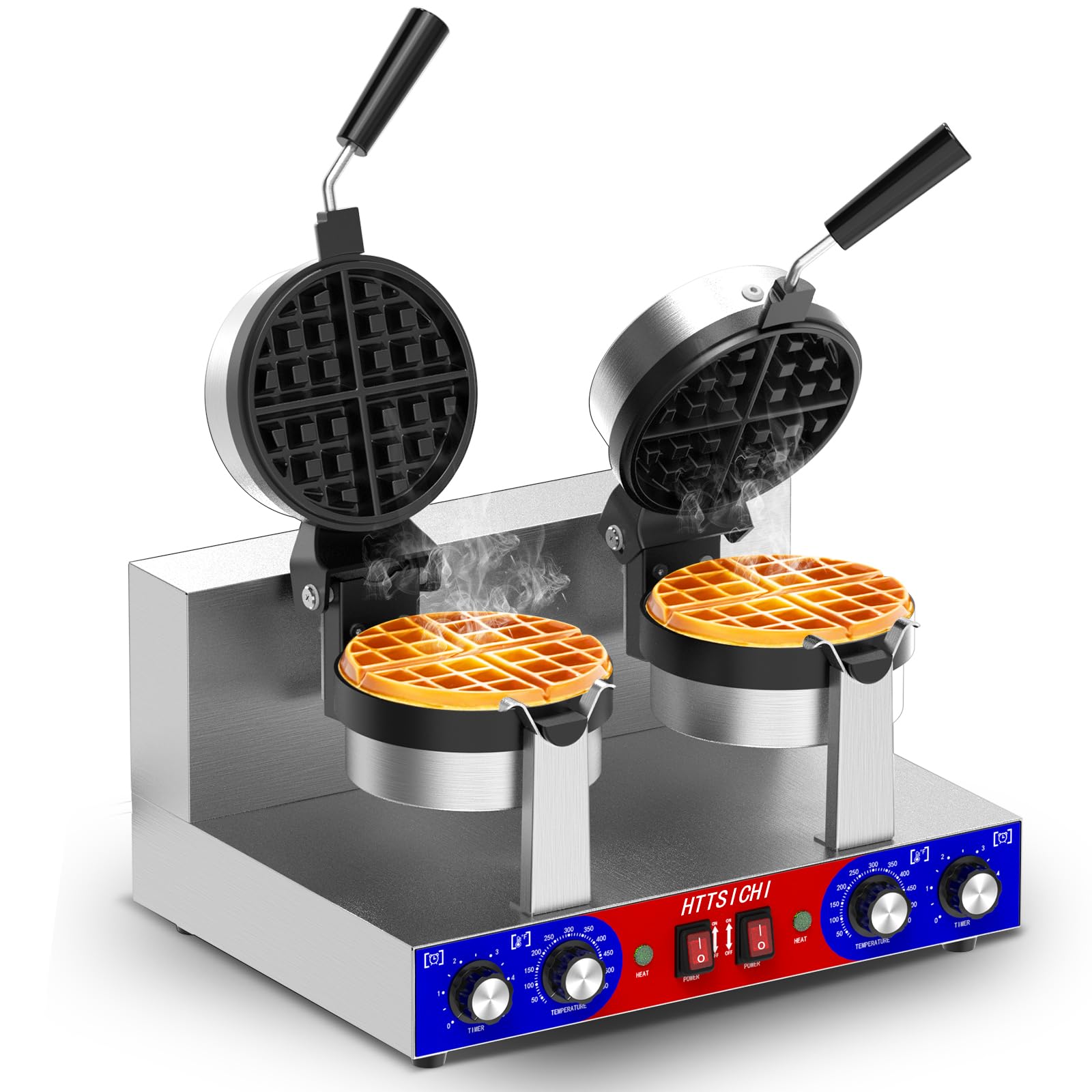
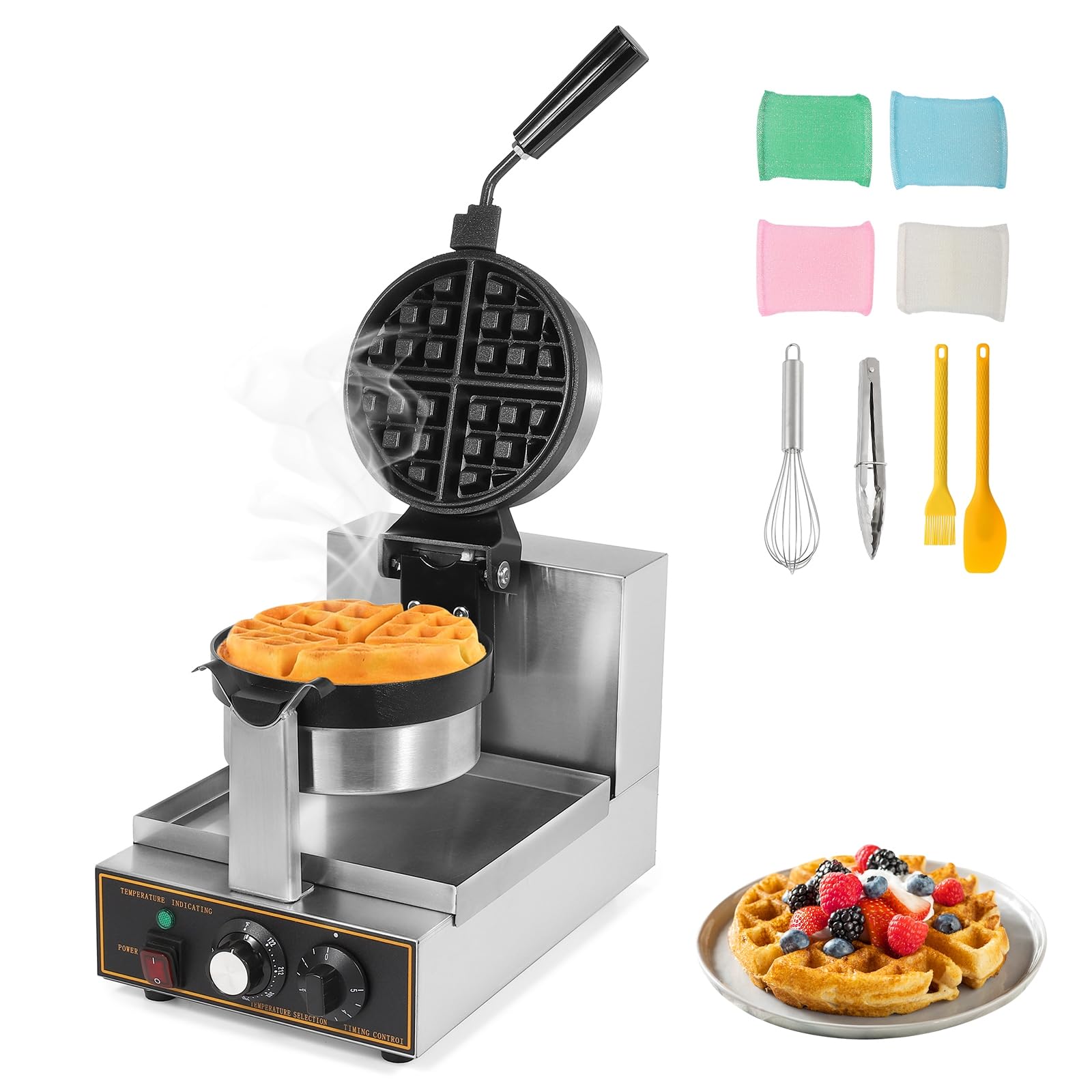
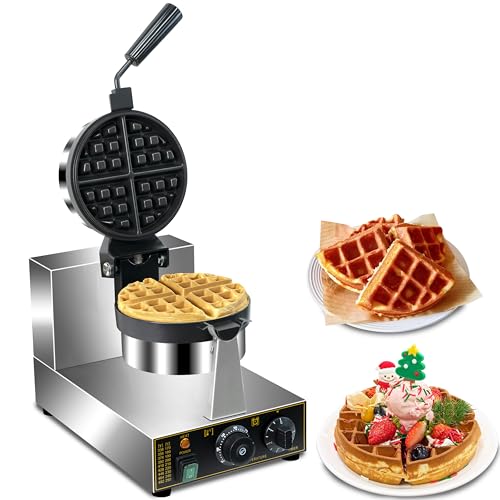
A rotating Belgian waffle maker flips a full 180 degrees right after you pour the batter, using gravity to pull it evenly across every square before the plates close and lock. Without that step, batter tends to pool in the center and leave the corners thin and undercooked. This matters more the deeper and larger the grid is, which is exactly why you see rotation far more often on Belgian irons than on shallow ones.
Flip-Only and Fixed-Plate Designs
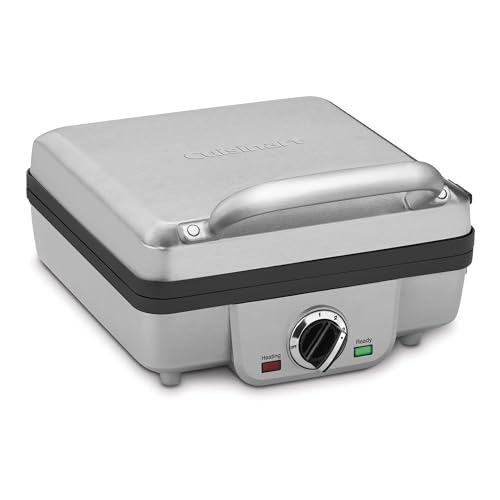
Some models flip once, after the plates have already closed around the batter, mainly to promote even browning rather than to spread unset batter. A few hybrid designs do both, rotating immediately after pouring and again partway through cooking. Fixed-plate Belgian irons skip the movement entirely and rely on a longer cook time and careful batter placement instead, which works fine but asks more of you as the cook. None of these approaches is universally "better." A rotating iron is more forgiving if you tend to eyeball your batter amount, while a well-designed fixed iron can produce just as even a result if you pour carefully and don't overfill it.
Wattage and Recovery Time Between Waffles
Belgian irons commonly run anywhere from around 800 watts up to 1500 watts or more, and that range matters here in a way it rarely does for a shallow iron. Because the batter is thicker, it takes longer to cook through, typically three to five minutes per waffle compared to roughly one to two minutes on a thin-grid model. Higher wattage speeds up both the initial preheat and how quickly the plates recover their temperature for the next waffle, which adds up fast if you're making a batch for the whole family on a weekend morning.
A lower-wattage model isn't necessarily a bad one, but expect longer waits between waffles and budget your morning accordingly. Most Belgian irons also include a shade or temperature dial so you can push toward a deeply crisp exterior or dial it back for a softer one, independent of wattage. If your main concern is keeping the price down rather than chasing the deepest grid or fastest recovery, our guide to affordable waffle makers covers models across styles at that lower price point.
Choosing Single, Double, or Four-Slice Capacity
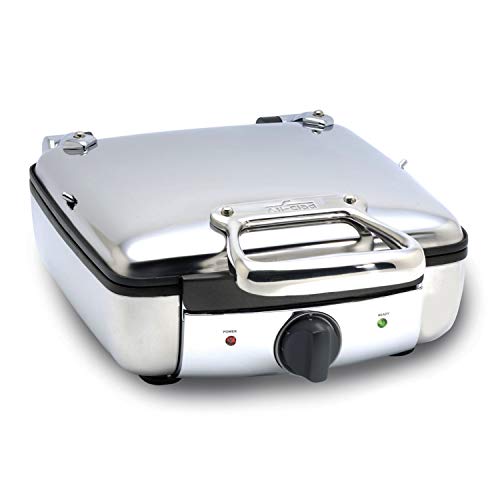
A single-slice Belgian iron makes one waffle at a time and takes up the least counter and storage space, which suits smaller households or anyone who only makes waffles occasionally. Double and four-slice models cook multiple waffles per cycle, cutting the total time needed to feed a family on a busy morning, but they're larger appliances that pull more power to heat every grid at once and take up meaningfully more storage space between uses.
If you regularly cook for more than two people, the time savings from a double or four-slice model tend to outweigh the extra counter space. If waffles are more of an occasional treat than a weekend routine, a single-slice model is easier to store and usually cheaper to run.
Caring for a Deep Nonstick Grid
Cleaning a Belgian iron is genuinely different from cleaning a shallow one, mainly because batter and crumbs settle deep into the grooves where a sponge can't easily reach. A soft-bristle brush works better than a cloth for getting into the pockets, and if batter has hardened, a damp cloth left over the area for a few minutes will usually soften it enough to wipe away without scraping.
Avoid metal utensils when removing a stuck waffle, since scraping a metal edge across a deep nonstick grid wears through the coating faster than it would on a flat surface. Harsh chemical cleaners and abrasive scrubbers cause the same problem. A quick wipe-down after each use, before batter has a chance to bake onto the plates, saves you from a much harder deep clean later.
Frequently Asked Questions
What's the difference between a Belgian waffle maker and a regular waffle maker?
The grid is the difference. A Belgian iron has deep, roughly inch-thick squares, while a regular iron has a shallow grid closer to a quarter inch. That depth produces a lighter, airier waffle with deeper pockets for toppings.
Do you need a rotating Belgian waffle maker?
Not strictly, but it helps. Rotating uses gravity to spread thick batter evenly across a deep grid right after you pour it, which reduces undercooked centers and thin corners compared to a fixed-plate design.
Why isn't my Belgian waffle maker making crispy waffles?
It's usually a temperature or shade setting set too low, or the waffle being removed before it's fully cooked through. Since Belgian batter is thicker, it needs the full three to five minute cook time to crisp properly on the outside.
How much batter do you put in a Belgian waffle maker?
Enough to just cover the grid without reaching the edges, since thick batter expands as it cooks. Start with less than you think you need, especially on a model without an anti-overflow moat, and adjust after your first waffle.
Are Belgian waffle makers hard to clean?
They take a bit more effort than a shallow iron because of the deep grooves, but a soft brush and a quick wipe after each use keeps buildup manageable. The main thing to avoid is metal utensils, which can damage the nonstick coating over time.
What size Belgian waffle maker is best for a family?
A double or four-slice model saves real time if you're regularly cooking for more than two people, since it cooks multiple waffles per cycle instead of one at a time.
Making Your Decision
Grid depth is what actually defines a Belgian waffle maker, and everything else in this guide, rotation, wattage, and capacity, exists to help that deeper grid cook evenly. Once you know how much batter you'll realistically pour and how quickly you want to move through a batch, the right combination of mechanism, wattage, and size becomes a much easier call.
Related reading: best affordable cold press juicer.