Best Slow Masticating Juicer: A Complete Buying Guide
Disclosure: We may earn a commission when you buy through links on this page, at no extra cost to you. As an Amazon Associate I earn from qualifying purchases. Learn more

A complete buying guide to choosing the best slow masticating juicer, covering auger speed, juice yield, cleaning, and the mistakes to avoid.
Fresh juice sounds simple until you actually try to make it at home. Cheap juicers leave you with watery pulp, loud motors, and a sink full of parts to scrub. If you have ever wondered why your homemade juice tastes flat compared to what you get at a juice bar, the machine is usually the problem.
A slow masticating juicer solves most of these frustrations by crushing and pressing produce instead of shredding it at high speed. The result is more juice per pound of produce, less foam, and juice that keeps its color and nutrients longer in the fridge.
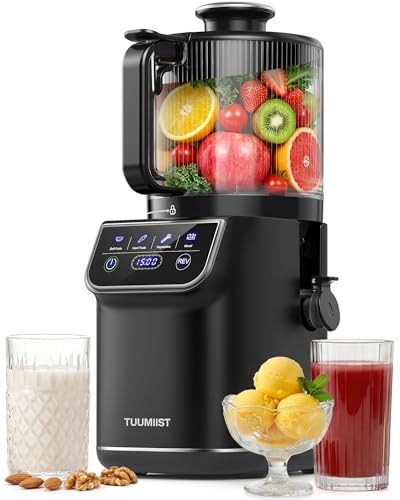
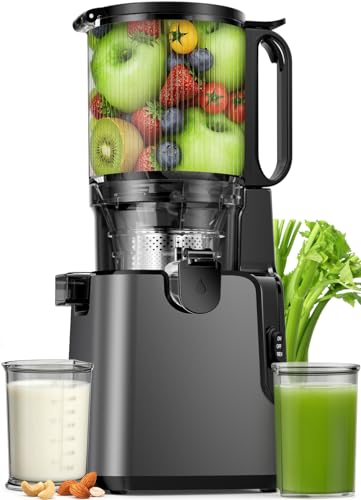
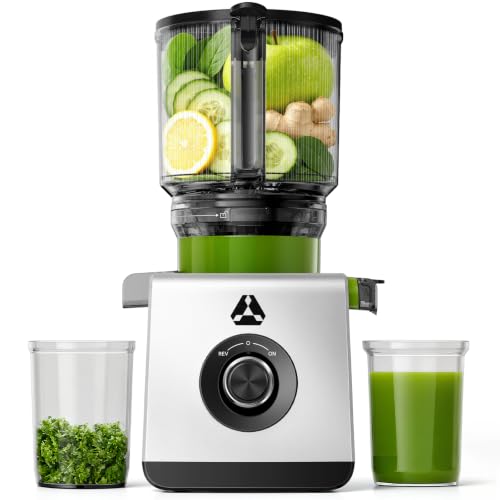
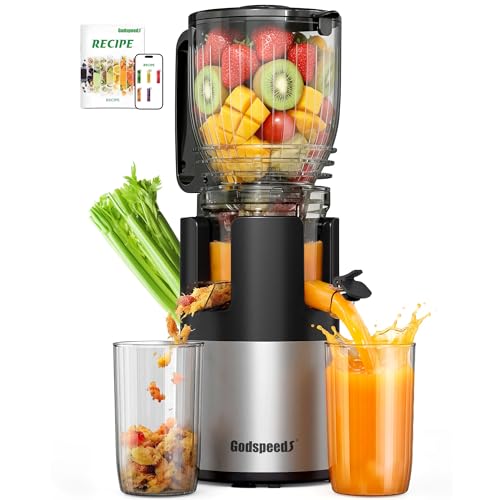

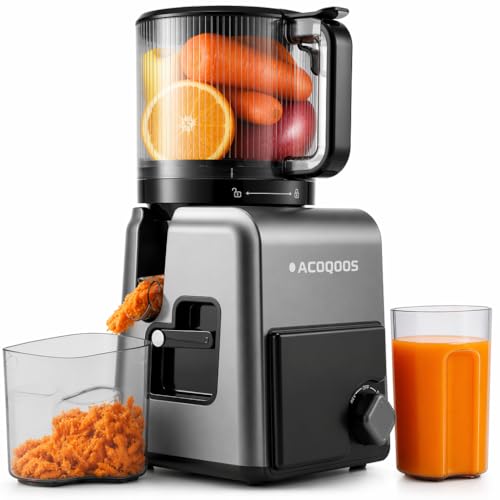
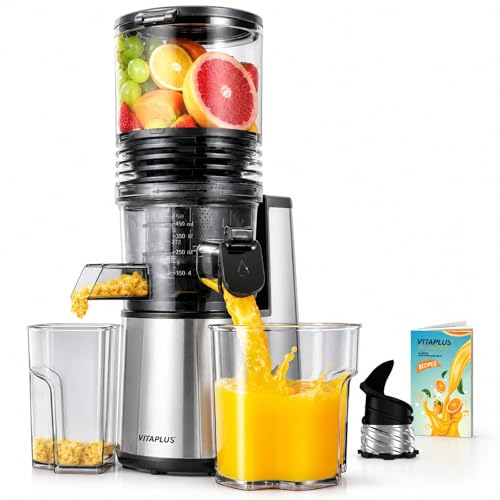

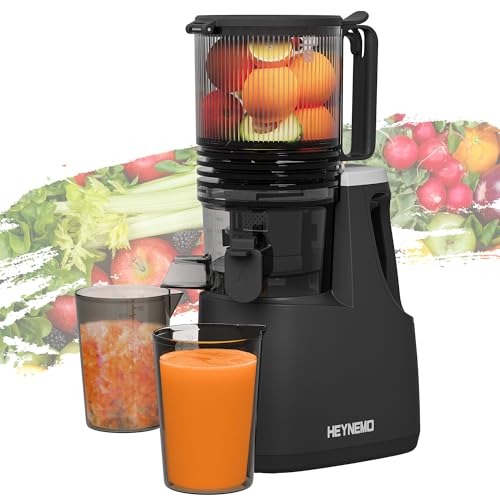
In this guide, you will learn what separates a good slow masticating juicer from a mediocre one, the different types available, how to get the most out of one once you own it, and the mistakes that trip up first-time buyers.
What Is a Slow Masticating Juicer?
A masticating juicer uses a rotating auger, essentially a large screw, to crush fruits and vegetables against a mesh screen. This gently squeezes out the juice rather than flinging produce against a spinning blade the way a centrifugal juicer does. Because the auger turns at low speed, typically between 40 and 100 RPM, the process generates very little heat or friction.
That slower pace matters. Less heat and less exposure to air mean less oxidation, so the juice keeps its color, flavor, and nutrients for longer once it's in the fridge. It also means the machine runs quieter than a high-speed juicer, which is one of the main reasons people upgrade to this style in the first place.
What to Look for in a Slow Masticating Juicer
Not every model labeled "slow juicer" performs the same way. These are the features that actually affect juice quality, yield, and how much you will enjoy using the machine day to day.
Auger Speed and RPM
Lower RPM generally means gentler extraction and less oxidation, which is the whole point of choosing a masticating design over a centrifugal one. Most quality models sit somewhere between 40 and 100 RPM. A slightly higher RPM can speed up the process without sacrificing much quality, but anything that pushes well past that range starts to defeat the purpose of a slow juicer.
Motor Power and Wattage
Wattage tells you how much torque the auger has when it hits dense or fibrous produce like carrots, celery, or beets. Underpowered motors bog down, stall, or need constant pauses to clear a jam. Look for a motor with enough wattage to handle the produce you juice most, especially if hard root vegetables are a regular part of your routine.
Juice Yield and Pulp Control
One of the biggest advantages of a slow masticating juicer is yield. Because the auger presses rather than shreds, you typically get noticeably more juice from the same amount of produce compared to a centrifugal machine, with drier pulp left behind. If you juice regularly, that difference adds up fast in terms of cost per glass, which is why even budget-conscious shoppers often compare a full-size machine against an affordable cold press juicer before deciding.
Feed Chute Size
A wider feed chute means less time spent chopping produce into small pieces before juicing. Some machines are built to handle whole fruits and vegetables with minimal chopping, which saves prep time on busy mornings. If speed and convenience matter to you, chute size is worth checking closely, since smaller chutes require far more cutting work upfront.
Ease of Cleaning
This is where a lot of juicers, even good ones, lose people. Look for models with fewer parts, dishwasher-safe components, and screens designed to resist pulp buildup. Some newer designs include self-cleaning brushes or wide grooves that make rinsing under the tap much faster than scrubbing with a small brush.
Noise Level
Because the auger turns slowly, most masticating juicers run noticeably quieter than centrifugal models. Still, noise levels vary between designs, and this matters if you plan to juice early in the morning without waking the household. Reading about real-world noise levels, not just manufacturer claims, gives a more accurate picture.
Auger Material and Durability
The auger and screen take the most wear over time, so material quality matters more than it might seem at first glance. Food-grade, BPA-free plastics and metal components tend to hold up better against tougher produce like ginger or carrots. Cheaper augers can crack or dull faster, especially with frequent use, so it's worth checking what materials a model actually uses before committing.
Types of Slow Masticating Juicers Explained
Not all masticating juicers are built the same way. Understanding the main categories, covered in more depth in our broader masticating juicer guide, helps narrow down what fits your kitchen and your juicing habits.
Vertical Juicers
Vertical models stand upright and take up less counter space, which makes them popular for smaller kitchens. Many are self-feeding, meaning gravity helps push produce down toward the auger with less manual pushing required. They also tend to be quicker to assemble and rinse out between uses.
Horizontal Juicers
Horizontal models lay flat and generally use a single auger. They tend to be more efficient with leafy greens and fibrous herbs, since the longer auger gives produce more time to be pressed. Some horizontal machines can also process nuts into butter or produce baby food with the right attachments.
Single Auger vs. Twin Auger Models
Single-auger machines are more common and generally more affordable, with plenty of solid juicer under $100 options on the market, though the auger works a bit harder on tough, fibrous produce. Twin-auger, or triturating, models use two interlocking gears that crush produce even more thoroughly, often producing a slightly higher yield from tough greens, at the cost of a higher price and a bit more noise.
How to Use a Slow Masticating Juicer for Best Results
Buying the right machine is only half the equation. A few habits make a real difference in juice quality and how long the machine lasts.
Prepping Produce
Wash produce thoroughly and cut anything too large for the feed chute into manageable pieces. Alternate soft and hard produce as you feed the machine. This helps keep the auger from clogging and gives you a more even extraction overall.
Juicing Leafy Greens and Soft Fruits
Roll or bunch leafy greens like kale and spinach before feeding them in, rather than dropping in loose leaves. For very soft fruits like berries, alternating with firmer produce helps push everything through cleanly instead of clogging the screen.
Storing Fresh Juice
Because masticating juicers introduce less air into the juice, the result stays fresher longer than juice from a centrifugal machine, though it is still best consumed within a day or two. Store it in an airtight, opaque container in the fridge and fill it as close to the top as possible to limit exposure to air.
Common Mistakes to Avoid
Even a well-designed slow masticating juicer can disappoint if you fall into a few common traps during the buying process or daily use.
- Choosing a machine based on price alone without checking wattage or yield performance
- Ignoring feed chute size and ending up with far more prep work than expected
- Ripping through leafy greens too fast, which can shorten motor life over time
- Skipping the cleaning step right after juicing, which lets pulp dry and stick to screens
- Overlooking warranty length, since motor and auger quality often correlate with how long a company backs the product
Frequently Asked Questions
Is a slow masticating juicer worth it?
For anyone who juices more than occasionally, yes. The higher yield, quieter operation, and better nutrient retention typically offset the higher upfront cost compared to a basic centrifugal juicer.
How long does a masticating juicer last?
With regular cleaning and reasonable use, a well-built masticating juicer can last several years. Motor quality and how consistently you clean the auger and screen are the biggest factors in longevity.
Can a masticating juicer handle leafy greens?
Yes, and this is actually one of its strengths. The slow pressing action extracts juice from kale, spinach, and wheatgrass far more effectively than a centrifugal juicer, which tends to just shred greens without pulling out much liquid.
Are slow masticating juicers hard to clean?
It depends on the model. Machines with fewer parts, wide grooves, and dishwasher-safe components are noticeably easier to clean than older or more complex designs. Rinsing parts immediately after use also makes cleanup much faster.
What is the difference between masticating and centrifugal juicers?
Centrifugal juicers use fast spinning blades and generate heat and oxidation, while masticating juicers press produce slowly at low RPM. That slower process generally means better juice yield, quieter operation, and juice that stays fresh longer.
What RPM is best for a masticating juicer?
Most quality models run between 40 and 100 RPM. Lower speeds within that range tend to preserve nutrients slightly better, while speeds toward the higher end trade a bit of quality for faster juicing.
Can you make nut butter with a masticating juicer?
Some horizontal models with the right attachments can process nuts into butter or purée soft fruits, though this depends entirely on the specific machine and its included accessories.
Final Thoughts
The right slow masticating juicer comes down to matching the features that matter most to how you actually plan to use it. Pay attention to auger speed, motor power, feed chute size, and how easy the machine is to clean, since those factors affect your day-to-day experience far more than any single spec sheet number.
Think honestly about how often you will juice, what produce you juice most, and how much counter space and cleanup time you are willing to commit. Take the time to match those criteria to your routine, and you will end up with a machine you actually want to use every day instead of one that ends up gathering dust in a cabinet.