Best Waffle Maker Under $50: A Complete Buying Guide
Disclosure: We may earn a commission when you buy through links on this page, at no extra cost to you. As an Amazon Associate I earn from qualifying purchases. Learn more
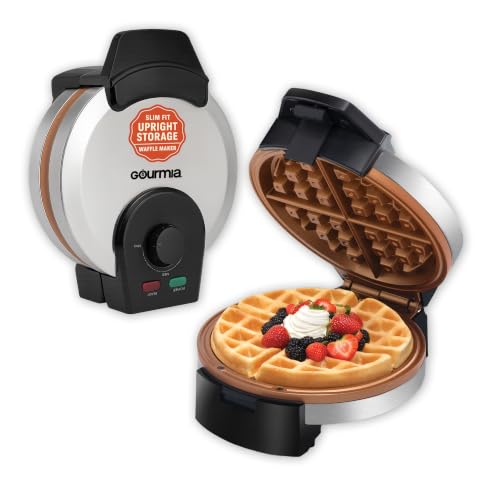
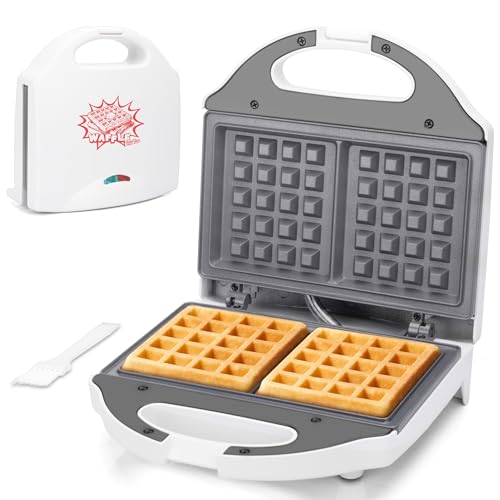
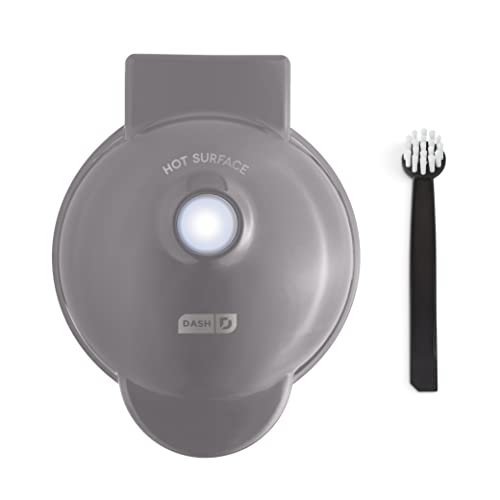
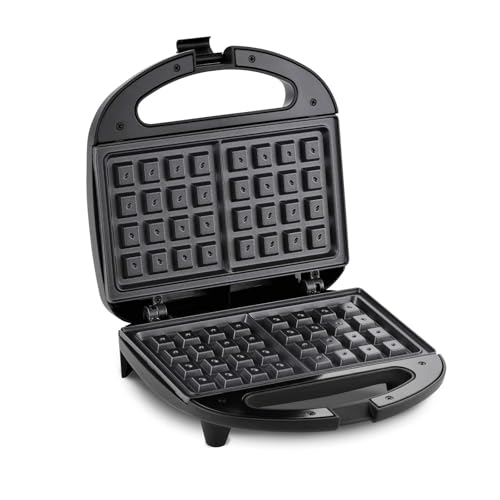
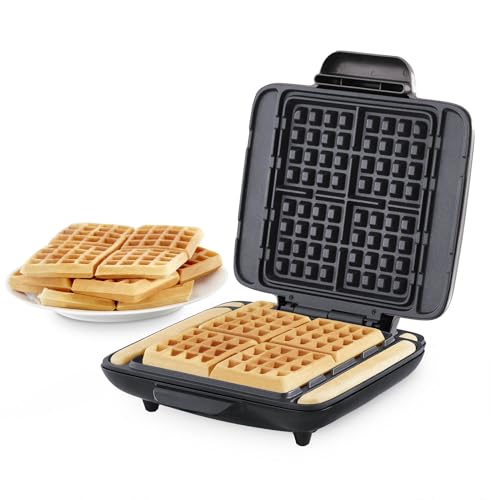
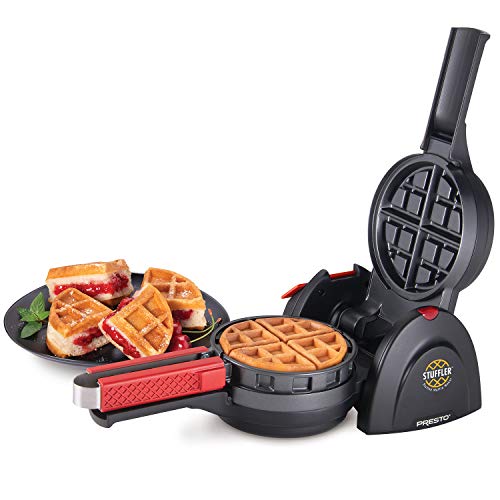
What Actually Changes When a Waffle Maker Costs Under $50
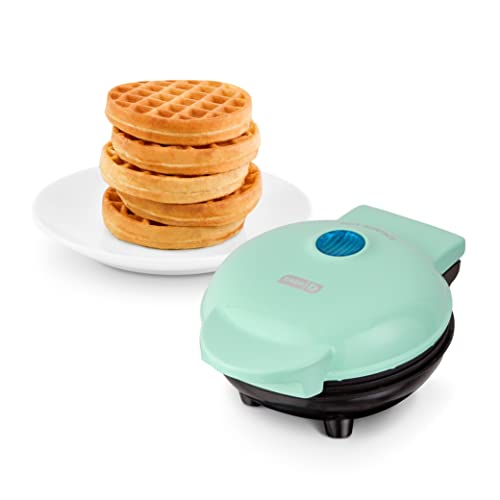
A waffle maker under $50 will not match a pricier, higher-end appliance on even heat distribution or plate durability, and that gap is worth understanding before you shop. Budget machines generally use thinner heating elements, simpler thermostats, and lighter housings. That trade-off is fine for most home cooks who make waffles once or twice a week rather than running a weekend breakfast diner.
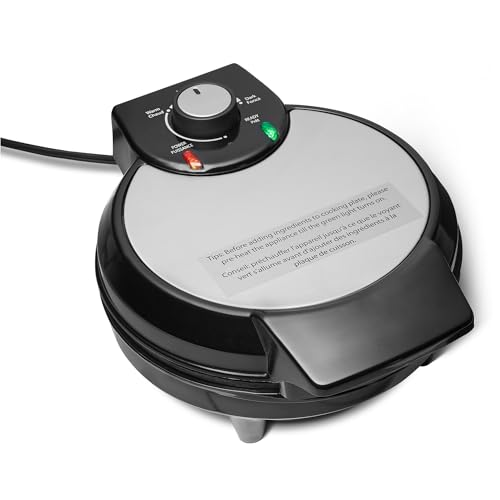
The real question is not whether a cheap model can compete with a premium one. It is which corners a specific machine cuts, and whether those corners matter for how you actually cook. A single indicator light that only shows "power on" instead of "ready to cook" is a minor annoyance. Plates that warp after a few months of use are a real problem.
Spend your attention on plate material, coating quality, and how the hinge or lid seals rather than on wattage alone. Two machines rated at the same wattage can produce very different waffles depending on how evenly that heat spreads across the grid.
Classic Grid vs Belgian-Style Grid at the Entry-Price Level
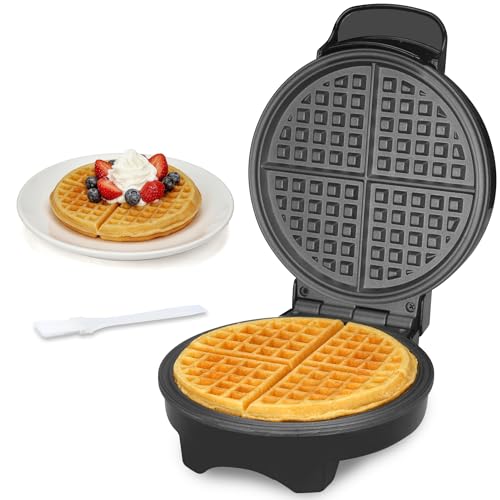
Grid depth is one factor among several at this price point, not the whole decision. Classic waffle makers use a shallow grid that produces a thinner, denser waffle, similar to what a diner griddle turns out. They tend to cook faster and are more forgiving of imprecise batter measuring.
A Belgian-style waffle maker uses a deeper grid that traps more batter, creating taller pockets built for syrup and toppings. Even at the budget tier, some manufacturers offer entry-level Belgian models, though the pockets are usually shallower than what you would find on a mid-range or premium machine.
- Classic grid: faster cook time, easier cleanup, works well with thinner batters
- Shallow Belgian grid: deeper pockets than classic, but less dramatic than true deep-dish models
- Neither style guarantees better crispness; coating and heat consistency matter more
If deep, restaurant-style pockets are the priority, it is worth reading a dedicated comparison of Belgian waffle makers built specifically for that deep-grid style rather than expecting a budget classic model to deliver the same result.
Nonstick Coatings That Survive Daily Budget-Price Use
Coating quality is where budget waffle makers vary the most, and it is the single biggest factor in whether a cheap machine feels reliable a year from now. A thin nonstick coating on entry-price plates tends to wear faster around the edges of the grid, where a spatula or fork is most likely to make contact.
A few habits extend coating life regardless of price:
- Use silicone or plastic utensils only, never metal, even when the manual does not say so explicitly
- Let the appliance cool before wiping it down so the coating does not flex under a damp cloth while still hot
- Skip cooking spray with propellants when possible; some aerosol sprays leave a residue that builds up faster than a light brush of oil
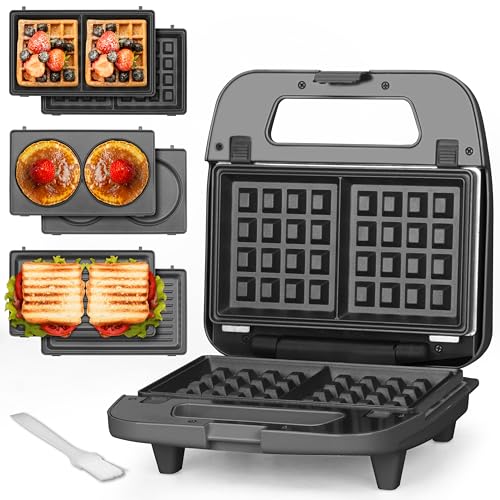
Fixed, non-removable plates are common at this price and make deep cleaning harder over time. If low-maintenance cleanup matters more than price, models with removable plates are worth the extra search even within a tight budget, and the same coating logic applies to nonstick cookware more broadly if a household is already thinking about coating durability across the kitchen.
Flip Mechanisms and Fixed Designs at This Price
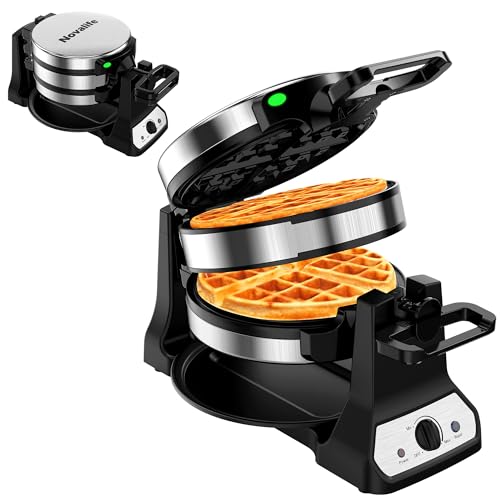
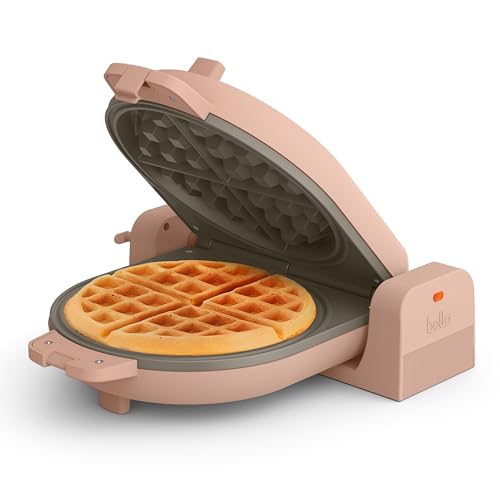
A flip waffle maker rotates 180 degrees mid-cook so batter settles evenly across the grid under gravity, which usually produces a more uniform waffle than a fixed model. Budget flip mechanisms can feel loose or wobbly compared to pricier versions, but they still deliver a real improvement in evenness for most home batters.
Fixed, non-flipping designs are simpler mechanically and tend to be the cheapest option in this range. They work fine with slightly thinner batter that spreads on its own, but thicker or from-scratch batters may pool unevenly without a flip.
Neither design is objectively better; it depends on the batter being used and how much fiddling with hinges and latches feels worth it for slightly more even cooking.
Sizing Up Capacity and Counter Space at This Tier
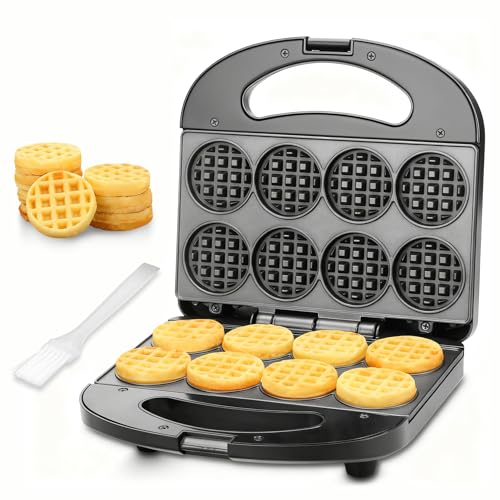
Most machines in this price bracket make a single round or square waffle at a time, which keeps the footprint small and the price low. That works well for one or two people but turns into a slow production line for a family breakfast.
Before buying, measure the storage space where the appliance will live, not just the counter space where it will cook. Many budget models are boxier and taller than their compact appearance suggests once the lid is upright.
A few sizing questions worth answering before checkout:
- How many waffles need to come off the machine in one sitting, realistically, on a typical morning?
- Is there a cabinet or shelf tall enough for the appliance stored upright, since many budget units do not lie flat?
- Does the cord length reach a comfortable outlet without a countertop extension cord?
Rounding Out a Budget Breakfast Station
A waffle maker under $50 rarely lives on the counter alone. Most households pair it with a coffee maker, a toaster, or both, and the same budget-conscious logic applies across all three: focus on coating durability, realistic capacity, and easy cleanup rather than chasing extra features that go unused.
For a full breakfast counter without overspending, it can help to shop the waffle maker alongside a coffee maker in the same price range so the two purchases share the same value expectations instead of one appliance quietly outclassing the other.
Storage also compounds quickly with multiple small appliances. Households tight on cabinet space sometimes do better with one slightly larger multi-function machine than two single-purpose ones, even if the single-purpose option looks cheaper on paper.
Frequently Asked Questions
Can a waffle maker under $50 make Belgian-style waffles?
Some entry-level models offer a deeper grid marketed as Belgian-style, though the pockets are usually shallower than dedicated deep-dish machines built specifically for that style.
Why do budget waffle makers stick even when nonstick?
Thin nonstick layers wear faster at this price point, and overheating or using metal utensils accelerates that wear, causing batter to grab onto worn spots.
Is higher wattage always better for a cheap waffle maker?
Not necessarily. Wattage mostly affects preheat and recovery speed rather than final crispness, so even heat distribution matters more than the number on the box.
How long should a budget waffle maker realistically last?
With light home use and gentle utensils, one to three years is typical before coating wear or a failing thermostat noticeably affects results.
Do flip waffle makers cook more evenly than fixed models?
Generally yes, since flipping lets gravity spread batter across the grid, though the difference is smaller with thin, pourable batters than with thick ones.
Are removable plates worth it on a budget model?
They make cleanup significantly easier and extend coating life by allowing full submersion in soapy water, which is harder to justify skipping on a fixed-plate machine.
What size waffle maker fits a family of four?
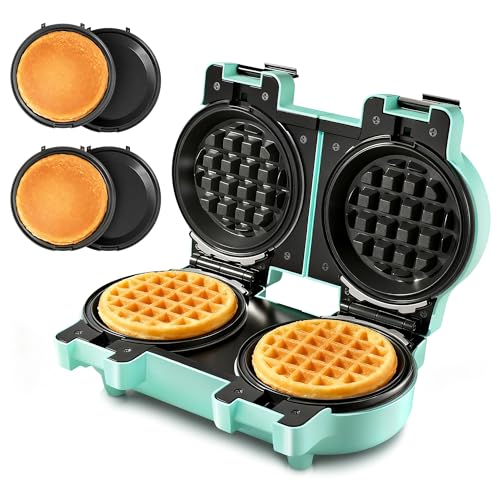
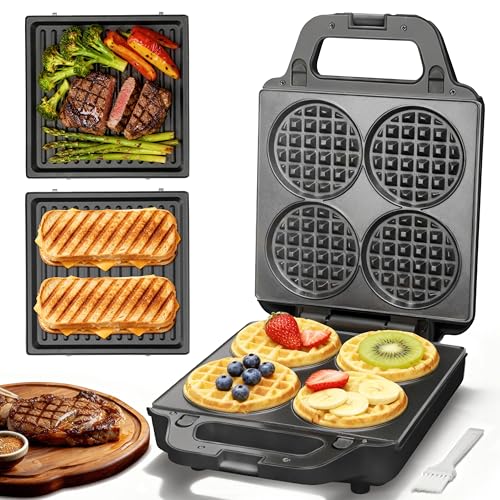
A double or four-slice model saves time, but most machines under $50 make one waffle at a time, so factor extra cooking rounds into morning routines.
Getting the Most From a Budget Waffle Maker
A tight budget does not have to mean a disappointing waffle. The machines that hold up best under $50 tend to share a few traits: reasonably even heat, a coating that survives gentle daily use, and a size that matches how many people are actually eating breakfast.
Grid depth, flip mechanism, and capacity are worth comparing side by side rather than picking on price alone, since two machines at the same cost can behave very differently in daily use. Treat the coating care habits above as non-negotiable regardless of which model gets chosen, since they matter more to long-term performance than almost any spec on the box.