
Appliances
Discover the best kitchen appliances designed to simplify cooking and enhance performance. From everyday essentials to advanced machines, our curated selection includes top-rated options for every kitchen.
We evaluate performance, durability, features, and value to help you choose appliances that meet your needs. Compare trusted brands and find the perfect solutions for your home.

What to Look for in the Best 4-Slice Toasters

Best Wall Mount Range Hood: A Complete Buying Guide
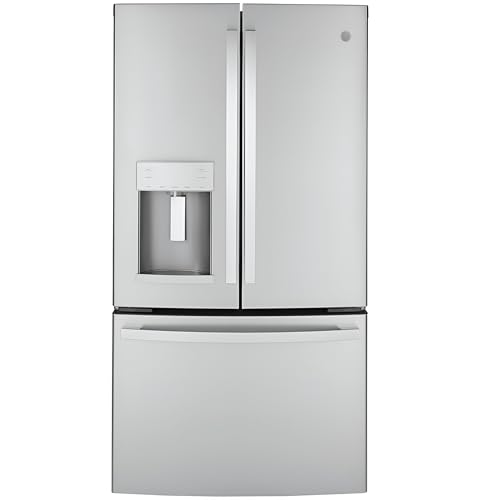
Best Refrigerators With Ice Maker: A Buying Guide for Reliable Ice
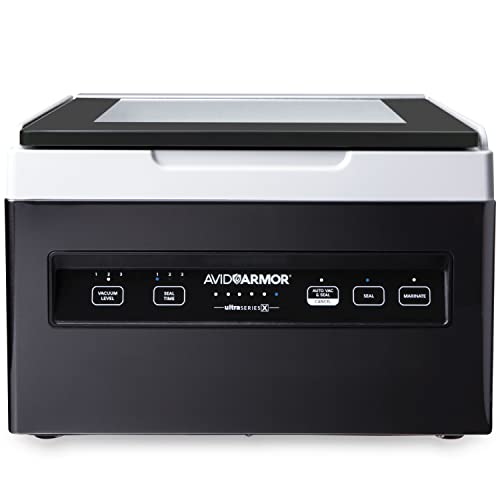
Best Vacuum Sealer: A Complete Guide for Home Cooks

Best FoodSaver Vacuum Sealer: A Complete Buying Guide
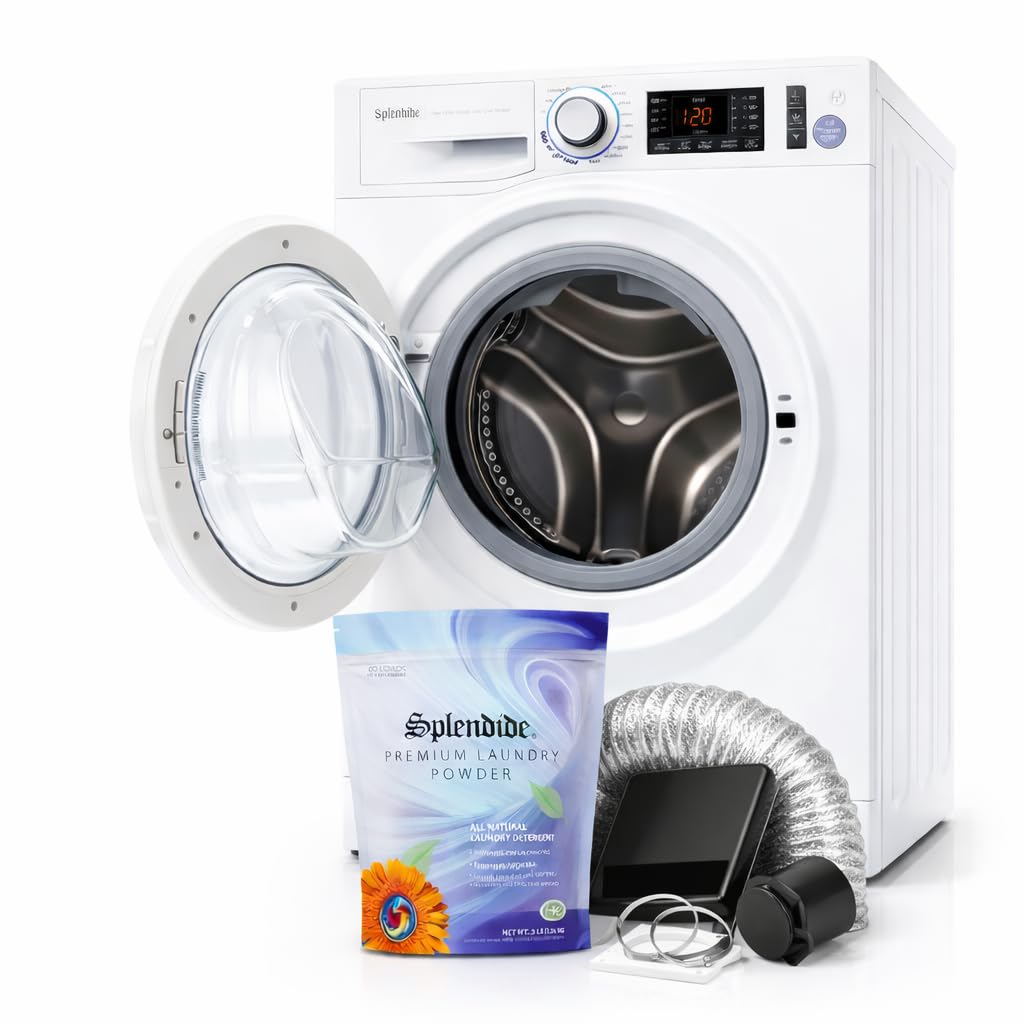
The Best Combo Washer Dryers for Small Spaces in 2026

Double Wall Oven Buying Guide: What to Know Before You Buy

Best Air Fryer Toaster Ovens: A Buying Guide for Counter Space and Cooking Needs

Best Side by Side Refrigerators for 2026: A Guide
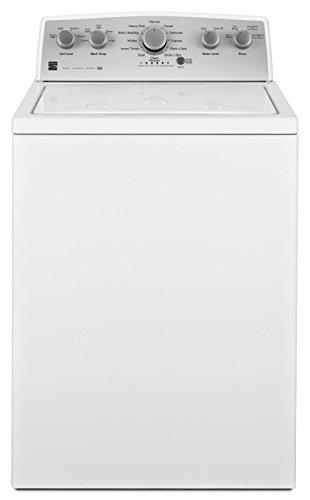
Best Top Load Washers: A Complete 2026 Buying Guide
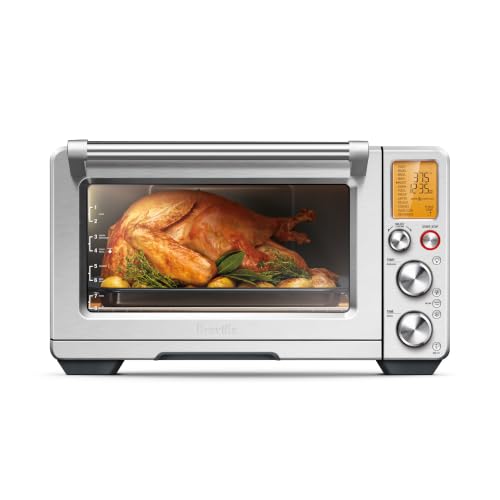
Best Toaster Oven Air Fryer: A Complete Buying Guide
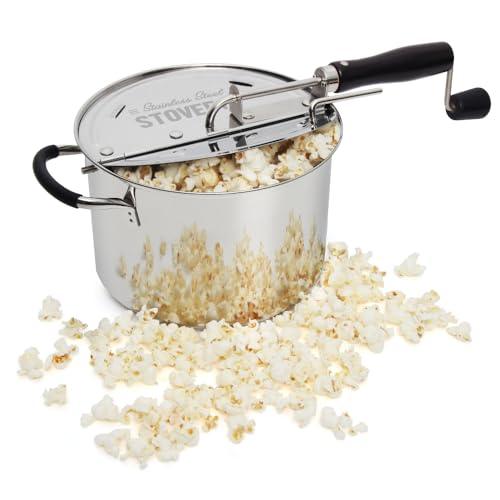
Best Stovetop Popcorn Maker: A Complete Buying Guide
Measure, Then Shop
Large and installed kitchen appliances live with you for many years, so the first step is a tape measure, not a product page. Check the opening width, depth, and height, plus door swing, hallway and doorway widths for delivery, and the location of outlets, gas lines, and water hookups. A refrigerator that fits the cutout but blocks a nearby drawer when open is a mistake you notice every day.
Key Categories and What to Compare
- Refrigerators: side-by-side, French door, and top-freezer styles differ in shelf width and freezer access. Our guide to side-by-side refrigerators covers narrow-kitchen layouts.
- Wall ovens and ranges: single or double wall ovens, convection, and self-cleaning modes. Double ovens suit people who host or bake often.
- Range hoods: airflow (CFM), ducted vs ductless venting, and noise level all matter. Ducted hoods remove smoke and moisture more effectively.
- Countertop ovens: an air fryer toaster oven can replace a second oven for small households.
- Laundry: top-load, front-load, and combo washer dryers for tight spaces.
Specs That Matter
Energy efficiency
ENERGY STAR certified refrigerators, dishwashers, and washers use less electricity and water than standard models. Over a decade of use, the savings can offset a higher purchase price.
Power and fuel
Confirm whether your kitchen supports gas, a 240-volt electric line, or induction. Switching fuel types can require an electrician or plumber, which adds real cost.
Noise and capacity
Dishwashers and range hoods list decibel or sone ratings; lower numbers are quieter. Capacity should match your household: oversized appliances cost more to run and take extra space.
Common Buying Mistakes
- Skipping delivery and installation details, including haul-away of the old unit.
- Choosing a range hood that is narrower than the cooktop below it.
- Overlooking warranty terms and local service availability for the brand.
- Paying for smart features you will not use.
Countertop ovens often cost around $100 to $300, while installed ovens, refrigerators, and washers typically range from several hundred to a few thousand dollars. Major holiday sales are a good time to compare. For counter-sized gadgets, see our small appliances section.
Appliances FAQ
Is a ducted or ductless range hood better?
A ducted range hood vents air outside and removes smoke, grease, and moisture more effectively. Ductless hoods filter and recirculate air, which is easier to install but less effective, and their filters need regular replacement.
Are ENERGY STAR appliances worth the extra cost?
Often, yes. ENERGY STAR models use less energy and, for dishwashers and washers, less water. Over many years of use, lower utility bills can make up for a higher upfront price, especially for refrigerators that run constantly.
What should I measure before buying a refrigerator?
Measure the cutout width, height, and depth, leave room for ventilation as the manual specifies, and check door swing clearance. Also measure doorways and hallways along the delivery path so the unit can reach the kitchen.
Is a double wall oven worth it?
A double wall oven is worth it if you regularly cook several dishes at different temperatures, host holidays, or bake often. Smaller households may be better served by a single oven plus a countertop toaster oven.
How long do major kitchen appliances usually last?
Lifespans vary by type and use, but many refrigerators, ranges, and washers last roughly 10 to 15 years with proper care. Regular cleaning, replacing filters, and prompt repairs help extend their service life.