Best KWS Meat Slicer: A Complete Buying Guide for Home Cooks
Disclosure: We may earn a commission when you buy through links on this page, at no extra cost to you. As an Amazon Associate I earn from qualifying purchases. Learn more
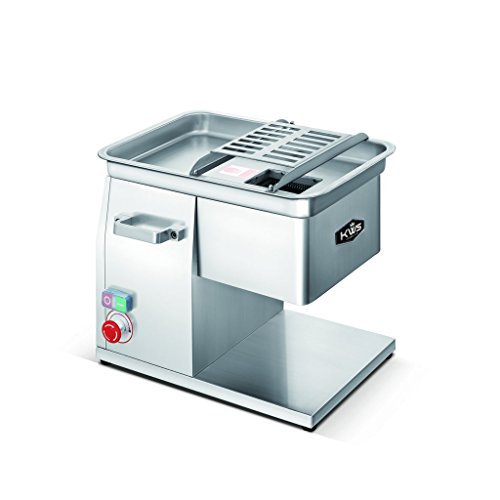
A chef's knife can only get you so far when you're trying to cut deli-thin ham or an even stack of roast beef for sandwiches. That's usually the point where home cooks start looking at a dedicated slicing machine, and the best KWS meat slicer for your kitchen depends on a handful of specs that have nothing to do with how powerful the motor is. Blade size, blade material, how finely you can dial in slice thickness, and how easy the machine is to break down for cleaning all shape the day-to-day experience more than raw wattage does. This guide walks through those factors so you can match a slicer to what you'll actually be cutting, whether that's cold cuts, hard cheese, or a weekend batch of pastrami.
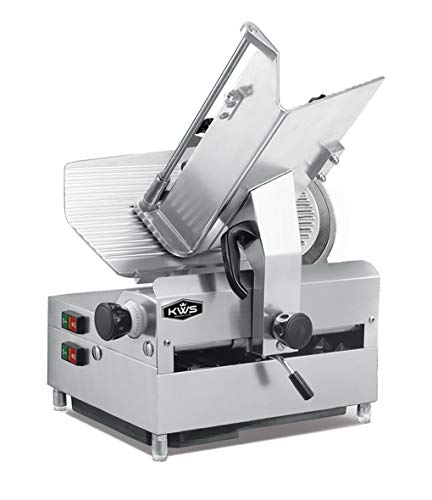


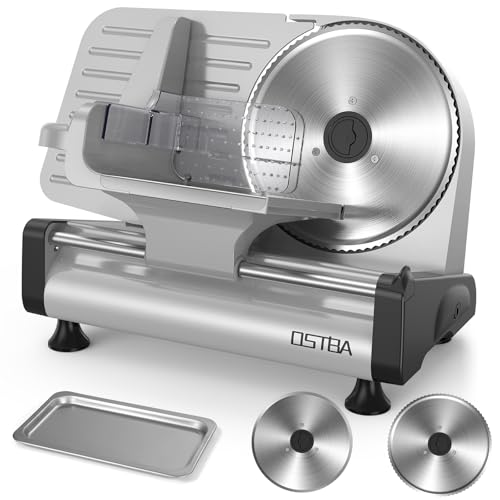
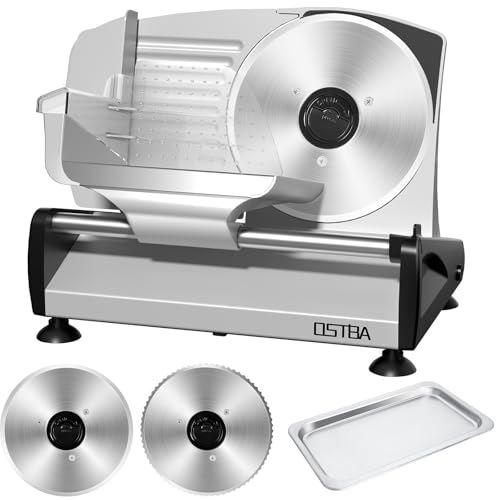


Blade Size and Blade Material: The Two Specs That Shape Every Cut
How Blade Diameter Changes What You Can Slice
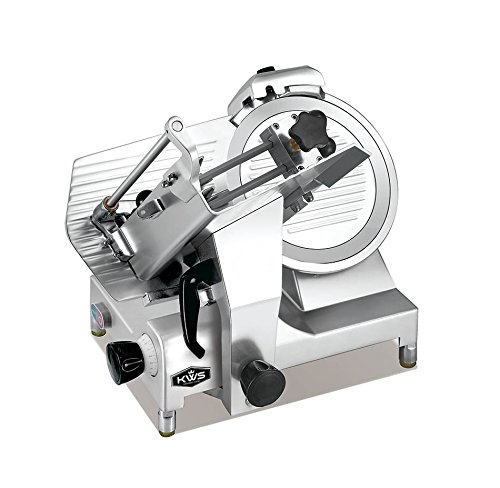
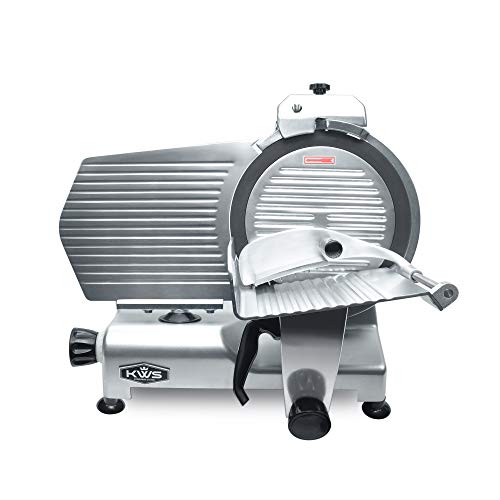
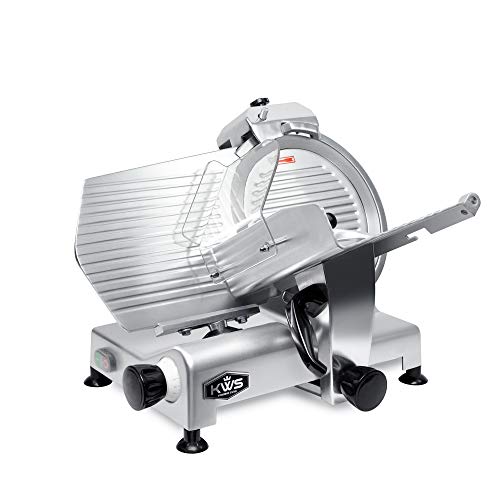
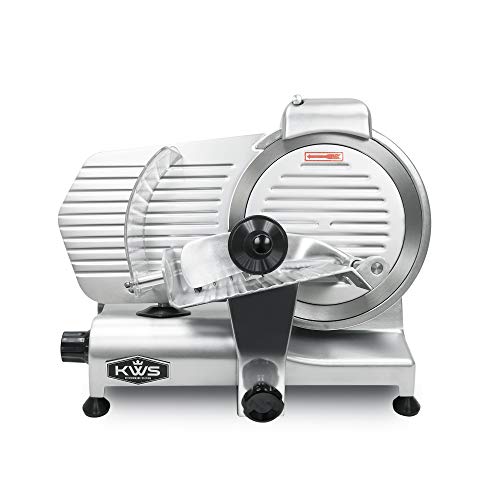
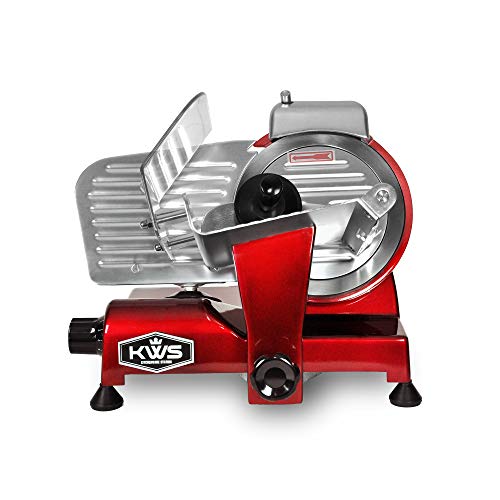
KWS slicers commonly come with 10, 12, or 14 inch blades, and diameter matters more than most first-time buyers expect. A larger blade covers more surface with each stroke, which means fewer passes on a wide roast or a full ham and less sawing back and forth to get through it. Smaller blades in the same lineup work fine for narrower cuts like a rolled deli loaf, but they struggle with anything approaching their own diameter. If you regularly slice meat that's been left partially frozen for firmer, cleaner cuts, a bigger blade also has an easier time keeping the slice consistent from edge to edge instead of dragging or tearing near the center.
Stainless Versus Carbon Steel: Which Holds an Edge Longer
Blade material affects both how long a slicer stays sharp and how much upkeep it needs between sharpenings. Stainless steel blades resist corrosion even when they're in near-daily contact with salt-cured meats or acidic marinades, and they tend to hold a working edge longer under normal home use. Carbon steel blades can take a slightly sharper initial edge, but they lose that edge faster and are more prone to surface staining or light rust if they aren't dried thoroughly after washing. For most households, a stainless blade is the lower-maintenance choice, and it's what you'll find on the majority of KWS models built for home kitchens.
Dialing In Slice Thickness for Different Foods
Getting Deli-Thin, Paper-Thin Slices
Most KWS slicers use a dial near the blade that adjusts thickness in small, repeatable increments, often from nearly zero up to around half an inch. For deli-style slices thin enough to layer into a sandwich, you'll generally want the dial near its lowest usable setting, paired with meat that's been chilled or briefly firmed up in the freezer. Slicing at the thinnest setting on fully soft, room-temperature meat is where most tearing and uneven edges happen, so temperature matters as much as the dial position.
Thicker Cuts for Roasts and Sandwich Meat
Move the dial up a few notches for heartier sandwich slices or for cuts meant to be pan-seared after slicing, like a roast portioned for quick weeknight meals. A mid-range thickness setting is also more forgiving if you're new to using a slicer, since thicker slices hold together better and are less likely to bunch up or fold as they come off the blade. Once you're comfortable with the machine, dropping back down to thinner settings gets easier with practice.
Matching a KWS Slicer to What You Actually Slice
Deli Meat and Cold Cuts
This is the most forgiving category for any slicer. Chilled deli meat and cold cuts slice cleanly at almost any thickness setting and don't put much strain on the blade, which is one reason a best kws meat slicer pick for casual home use rarely needs to be the largest or most expensive model in the lineup.
Hard Cheese and Semi-Frozen Roasts
Dense, firm cheese and meat that's been partially frozen for cleaner cuts both benefit from a larger, well-sharpened blade. A dull or undersized blade tends to crumble hard cheese instead of slicing it cleanly, and it can drag through semi-frozen meat rather than gliding across it.
Bread and Vegetables
Many KWS slicers handle firm vegetables like cucumbers or zucchini, along with crusty bread, though the results depend on the food holding a stable shape on the carriage. Soft or oddly shaped produce is better handled with a knife, since the food pusher works best with items that sit flat and steady.
Taking the Blade On and Off Without Getting Hurt
Removable blades and food carriages make a real difference in how thoroughly you can clean a slicer, and most KWS models are designed to break down into a handful of pieces without tools. The safest habit is to unplug the unit completely before touching the blade guard or removing the blade, every single time, even for a quick wipe-down between slicing sessions. Turn the thickness dial back to zero first so the blade edge is fully retracted behind the guard, then remove the ring guard and lift the blade straight out by its center hub rather than gripping the edge. Food residue left in the carriage track or around the blade collar dries quickly and becomes far harder to scrub off later, so cleaning right after use saves effort and keeps the blade edge from picking up buildup that dulls it faster. If you also batch-prep meat or cheese ahead of time, pairing your slicer with a vacuum sealer keeps those fresh-cut slices from drying out in the fridge.
Frequently Asked Questions
What blade size is best for home use?
A 10 inch blade covers most home slicing needs, from deli meat to mid-size roasts, without taking up as much counter space as the larger commercial-leaning sizes. Step up to 12 or 14 inches only if you regularly slice full hams or wide cuts in one pass.
Do KWS meat slicers come with a sharpener?
Many models include a built-in sharpening attachment on the unit itself, which makes it easy to touch up the edge every few uses instead of removing the blade for sharpening elsewhere.
Can a KWS meat slicer cut frozen meat?
Fully frozen meat is too hard for any slicer blade and can damage the edge. Partially frozen, firmed-up meat slices cleanly and is actually easier to cut thin than fully thawed meat.
Is stainless steel or carbon steel better for a slicer blade?
Stainless steel is the better all-around choice for home use since it resists rust and holds its edge longer with less maintenance. Carbon steel needs more diligent drying and more frequent sharpening.
How do I know what thickness setting to use?
Start near the thinnest setting for deli-style slices and move up in small increments for heartier cuts. Testing on a scrap piece of the same food before committing to a full batch saves waste.
Are KWS slicer parts dishwasher safe?
The motor housing should never go in a dishwasher or be submerged. Removable blade guards and carriage pieces are dishwasher-safe on some models, so always check the specific slicer's care instructions first.
Making the Right Call
Choosing the best KWS meat slicer for your kitchen comes down to blade size, blade material, and how finely you can control slice thickness more than any other spec. Match the blade to what you slice most often, favor stainless steel if low maintenance matters to you, and get comfortable removing the blade safely so cleaning never becomes the reason the slicer stops getting used. If motor power, speed, or duty cycle are the deciding factors for you instead, our KWS electric meat slicer guide covers that side of the decision in more depth. And if your slicing needs sit closer to daily, higher-volume use, it's worth comparing options in our commercial meat slicer for home use guide as well.