Best Masticating Juicer: A Complete Buying Guide
Disclosure: We may earn a commission when you buy through links on this page, at no extra cost to you. As an Amazon Associate I earn from qualifying purchases. Learn more
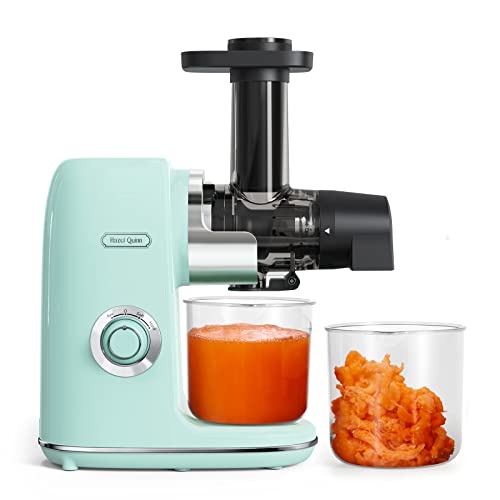
Finding the best masticating juicer for your kitchen starts with understanding how these machines actually work. Unlike fast-spinning centrifugal models, a masticating juicer crushes and presses produce at low speed, squeezing juice out while leaving behind noticeably drier pulp. That slower process changes almost everything: how much juice you pull from a bunch of kale, how many days that juice stays drinkable in the fridge, and how much noise fills your kitchen at seven in the morning. This guide walks through the mechanics worth comparing, the honest trade-offs you take on, and the daily habits that make slow juicing worth the extra step. By the end you will know what actually separates a solid pick from a mediocre one.

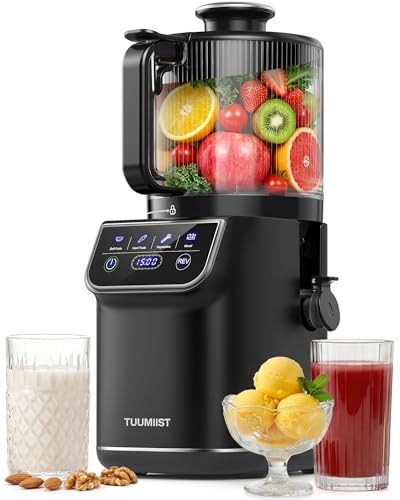
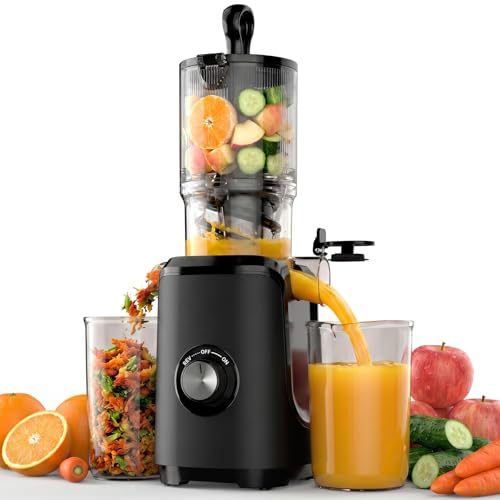
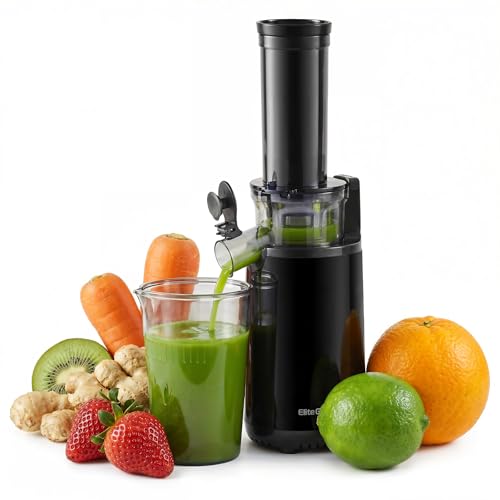
Auger Type, Speed, and Yield: What Actually Matters When Comparing Models
Every masticating juicer relies on a rotating auger to crush produce against a screen, but the auger design varies more than shoppers expect. Getting this part right matters more than any spec sheet number, because it determines how much usable juice you end up with per batch.
Single Auger vs Twin Gear
Single auger models are the most common and handle soft and hard produce well, from apples to celery. Twin gear machines use two interlocking gears instead of one and grind produce more thoroughly, which can push yield slightly higher and extract more nutrients from fibrous stalks. The trade-off is a bulkier machine and a steeper price, so twin gear designs make more sense for someone juicing daily than for occasional use.
Why Low Speed Changes the Result
Most masticating machines run somewhere between 40 and 100 RPM, far below the several thousand RPM of a centrifugal juicer. That slower crush generates less heat and less friction, which is the main reason dry pulp comes out drier and yield comes out higher. When you compare two models, ask about pulp dryness rather than headline yield percentages, since dryness is a more honest indicator of how efficiently a machine is actually extracting juice.
Less Foam, Less Oxidation: Why Slow Juicers Suit Greens and Wheatgrass
The low-speed crushing action that defines a masticating juicer also explains why it handles delicate ingredients so much better than a fast spinning blade. Less air gets whipped into the juice during extraction, which means less foam sitting on top of your glass and less oxygen mixing into the liquid itself.
That matters most with leafy greens, herbs, and wheatgrass, all of which oxidize quickly and lose color and flavor within minutes under a centrifugal blade. A slow juicer handles spinach, kale, and wheatgrass shoots with far less waste and a noticeably smoother texture. The same gentle process is also why juice from a masticating machine can often keep in a sealed container in the fridge for two to three days without separating badly or tasting flat, compared to just a few hours for centrifugal juice. Kitchens that also run a juicer built for whole produce alongside a slow model often notice this freshness gap immediately once they taste both side by side. Quieter operation is a welcome side effect too, since there is no high-speed motor whining through your morning routine.
The Real Trade-Offs: Slower Batches, Higher Cost, More Parts
None of this comes free, and anyone shopping for the best masticating juicer should walk in with clear eyes about what they are trading for that better juice quality. Speed is the most obvious sacrifice. Feeding produce through a narrow chute at low RPM simply takes longer than dropping whole fruit into a wide centrifugal hopper, so a full batch for two people can take several extra minutes.
Price is the second trade-off. Slow juicers generally cost more than centrifugal models at a comparable build quality, and twin gear machines sit at the top of that range. Shoppers comparing a cold press style machine against a standard model should expect to pay a premium for the auger mechanism and the tighter tolerances it requires. Anyone weighing options against a budget-friendly cold press option will see this pattern play out directly in the price tags. Finally, more parts means more assembly and disassembly between uses, which brings up the next consideration entirely on its own.
Getting the Auger and Screen Truly Clean After Every Batch
Cleanup is where most new owners underestimate what they signed up for. A masticating juicer typically has more components than a centrifugal one: an auger, a juicing screen, a pulp bin, and sometimes a separate strainer basket, each of which traps fibrous pulp in tight crevices.
The auger's helical grooves and the fine mesh on the juicing screen are the two spots that need the most attention, since dried pulp left in either one can affect extraction on the next use and eventually harbor odors. Most machines come with a small cleaning brush designed specifically for these tight spaces, and running it under warm water immediately after juicing, rather than letting parts sit, cuts cleaning time dramatically. Budget an honest five to ten minutes for a full cleanup rather than the quick rinse a centrifugal juicer allows, and factor that time into whether daily use is realistic for your schedule.
Fitting Slow Juicing Into a Daily Routine and Batch Prep
Because masticating juicers run slowly and produce juice that holds up well in storage, they fit naturally into a batch prep routine rather than a rushed single-glass habit. Many owners set aside twenty to thirty minutes once or twice a week to juice a large quantity of produce at once, then portion it into sealed jars for the days ahead.
This works because the juice keeps its color and nutrients for a few days when stored cold and airtight, filling the jar as close to the top as possible to limit air contact. Prepping produce the night before, washing and cutting it into chute-sized pieces, also shaves real time off a weekday morning routine. If mornings are tight, running the machine once every two or three days and freezing extra portions in small containers is a practical way to keep fresh juice on hand without cleaning the auger daily.
Frequently Asked Questions
What is the difference between a masticating juicer and a centrifugal juicer?
A masticating juicer crushes produce slowly with an auger, while a centrifugal juicer shreds it with a fast spinning blade. The slower method produces less foam, less oxidation, and typically a higher juice yield.
Are masticating juicers worth the higher price?
For anyone juicing leafy greens regularly or wanting juice that stores well for a couple of days, yes. Occasional juicers who mostly process fruit may not notice enough benefit to justify the extra cost.
Can a masticating juicer handle wheatgrass and leafy greens well?
Yes, this is one of their strongest advantages. The slow crushing action extracts juice from thin, fibrous greens far more efficiently than a fast blade can manage.
How long does juice from a masticating juicer stay fresh?
Stored cold in a sealed, airtight container, juice from a slow juicer typically stays drinkable for two to three days. Centrifugal juice usually needs to be consumed within a few hours.
Do masticating juicers work well with hard vegetables like carrots and beets?
Yes, single auger models handle hard vegetables without much trouble, though cutting them into smaller pieces first reduces strain on the motor and speeds up feeding.
How much noise does a masticating juicer make compared to other juicers?
Considerably less. The low RPM motor runs much quieter than a centrifugal juicer's high-speed blade, which matters for early morning use in a shared household.
Is a masticating juicer harder to clean than a centrifugal juicer?
It usually takes a few extra minutes because of the auger grooves and fine screen mesh. Rinsing parts immediately after use rather than letting pulp dry keeps cleanup manageable.
Is a Slow Juicer Right for Your Kitchen?
The right choice comes down to how often you juice and what you juice most. Someone making greens-heavy juice several times a week will feel the benefits of a masticating machine immediately, while an occasional fruit juicer may be better served by a simpler, faster machine. Weigh the extra cleanup time and cost against how much you value fresher, longer-lasting juice, and the answer for the best masticating juicer for your household will become clear.