Best Propane Garage Heater: A Complete Buying Guide
Disclosure: We may earn a commission when you buy through links on this page, at no extra cost to you. As an Amazon Associate I earn from qualifying purchases. Learn more
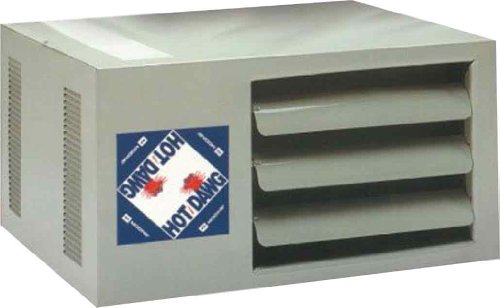
A cold garage gets old fast once you're trying to work on a car, run power tools, or just grab something from the freezer without your hands going numb. If you don't have a natural gas line running to your garage and an electric heater just can't push out enough warmth for the space, propane is usually the answer. Finding the best propane garage heater for your setup comes down to a handful of decisions: how many BTUs you actually need, whether you run off a small portable cylinder or a larger stationary tank, and how the heater vents. This guide walks through each of those choices so you can shop with confidence instead of guessing.

When Propane Beats Electric or Natural Gas for Garage Heat
Propane sits in a useful middle ground between the other two common garage heating fuels. Electric heaters are simple to install and don't need any fuel storage, but most residential circuits can't support the wattage needed to heat a large or poorly insulated garage quickly. Natural gas heaters are efficient and never run out of fuel, but they only work if a gas line already reaches your garage, and running a new one can mean tearing into walls or a slab.
Propane sidesteps both problems. It burns hotter per unit than natural gas, so a propane unit can often out-heat a similarly sized natural gas garage heater in a cold, drafty space, and it delivers far more output than most electric garage heaters without needing a dedicated high-amperage circuit. The tradeoff is that you're managing a fuel supply yourself, whether that's swapping small cylinders or keeping a larger tank filled. If your garage has no gas line and electric output has left you disappointed, a propane garage heater is typically the practical middle path.
Sizing Your Propane Heater: BTUs and Tank Runtime
How Many BTUs Your Garage Needs
Sizing a propane garage heater correctly starts with square footage. Most garages need roughly 30 to 50 BTUs per square foot, though your exact number depends on insulation, ceiling height, and how cold your winters get. A well-insulated single-car garage might only need 15,000 to 20,000 BTUs, while a drafty two-car space in a cold climate can call for 40,000 BTUs or more. If your garage has uninsulated doors or high ceilings, plan on adding roughly 10 to 20 percent to your baseline number rather than buying the smallest unit that technically covers the square footage.
How Long a Tank Actually Lasts
Unlike a natural gas line, propane runs out, and this is where a lot of first-time buyers get caught off guard. On a mid-size propane garage heater, a standard 20 lb cylinder run continuously at 30,000 BTUs typically lasts around 10 to 12 hours. A 100 lb tank holds roughly ten times that fuel, so it can stretch across several days of regular use depending on your heater's output and how often it cycles. Match the tank size to how often you're realistically willing to swap or refill it, not just to the sticker price of the smallest option.
Portable Cylinder or Stationary Tank: Matching Your Propane Supply to How You'll Use the Heater
When a Portable Cylinder Makes Sense
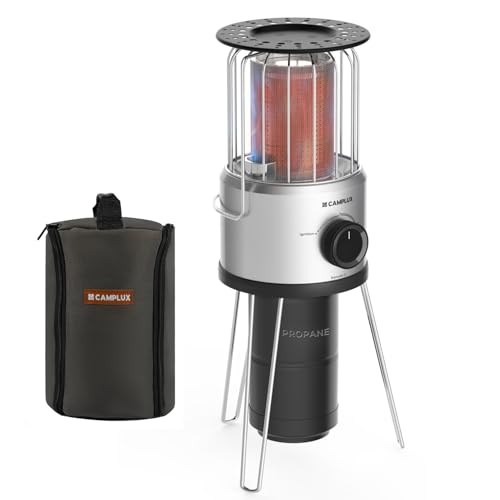
Small 20 lb cylinders are the same tanks used for gas grills, which makes them easy to find, cheap to exchange, and simple to swap in and out. They're the right call if you only heat the garage occasionally, want to move the heater between spaces, or don't want the upfront cost of a bulk tank installation. The downside is that you'll be running back for a refill more often once you start heating for several hours at a time.
When a Stationary or Bulk Tank Is Worth It
If you heat your garage daily through a full winter, a 100 lb or larger stationary tank cuts down on how often you're dealing with fuel logistics, even though the setup and delivery cost more upfront. Stationary tanks also usually feed a fixed hose and regulator line to the heater rather than a cylinder mounted directly to the unit, which is worth factoring in if you want a heater that stays in one place permanently rather than one you can wheel around the garage.
Portable, Wall-Mounted, or Ceiling-Mounted: Picking the Right Form Factor
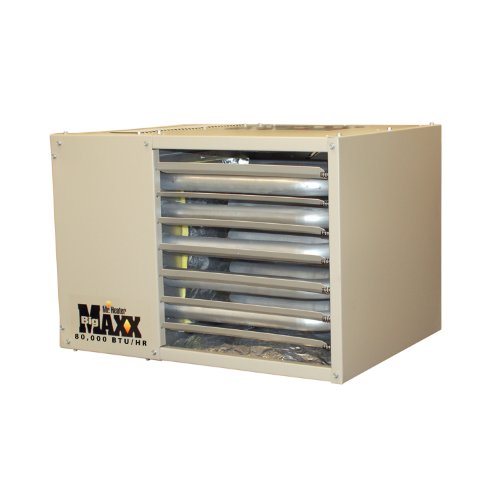
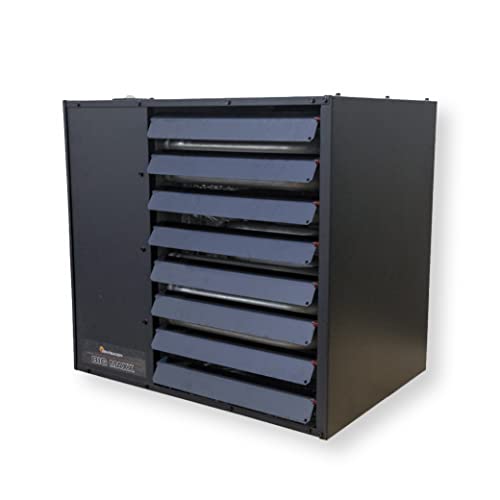
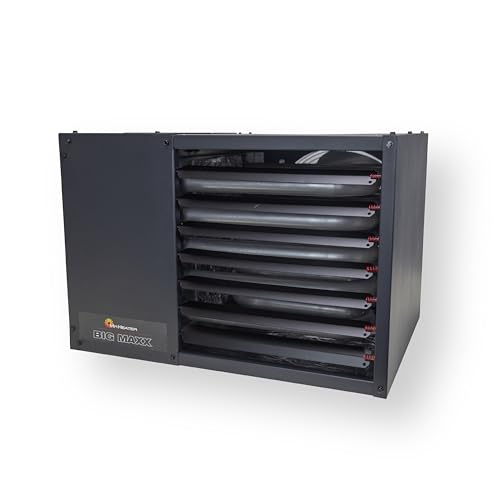
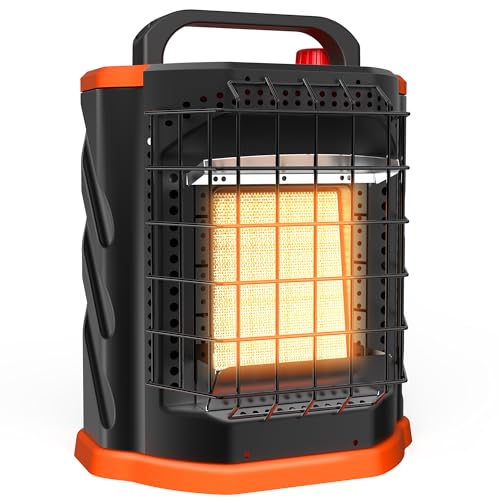
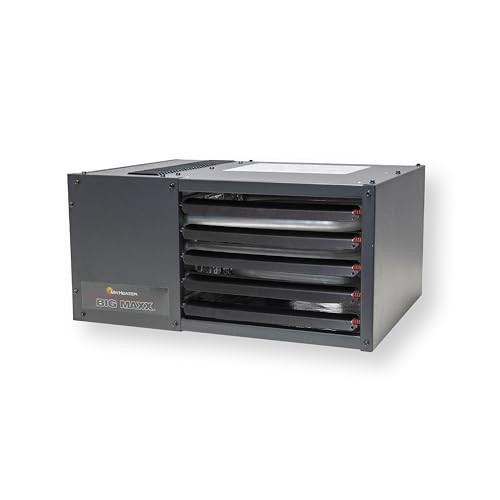
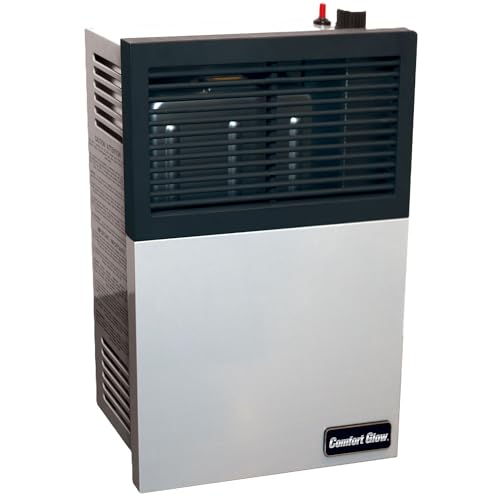
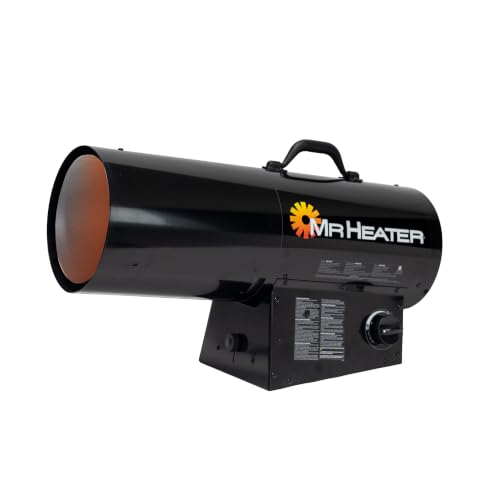
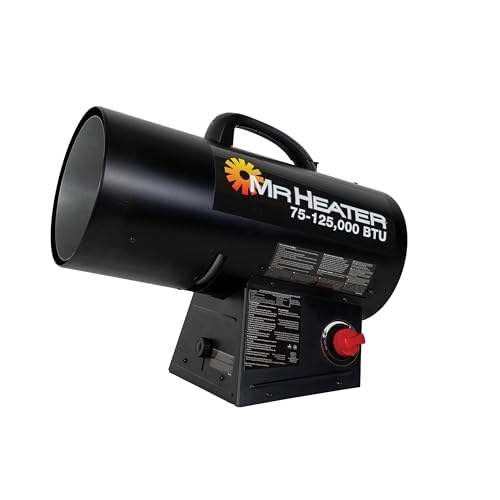
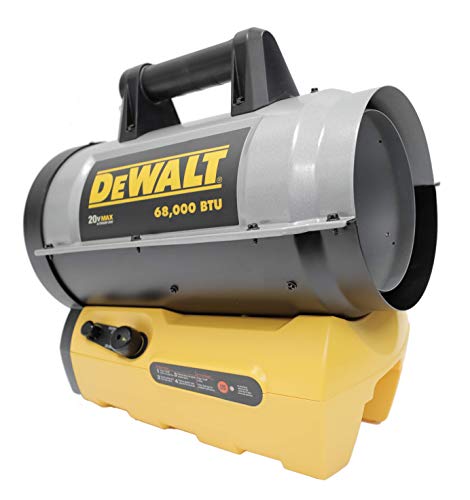
Portable forced-air propane heaters are the most common choice for garages because they heat up fast and can be pointed at a specific work area, like a bench or a vehicle you're working under. They tend to be loud, though, so factor that in if you'll be running one for hours at a time. Wall-mounted radiant or convection units trade some of that raw output for quieter, steadier background heat and free up floor space, which matters in a garage that's already crowded with tools and a vehicle. Ceiling-mounted units go a step further, keeping the heater completely out of the way of parked cars and foot traffic, and they're a good fit if you're setting up a more permanent propane garage heater solution rather than something you'll move around.
Ventilation, Oxygen Levels, and Carbon Monoxide Safety
Propane combustion consumes oxygen and produces carbon monoxide, so ventilation isn't optional. Indoor-rated propane heaters include an oxygen depletion sensor (ODS) that automatically shuts the unit off if oxygen levels in the room drop too low, and this is a non-negotiable feature for garage use. Heaters rated for outdoor use only should never be run inside a garage, even with the door cracked, because they lack that safety mechanism and can allow carbon monoxide to build up quickly in an enclosed space.
Even with an indoor-rated, properly ventilated heater, a dedicated carbon monoxide detector mounted in the garage is worth the small cost for the peace of mind. Keep the heater on a non-combustible surface, well clear of parked vehicles, stored fuel, and anything flammable, and avoid running it unattended overnight regardless of how well-ventilated the space seems.
Frequently Asked Questions
How many BTUs do I need to heat my garage with a propane heater?
Plan on roughly 30 to 50 BTUs per square foot as a starting point, then adjust upward for poor insulation, high ceilings, or a cold climate. A typical two-car garage often lands somewhere between 30,000 and 45,000 BTUs.
Is it safe to run a propane heater in a closed garage?
Only if the heater is rated for indoor use and includes an oxygen depletion sensor, and even then the space needs some airflow, such as a slightly open window or vent. Outdoor-only rated heaters should never be run in an enclosed garage.
How long will a 20 lb propane tank last running a garage heater?
At around 30,000 BTUs of continuous output, a 20 lb tank typically lasts about 10 to 12 hours. Lower heat settings or intermittent cycling will stretch that runtime further.
Do I need a carbon monoxide detector if I use a propane heater?
Yes. Even indoor-rated heaters with safety shutoffs can fail or malfunction, so a dedicated carbon monoxide detector in the garage is a basic safety step worth taking every time.
Can I use an outdoor-rated propane heater inside my garage?
No. Outdoor-rated heaters lack the oxygen depletion sensor and other safety features required for enclosed spaces, and using one indoors creates a real carbon monoxide risk.
Is a propane garage heater cheaper to run than an electric one?
It depends on local propane and electricity prices, but propane generally delivers more heat per dollar in larger or poorly insulated garages, while electric can be cheaper for smaller, well-insulated spaces used only occasionally.
What size propane tank should I use for a garage heater?
A 20 lb cylinder works fine for occasional use, but if you're heating daily through the winter, a 100 lb or larger stationary tank will save you from constant refill trips.
Choosing the Propane Setup That Fits Your Garage
The right propane garage heater comes down to matching BTU output to your space, picking a fuel supply setup you'll actually keep up with, and never compromising on ventilation and carbon monoxide safety. Get those three right, and a propane heater can turn a cold garage into a space you're actually willing to spend time in through the winter.